What was supposed to be the darling trade of 2024 has unraveled, thanks to the Federal Reserve upending predictions over how fast it would lower interest rates.
Right around the start of November, two words suddenly disappeared from the chatter in the bond market: debt supply.
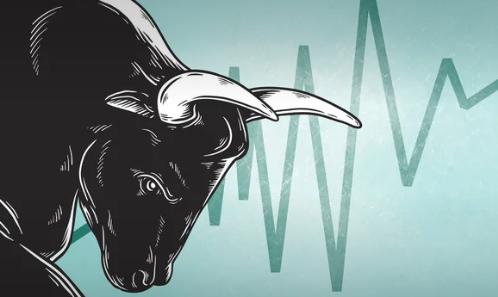
A vehicle used to track longer-dated US government bonds surged into a bull market, as investors seek to end three years of pain on the Federal Reserve’s willingness to consider interest-rate cuts.
The sizzling global bond rally stalled on Thursday ahead of a key US jobs report, with a slump in Japanese debt adding to the nerves of Treasury traders already fretting that yields had dropped too far.
December’s whipsaw opening shows investors may be concerned November’s epic rallies went too far, too fast in anticipating a near-perfect soft landing for the economy.
Global bonds are soaring at the fastest pace since the 2008 financial crisis.
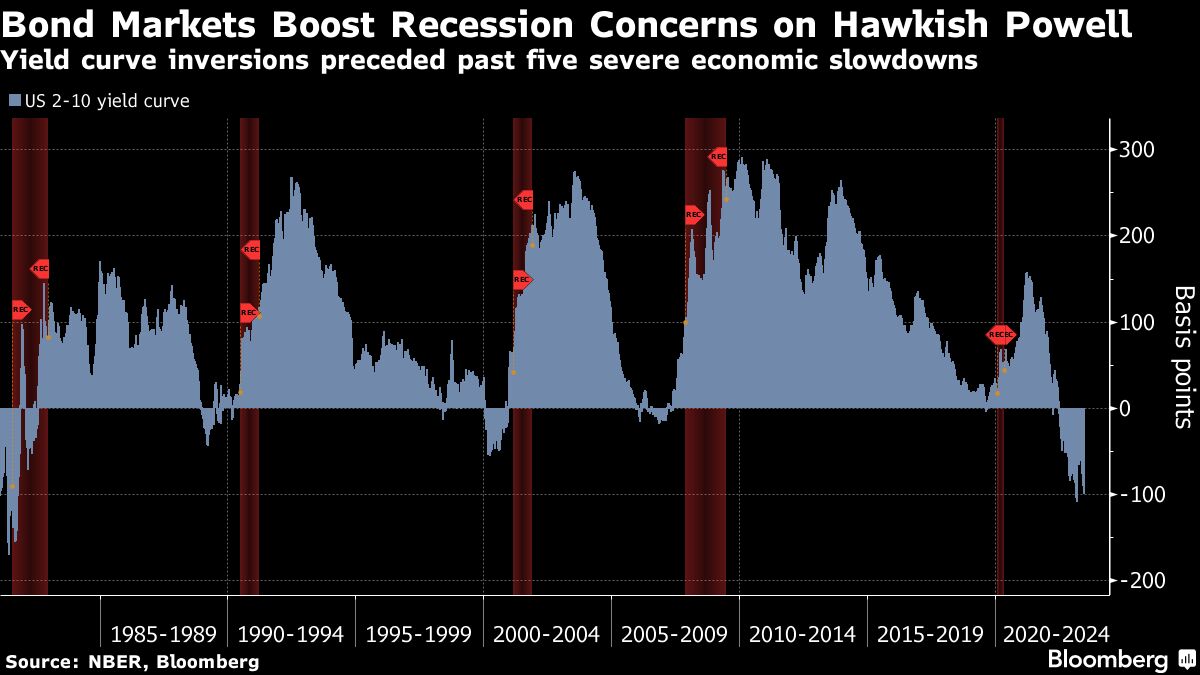
Treasury investors are turning increasingly skeptical the Federal Reserve will deliver a soft landing for the US economy next year, elevating concern of a looming recession over the risks posed by inflation and a swelling budget deficit.
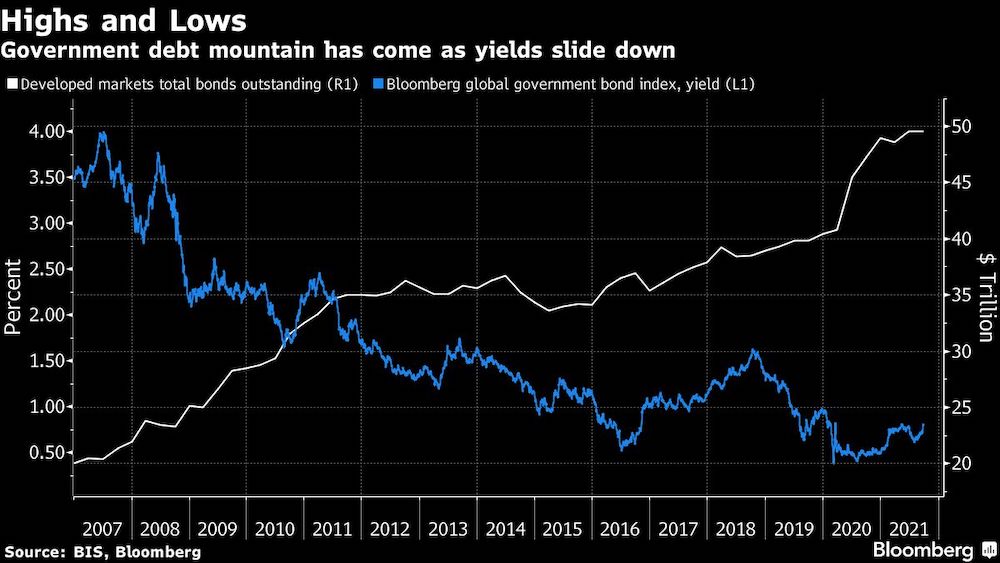
The savage sell-off that hit Treasuries in prior months was driven by concerns a buyers’ strike had hit the $26 trillion bond market. It’s now confirmed: at least one set of investors headed for the exits back in September.
Embattled debt investors like the look of 5% Treasury yields as they weigh the risk-versus-reward scales for the world’s biggest bond market.
Wild swings in the “world’s safest asset” are once again acting as a driver for volatility across global markets.
A key measure of how much bond investors are compensated for holding long-term debt turned positive for the first time since June 2021, reflecting steep increases in longer-maturity Treasury yields.
Treasury 10-year yields rose above 4.5% for the first time since 2007 as a more hawkish Federal Reserve adds to concern the bonds face a toxic mix of large US fiscal deficits and persistent inflation.
Beaten-down US Treasuries are proving irresistible to some investors even after Federal Reserve Chair Jerome Powell said he’s ready to raise interest rates again to choke off inflation.
JPMorgan Chase & Co. and Western Asset Management are among those saying this month’s jump in bond yields represents a buying opportunity, given central banks are getting close to the end of their rate-hike cycles.
Bond investors are bracing for fresh signs of strength in the US labor market on Friday after Treasuries tanked on fears the Federal Reserve will hike interest rates higher than previously assumed.
Bond investors’ concern over a potential US recession deepened after Federal Reserve Chair Jerome Powell signaled policymakers may keep pushing interest rates higher.
Central banks have ramped up their hawkish rhetoric this month but for bond bulls, that’s a good thing.
Hedge funds supercharged bearish Treasury bets to historic levels just days before the US banking turmoil took a turn for the worse and spurred a stampede for the world’s safest assets.
Hedge funds are betting on higher Treasury yields in a market that’s divided over whether the US economy can avoid recession and Federal Reserve interest-rate cuts.
Investors sought the safety of bonds for a second day as jitters over a rout in bank stocks hit risk sentiment and traders speculated that rate-hike bets had gone too far too fast.
Global bonds are poised to erase all of the gains they made in their best start to a year on record.
Bullish markets are increasingly pricing in a second-half reversal of the global monetary tightening wave, making it tougher for central bankers to vanquish inflation once and for all.
The best start to a year for bond returns is helping fuel an unprecedented debt-sale bonanza by governments and companies around the world of more than half a trillion dollars.
Global bonds rebounded in November, adding a record $2.8 trillion in market value, as investors bet that central banks are getting a grip on inflation. But how long the party lasts is another matter.
Global bonds joined US peers in signaling a recession, with a gauge measuring the worldwide yield curve inverting for the first time in at least two decades.
Everywhere you turn, the biggest players in the $23.7 trillion US Treasuries market are in retreat.
Global bonds sold off as investors responded to central bankers signaling they will increase interest rates as much as necessary to bring down inflation.
he Federal Reserve’s interest-rate hikes are wearing out their welcome in bond markets, with a measure of the yield curve that Chair Jerome Powell has highlighted as a recession indicator sending out a warning message.
Treasuries began the second half of the year on the front foot Friday as concerns continued to mount that Federal Reserve rate hikes will lead to a recession.
The Federal Reserve needs to deliver a Volcker-style shock to drive down asset prices if it wants to slow inflation without causing a recession, according to Credit Suisse Group AG strategist Zoltan Pozsar.
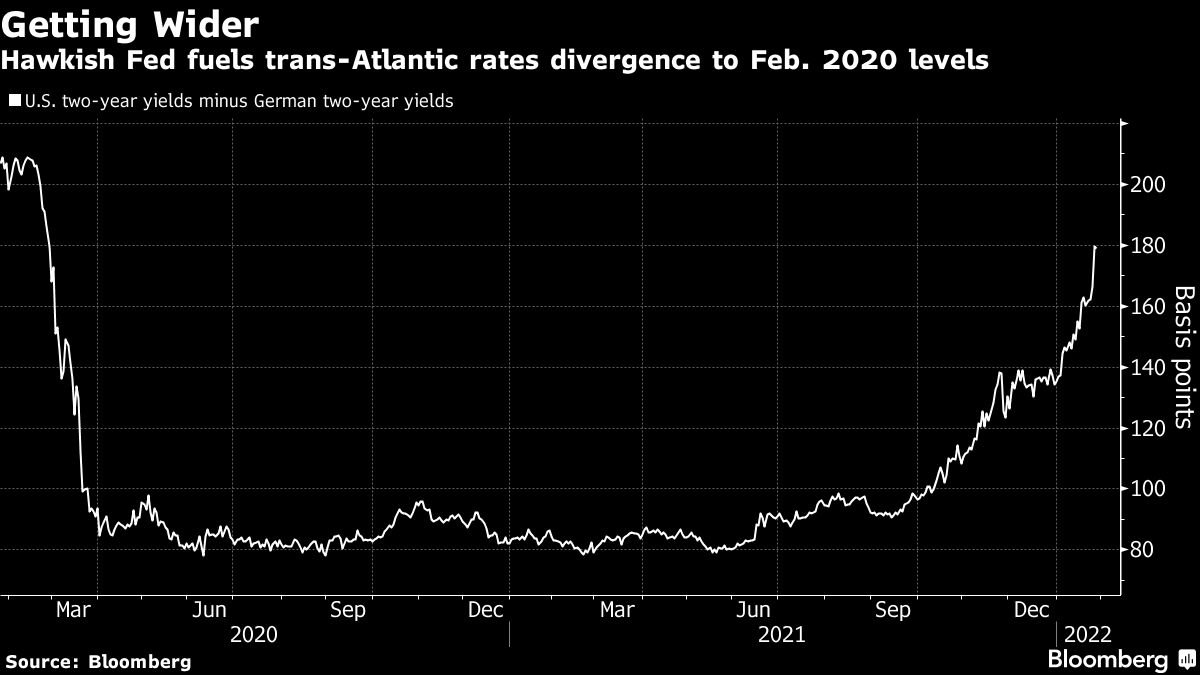
Bonds tumbled across the world on Thursday after Federal Reserve Chairman Jerome Powell’s latest hawkish pivot, with yields from Wellington to London breaching multi-year highs.
Treasuries slid and yield-curve premiums shrank to the lowest in almost two years amid increased speculation the Federal Reserve will deliver more than a quarter-percentage point rate hike in March.
Anyone gearing up for bond yields to surge in 2022 should think again. A global glut of saved cash has the potential to restrain an increase in rates, even as central banks dial back their pandemic stimulus.