November will be etched in the memories of investors as a remarkable month.
Risk premiums on US investment-grade corporate bonds have narrowed to the tightest level in nearly two years on expectations that the Federal Reserve has reached the peak of its monetary-tightening cycle.
“Let me tell you about the very rich. They are different from you and me.” F. Scott Fitzgerald could have added that they are also generationally different from each other.
On Wall Street and in the financial media, many of us make our living by attempting to say “smart stuff” about the Federal Reserve. Unfortunately in some cases, that creates an incentive to make central banking out to be more complicated than it is.
“I have never been more excited about the future,” wrote Sam Altman, the reinstated chief executive officer of OpenAI, to his subordinates on Wednesday, in a statement formally announcing his return and the rebuilding of the company’s fractured board.
Charlie Munger, the longtime vice chairman of Berkshire Hathaway Inc., who died on Tuesday at the age of 99, will be exalted for many things in the coming days.
Persuasive architecture is an effective strategy to create a website that answers your ideal clients’ questions and concerns while guiding them down a path that leads to conversion.
Even Ken Griffin is a little worried. Multimanager funds like Griffin’s Citadel have come to dominate the hedge fund industry, riding a steady run of outperformance to oversee more than $1 trillion, including a healthy dose of leverage.
The last time the municipal bond market rallied so much, it was Paul Volcker — and not Jerome Powell — who was winning a war on inflation.
As a rush of Wall Street strategists call for all-time highs in US stocks in the year ahead, JPMorgan Chase & Co. stands apart, releasing the gloomiest forecast so far among its peers.
Among his many contributions, Munger was a prolific armchair philosopher, whose speeches and interviews included hundreds — maybe thousands — of nuggets about how to invest and live well.
The unhappiness of American consumers despite rapid job and economic growth in the past few years is a hotly debated topic. Is it inflation? High borrowing costs for homes and automobiles? Crowded airports and packed airplanes?
Now that inflation is finally decelerating, regulators are increasingly turning their focus to financial stability.
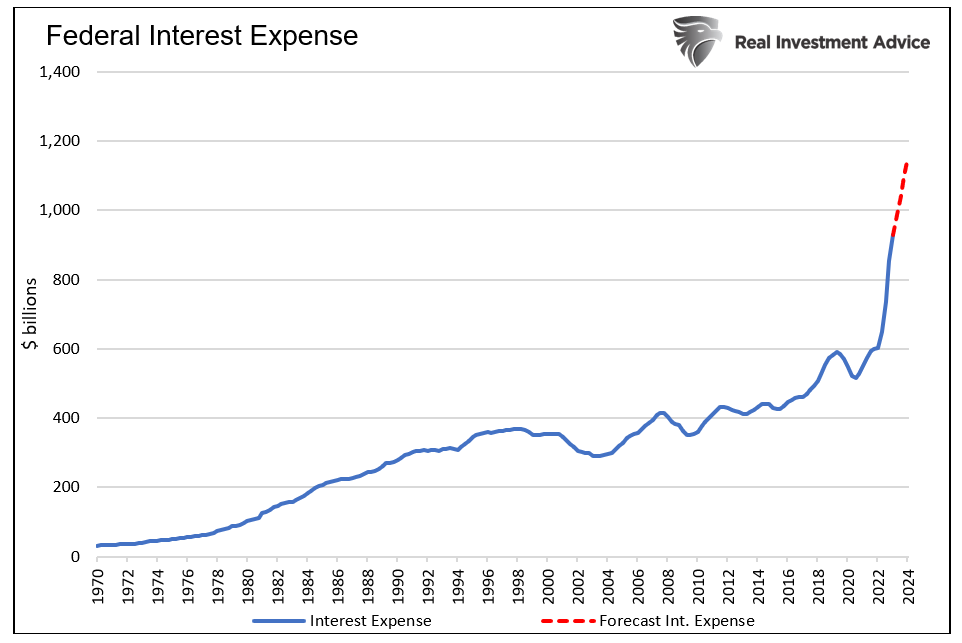
The problem is not a deficit or a debt-issuance problem. It's an interest rate problem.
The private equity industry’s push into credit is so well advanced that no one bats an eyelid when the same buyout firm is invested in the debt and equity of the same portfolio company.
Ever since Alan Turing’s “imitation game,” we’ve been acutely aware of the importance of measuring the capabilities of computers against our own miraculous brains.
Let’s go back four decades and consider a few key indicators of wellbeing.
The US economy grew at an even faster pace in the third quarter than originally estimated, reflecting upward revisions to business investment and government spending.
The highest compliment I receive from clients is when they tell me they don’t feel like our relationship is transactional.
Global bonds are soaring at the fastest pace since the 2008 financial crisis.
US regulators’ swift action in March to ring-fence the banking sector after the collapse of Silicon Valley Bank might have had an unintended consequence of driving cash out of bond funds, by enhancing the appeal of deposits.
Content creation is a lot like building furniture; you need a plan and the right components.
Bitcoin climbed back above $38,000 on Tuesday amid optimism the US central bank may be closer to lowering borrowing costs if inflation continues to decline.
It’s the latest critique of the passive-investing boom: Fresh academic research claims that the relentless flood of index-chasing cash on Wall Street is distorting stock prices and causing extreme market moves.
I enjoy my work under normal circumstances, and I appreciate my clients. But this year faking happiness over material things isn’t in my DNA.
The rebound in Adyen NV and its European fintech peers this month has been notable, but investors should brace for a bumpy road ahead.
BMW AG Chief Executive Officer Oliver Zipse was incredulous when asked this month whether the German premium carmaker would respond to a brutal price war in electric vehicles by cutting production.
Javier Milei was elected president of Argentina on the strength of a radical promise: that he would replace the highly inflationary Argentine peso with the stable US dollar.
Your prospect doesn’t care about you pre-sale... they care about your understanding of them.
At the time of the first major climate change conference, in Rio de Janeiro in 1992, China was one of the least developed nations. Its per capita income was below Haiti, Niger and Pakistan.
The pandemic upended many of the things we thought we knew about the economy. Even now, economists struggle to answer such fundamental questions as whether Americans are better off financially.
When the crypto bubble was on the rise, it prompted governments to step up development of their own form of electronic cash, known as central bank digital currencies. Now that enthusiasm for crypto has waned, will CBDCs fade away, too?
The rally that led the S&P 500 to one of its best November gains in a century is now running out of steam, according to Citigroup Inc. strategists.
Researchers working inside a unit of BlackRock Inc. estimate that a reform of public financial institutions could free up as much as $4 trillion in additional investment to help emerging markets tackle the fallout of climate change.
The recent sharp pullback in volatility as year-end approaches creates hedging opportunities given the cloudy outlook for equities, according to Goldman Sachs Group Inc. strategists.
If investors needed another sign the heyday for meme stocks has passed, an exchange-traded fund designed to ride the pandemic-era rise of retail traders is shuttering after just two years.
Brooks Friederich is a little-known figure in the world of investment advisory, even among the Wall Street cognoscenti. Yet every year, the 39-year-old — and his Berwyn, Pennsylvania-based employer Envestnet — helps steer billions of dollars into tailor-made strategies for financial advisers, part of what’s known as the model-portfolio boom.
Everyone has an opinion on how you should run your practice. Here is how to know which suggestions are worth following.
By separating the rollout of the new practice into V1 and V2, you can better focus on making V1 successful.
The TDF industry is dominated by a few firms that form an oligopoly that is hard to disrupt. It’s no surprise that non-oligarchs are spearheading the movement to personalization.
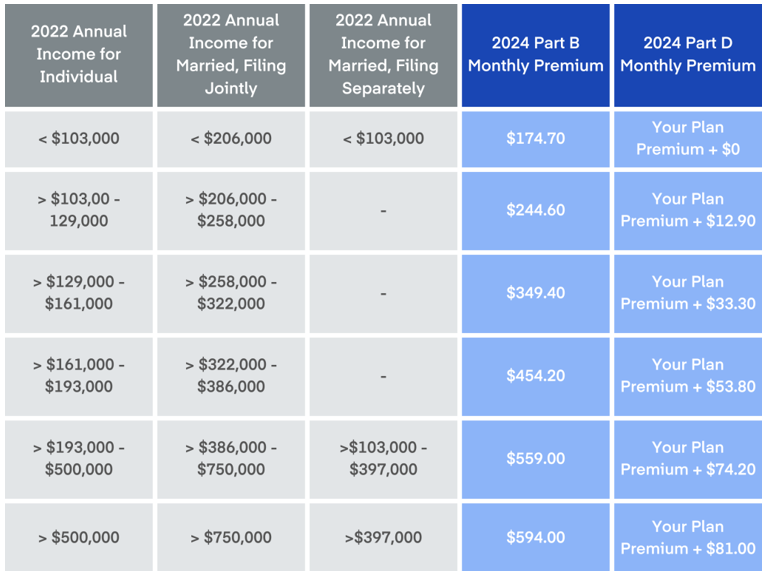
I'll share the impact healthcare costs have on financial plans, the critical healthcare information to include (such as medical tax deductions and IRMAA), how to budget for costs in a world of variables, and tangible strategies to implement during open enrollment and beyond to ensure clients are on the optimal coverage.
How can RIAs avoid missing the mark when it comes to private market investments?
Our immense progress in improving society’s standard of living over the last several centuries was possible because of advances in the discovery and production of energy. To assume that will continue is a grave error.
The growth of the federal deficit in the post-COVID era, coupled with the political unwillingness to increase taxes, foretells higher-than-historical inflation rates, according to new research.
It’s finally time to move on from a $2.2 trillion problem by burying Bankhaus Herstatt — a half-century after its collapse.
Is a hedge fund anything without its founder? Another batch of well-known hedge fund managers have sold out or moved to liquidate portfolios this month. Their legacies as entrepreneurs underscore the challenges of building a firm that outgrows the key risk-taker.
Private equity firms that spent hundreds of billions of dollars on acquisitions at the top of the market risk a nasty hangover.
ESG fund managers who turned to big tech as a low-carbon, high-return bet are growing increasingly anxious over the sector’s experimentation with artificial intelligence.
The world’s biggest bond market has clawed its way back after spending chunks of 2023 underwater. Now many US debt watchers see the pathway clearing for a real revival.
Reeling from a bear market last year, beaten-up investors decided to send more than $60 billion to exchange-traded funds focusing on dividends.