Advisor Perspectives welcomes guest contributions. The views presented here do not necessarily represent those of Advisor Perspectives.
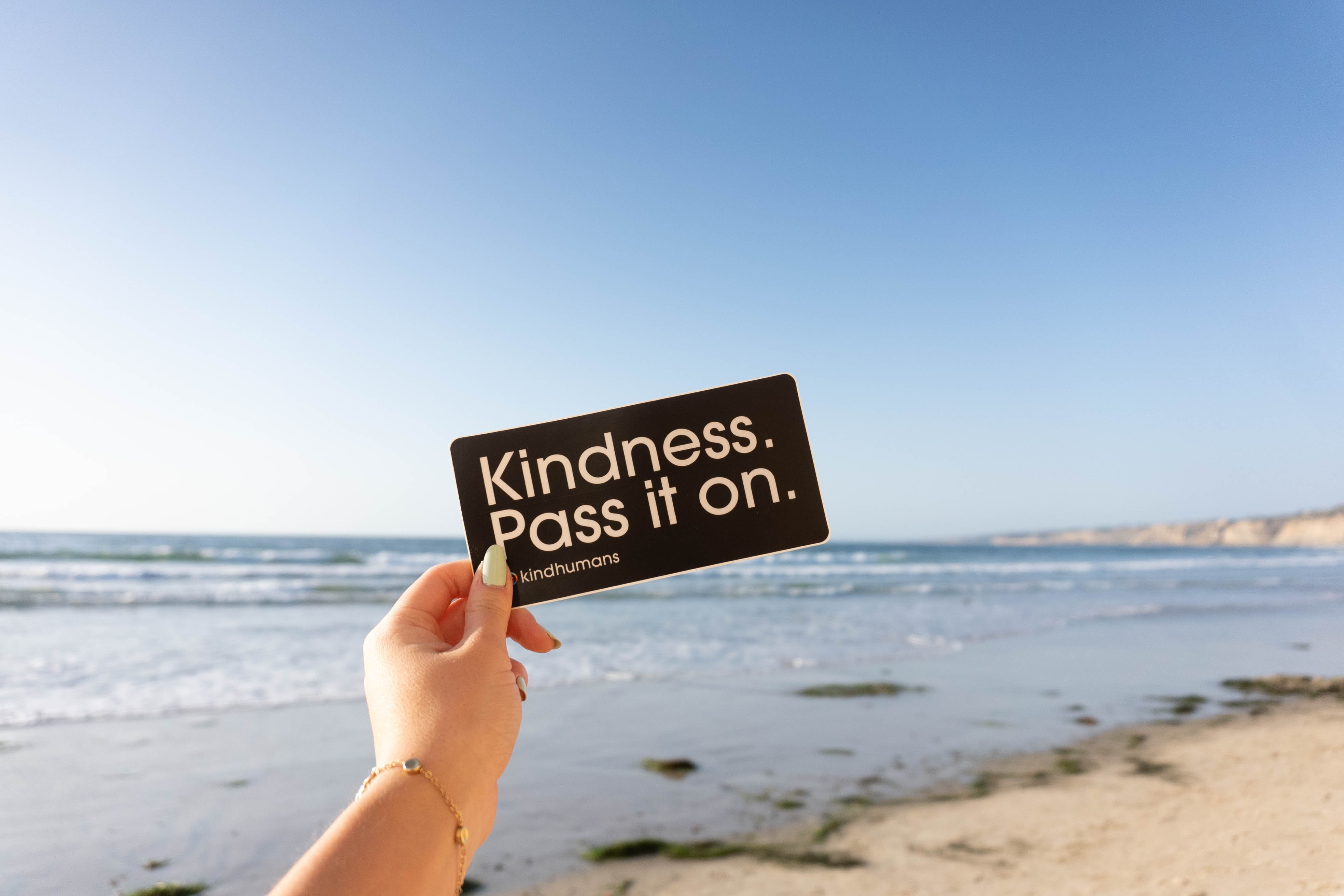
Recently, I tried an experiment. I was in a drive-thru line at Starbucks. When I got to the window, I told the server to pay for the order in the car behind me. Her face brightened and she gave me a big smile.
It was the start of a great day.
It made me appreciate the wisdom of this quote, attributed to the Dalai Lama: “Be kind whenever possible. It is always possible.”
Let’s discuss the impact of kindness on yourself and others.
Improve your health
Being kind isn’t just an act of selflessness. The health benefits are profound.
According to the Mayo Clinic, kindness increases “self-esteem, empathy and compassion.” It decreases stress, mitigates feelings of loneliness, improves your mood and enhances your relationships.
When you’re kind, levels of oxytocin, serotonin and dopamine (which are neurotransmitters in your brain that make you feel good) increase. Higher levels of oxytocin can expand blood vessels, thereby reducing blood pressure and protecting heart health. Oxytocin can also reduce free radicals and inflammation and slow the aging process.
There’s even evidence that being kind releases endorphins, which can help to reduce pain.
Improve the health of others
In the caregiver setting, being kind has been shown to promote healing, improve the relationship between caregiver and patient and reduce patient anxiety.
The relationship between compassionate care and its positive impact on patients has been long recognized. Hippocrates, the famed Greek physician who died in 370 BC, said: “Cure sometimes, treat often, and comfort always.”
In a non-medical setting, the recipient of your kindness may experience less anxiety and depression and feel happier and more valued. It will also encourage them to engage in similar acts with others.
Great leaders are kind
As the head of an advisory firm, you’re confronting difficult times, but these challenges may present an opportunity to demonstrate kindness.
According to Boris Groysberg, the Richard P. Chapman professor of business administration at the Harvard Business School, being kind “is a powerful, fundamental leadership strategy...largely overlooked.”
He believes being kind improves the mental health of employees, increases morale, reduces absenteeism and helps to retain employees longer – a powerful inducement in these times of “the great resignation.”
He notes that kind bosses may even prolong the lives of their employees by decreasing their stress levels, which improves cardiovascular health.
More AUM. Better Relationships.
Guaranteed
My micro-learning course will increase your AUM and deepen your relationships.
If not, I’ll give you a 100% refund of the $29.95 cost.
Volume discounts are available.
A client who runs a large advisory firm recently expressed his frustration to me. The firm has a long-term, expensive lease on high-quality office space, which it entered into before the pandemic. He informed his employees they were expected back in the office and could no longer work from home.
Some expressed considerable misgivings. He was worried he could lose valuable employees.
I sent him Groysberg’s article and highlighted these observations: “The pandemic is not a time for a stern, iron-fisted approach to leadership and management. The virus' vast fallout demands a kinder, gentler approach.”
He reversed course. He asked the recalcitrant employees what he could do to help. He inquired about their special challenges. He compromised where possible, adapting his approach to meet the concerns of these employees.
He told me he found this experience “eye-opening.”
Dan trains executives and employees in the lessons based on the research on his latest book, Ask: How to Relate to Anyone. His online course, Ask: Increase Your Sales. Deepen Your Relationships, is now available.
Read more articles by Dan Solin
 Advisor Perspectives welcomes guest contributions. The views presented here do not necessarily represent those of Advisor Perspectives.
 Recently, I tried an experiment. I was in a drive-thru line at Starbucks. When I got to the window, I told the server to pay for the order in the car behind me. Her face brightened and she gave me a big smile.