 Advisor Perspectives welcomes guest contributions. The views presented here do not necessarily represent those of Advisor Perspectives.
Financial advisors want to help clients feel confident about their financial future. Part of that responsibility involves helping clients assess risk capacity and prepare for the unexpected. Unfortunately, many traditional planning tools stop short of helping advisors implement real risk management. Many advisors are left feeling uneasy with risk questionnaires and Monte Carlo simulations, as these tools tend to break down in turbulent markets and often fail to capture the nuances of clients’ real lives.
So, how can financial advisors deliver more robust advice and help their clients feel more confident in their future? They can start by:
- Going beyond risk tolerance and addressing risk management;
- Aligning client assets with their liabilities and goals; and
- Incorporating private assets and future resources to get a full picture of lifetime wealth.
By bringing these elements together within a “total wealth” framework, advisors can create personalized strategies that not only help protect what matters most to clients but also position them to pursue their aspirations.
From Risk Tolerance to Risk Management
In most questionnaires, “risk” is defined narrowly as the volatility of a client’s liquid portfolio. Monte Carlo simulations use that volatility to estimate probabilities of success, but probabilities don’t provide real protection against market shocks, and they often ignore property, business, and personal risks. Robust risk management requires a broader framework that prepares clients for uncertainty, not just volatility.
Volatility risk is predictable, like rolling dice or underwriting auto insurance. Casinos and insurers thrive because probabilities work in those controlled systems. But clients live in a world of uncertainty. No one can predict who will live past age 100, lose a job in a downturn, face a health event, or suffer catastrophic property loss. Prolonged market slumps, pandemics, and geopolitical crises don’t follow neat probability distributions. For this reason, robust risk management must go beyond statistical comfort and focus on real-world preparedness.
To prepare clients for a wide range of outcomes, advisors can leverage five primary tools of risk management:
-
Hedges to protect essential needs;
-
Protective reserves to buy time during adversity;
-
Insurance to cover personal and property risk exposures;
-
Diversification across asset types and risks; and
-
Flexibility to adapt plans when circumstances change.
Ultimately, risk tolerance is revealed through thoughtful conversations about what must be fully protected and where clients are willing to take risk. But risk tolerance is just one piece of the puzzle — risk management is where advisors can add significant value and differentiate themselves.
Aligning Time Horizons and Goal Prioritization
Every financial objective has two defining characteristics: when the money will be needed and how important that goal is to the client. Together, these dimensions determine how each future dollar should be invested.
Time horizon matters because a dollar needed tomorrow benefits from a reliable funding source, while a dollar not needed for decades can seek growth and withstand volatility. Priority matters because essential goals (like food, shelter, and healthcare) must be protected regardless of timing, whereas discretionary goals, such as a vacation property or philanthropic gift, can accept greater risk.
By combining these two perspectives, advisors can systematically align assets with liabilities in a way that both protects essentials and enables growth. By matching each future dollar of spending to an appropriate allocation, advisors can develop personalized strategies that dynamically adapt to each client’s evolving life circumstances.
Building a “Total Wealth” Portfolio
A client’s liquid portfolio is only one part of their overall financial structure. Homes, mortgages, pensions, Social Security, human capital, operating businesses, private assets, insurance proceeds, and future inflows all belong in the total wealth portfolio. For example:
-
Social Security can serve as an inflation-protected hedge for essential needs.
-
Real estate and alternatives can help fund discretionary or legacy goals.
-
Private business interests and human capital are often primary drivers of wealth creation.
-
Estate inflows can support large purchases or debt reduction.
-
A primary home can become a late-life liquidity source through strategies like reverse mortgages.
When advisors capture these resources alongside liabilities and goals, the liquid portfolio becomes a completion fund, filling in the gaps left by other assets to form a unified, comprehensive strategy. This “total wealth” approach can help better align a client’s assets with their liabilities and objectives.
The Next Generation of Financial Advice
The next generation of financial advice expands upon traditional methods, connecting portfolios, goals, and protections into a single, coherent, personalized framework. Advisors can move beyond abstract forecasts and deliver clarity by showing clients where their total wealth resides, how each goal is funded, where they are willing to take risk, and how their plan adapts as life unfolds.
Ultimately, this “total wealth” approach to planning empowers advisors to deliver personalized, outcome-driven strategies that help clients feel confident in their financial future.
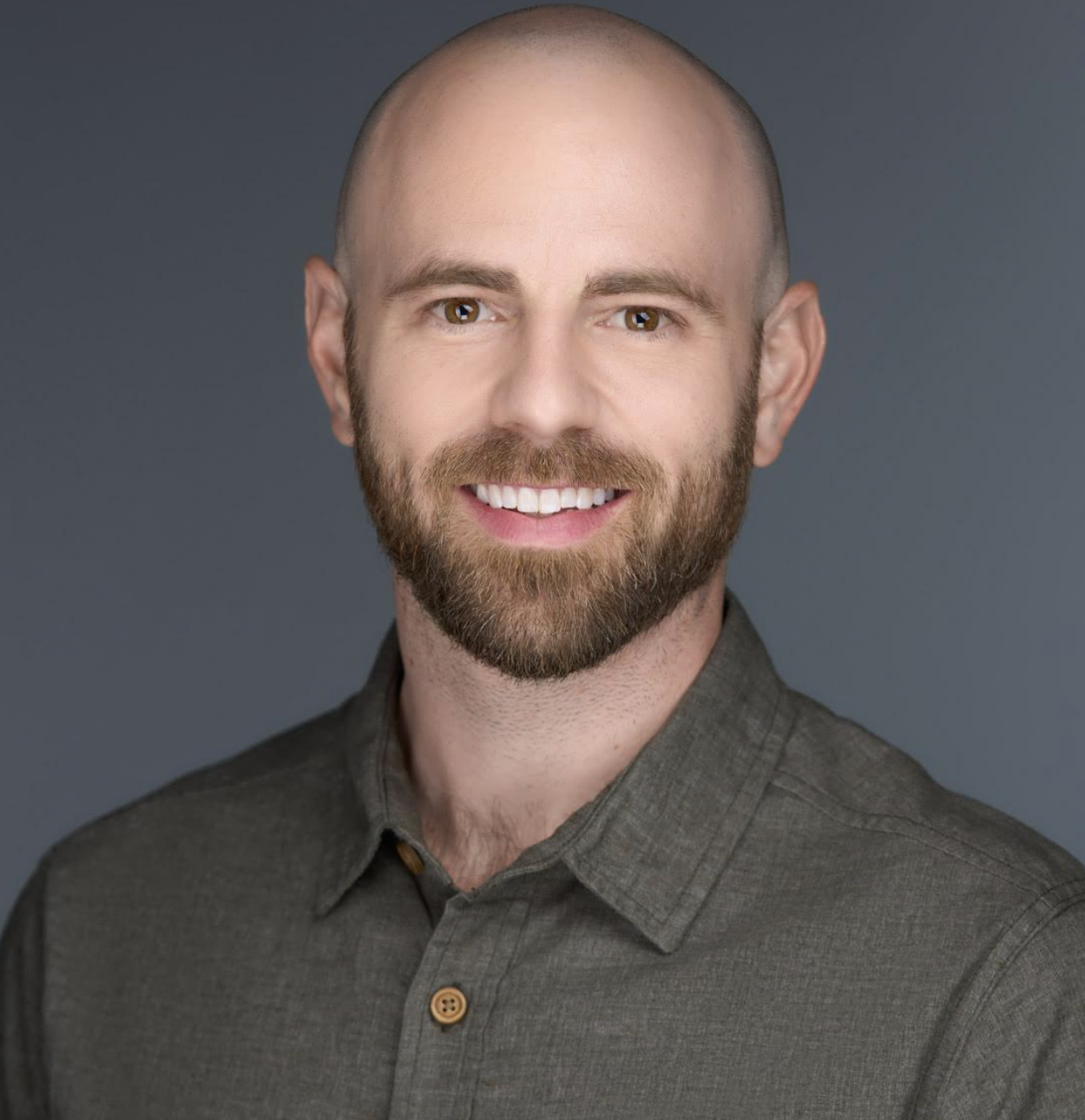
Jorge Tarraso, Ph.D., is the head of client experience at Libretto, a powerful advice platform that unifies planning, total wealth portfolios, and risk management for RIAs.
Important disclosure: This article is being provided for informational purposes only and nothing contained herein should be considered, or is, investment advice or a recommendation to buy or sell any securities. Libretto is an SEC-registered investment advisor; however, such registration does not imply a certain level of skill or training and no inference to the contrary should be made. Libretto provides advisory services to registered investment advisors and other professional advisors and does not advise individual clients.
A message from Advisor Perspectives and VettaFi: Discover something new! Click here to register for our upcoming webcasts.
Read more articles by Jorge Tarraso
 Advisor Perspectives welcomes guest contributions. The views presented here do not necessarily represent those of Advisor Perspectives.










