Going public used to be a sign that a company had made it. In the last decade or so, however, IPOs started to become a little … cringe. That could change this year, as initial public offerings seem poised for a comeback — which in turn could provoke a long-overdue reckoning not only for tech optimism but also for private markets.
IPOs in 2026 could be big and splashy, such as SpaceX, OpenAI and Anthropic, as well as smaller and quieter, with many lesser-known technology firms also filing. In some ways this is an encouraging sign. More IPOs suggest confidence in the market and the tech sector, and it’s good for the economy when the best, fastest-growing companies are available to investors in the public markets. But there is also a less optimistic take.
After years of low activity, as much as $2.9 trillion worth of private companies are expected to go public this year. This would mark a departure from the 21st century’s trend of fewer companies going public.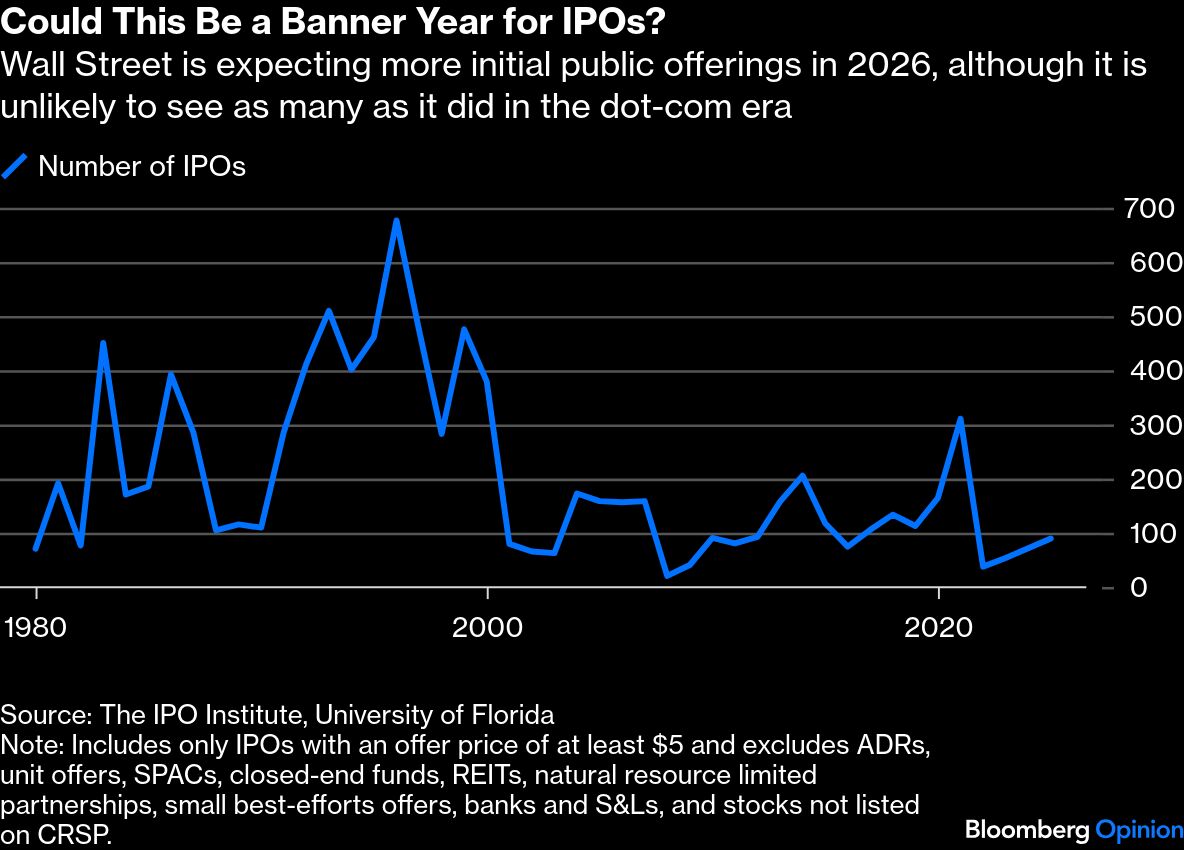
There are several reasons for the decline of IPOs. Regulations such as 2002’s Sarbanes-Oxley Act increased the costs of being a public company. Another possible explanation is that, in a technology-driven and more globally competitive environment, companies need to scale up faster. In that case, it makes more financial and strategic sense to be acquired rather than grow yourself. Another factor is the phenomenal growth of private markets, which are now worth more than $16 trillion. Private equity assets alone have increased more than six-fold since 2004. These funds offer a ready form of capital without the regulatory burdens of being public.
Even considering these long-term trends, the last few years were an exceptionally bad time for IPOs, as companies stayed private for longer or never bothered going public at all. But the reasons may be more cyclical than structural. Higher interest rates meant lower valuations and lower payouts, which may have further discouraged going public. 2025 was supposed to be a big year for IPOs, but uncertainty around rates and tariffs further discouraged new activity.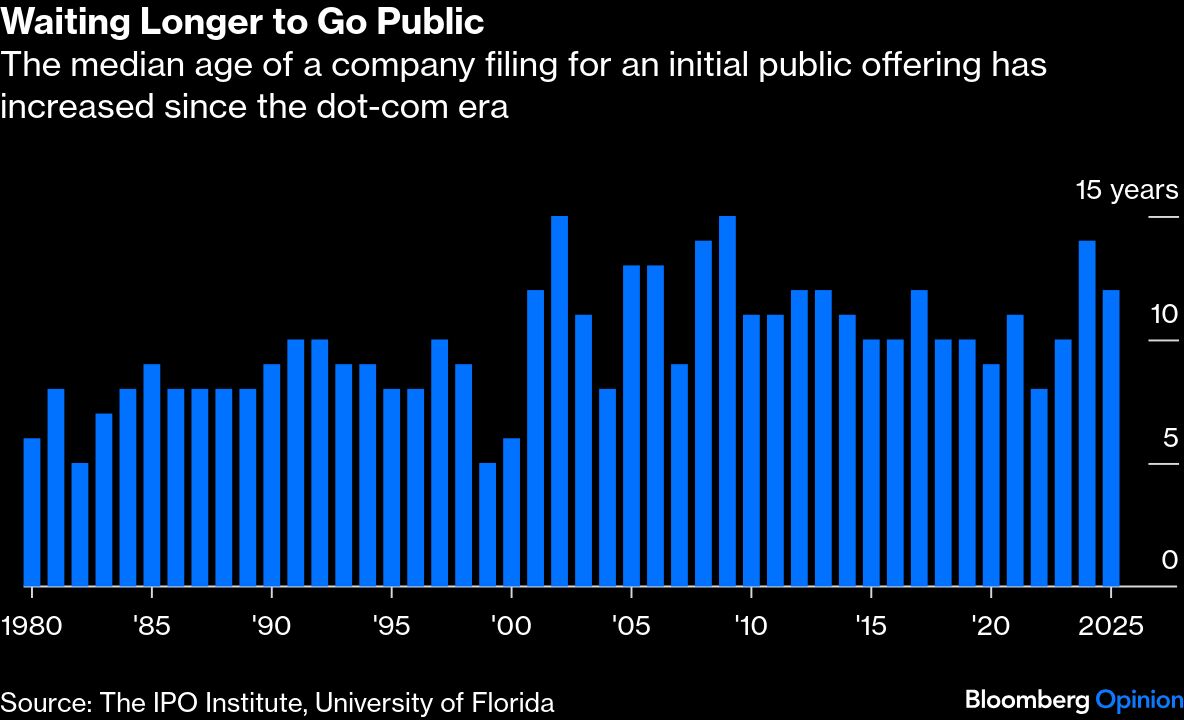
Now 2026 promises lower short-term rates, even if higher long-term rates are here to stay. In either case, there is some pent-up demand for IPOs and an acceptance of a new rate environment.
There are also reasons to think this could be bigger than a cyclical resurgence in IPO activity. Private funds are under more pressure to start providing actual returns to their investors, such as pension funds that need to pay their benefits and endowments that now face higher taxes. Private funds have been avoiding exits from some of their investments because of the uncertain economic and market environment. But the funds can hold out for only so long, especially as more investors demand cash. If faster exits start to become more common, the US could see more IPOs than there were in the 2010s, though a return to 1980s numbers is still unlikely.
The hope is that this year’s 2026 IPO boom will signal a growing economy with great investment opportunities. Many of the expected IPOs are in fintech, health tech, digital assets and defense contracting.












