Artificial intelligence might be the most transformative technology ever devised. Exactly how its effects will work through the economy is impossible to say, but serious disruption of one kind or another seems likely. Millions of jobs — in the end, maybe most jobs — could radically change, and many will disappear entirely.
How should economic policy respond? One approach gaining support is to slow the displacement of workers with new taxes on AI services and investments. The challenge these proposals aim to address is real — but trying to hold back the tide is the wrong answer.
Most fundamentally, innovation raises productivity, which in turn makes higher living standards possible. AI’s potential for boosting productivity is enormous precisely because it threatens great disruption. Slowing its introduction makes no more sense than efforts to delay electrification would’ve made in the 1880s. Not to mention that if the US deliberately hinders adoption of the technology while other countries move ahead, it will be choosing not just slower growth but also accelerating decline relative to its leading competitors.
More measured advocates of taxing AI say the point is not to hold innovation back, but to make it more pro-worker. In theory, this idea rests on a valid distinction: between AI that augments human labor, hence raising its productivity, and AI that simply automates human labor out of existence. In practice, though, designing a policy that acts wisely on this difference is all but impossible.
Automation and augmentation intersect. Most jobs are bundles of tasks. Automating any one of them lets workers devote more time to others or to new tasks altogether. In such cases, automation and augmentation go hand in hand: You can’t block one and not the other. In addition, the AI revolution is too new for anyone to predict the demand for specific workers or skills, making efforts to direct it impractical. Again, ask whether policymakers in the 19th century could’ve taxed investment in electrification in such a way as to improve its labor-market outcomes. Except in theory, the idea is absurd.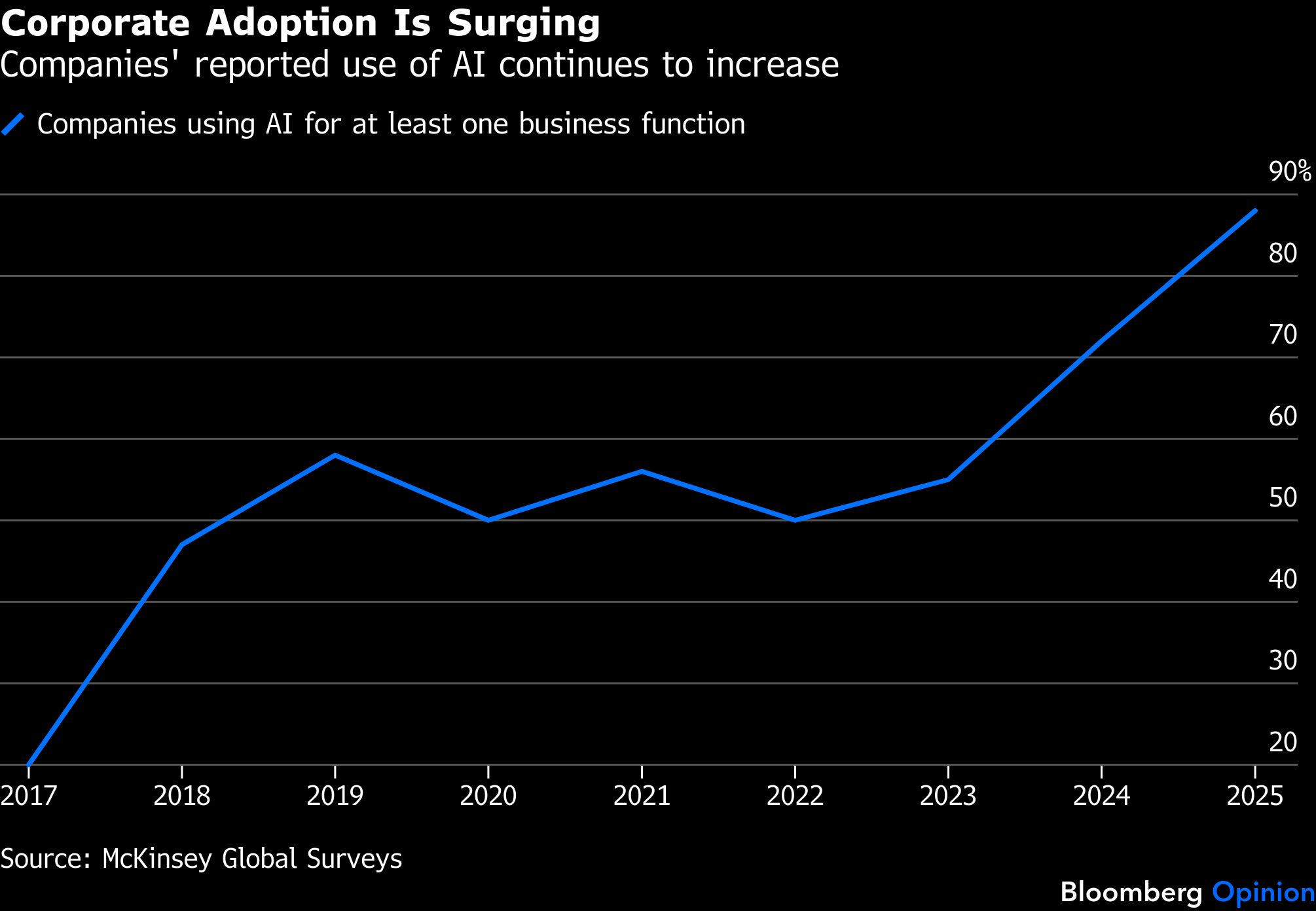
None of this is to deny that AI might displace many jobs and eventually whole categories of employment. In addition, the recent scale of investment in AI and the infrastructure needed to support it promise extraordinarily fast adoption — threatening, in turn, especially abrupt shifts in labor demand. Policymakers certainly ought to focus on this. But rather than resisting AI investment or trying to redirect it, they should be helping affected workers to adjust, adapt and share in the benefits.












