Jefferies Says Investors Boost ‘Nuclear Exposure’: ESG Investing
Membership required
Membership is now required to use this feature. To learn more:
View Membership BenefitsAlmost two-thirds of fund managers permit some level of “nuclear exposure,” with 34% allowing investments in nuclear weaponry, according to Jefferies Financial Group Inc.’s fourth-annual ESG and defense survey.
The report finds that many money managers have loosened policies in recent years to become more receptive to defense investments. Still, 38% prohibit holding stakes in companies involved in manufacturing nuclear weapons.
“Nuclear is increasingly investable, but it remains the most contentious boundary,” Jefferies analysts wrote in a report published Friday. Where investors permit exposure, they often rely on rule-based constraints tied to alliances or treaties rather than fully endorsing the sector, the analysts said.
Most respondents also expect investors to boost allocations to aerospace and defense companies. Jefferies cited clearer policy signals, rising defense spending and the growing importance of dual-use technologies as factors lowering barriers to investment.
Defense stocks have rallied since Russia’s invasion of Ukraine in February 2022, and the number of environmental, social and governace equity funds with exposure to the nuclear-arms industry has steadily risen. The S&P Global 1200 Aerospace & Defense Index has soared 128%, including reinvested dividends, since Russia’s attack, outperforming the 85% advance of the S&P 500 Index.
Jefferies surveyed about 60 financial-market specialists, mainly money managers and analysts.
NEWS ROUNDUP
- Energy Bets | Investment firms for the world’s ultra-rich broadened their allocations to petroleum, gas and renewable energy companies in the first quarter as the conflict in Iran sent oil prices surging.
- Quarterly Inflows | Global sustainable funds posted first-quarter net inflows of $3.5 billion, led by Europe, reversing withdrawals of $27 billion in the previous three-month period, Morningstar reported.
- Market Flaws | Dubious Chinese carbon projects are exposing the depth of the European market’s flaws.
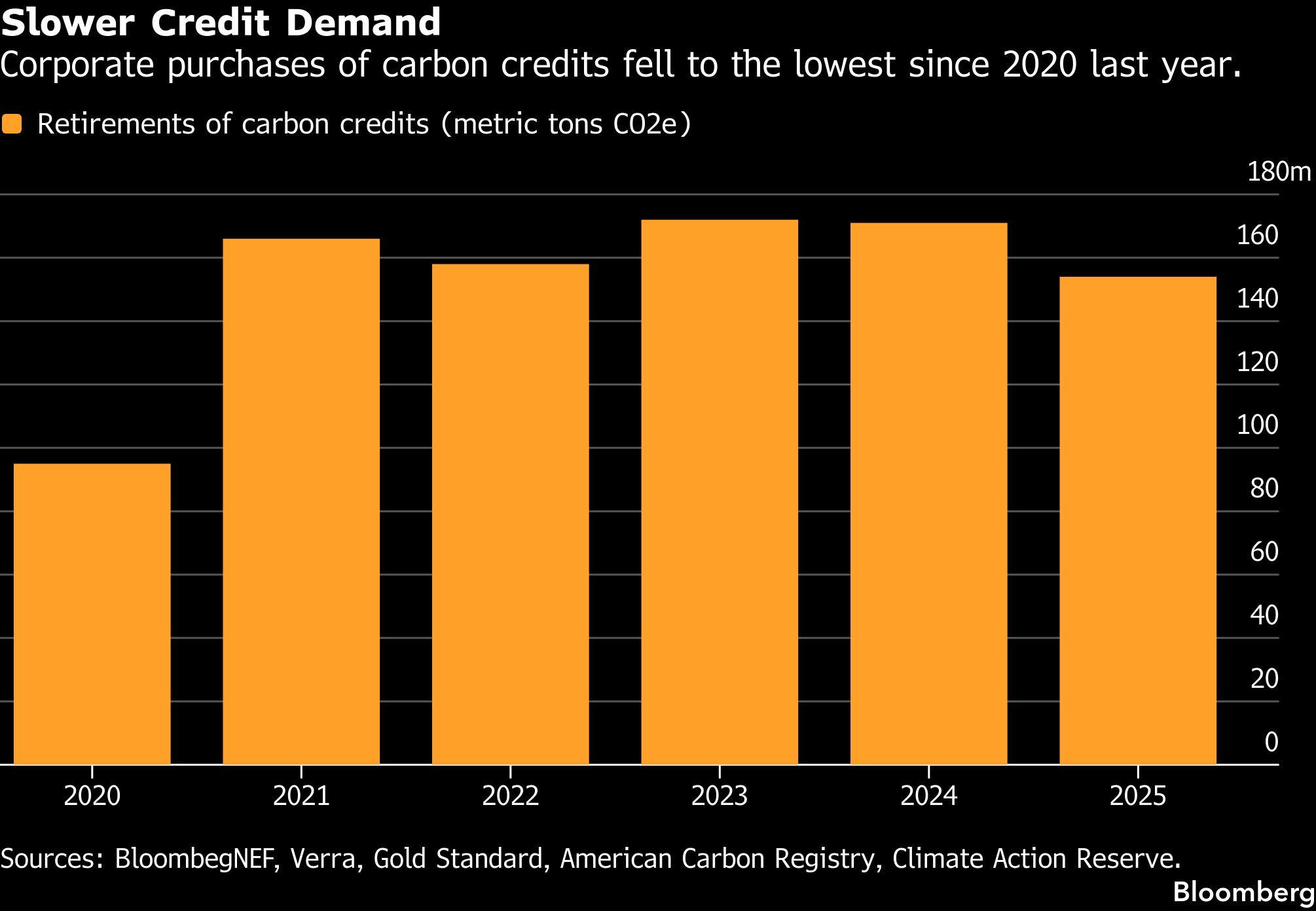
- Carbon Credits | Tencent Holdings Ltd. and Contemporary Amperex Technology Co., two of China’s most valuable companies, are joining a new initiative intended to bolster corporate demand in the slowing market for carbon credits.
- Net Zero | The concept of net zero may be under siege in the US, but shareholders still worry that companies abandoning their emissions targets will be punished by markets, according to analysts at UBS Group AG.
- Green Fees | For a fifth straight year, Wall Street’s biggest banks are making more money arranging bonds and loans for environmentally friendly projects than for fossil-fuel companies.
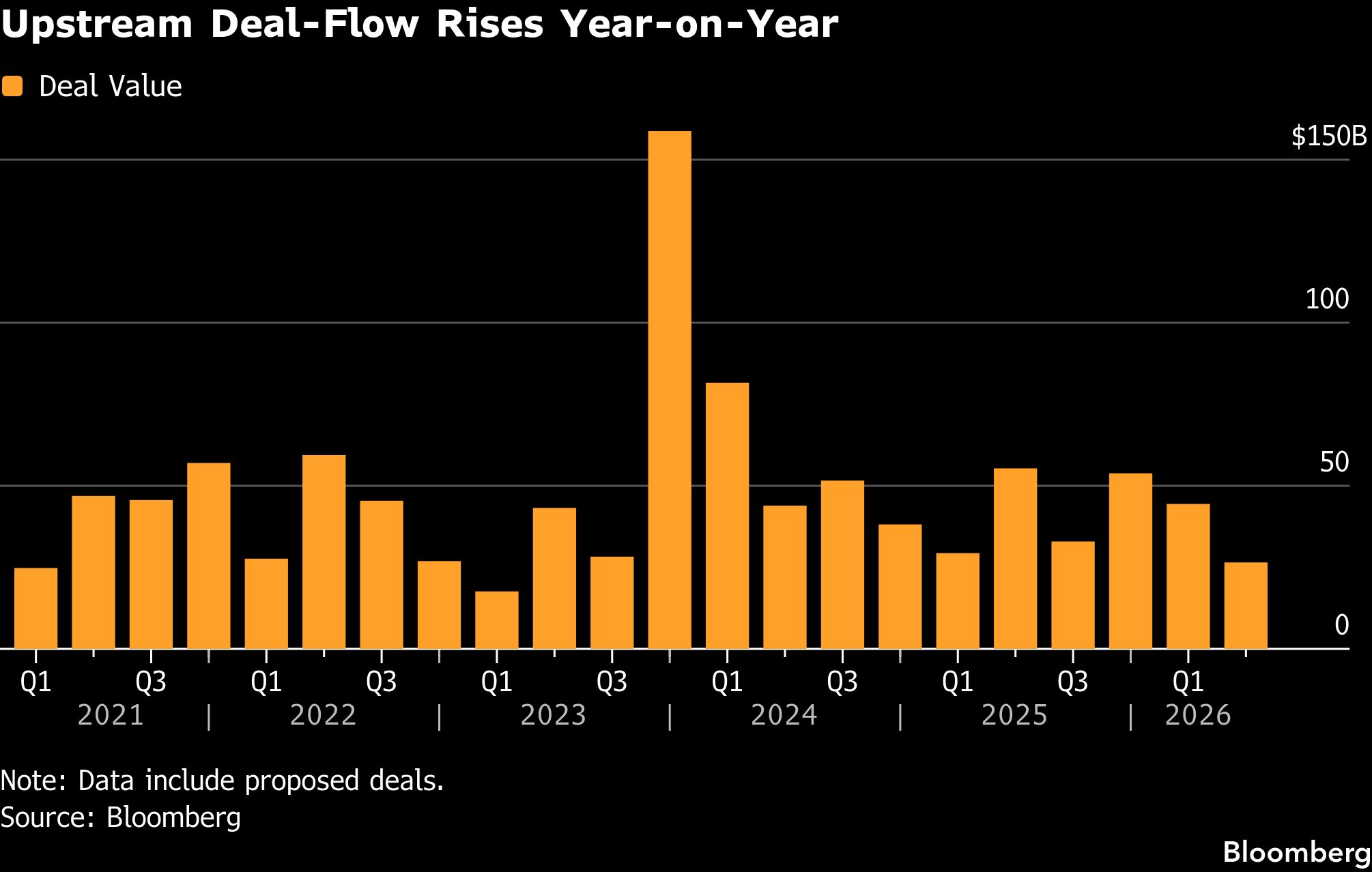
- M&A | US private equity firms are shopping more than a half-dozen closely held oil and gas companies in Texas, Colorado and elsewhere that together are worth about $20 billion, after the Iran War pushed crude above $100 a barrel.
- Fund Standoff | As Boaz Weinstein’s hedge fund takes on one of the highest-profile environmental investment trusts in Britain, the standoff is morphing into a particularly brutal moment for ESG.
- Questioning Pledges | Activist investors are pushing technology companies to explain how they’re reconciling surging electricity demand for AI with their climate commitments.
- Cat Bond | The World Bank priced a new catastrophe bond designed to help Jamaica cope with the threat of hurricanes.
- ESG Debt | ESG-labeled bonds last week grabbed their biggest share of Europe’s primary market in more than a year, as a burst of corporate issuance pushed such debt sales to 35% of total supply.
REGULATION
- Whistleblower Case | The US Supreme Court let stand a $194 million award against Eli Lilly & Co. in a whistleblower suit accusing the company of engaging in Medicaid fraud by misreporting its drug prices.
- Carbon Offsets | The Financial Accounting Standards Board has published final guidance that aims to streamline how businesses report carbon offsets, renewable-energy certificates and other credits in their financial statements.
- Revamped Model | The Science Based Targets initiative, the world’s largest verifier of corporate climate goals, is updating its approach to give greater recognition to the challenges companies face in decarbonizing.
- Loan Books | Frank Elderson, a member of the European Central Bank’s executive board, said new research on how the degradation of nature may hit banks’ loan books will soon be published.
- French Proposal | France wants incoming ESG fund rules to be adjusted so that sustainable investors don’t need to exclude key energy producers, according to a draft proposal.
BLOOMBERG RESEARCH
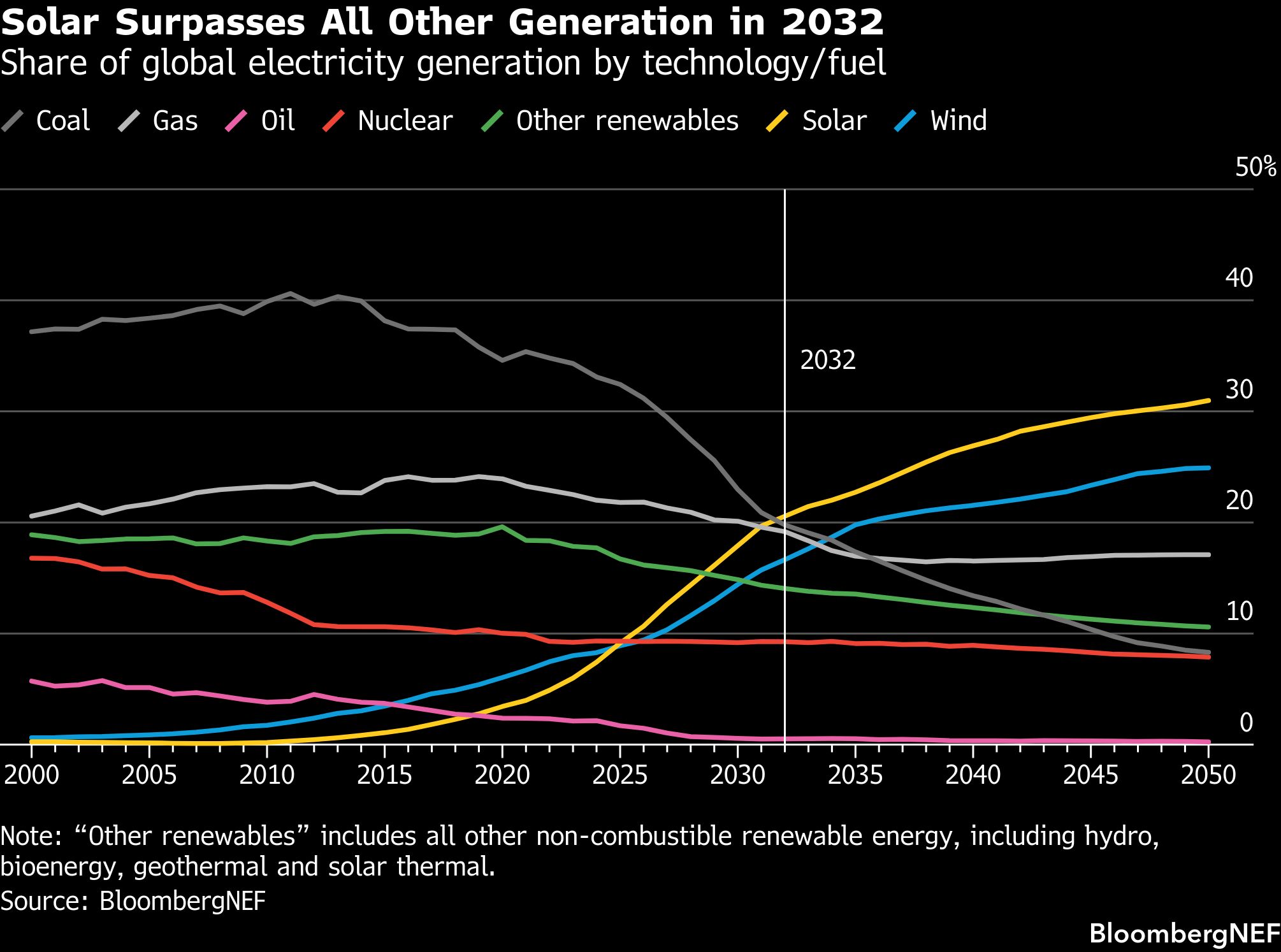
- Solar | Solar will generate more electricity than any other source of energy worldwide by 2032 as costs of photovoltaic panels fall and more projects make economic sense. (BloombergNEF)
- AI Spending | An unprecedented $4 trillion “Big Tech AI spending wave” is redefining the global energy landscape. Power demand from US data centers will double to almost 600 terawatt-hours by 2030, reaching 14% of national power use, while European data-center loads double to 6%. (Bloomberg Intelligence)
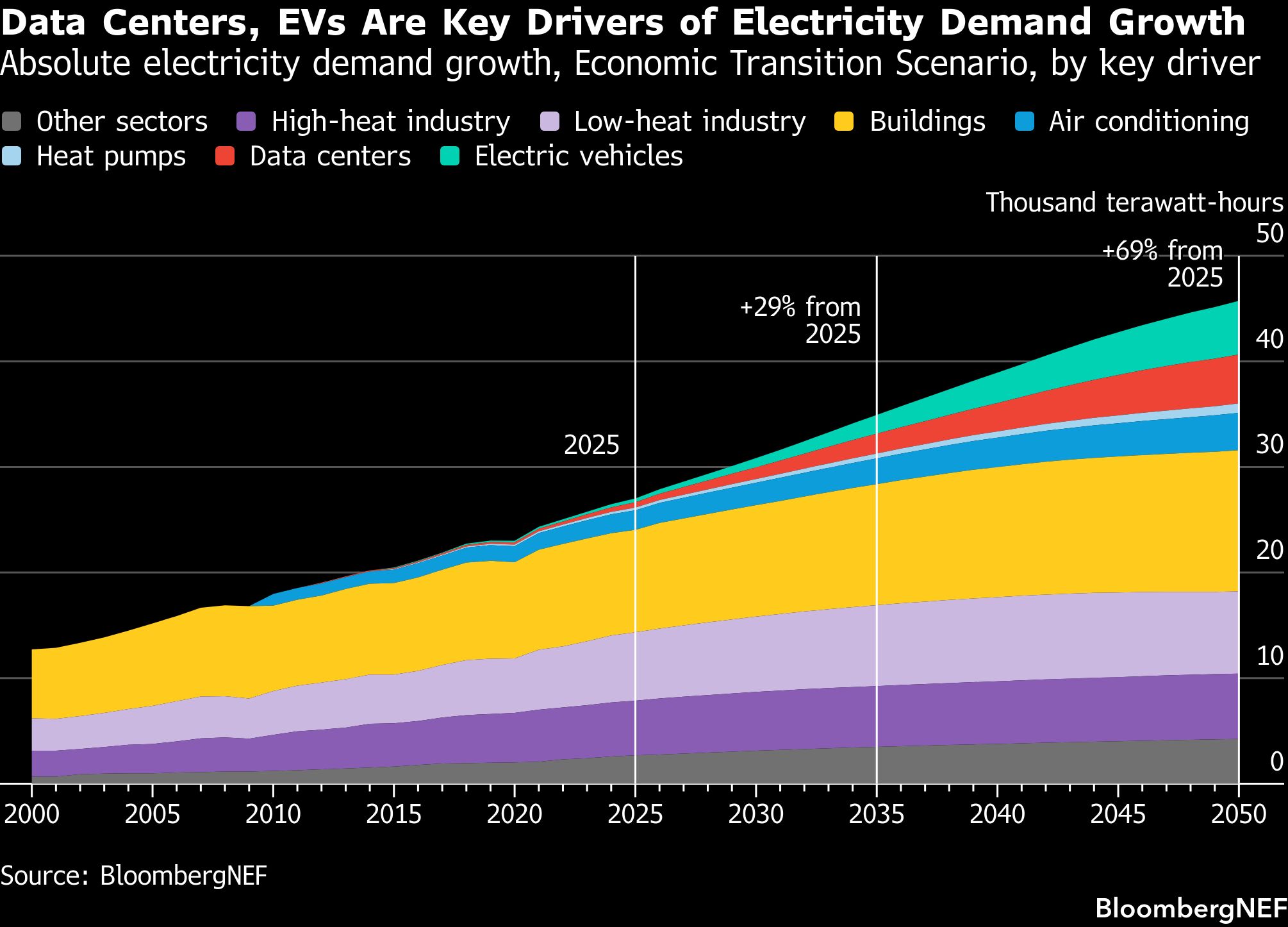
- Power Demand | Data centers, electric vehicles and air conditioning will drive a surge in power demand in the next few decades, ushering in a shift not only in sources of new demand but also in how those needs are met. (BNEF)
- Cocoa | Deforestation rules are driving a $200-per-ton cocoa-supply premium. (Bloomberg Intelligence)
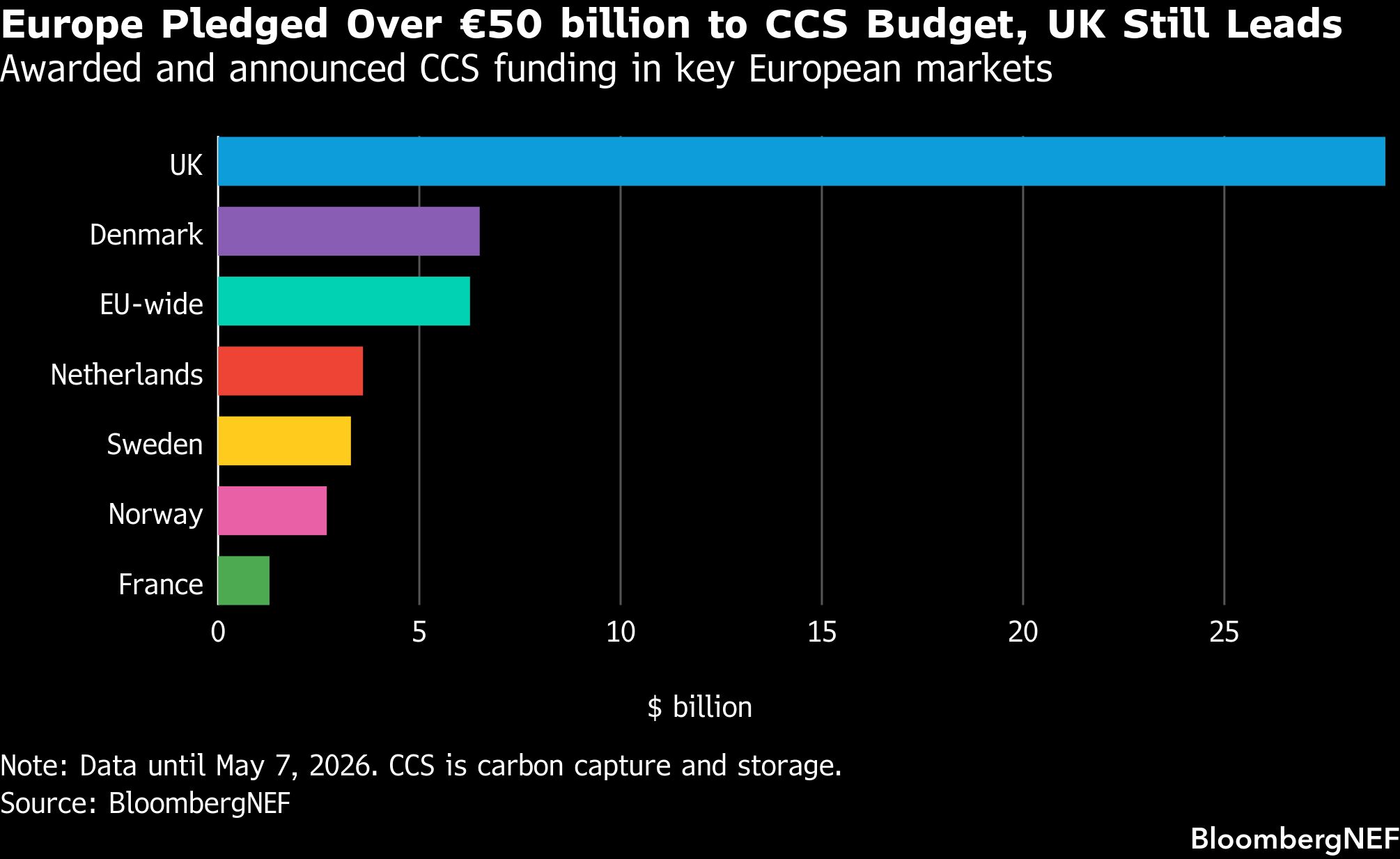
- Carbon Capture | Europe’s tracked budget commitments for carbon capture and storage now exceed €50 billion ($58 billion), following announcements from France and Denmark. (BNEF)
- Clean Jet Fuel | International Consolidated Airlines Group SA, Air France-KLM, DHL Group and Deutsche Lufthansa AG consumed 45% of clean jet fuel last year. (BNEF)
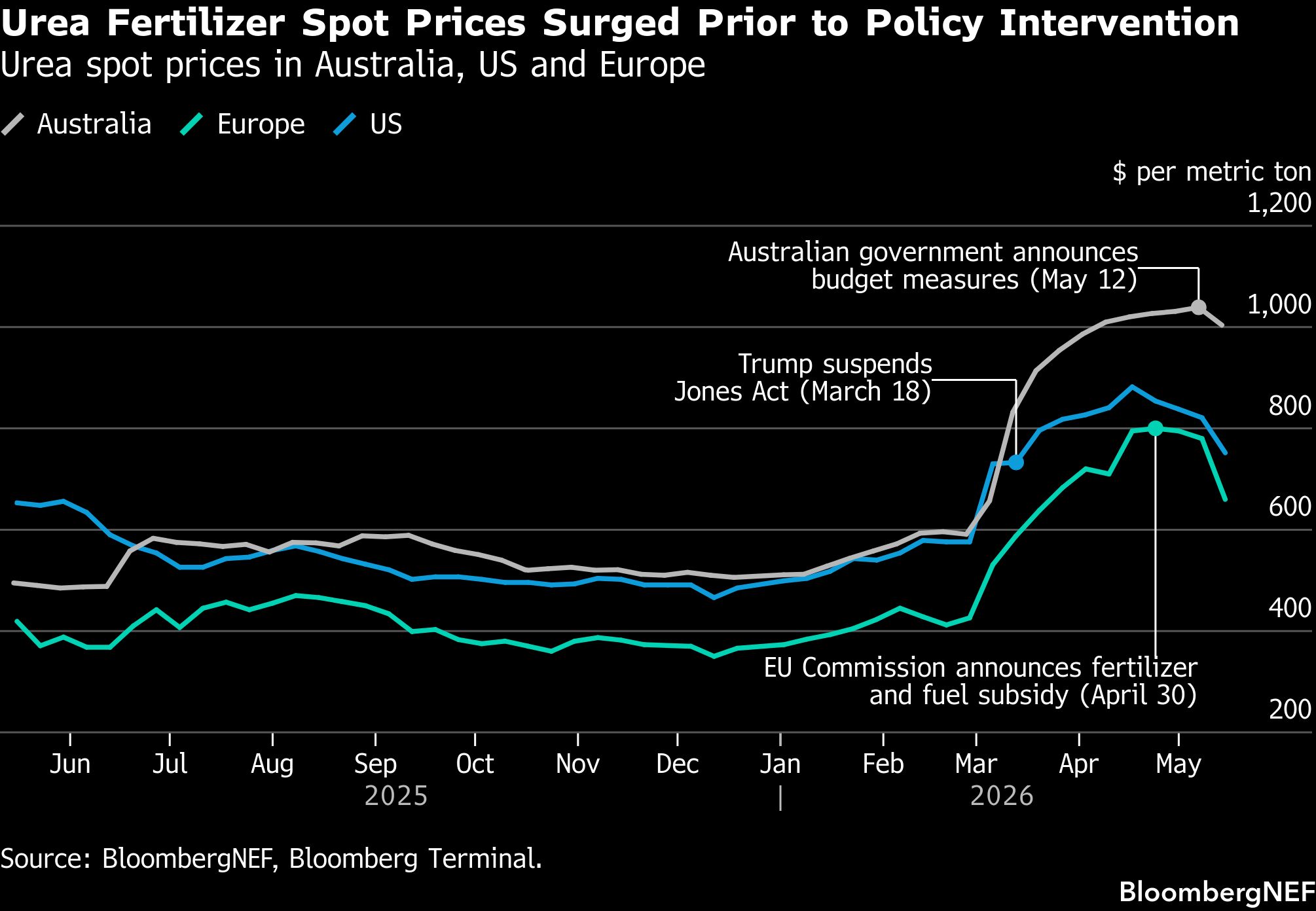
- Fertilizer | Emergency measures across major agricultural markets, including subsidies and temporary shipping-rule waivers, underscore growing concern about fertilizer supply security amid disruptions in the Strait of Hormuz. (BNEF)
- Battery Metals | Lithium prices continued to climb in April, pushed higher by supply risks linked to a regulatory crackdown in mainland China, constraints on diesel access in Australia and robust demand. (BNEF)
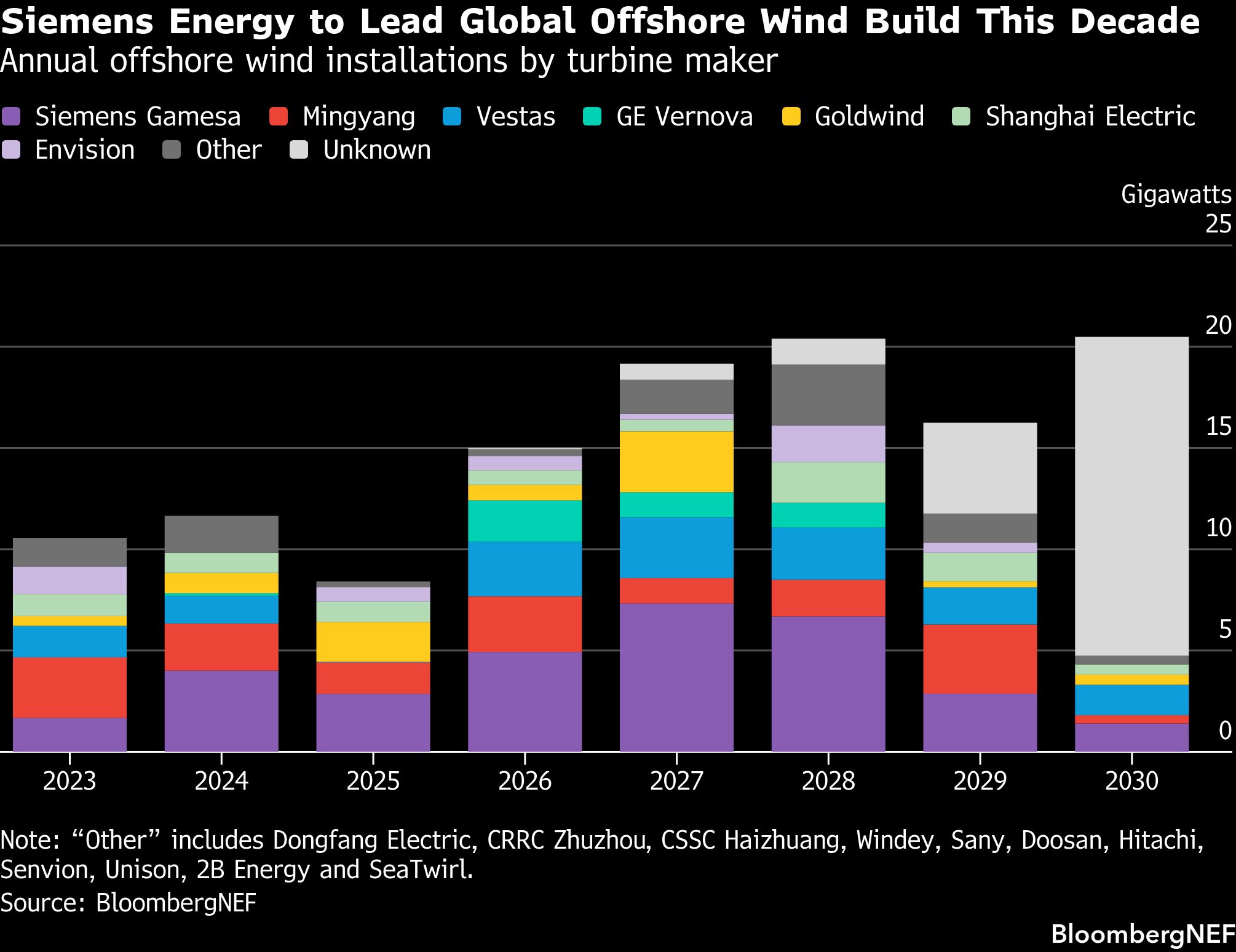
- Wind Power | Siemens Gamesa Renewable Energy SA is set to extend its offshore-wind lead through at least 2028 as markets outside China surge. (BNEF)
BLOOMBERG OPINION AND ANALYSIS
- BP Departure | BP Plc’s screwup is outweighed by its hedge fund backer, wrote columnist Javier Blas.
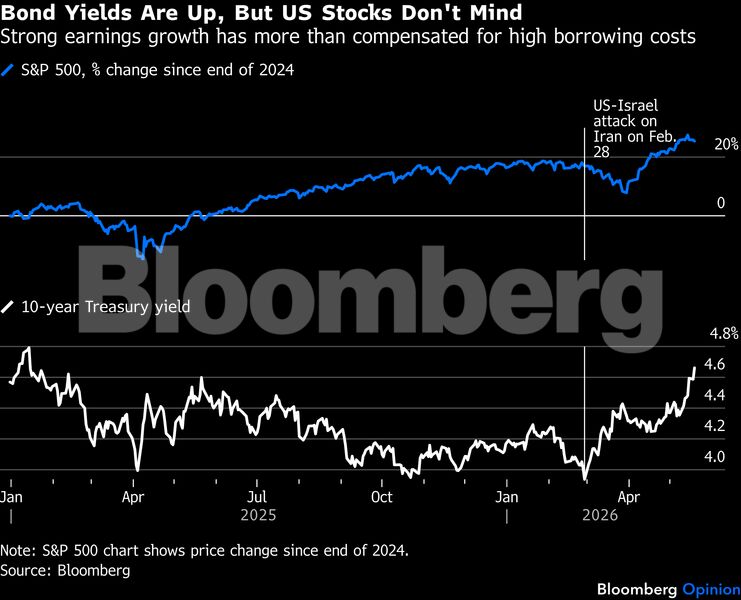
- Bond Yields | Higher bond yields may be painful for real estate and other rate-sensitive parts of the economy, but stocks can keep growing due to the strength of the investment boom driven by the artificial intelligence industry, wrote columnist Jonathan Levin.
- Train Truckers | Commercial-truck safety has become an even hotter topic than usual after the Supreme Court ruled this month that freight brokers can be held liable in an accident involving a carrier hired by a broker, wrote columnist Thomas Black.
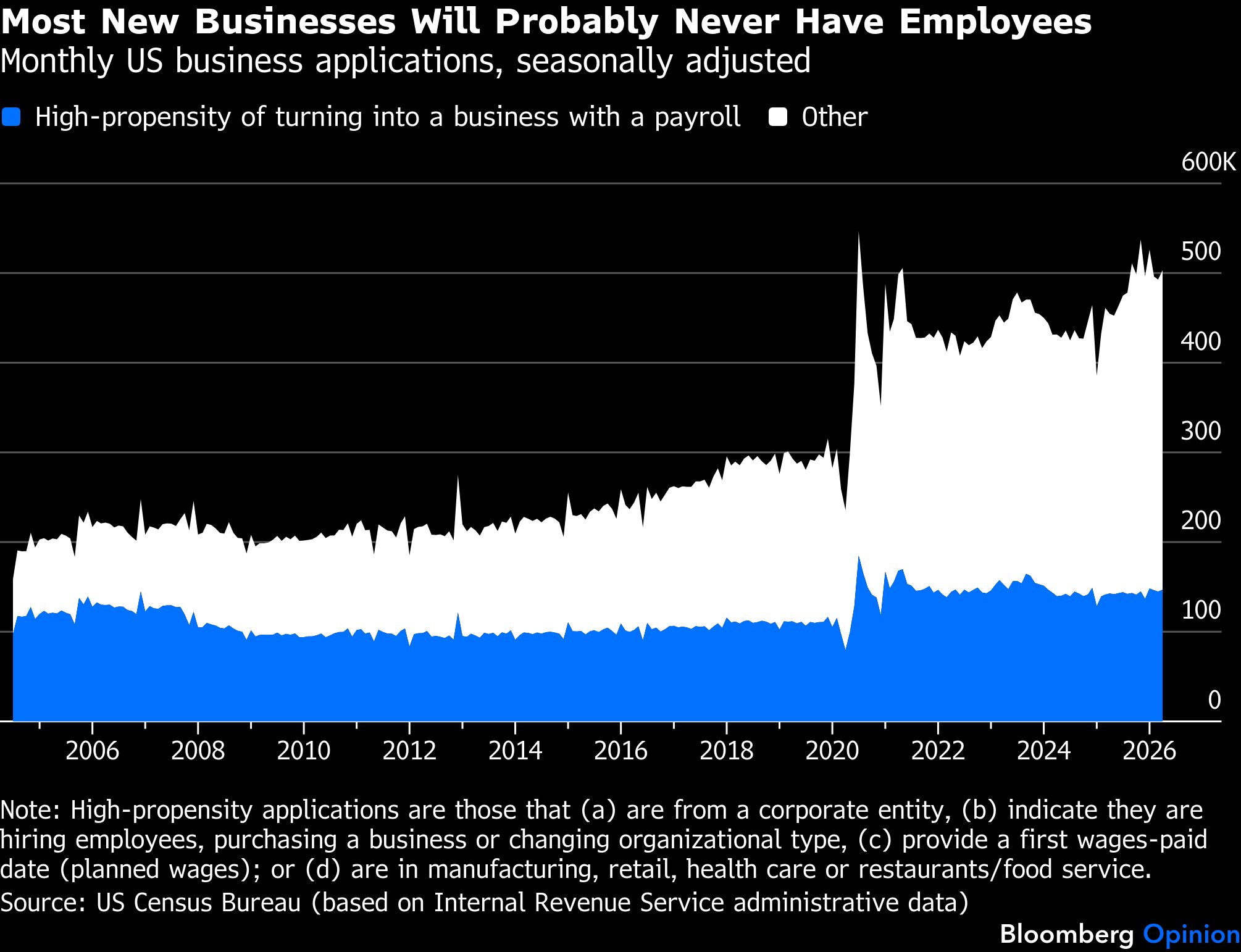
- Shrinking | New businesses in the US are shrinking, with most not aiming for significant growth and not providing full-time work even for their founders, wrote columnist Justin Fox.
- Battery Buffs | Australian households are making money by using their home solar-and-battery setups to sell power back to the grid when prices are high, wrote columnist David Fickling.
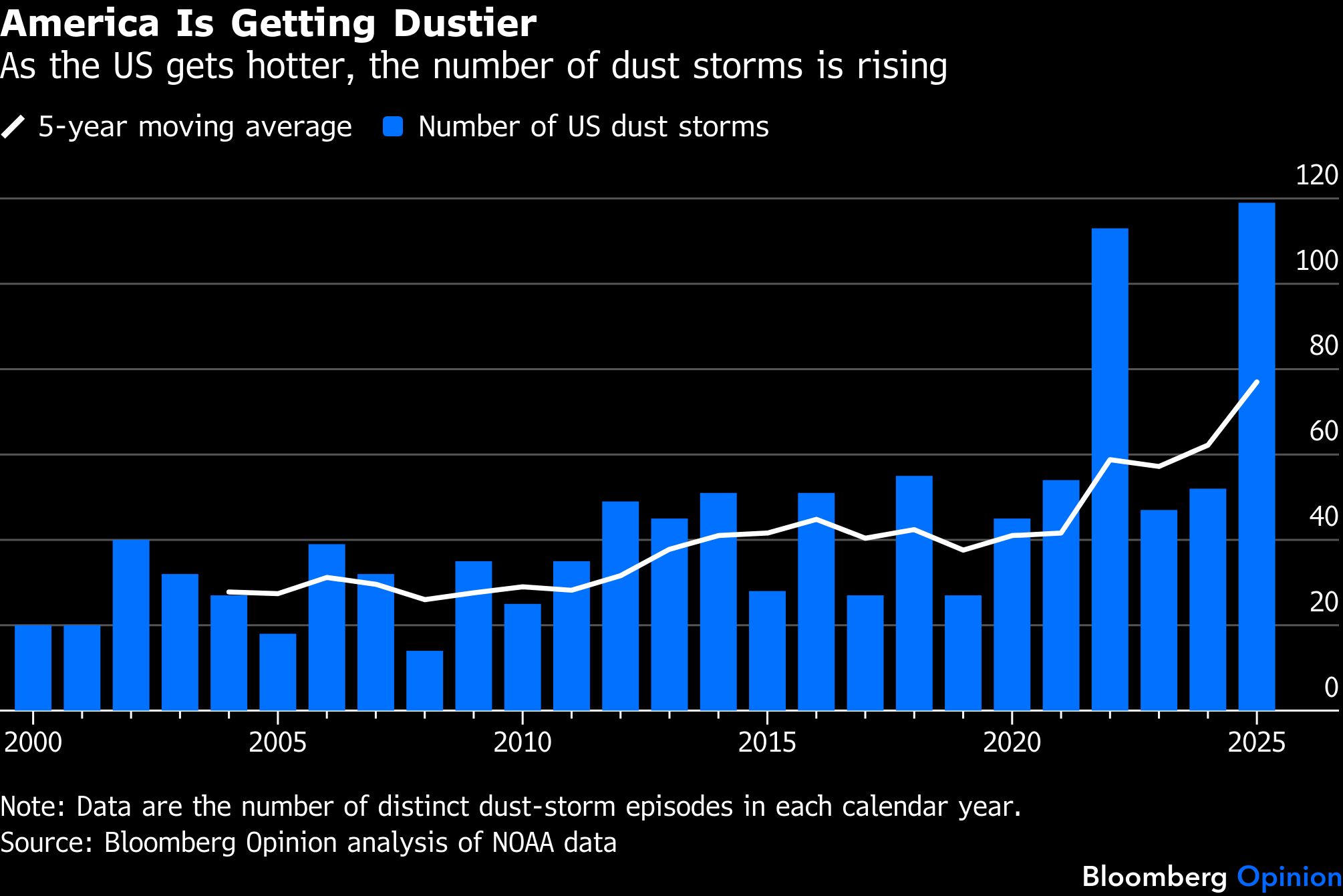
- Dust Storms | Dust emissions and wind erosion inflict economic damage of $154.4 billion a year in the US, and also have costly effects on human health, including worsening asthma and other breathing problems, wrote columnist Mark Gongloff.
- Carbon Emissions | If paying for carbon emissions is a tough sell, paying for someone else’s is a provocation and that seems to be happening in a small corner of the US electricity market, wrote columnist Liam Denning.
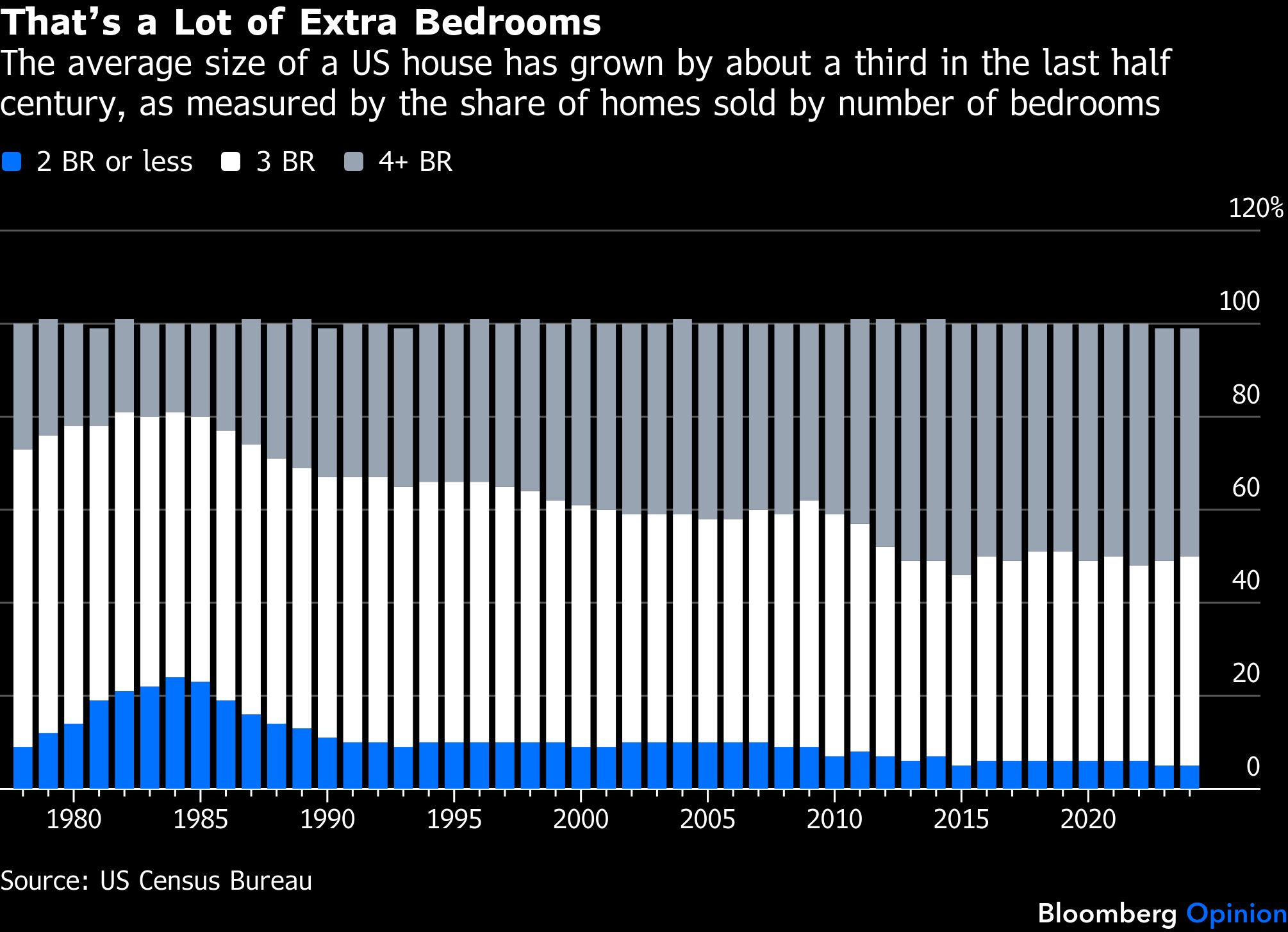
- Smaller Houses | The key to making housing more affordable is building smaller starter homes that people can afford, and changing preferences so people want to live in them, wrote columnist Allison Schrager.
FUNCTIONS FOR THE MARKET
Nvidia: A Bargain? | Nvidia Corp. is facing a classic sell-the-news reaction to its stellar earnings. The resulting cheaper valuation may be appealing to long-term buyers.
- Despite delivering another strong earnings beat, Nvidia fell 1.8% on Thursday after a significant pre-earnings runup.
- This familiar pattern indicates short-term profit-taking may prevail, while investors hold out for the next major catalysts, including faster Blackwell ramps and higher demand signals from hyperscalers.
- Nvidia’s forward price-to-earnings valuation has declined meaningfully in 2026 relative to high-growth peers, perhaps enhancing its attractiveness to discerning investors.
- Run Bloomberg’s ASKB, MODL, ERN and GF functions for analysis. Run NSUB FFMSTORY to subscribe to functions-based stories.
ESG-FOCUSED FIXTURES
Subscribe to our ESG newsletters at the top of each story or via NSUB ESG.
- For the ESG Daily newsletter, click here.
- For the Green Daily newsletter, click here.
- For the weekly wrap of ESG bond sales, click here.
A message from Advisor Perspectives and VettaFi: Discover something new! Click here to register for our upcoming webcasts.
Bloomberg News provided this article. For more articles like this please visit bloomberg.com.
Membership required
Membership is now required to use this feature. To learn more:
View Membership BenefitsSponsored Content
Upcoming Virtual Events View All












