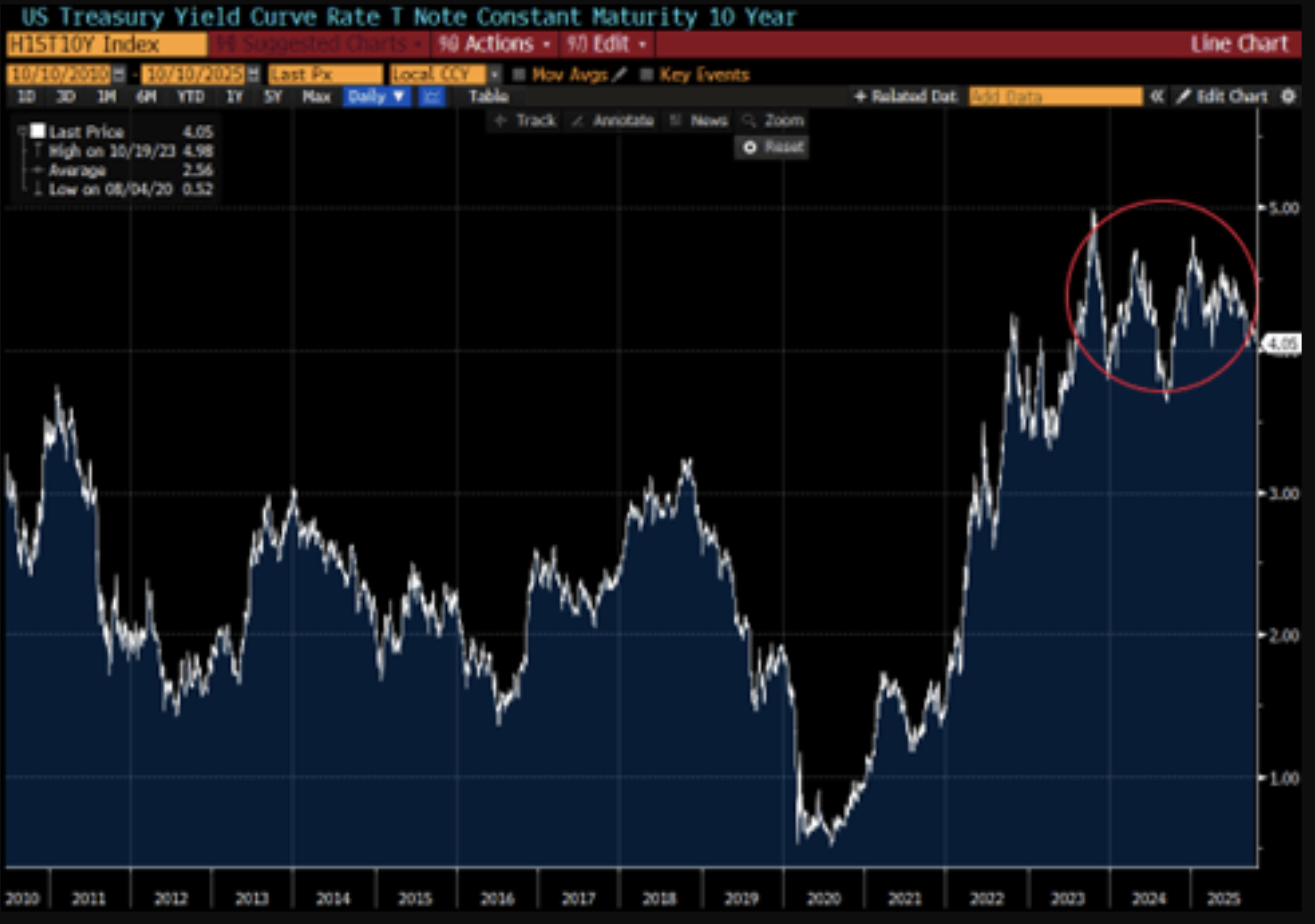
Markets are fluid and unpredictable. Fixed income products offer many features that can alleviate uncertainty; however, changing market dynamics can alter the optimal fixed income strategies at any given moment. What enhances an investment portfolio today might be very different tomorrow. This commentary focuses on the opportunities the current markets offer investors today.

Extension swaps involve selling lower-duration bonds and reinvesting out on the curve or increasing duration. As with any swap, there is a tradeoff. Extending out on the curve adds interest rate risk. The longer a bond has until it matures, the more time it is exposed to economic occurrences. The benefits can outweigh the risks for many investors. Extending reduces reinvestment risk. Currently, many yield curves are steep or upward-sloping, rewarding investors with additional yield as they extend out in maturity. This can lock cash flow streams and income in for longer, both of which are positive attributes in an elevated-interest-rate environment. Typically, investors use high-quality, investment-grade bonds when extending because credit is good and defaults are normally low. Helping preserve capital while earning substantial income has made this one of the more popular fixed income strategies in this market environment.
Rebalancing asset allocations may also be a strategy to consider. The stock market has been on a steady upward trend. This has allowed investors to secure significant capital appreciation and bring growth assets (stocks) and preservation assets (bonds) back in balance. The base holdings of growth assets remain intact, potentially benefiting from additional stock growth. At the same time, growth or profits shift to less risky bonds that also capture the current market's elevated yields. This strategy has proven successful not only in capturing stock profits but also in real estate or other appreciated asset profits.
There is an enormous amount of cash, money markets, and short-term certificates of deposit in the marketplace. ICI Money Market Fund Assets alone total over $7.3 trillion. The Fed lowered the Fed Funds rate by 25 basis points this month and seems poised to lower it another two times or a total of 50 basis points more by year’s end. This policy change is intended to bring it to a neutral stance. It affects short-term rates directly and may or may not have the same effect on longer-term rates. As such, many holders of cash or short-term assets are taking the opportunity to lock in elevated income levels with higher-duration fixed-income assets. Holding money-market investments has been easy and productive while the shortest end of the yield curve has remained inverted. The Fed’s actions will likely normalize the curve back to a fully upward-sloping shape by lowering short-term rates more quickly than longer-term rates move.
There are many market opportunities, some of which may be appropriate and favorable for your long-term investment portfolio strategy. Contact your Raymond James financial advisor to explore possibilities aligned with your personal goals and situation.
The author of this material is a Trader in the Fixed Income Department of Raymond James & Associates (RJA), and is not an Analyst. Any opinions expressed may differ from opinions expressed by other departments of RJA, including our Equity Research Department, and are subject to change without notice. The data and information contained herein was obtained from sources considered to be reliable, but RJA does not guarantee its accuracy and/or completeness. Neither the information nor any opinions expressed constitute a solicitation for the purchase or sale of any security referred to herein. This material may include analysis of sectors, securities and/or derivatives that RJA may have positions, long or short, held proprietarily. RJA or its affiliates may execute transactions which may not be consistent with the report’s conclusions. RJA may also have performed investment banking services for the issuers of such securities. Investors should discuss the risks inherent in bonds with their Raymond James Financial Advisor. Risks include, but are not limited to, changes in interest rates, liquidity, credit quality, volatility, and duration. Past performance is no assurance of future results.
Investment products are: not deposits, not FDIC/NCUA insured, not insured by any government agency, not bank guaranteed, subject to risk and may lose value.
To learn more about the risks and rewards of investing in fixed income, access the Financial Industry Regulatory Authority’s website at finra.org/investors/learn-to-invest/types-investments/bonds and the Municipal Securities Rulemaking Board’s (MSRB) Electronic Municipal Market Access System (EMMA) at emma.msrb.org.
J.D. Power 2025 U.S. Investor Satisfaction Study, which measures overall investor satisfaction with investment firms, was released 3/20/25, based on investors surveyed 1/24-12/24, who may be working with a financial advisor. Based on 7,876 responses from Advised Investors, 1 company out of 24 was chosen as the winner. The award is not representative of any one client’s experience, is not an endorsement, and is not indicative of an advisor’s future performance. The study is independently conducted, and the participating firms do not pay to participate. Use of study results in promotional materials is subject to a license fee. J.D. Power is not affiliated with Raymond James. For J.D. Power 2025 award information, visit jdpower.com/awards.
Links are being provided for information purposes only. Raymond James is not affiliated with and does not endorse, authorize or sponsor any of the listed websites or their respective sponsors. Raymond James is not responsible for the content of any website or the collection or use of information regarding any website's users and/or members.
© 2025 Raymond James Financial, Inc. All rights reserved.
A message from Advisor Perspectives and VettaFi: Gain exposure to the evolving digital asset landscape. Learn about CoinShares ETFs.
© Raymond James
Read more commentaries by Raymond James