A year ago, we were digesting a year of change elections. A majority of the world's population voted in 2024; incumbent candidates and their parties fared poorly. The world had just lived through a cycle of inflation, and voters took out their frustrations at the ballot box. To a marginal voter struggling to make ends meet, candidates promising improvements in affordability sounded appealing.
Special elections in the U.S. at the start this month have reinforced this point. Each race had local characteristics, and none were national referenda. The common message of many winning candidates was that prices are too high and need to be contained.
Policies to control prices, however, will be difficult to craft. Elected leaders have few levers to pull once in office. As fervor around affordability grows, we want to offer a review of past attempts to keep prices in check.
The U.S. endured a long and painful inflationary cycle throughout the 1970s. President Richard Nixon tried to arrest it through price controls, demanding temporary halts to all price and wage increases in 1971 and 1973. These actions dislocated markets. Farmers and ranchers elected not to raise crops rather than sell their wares at a loss; store shelves developed gaps; inflation did not abate.
Nixon's successor Gerald Ford took a softer tack, championing the "Whip Inflation Now" (WIN) campaign. The program encouraged households to be thrifty and retailers to limit price increases, hoping that reminders to tame inflation would lead to better outcomes. But WIN lapel pins could not influence commodities like the price of oil, the core of the inflation challenge at the time. The effort was a flop.
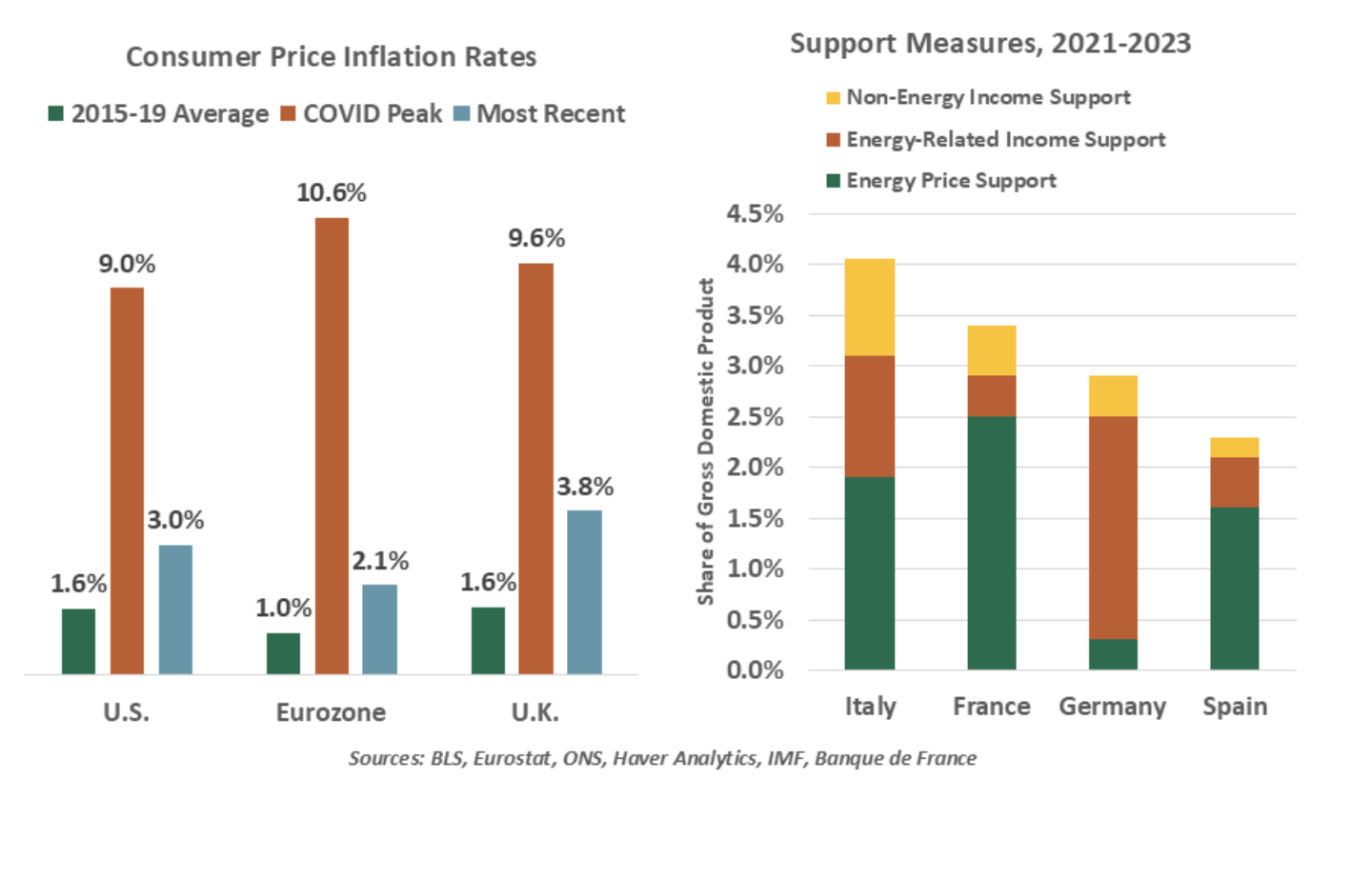
We are still reeling from the inflationary cycle that started the decade, sparked by COVID lockdowns, stimulus payments and the Russia-Ukraine conflict. Leaders around the world heard their constituents' concerns and tried to take action, but they again learned the limits of policy interventions.

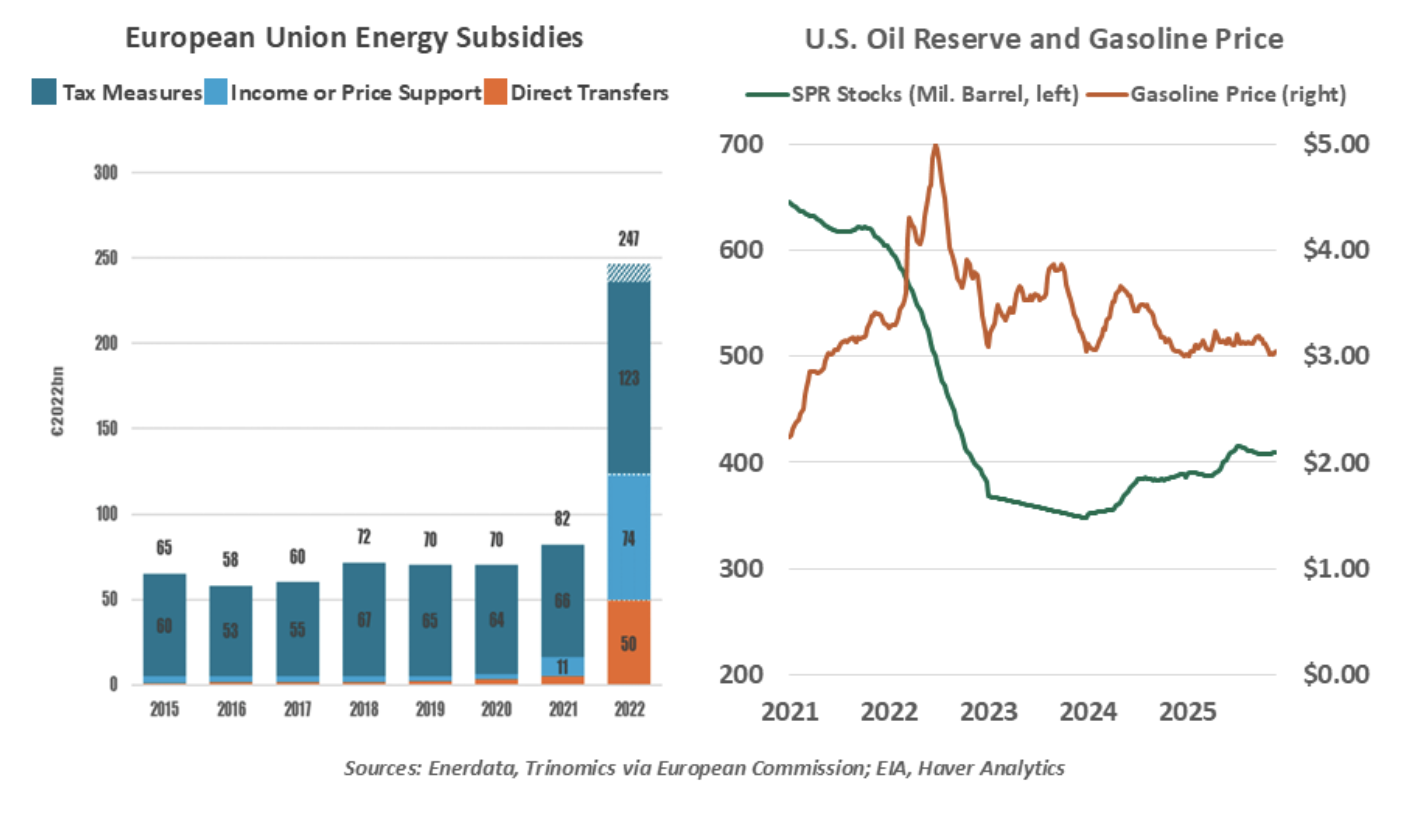
European nations undertook a host of measures to contain energy costs, the locus of inflation as Europe's supplies of Russian oil and gas were disrupted. Strategies included price caps for natural gas and electricity, windfall taxes on energy companies' higher revenues, and temporary tax cuts on energy purchases. Some nations like Germany offered vouchers directly to households to pay energy bills, while France intervened by subsidizing fuel prices.
A European Commission study found that energy subsidies reached €390 billion in 2022. An International Monetary Fund analysis estimated that these efforts helped to reduce eurozone inflation by as much as two percentage points in 2022. But to a struggling household, the difference between 8% and 10% inflation is not significant, and higher price levels will persist regardless.
A challenge of temporary supports is that they create a shock when they expire. German fuel prices jumped by €0.25 per liter overnight when retail subsidies expired in 2022, and the end of a fuel tax break for farmers sparked protests.
The U.S. took a different approach, drawing down nearly half the stock of the nation's Strategic Petroleum Reserve. While this ensured a stable supply, it didn't alter global oil prices or relieve the bottlenecks in the fuel supply chain. Prices stayed elevated, and the effort left the reserve depleted.
We list these interventions not to criticize their good intentions, but to illustrate their difficulties and shortcomings. Price controls may prove unworkable and can create unintended consequences. Cutting taxes also cuts government revenue, and subsidies further challenge fiscal balances. Lower taxes and cash support to buyers maintain demand, compounding inflation. And the pain of high prices can motivate change; dulling the price mechanism hinders progress against inflation.