Join Chairman and Portfolio Manager Chris Davis as he shares his perspective on the market, how active ETFs can help investors, and the importance of investor behavior.
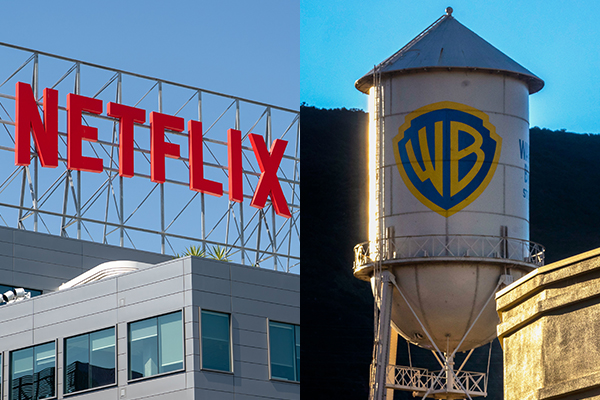
Netflix Inc. reached an amended, all-cash agreement to buy Warner Bros. Discovery Inc.’s studio and streaming business as it battles Paramount Skydance Corp. to acquire one of Hollywood’s most iconic entertainment companies.
Netflix Inc. agreed to buy Warner Bros. Discovery Inc. in a historic combination, joining the world’s dominant paid streaming service with one of Hollywood’s oldest and most revered studios.
Pfizer Inc. Chief Executive Albert Bourla had long searched for an obesity drug to make up for dwindling sales of the pharma company’s aging blockbusters. Late Friday, after a dramatic bidding war, he learned he’d finally claimed his prize.
AstraZeneca Plc is discussing a partnership deal with Summit Therapeutics Inc. in which it could pay as much as $15 billion over time to license a lung-cancer drug, according to people familiar with the matter.
A handful of Federal Reserve officials on Monday left open the door to additional large interest-rate cuts, noting that current rates still weigh heavily on the US economy.
PM Chris Davis on the deep insights he gained from Berkshire Hathaway’s Charlie Munger on successful investing, the importance of stewardship, and “living a life in a web of deserved trust”
Ned Davis Research (NDR) is a global provider of independent investment research, solutions and tools. Founded in 1980, NDR helps clients around the world make objective investment decisions. Its strategists and analysts use fundamental and technical research with models, charts, indicators and weight-of-the-evidence methodology to help clients see the signals and invest with confidence. NDR is headquartered in Sarasota, Florida with offices in New York, London, and Hong Kong.
President Joe Biden is proposing a series of new tax increases on billionaires, rich investors and corporations in his latest proposal for how Congress should prioritize taxes and spending.
The US tax filing season will begin Jan. 23 and run through through April 18 with, perhaps, less frustration for both taxpayers and the Internal Revenue Service than in recent years.
Stubbornly high inflation, soaring borrowing costs and geopolitical uncertainty hindered dealmaking in 2022, sending global mergers and acquisitions activity down by almost a third compared with last year’s record haul.
Corporations will pay nearly $296 billion more in US federal taxes over the next decade, and middle-income households will see some tax cuts, under the tax-and-climate bill that is likely to become law in the coming days.
President Joe Biden and Senate Majority Leader Chuck Schumer are the biggest winners now that a huge piece of Democrats’ economic agenda is hurtling toward enactment.
A tax on stock buybacks is on the cusp of becoming law, potentially hampering a beloved tactic by companies and investors to boost share prices.
Wealthy Americans, who were girding for the biggest set of tax increases in three decades just a year ago, now look mostly safe from higher levies for years to come.
The groundbreaking global corporate-tax agreement secured last year by Treasury Secretary Janet Yellen included a “failsafe” measure to encourage compliance by its 137 signatories.
Law firm partners, family business owners and other high-earning individuals who have stakes in companies are at the center of a last-minute lobbying battle over President Joe Biden’s slimmed-down economic plan.
The House overwhelmingly passed legislation that would expand the tax benefits for retirement accounts to bolster the savings of Americans, many of whom have nothing banked for after they stop working.
In what even the U.S. Treasury says will be a frustrating tax season, families claiming the child tax credit and newly self-employed Americans are among filers likely to see the biggest challenges this year.
The U.S. Treasury is launching an effort to examine the distribution of federal benefits and taxation by race, starting with a look at the pandemic relief payments that were due to most American households.
The Internal Revenue Service could seize cryptocurrency valued at billions of dollars that’s linked to tax fraud and other crimes in the coming year, according to the agency’s head of criminal investigations.
The U.S. equity market is characterized by extreme dispersion. Virtually all the gains in the last eight years have been concentrated in six stocks: the FAANGs plus Microsoft. Strip out those six stocks, and the S&P 494’s performance has been utterly mediocre, roughly equal to that of the rest of the world. Here to discuss the role that dispersion plays in fund management is Chris Davis.
House Democrats are considering a five-year suspension of the cap on the federal state and local tax deduction before it’s reinstated in 2026, according to people familiar with the negotiations, a move that may let lawmakers argue expanding the tax break won’t hurt revenue.
If you’re wondering how President Joe Biden’s tax framework would affect rich Americans, here’s a rough scorecard.
President Joe Biden is attempting to rally fractious Democrats around a whittled-down economic package that his administration is promoting as a monumental achievement for social spending and climate programs.
Congressional Democrats are at odds over both the tax and spending sides of a bill to enact the bulk of President Joe Biden’s economic agenda, putting in question the goal of party leaders to strike a deal by the end of the week.
A key Democratic lawmaker said a detailed, final agreement to restore the federal deduction for state and local taxes could be reached this week, with another advocate flagging a temporary repeal of the break’s limit as the likely proposal.
House Democrats’ plan to limit a favorite tax break for private equity -- but not do away with it entirely as President Joe Biden had proposed -- is more restrictive than it first appeared, according to investment advisers and attorneys who’ve examined the details of the proposal.
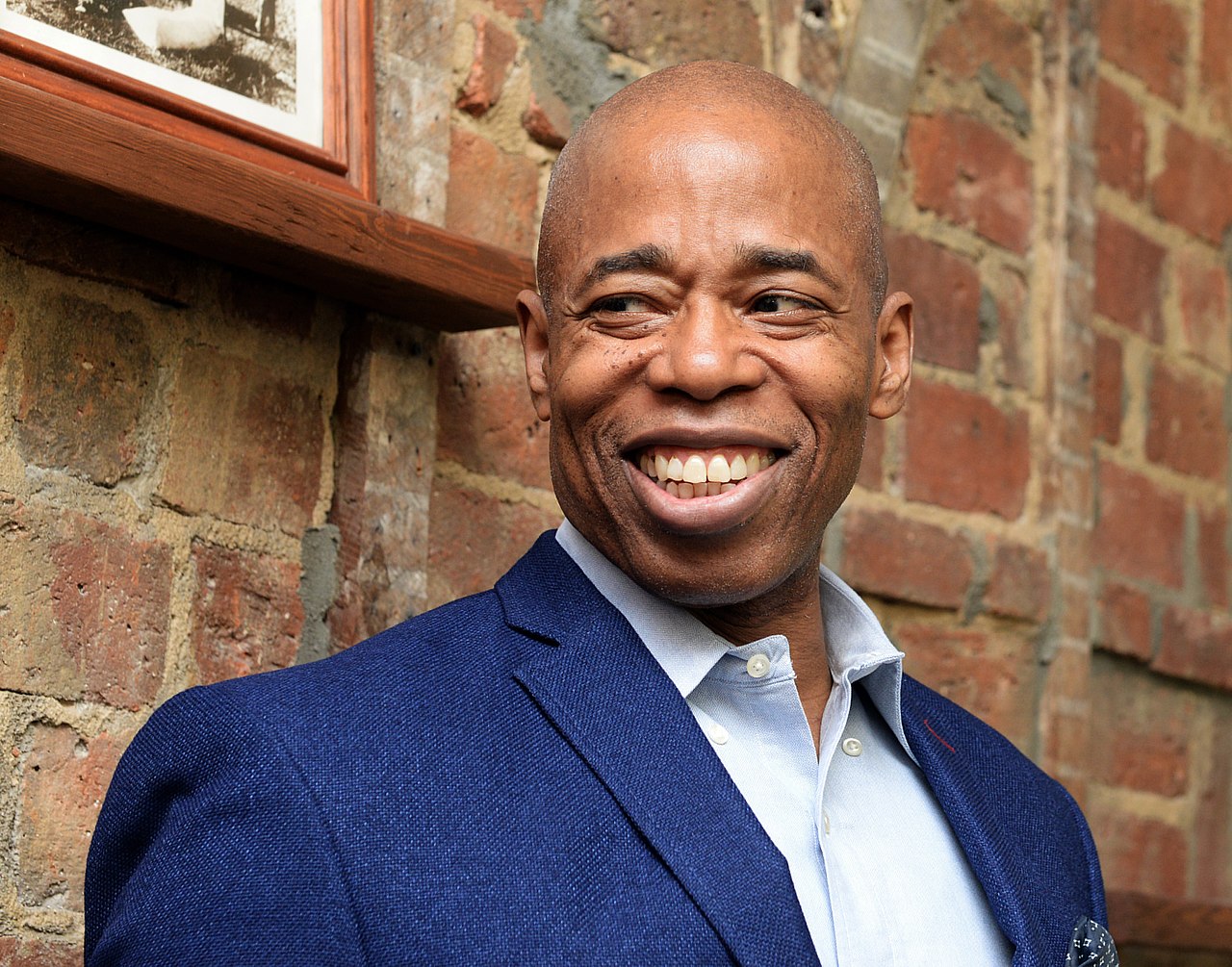
New York City Democratic mayoral nominee Eric Adams told a group of House lawmakers that the limit on the state and local tax deduction enacted in 2017 is a top issue harming the city, according to two congressional aides familiar with the conversation.
A rare show of bipartisan unity over tax policy unfolded Tuesday evening, with 18 lawmakers making their case on why House Speaker Nancy Pelosi should include an expansion of the state and local tax deduction in upcoming legislation.
House Democrats agitating to lift the cap on state and local income tax deduction are enlisting teachers, firefighters and other union members to demonstrate the impact on workers in high-tax, heavily unionized states like New York and New Jersey.
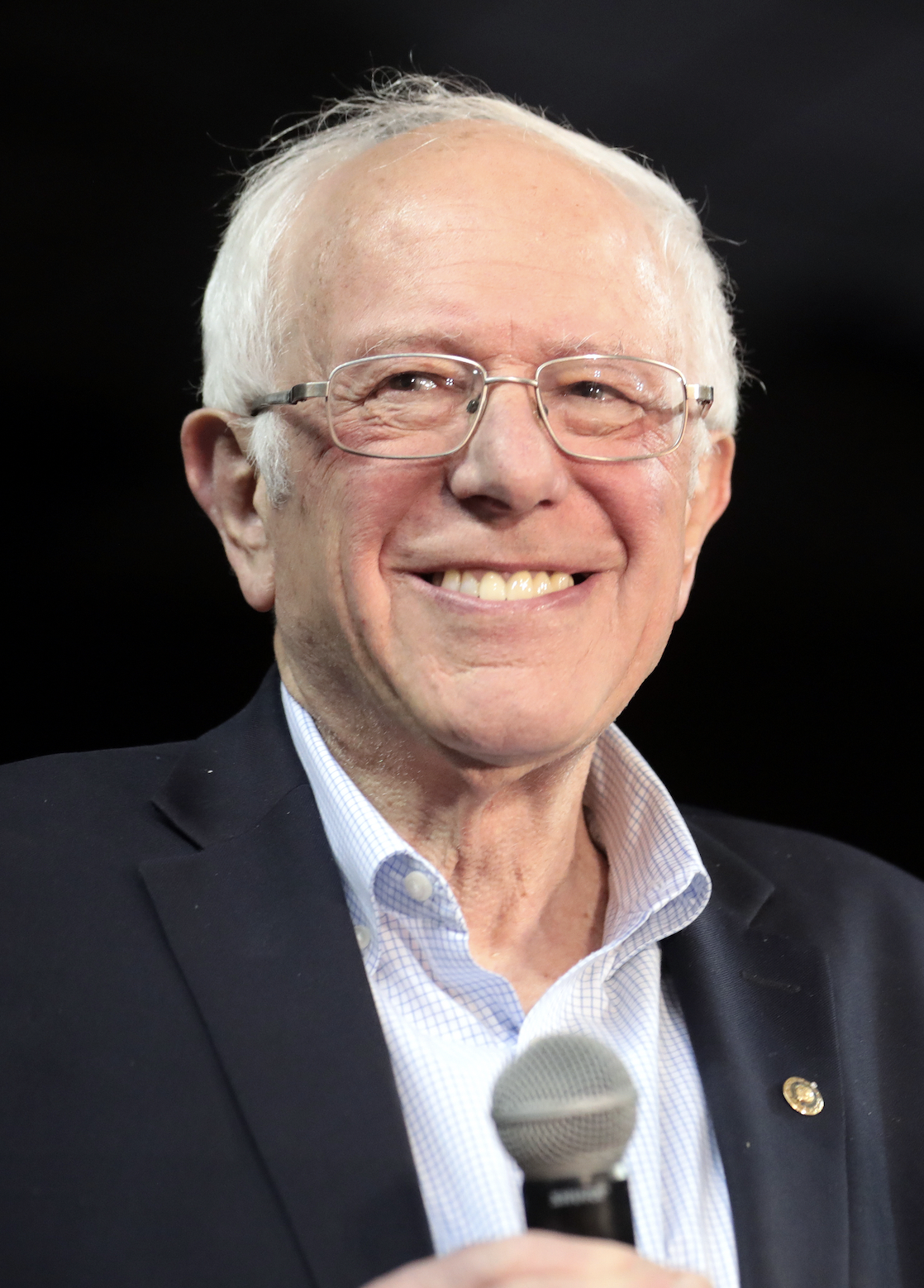
Senate Budget Committee Chairman Bernie Sanders is proposing to partially revive the federal deduction for state and local taxes in an draft outline of a budget resolution designed to fast-track much of President Joe Biden’s economic agenda.
The disclosure of the personal income and tax data of some of the wealthiest Americans has been referred to additional federal investigators to probe the leak of confidential information, an Internal Revenue Service official said.
President Joe Biden’s push for the first major federal tax increase since 1993 now rests on the shoulders of Richard Neal.
President Joe Biden and his economic team are planning to forgo an expansion of the estate tax in the administration’s coming individual tax-hike proposals, according to people briefed on the plan.
House Speaker Nancy Pelosi backed a move to put a repeal of the $10,000 cap on state and local tax deductions in the infrastructure and social-spending program that Democrats are hoping to pass as soon as this summer.
The corporate tax-cut party President Donald Trump kicked off will soon be over if his successor proves able to enact proposals to roll back half of the 2017 domestic income-tax reduction and to radically revamp levies on profits earned abroad.
Students who received emergency financial aid grants related to the coronavirus pandemic won’t owe taxes on that money, according to the Internal Revenue Service.
Stock market bulls can find reassurance in the equity risk premium, which suggests stocks are valued fairly or slightly expensive.
President Joe Biden is planning the first major federal tax hike since 1993 to help pay for the long-term economic program designed as a follow-up to his pandemic-relief bill, according to people familiar with the matter.
It’s tempting these days for some investors to question the role of fixed income in portfolios. After all, real yields have plunged, potentially leading to less income today and smaller capital gains tomorrow.
Two New Jersey Democrats are leading an effort to expand a valuable tax break for state and local levies in the next virus-relief package, a long-shot effort as lawmakers continue to squabble over the size and scope of the next round of stimulus.
President-elect Joe Biden’s $1.9 trillion Covid-19 relief plan is designed to both pump money into the economy and contain the coronavirus pandemic.
Two of the paramount risks facing advisors and their clients are from inflation and volatility. Inflation will erode the purchasing power of portfolios and volatility almost always accompanies steep declines in asset values. My guest today, Nancy Davis, has an innovative product that seeks to hedge relative interest rate movements, mitigate inflation risk, profit from an increase in volatility and a steepening of the yield curve, and provide inflation-protected income.
Data shows there would be little effect for those earning under $400,000.
Trump has deferred hundreds of billions in payroll tax levies and is contemplating another executive action that would reduce capital gains taxes for investors.
There’s a bipartisan push from Senators Jeanne Shaheen, a New Hampshire Democrat, and James Lankford, an Oklahoma Republican, to make charitable deductions permanently available to all taxpayers.
The decrease in enforcement comes as the IRS has faced budget cuts and a 19% decline in collections staff.
The bank expects to keep its offices half full at the most for the “foreseeable future.”
JPMorgan Chase’s CEO says the pandemic should serve as a call to action for business and government to think, act and invest for the common good and confront the structural obstacles that have inhibited inclusive economic growth for years.