In 2012, an SEC director declared that conflicts kill objective investment advice. But this is no longer true, according to new guidance from the CFP Board.
The SEC’s view of investor trust rejects the underlying assumptions that financial advisors suffer from poor trust and that this lack of trust is a problem.
The SEC has launched a monumental rule-making effort to enact mandatory climate-risk disclosure; the goal is “consistency, comparability and reliability,” according to Chairman Gary Gensler. Let’s hope it succeeds and the same principles are applied to disclosing the roles and purposes of broker-dealers and investment advisors.
ESG is at the forefront of contention at the SEC. Differences between Republican and Democratic commissioners are sharp and clear.
The Financial Planning Association (FPA) president, Skip Schweiss, wants planners and consumers to know financial planning is not yet a profession. He believes fervently it should be and wants to help get it there. Who will listen?
If Gary Gensler becomes the SEC chairperson, it will harken back to the SEC’s origins and its first chairman, Joseph P. Kennedy.
A year-end SEC order and statement by its staff on Reg BI exams are a positive signal for investors in need of fiduciary protection.
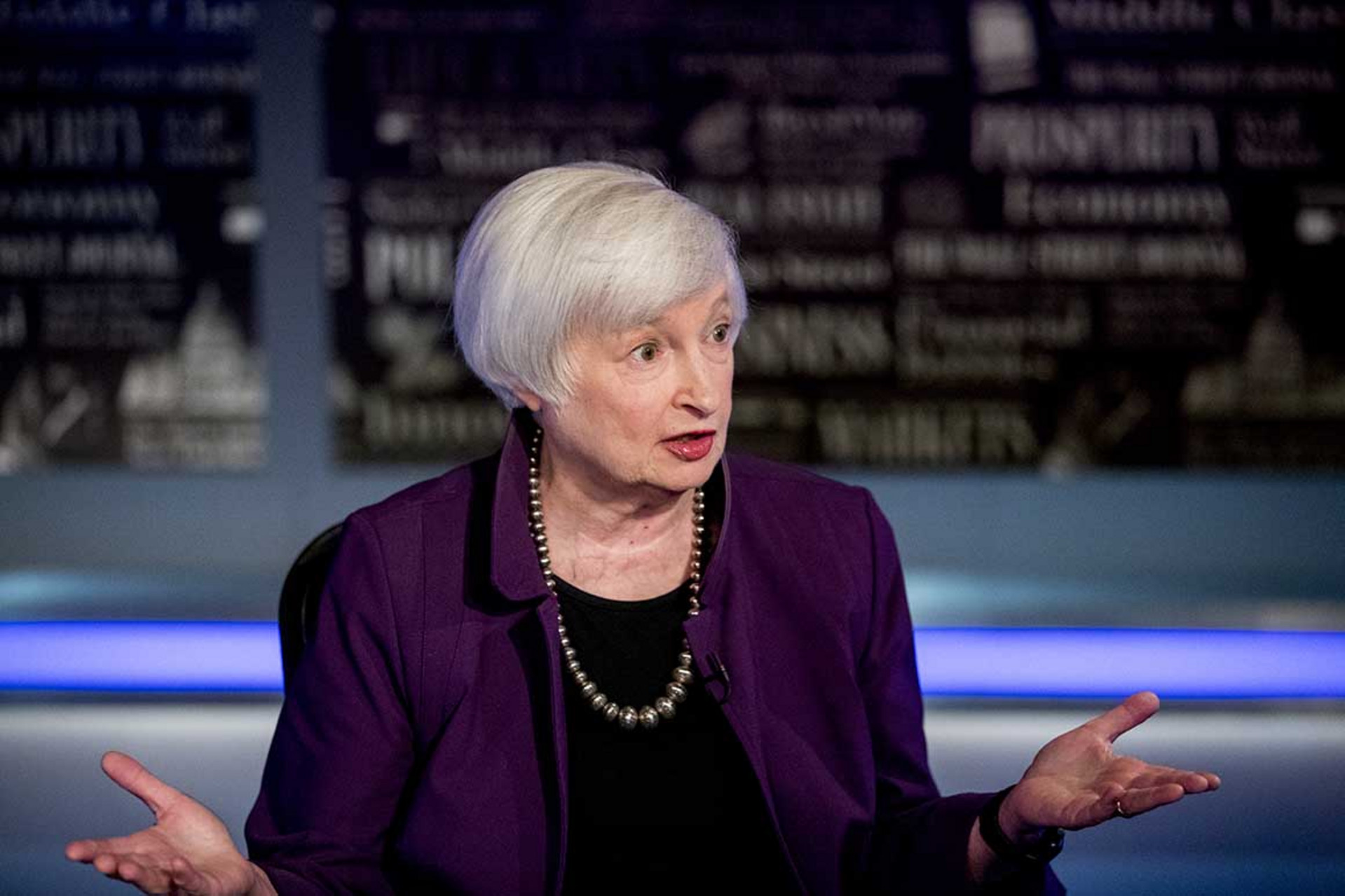
Yellen checks many boxes – her scholarship, prior government experience and reputation in Washington.
Where is virtue on Wall Street? Princeton lecturer JC de Swaan, who is also a partner at the investment firm Cornwall Capital, sought to find out. His book, Seeking Virtue in Finance, is his answer.
The Department of Labor has proposed yet another fiduciary rule on retirement investment advice that is strongly opposed by many financial advisors. Two key provisions would dramatically affect who is deemed a fiduciary and what standards they must meet. Hear from a panel of experts who will explain what these latest developments mean for you.
An historic realignment of fiduciary advice has snuffed out 40 Act principles. The SEC, the coming DOL Rule, and CFP Board standards have rejected them. The realignment reveals a path of destruction – to the law, language and logic.
The 40 Act has been effectively repealed. But its passing has gone unnoticed. In the long shadow of the market crash and severe depression, the 40 Act was the equivalent of investors’ civil rights legislation.
Tamar Frankel may well be the godmother of fiduciary law. In this interview, she says that the regulators do not understand conflicts of interest.
The Investment Advisers Act of 1940, more commonly known as the 40 Act, is a U.S. federal law that defines the role and responsibilities of an investment advisor. Prompted in part by a 1935 report to Congress on investment trusts and investment companies prepared by the SEC, the act provides the legal groundwork for monitoring those who advise pension funds, individuals and institutions on investing. It specifies what qualifies as investment advice and stipulates who must register with state and federal regulators in order to dispense it.
The SEC’s Reg BI and the CFP Board standards will be enforced June 30. Those rules and standards abandon core principles of the Investment Advisers Act of 1940 that have protected investors for decades.
Last week industry trade associations and lobbyists, led by the FSI, petitioned the SEC for a new rule to authorize the SEC to tell advisers and brokers how to disclose conflicted fees.
What do social distancing and lockdowns have to do with new SEC and CFP Board standards that will be enforced June 30?
Susan John, chair of the CFP Board in 2019, explains her support of the CFP Board’s decision to remove compensation information from its web site.
CFP Board CEO Kevin Keller is wrong on the facts, the law and common sense.
As we mark the golden anniversary of the creation the undertaking we know call “financial planning,” the CFP Board took a decisive step to enforce a real fiduciary standard by requiring disclosure and informed customer consent of material conflicts.
The CFP Board had noble intentions with its new standards that became effective last month. However, its handling of conflicts falls so short that absent significant new guidance the credibility of the standards is in serious doubt. This is clear from the recent publication of a major insurer’s eye-opening disclosure intended to address conflicts.
On September 24, the specter of impeachment became a reality, as the House began its official inquiry. The case for impeachment may involve whether the president breached his fiduciary duties, so it is appropriate to reflect on the relationship to the advisory profession.
The Wall Street Journal reported that the CFP Board’s website excluded a lot of negative information about CFPs. The Journal’s story shook confidence in the CFP Board’s certification process. It’s a major crisis.
On July 9, for the first time, SEC Chairman Clayton defended Reg BI. Yet, instead of explaining in plain language the meaning of the rulemaking and how it meets reasonable investor expectations, the chairman went after his critics.
July 4 reminds us of how the American experiment started. That stands in startling contrast to the SEC’s experimental standards.
The recent passing of Warren Phillips, who retired as chairman of the Dow Jones Corporation in 1991, reminded me of the deep connection between journalism and fiduciary advice.
The brokerage and insurance industries are lobbying to prevent states, like Maryland, from adopting a fiduciary standard. Those efforts, however, have exposed a series of false claims that belie the immense benefits a fiduciary standard brings to consumers.
Last week two RIA leaders made important remarks illustrating the public’s distrust of financial services. TD Ameritrade’s president and CEO, Tim Hockey, and Pershing Advisor Solutions CEO, Mark Tibergien addressed trust at different forums in different ways.`
The brilliance of Regulation Best Interest is how it sidesteps the 1940 Advisers Act to marginalize fiduciary duties for retail investors. It proclaims a broker suitability-styled standard to be in the best interests of investors. Industry advocates say it’s a strong investor protection rule. It’s not. It’s the opposite.
The SEC has been on a five-month tour gathering feedback on its “Reg BI” proposal from investors through a series of roundtable discussions. The tour has not gone well. Investors everywhere have booed it off the stage. Why?
Gary Cohn, former economic advisor to President Trump, told the WSJ that the DOL Rule was bad rule. Translated to language of our time, with respect to the SEC’s proposed regulation best interest (RBI), ”It’s okay to pig out on junk-food investments.”
The drafters of the Advisers Act of 1940 thought investors would confuse real advisors from salesmen who pretended to be advisors. That’s why they built a wall to separate the two. Now the SEC wants to tear it down.
The Securities and Exchange Commission has proposed new rules for advisors and brokers. The rules purport to clear up investor confusion with new disclosures and raise the standard for brokers. Unfortunately, they lack both the clarity and enforcement muscle to be effective.
The CFP Board set out fiduciary duties for all advice. Its statements are clear and strong. This is an important step. But alone, it falls very short. Why?
The CFP Board proposal on fiduciary duties are a good first step towards a fiduciary standard. Yet, they fall well short of basic fiduciary practices and, equally as important, what ordinary investors clearly want from an investment advisor or financial planner. Significant common sense revisions will align the CFP requirements with true fiduciary practices. Alternatively, the Board can realign its promise to the public to fit its current standards. Webinar attendees will learn:
The “big three” discount brokers use sales incentives to get their advisors to gather assets and push certain products.