Supply chains set to become less dependent on China over time.
Over the next 10 years, the global automotive industry is expected to face one of the most significant changes in its history – the replacement of internal combustion engine (ICE) vehicles with electric vehicles (EVs).
Global demand for consumer goods has rebounded since the second half of 2020, driven initially by large government stimulus packages and, more recently, by resilient capital expenditures and swift vaccination rollouts in most developed markets.
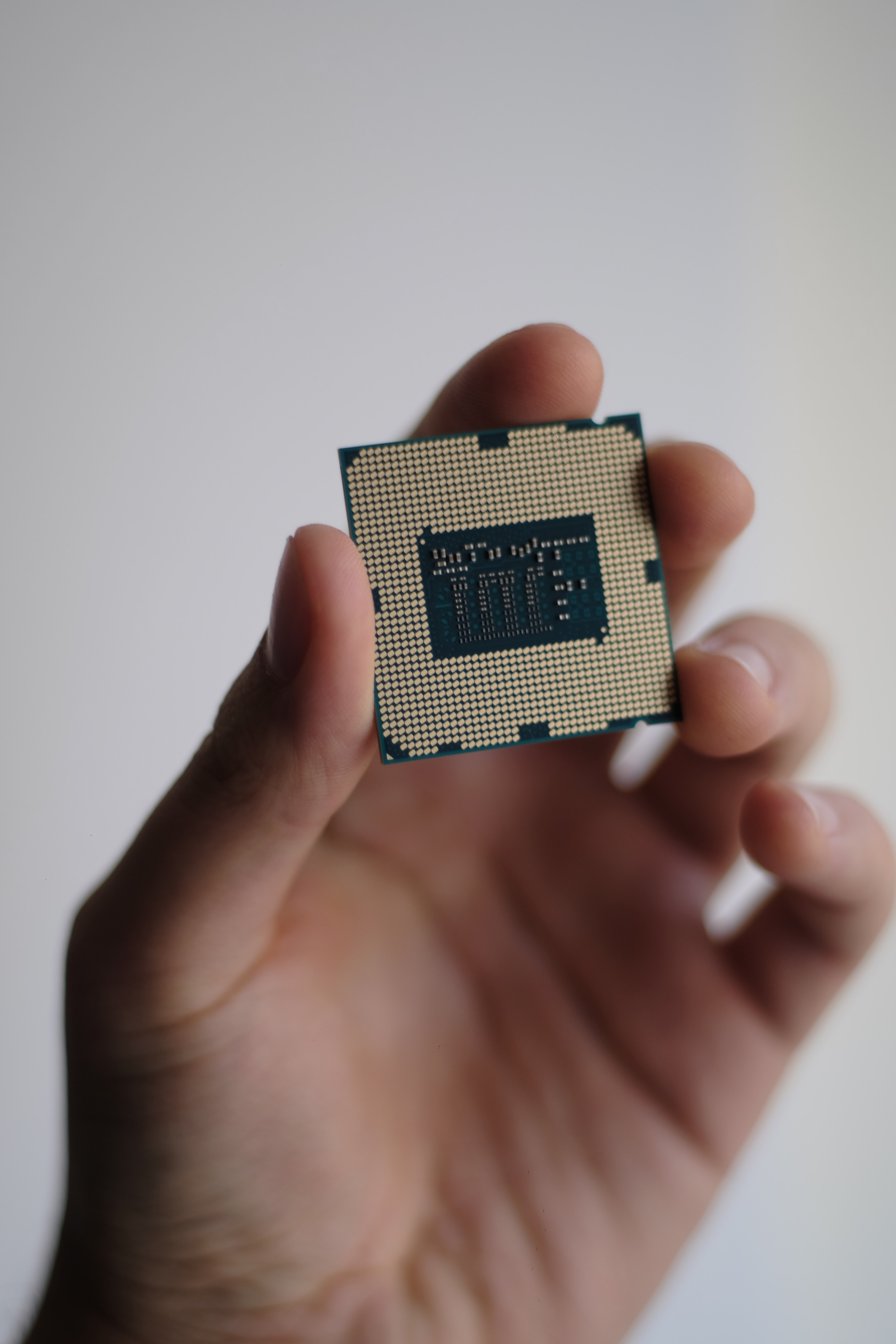
Computer chips, or semiconductors, power everything from cars to consumer electronics, such as PCs, gaming consoles and smartphones.
U.S. tariffs and trade tensions have dominated headlines over the past few months. With certain tariffs aimed squarely at China, Beijing quickly responded with tariffs of its own on U.S. goods in early July. What do the tariffs mean for investors in Chinese and other Asian technology and consumer credits?
After a decade of relying on investment and exports for growth, China’s effort to rebalance its economy toward consumer-led growth is well underway and should continue to build steam in 2018.