Can we aggressively position assets today that have the potential for strong growth in the next 24 months when a tuition bill is due, without exposing those assets to market risk?
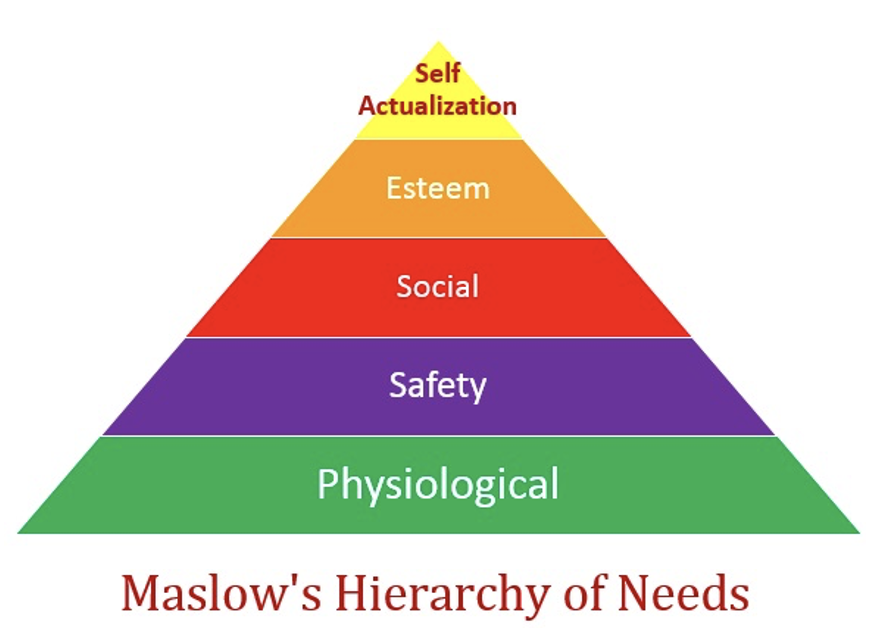
Here is some research on why our clients built a sizable portfolio while others had high income but little savings. I’ll address specifics on how to get savers to enjoy their money.
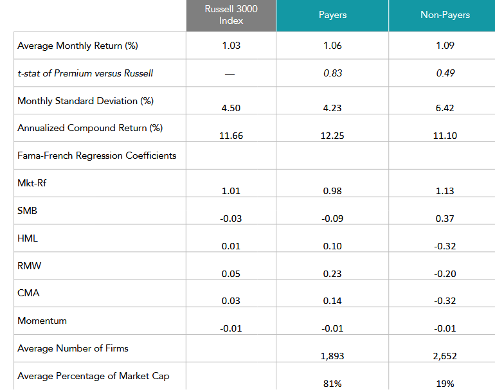
My research confirms what academic theory predicts: There has been no historical alpha among dividend-paying stocks, including those with a history of increasing dividends. Investors are better served by “tilting” allocations to factors that have historically outperformed (e.g., value).
Silicon Valley Bank became the biggest US lender to fail in more than a decade, creating fears of contagion in tech and finance sectors in the US and around the world.
US authorities took extraordinary measures to shore up confidence in the financial system after the collapse of Silicon Valley Bank, introducing a new backstop for banks that Federal Reserve officials said was big enough to protect the entire nation’s deposits.
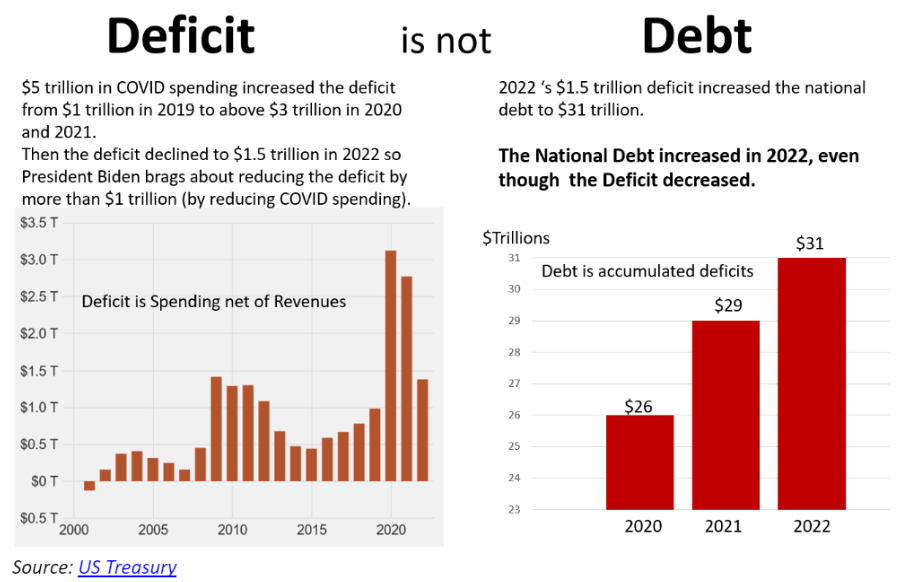
President Biden has proposed a $6.9 trillion budget that calls for reducing deficits and raising taxes on wealthy people and large corporations. There is a lot of spending in this budget that fuels inflation.
Larry Culp is finally having a good year. General Electric Co. had been in nearly constant turmoil since Culp took over as chief executive officer with a turnaround mandate in 2018.
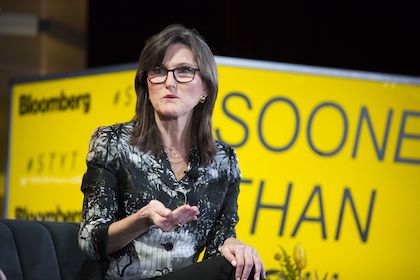
Short sellers are betting against Cathie Wood’s flagship fund more than ever before.
Greg Becker sat in a red armchair at an invite-only conference in Los Angeles last week, legs crossed, one hand cutting through air.
Investors sought the safety of bonds for a second day as jitters over a rout in bank stocks hit risk sentiment and traders speculated that rate-hike bets had gone too far too fast.
Former Treasury Secretary Lawrence Summers said that the odds are now almost even that the Federal Reserve will have to raise its benchmark interest rate to 6% or more to bring inflation back down to its 2% target.
Vanguard Group Inc.’s first new exchange-traded fund in two years is setting sail at a turbulent time for municipal debt.
When weighing the decision to move to the RIA model, advisors must consider the catastrophic consequences to them if they are terminated by their broker-dealer.
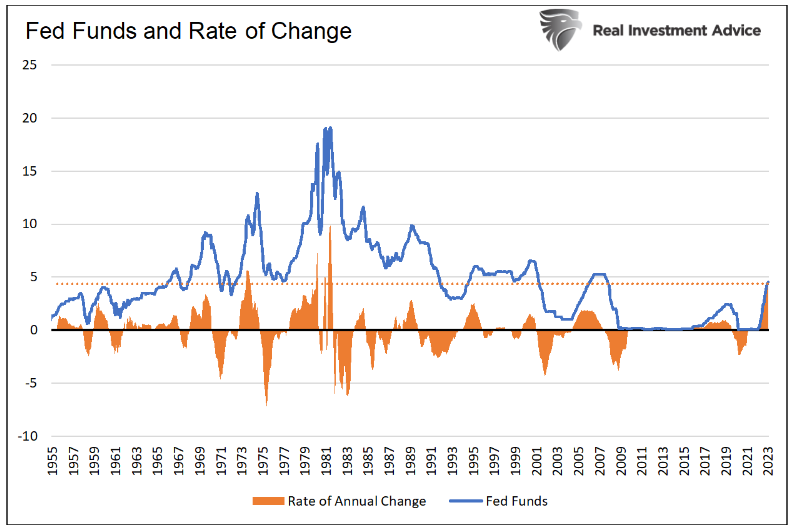
Having raised rates by over 4% over a short period and in a very leveraged economy, the Fed no longer has the big stick it used to have. Therefore, speaking loudly with hawkish rhetoric and narrative must become a priority.
Some money secrets within a couples are matters of privacy or convenience, while others cross a line into financial infidelity.
With the most sell ratings in the Nasdaq 100 Stock Index, Intel Corp. is running ever lower on fans. Things have gotten so bad that even analysts brave enough to recommend buying are striking a cautious tone.
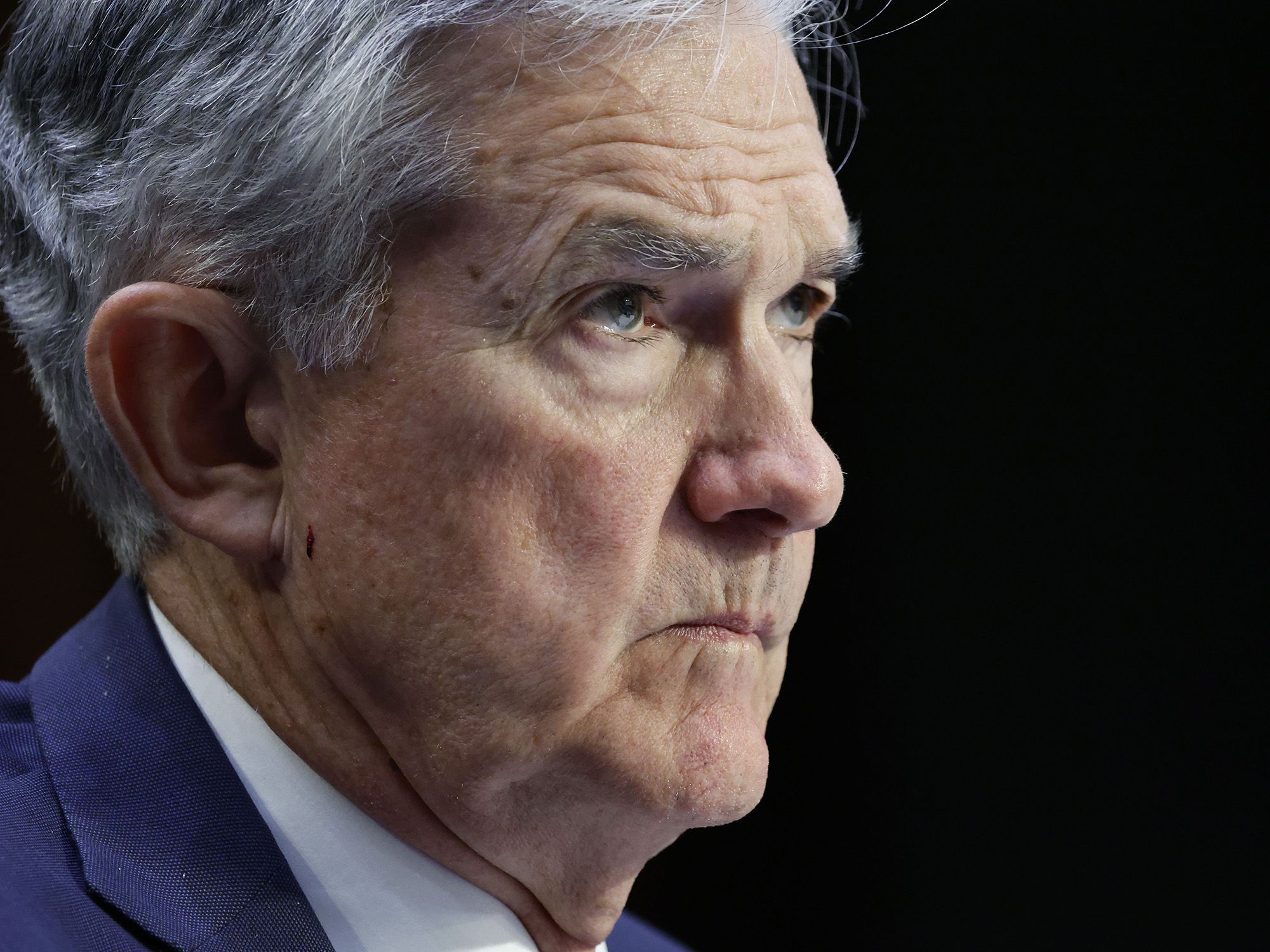
The bond market is doubling down on the prospect of a US recession after Federal Reserve Chair Jerome Powell warned of a return to bigger interest-rate hikes to cool inflation and the economy.
President Joe Biden is proposing a series of new tax increases on billionaires, rich investors and corporations in his latest proposal for how Congress should prioritize taxes and spending.
A new exchange-traded fund is making the case that having women at the top of corporations translates into better returns.
Anyone working with US regulators to salvage Silvergate Capital Corp., the crypto-friendly bank, will have to reckon with a key variable — the wariness of those same officials about digital assets.
Federal Reserve Chair Jerome Powell softened his tone slightly during a second day of congressional testimony, saying policymakers will wait for fresh jobs and inflation data before deciding how much to raise interest rates later this month.
Here’s how to simplify your surge agenda and run a pre-surge dress rehearsal to defeat head trash and improve the client experience.
I’m writing to ask why the advisory profession isn’t set up to provide more human-oriented support to advisors who are trying to transition.
The question you are asking about AI (“Will AI replace me?”) is wrong. The right one is this…
High-yield investors beware. Junk bonds that were financed at low, fixed rates will eventually mature and, according to Jeffrey Gundlach, weak issuers that cannot refinance at higher rates will default.
I will explain what ChatGPT is beyond the headlines, and its capabilities and limitations. I will then share a use case in wealth management and explore whether it will replace human financial advisors.
Junior debt issued by banks is normally one of the riskiest types of fixed-income in the US and Europe. It’s typically not backed by collateral and in the event of a crisis it only gets paid back after other bonds.
As automakers seek stakes in lithium miners to lock in supplies for electric-vehicle batteries, they’re following a path already forged by their shareholders.
Alessio de Longis spent the last three months loading up on risk in his $1.1 billion Invesco Global Allocation Fund. Now, he’s winding down those positions and reversing course back to safety.
Yep, you read that right. I’m about to teach you how to get new clients for less than $10 a month.
You know you have a non-ideal client when…
The landscape for M&A and recruitment in the advisory profession will continue to be strong.
US job growth probably moderated last month after a blistering January pace, while the unemployment rate likely held at a 53-year low, illustrating a labor market that’s proved mostly impervious to the Federal Reserve’s massive interest-rate hikes.
The crypto world’s eyes will once again turn to Washington on Tuesday as oral arguments begin in Grayscale Investments’s lawsuit against the US Securities and Exchange Commission. The case is being argued in the D.C. Court of Appeals.
I took ChatGPT for a test drive by directing it to write an article summarizing important tax rule changes introduced by SECURE Act 2.0. The essay it produced was an epic failure.
Bob met with two of Advisor Perspectives’ authors last week.
Before making a hedge fund investment, investors and their advisors should consider four key questions.
Machine learning shows great promise for empirical asset pricing and has the potential to improve our understanding of expected asset returns.
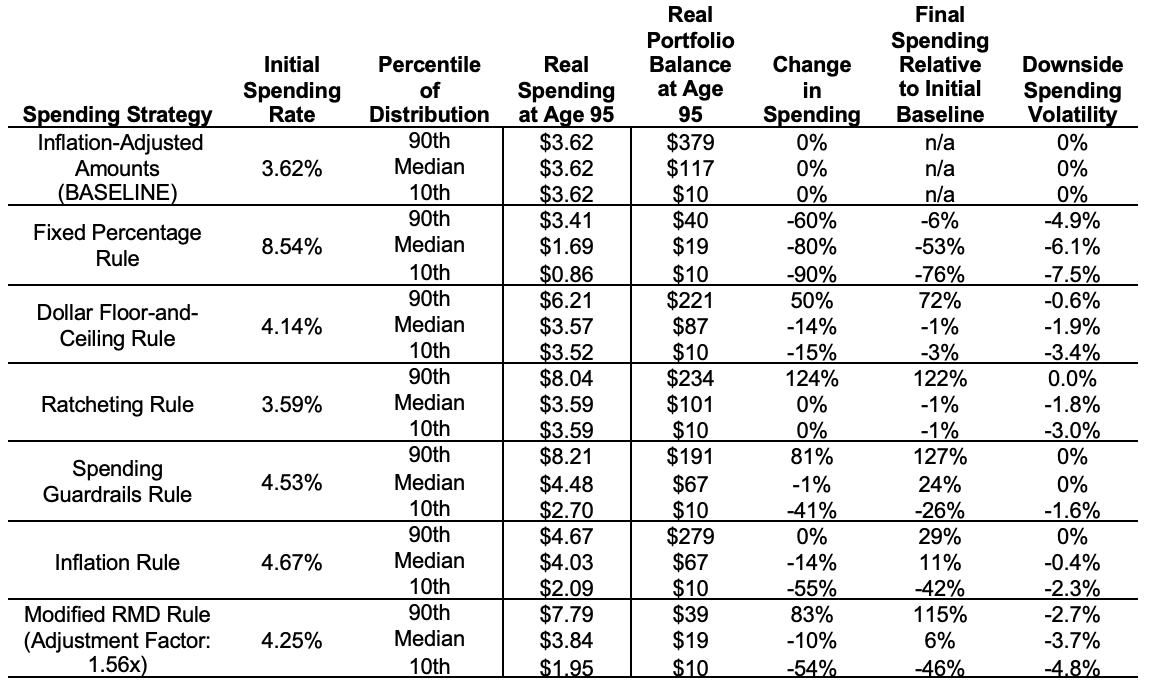
Any of the variable spending strategies I analyzed will reduce sequence risk in retirement and allow for greater initial spending rates, potentially greater average spending amounts, and a generally more efficient spenddown of assets than the baseline constant inflation-adjusted spending rule.
Forget ChatGPT, going independent or podcasts. The hottest trend growth-oriented advisors must know is the rise of the fractional marketer.
With bonds and stocks once again falling in unison, cash is the ultimate refuge.
The fixed-income market’s unblemished record of striking fear into the hearts of equity traders is in danger.
Hedge funds and proprietary trading firms are beefing up agricultural markets expertise by hiring traders as big swings in prices have made even relatively niche corners of commodities trading lucrative during the past year.
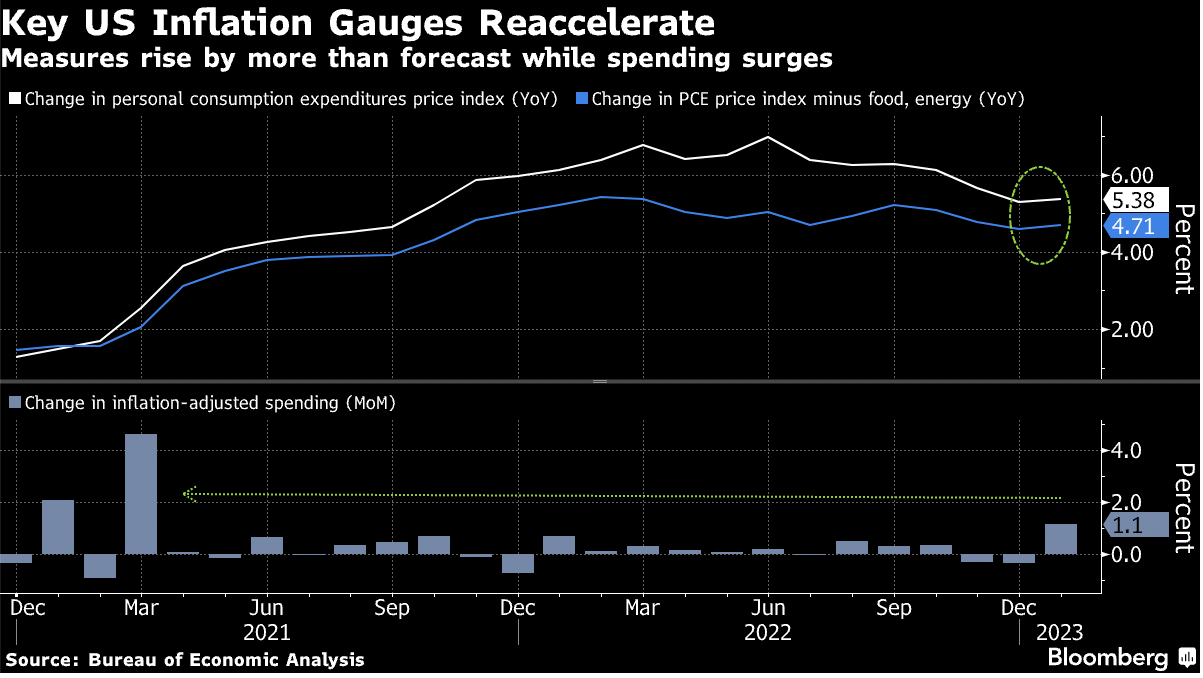
The Federal Reserve said that further interest-rate hikes would be required to restore price stability.
It’s a time-honored tale. A new force enters the market — quantitative easing, leveraged ETFs, high-frequency trading — and a cottage industry on Wall Street is born devoted to exposing the risks it supposedly poses for investors.
In the finance industry, the word “compliance” garners a negative connotation. Indeed, it conjures images of being paddled by a schoolteacher.
With Denzel Washington, it’s not that no other actor can play the roles he plays – it’s that no other actor can play them quite like him.
There’s one strategy that is not only a great wealth-building solution but is also triple tax-advantaged…
Maybe UFOs are carrying wealthy aliens wanting to buy a lot of stuff and boost our economy. More likely, those forecasting a no landing have a false sense of optimism that the economy will continue to be resilient.
The US 30-year yield rose to the highest level since Nov. 16, Thursday, joining the rest of the Treasury market in offering investors a return of at least 4% after another batch of strong labor-market data.