Markets are supposed to be forward-looking, so it’s a bit of a mystery that bonds sold off as dramatically as they did on evidence that bad first-quarter inflation was worse than previously understood.
The US economy expanded at a strong 3% last year, though growth slowed to a 1.6% annual rate in the first quarter with a drag from imports.
The Federal Reserve’s preferred gauge of underlying US inflation rose at a brisk pace in March, reinforcing concerns of persistent price pressures that are likely to delay any interest-rate cuts.
It’s time to look at yourself and make a change.
You’ve just had a promising initial meeting with a high net worth prospect, the chemistry between the both of you felt right, and they agree to the next step in your process.
Since Silicon Valley Bank became the second-biggest failure in US history a year ago, other lenders have been trying to take its place in banking the fast-moving, entrepreneurial world of startups and tech companies.
It may seem counterintuitive to suggest that today’s high interest rates will fuel shelter inflation down the road. After all, the Federal Reserve has tightened monetary policy to stamp out price pressures in the economy.
Demand for Treasuries is holding up as the US government floods the market with more than $180 billion of new debt this week, a testament to the appeal of high yields for shorter-term notes.
The stakes are high as two of the biggest artificial intelligence players prepare to unveil results, a day after Meta Platforms Inc. alarmed investors with its forecast.
Some of the world’s biggest energy trading companies are returning to metals, years after getting burnt in the notoriously difficult markets.
A rally that has seen European bank stocks outpace both US peers and the Nasdaq over the last three years faces a key test in coming days when most of the region’s major lenders report results.
When it comes to social-media stocks, there’s Meta Platforms Inc., and then there’s everyone else.
It was an irresistible pitch. Give us your money, executives at Ray Dalio’s Bridgewater Associates and other hedge funds said, and we’ll funnel it into a money-minting, sure-thing strategy for the long haul.
How to overcome obstacles when your firm is growing too fast and bringing in too much business?
If you need heart surgery, would you hire the best cardiac surgeon you can afford, or work with whatever medical professional you can find?
The path to responsible investing is complicated by individual differences in personality traits and decision-making processes.
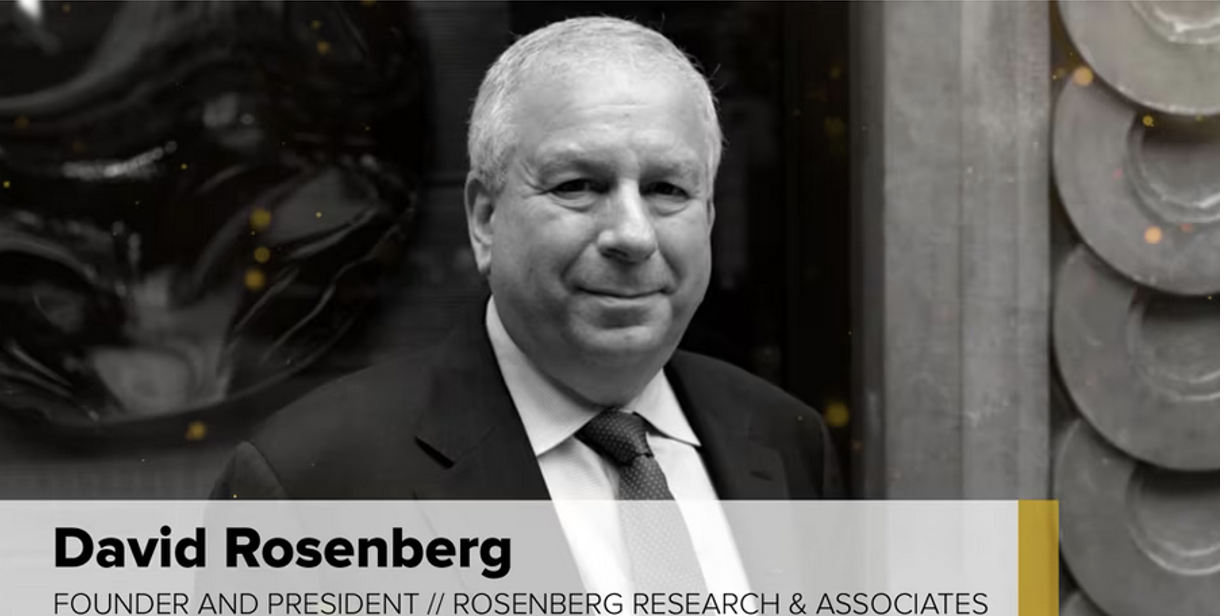
Don’t believe the economic consensus, according to David Rosenberg. A recession is much more likely than a soft landing, and investors should allocate to 10-year Treasury bonds instead of stocks.
The bad news is that most of us will need to work longer. The good news is that, if we do it right, most of us will want to.
Finance in the 21st century is still too costly, and clubby. Besides, when compared with the instantaneous gratification in other aspects of our digital lives, money appears to move too slowly online.
Perplexity AI, a startup using artificial intelligence to build a search engine to compete with Alphabet Inc.’s Google, has raised about $63 million in a new funding round that values the company at more than $1 billion.
Elon Musk is known to challenge the status quo — and that’s exactly what Tesla Inc.’s investors are worried about right now.
Sales of new homes in the US bounced back broadly in March as an abundance of inventory helped drive prices lower.
Rising interest rates and the fear of giving back stock market gains are pushing pension fund managers to move capital from stocks to bonds.
The Federal Reserve’s difficult task suddenly looks even harder. The central bank’s goal has been to restrain demand enough to push inflation gently back to its 2% target without tipping the economy into a recession.
If you’re struggling to get prospects to say “yes,” you may be too focused on what you can get from the meeting, not your prospect's needs.
Establishing a sense of financial responsibility in your children is a daunting yet important step in their development.
By democratizing access to data, wealth management firms can future-proof, foster innovation, and develop new services and solutions that meet the evolving needs of their clients.
My last day with VettaFi is April 30, which will also mark the end of my journey with the Advisor Perspectives publication.
Merger and acquisition (M&A) activity in the investment advisory space has been very active in recent years, and this, along with the increasing age of many firm founders, has prompted more than a few owners to explore the potential sale or merger of their firms.
Alphabet Inc. is bringing in so much cash that hopes are rising it will take a page out of the Meta Platforms Inc. playbook and start paying a dividend.
The world’s financial markets are encountering a force they didn’t bet on for 2024: A strong dollar is back and looks set to stay.
Imagine you were running for king of the world on a platform of slashing economic growth by 20% forever. You’d be lucky to get your own family to vote for you. And yet humanity insists on running the global economy on fossil fuels that are doing exactly that sort of damage.
When the Federal Reserve flooded the economy with cash during the Covid-19 pandemic it exacerbated a problem for America’s largest banks: What to do with all the extra deposits.
The Federal Reserve is expected to lower interest rates, but the economy and stock market don't need stimulation.
What should financial advisors do to attract and retain high-net-worth and affluent investors? I have a one-word answer.
Copper traded near $10,000 a ton, hitting a new two-year high on its way, as investors continue to pile in on a bet that miners will struggle to service a surge in demand for the bellwether industrial metal.
I have indicted the securities industry for spreading “a web of deceptions that have become conventional wisdom.” But a small part of the industry does provide products and services that are beneficial and necessary. That is the subject of this article.
Ongoing planning in retirement involves periodically assessing whether spending may be increased or must be decreased to remain on track.
Senior discounts aren't just about age; they're about a lifetime of work and contributions and a way of giving back to you. They also allow you to stretch your income and enjoy more experiences. You’ve earned the right to enjoy them.
With the right tech in place, advisors can access reliable, high-quality models that can be used repeatedly across their book of business.
In my recent piece, “Japan's Lost Decades,” I examined why Japan's GDP is smaller than it was in 1995 and why it took 35 years for its stock market to set its recent record high.
A string of disappointing inflation data has forced the Federal Reserve to reset the clock on its first interest-rate cut and re-evaluate the trajectory of price growth.
Investors should use any swings in Indian stocks during the weekslong election as an opportunity to buy, according to JPMorgan Chase & Co.’s private banking unit.
US Treasury Secretary Janet Yellen acknowledged the concerns of Japan and South Korea over sharp declines in their currencies during a trilateral meeting of finance chiefs that may offer Tokyo and Seoul more scope to defend the yen and the won.
Ben Graham, the value investor and Warren Buffett mentor, famously said the market is like a voting machine in the short run, but “in the long run it becomes a weighing machine.”
US markets are doing much better than markets everywhere else, but no one seems to know why. Yes, there are theories: Perhaps it’s the promise of AI, although it remains to be seen how AI will play out and who will profit.
JPMorgan Chase & Co. Chief Executive Officer Jamie Dimon makes no secret that his firm is all-in on artificial intelligence. Now, the head of the world’s biggest bank is laying out his vision for the future of money in an AI world.
When does a strong dollar become too strong? “Right now” would be the cry of most emerging-market currencies, not to mention policymakers in Japan. Even the European Central Bank says it’s paying attention to the foreign exchange market.
With energy stocks trading near all-time highs and oil climbing as well, hedge funds think they’ve found a trade to capitalize: Sell the shares and pour the profits into buying more crude.
Banks have found another way to fight back after private lenders have grabbed ever larger pieces of the lucrative business of financing leveraged buyouts.