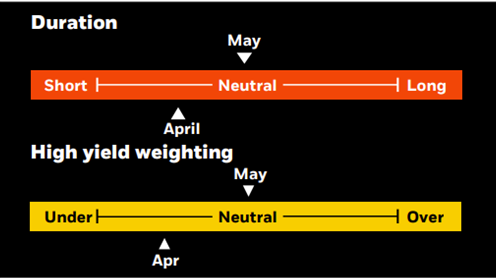
The potential for a Fed pause presents an opportunity for investors to consider adding duration back into their portfolios.
Macroeconomic uncertainty has sparked questions over the durability of the traditional 60/40 portfolio—highlighting why investors may want to add alternative investments to the mix.
Municipal bonds posted negative total returns in May amid continuing heightened volatility. Interest rates rose throughout most of the month as banking concerns abated, economic data exceeded expectations, comments from the Federal Reserve turned more hawkish, and the debt ceiling negotiations remained contentious to the very end.
Emerging markets (EMs) are a big, heterogeneous universe of economies and markets that can be subject to big volatility. They also are a large and fertile hunting ground for investment opportunities. Stock picker Emily Fletcher offers a grand tour of the “wild” EM equity landscape.
With stocks struggling to break out of their range, rates climbing, and valuations stretched investors are rightly asking whether it’s time to sell.
Transitioning into the post-COVID investment environment shifts the foundations of portfolio construction that investors relied on in recent decades. On full display in 2022, inflation and recession risk punished both bonds and stocks together to historic declines.
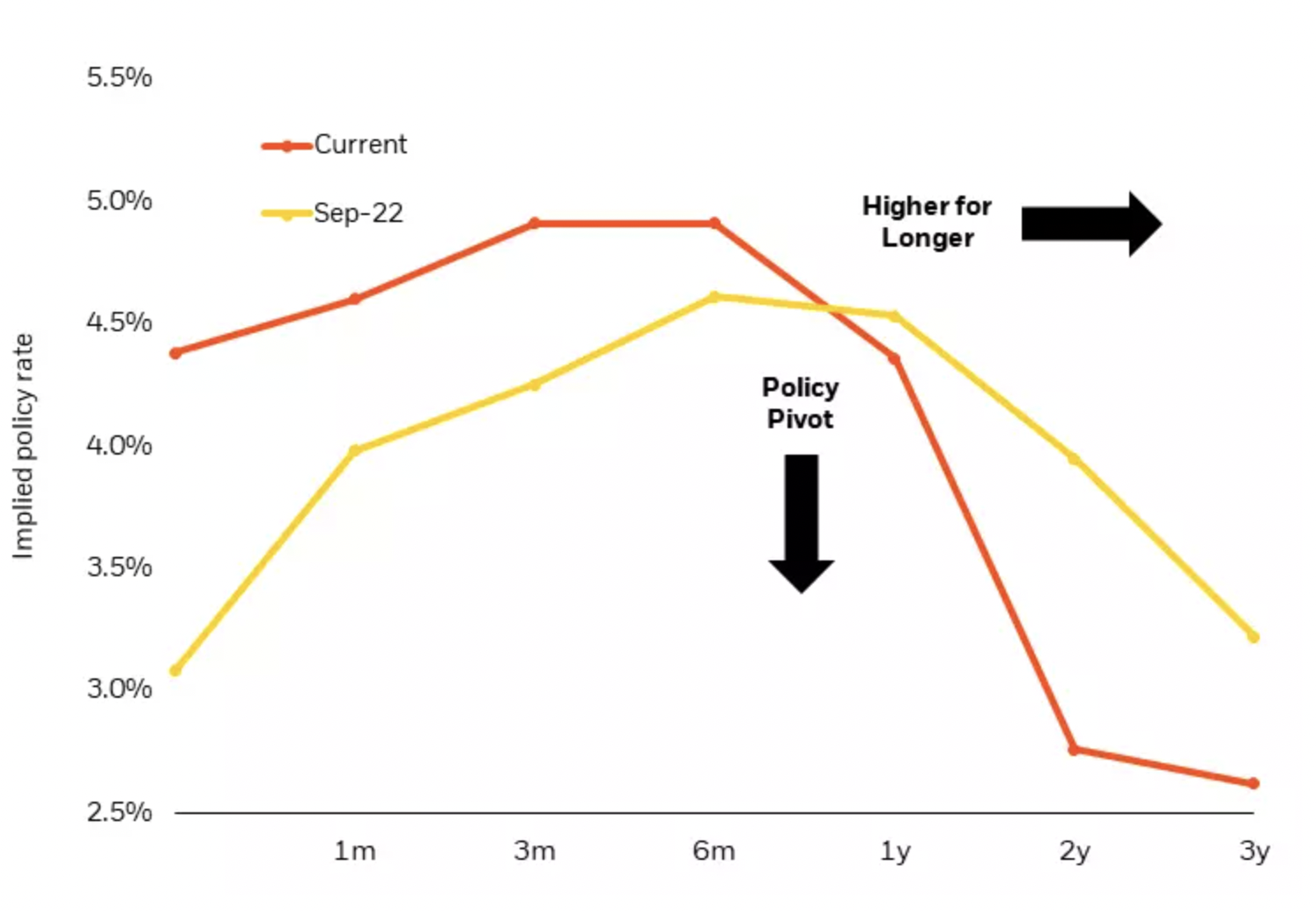
We see the market’s focus returning to higher-for-longer rates and sticky inflation after a U.S. debt ceiling deal. We prefer an up-in-quality portfolio.
New findings from EBRI’s recently released 2023 Retirement Confidence Survey reveal what’s top of mind for American workers and retirees. Below, we look at two key findings – alongside ways the industry is responding.
Inflation has proven sticky, even as growth weakens. Markets are realizing that policy rates are set to stay higher for longer. We like quality in stocks and bonds.
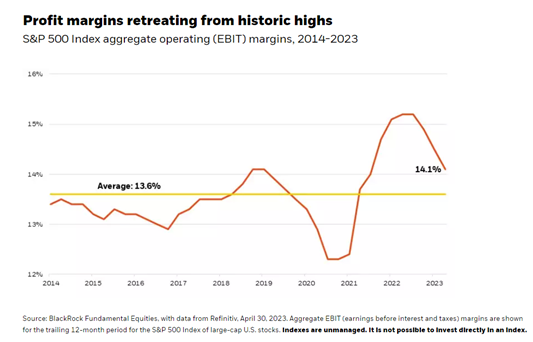
First-quarter earnings largely surprised to the upside, but expectations also had been guided down. What does the latest earnings news mean for stock investors? Carrie King, Global Deputy CIO of BlackRock Fundamental Equities, offers three observations.
Rick Rieder and team argue that a series of small, but more probable, wins in fixed income can pave the way for portfolios to outperform benchmarks in 2023.
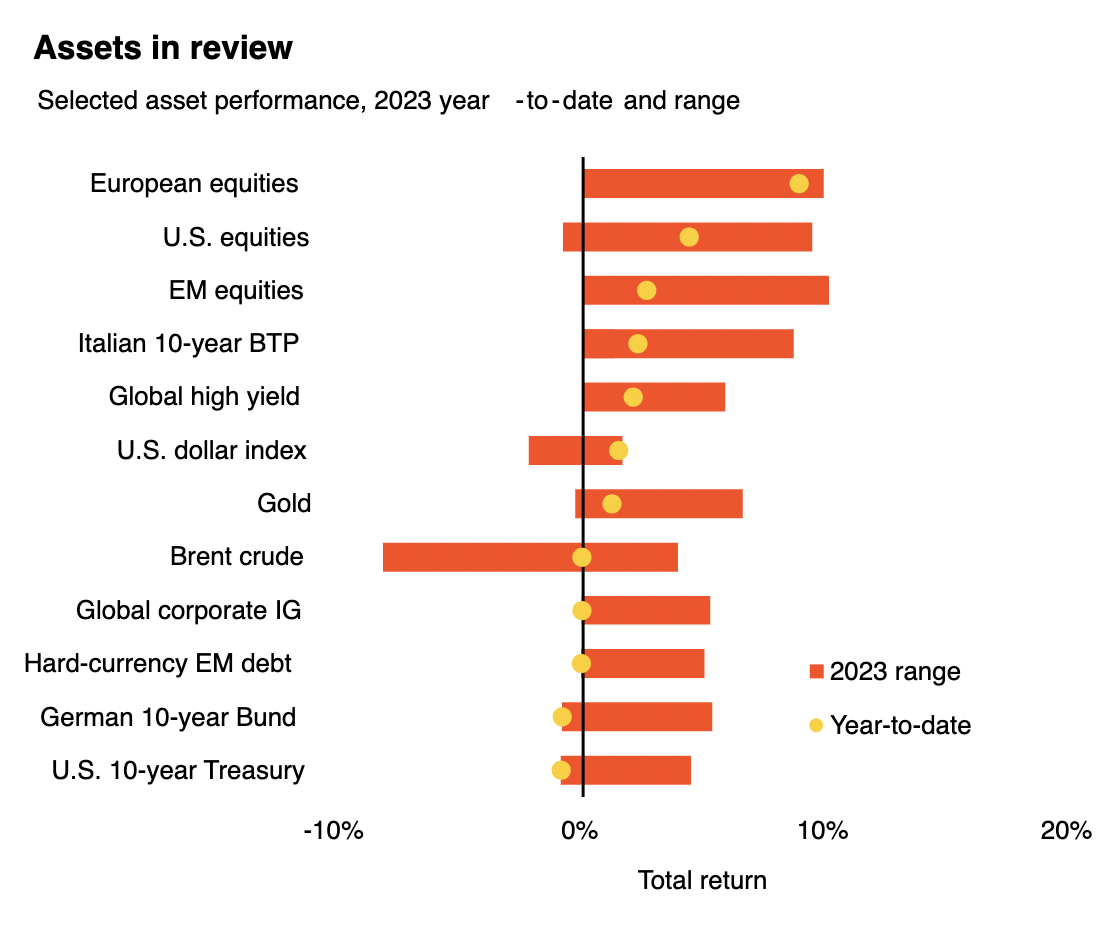
Stocks are having a great year, but gold is doing even better. Year-to-date global equities are up roughly 9% in dollar terms; gold has advanced more than 10%.
We prefer private to public credit long term on better return potential. It’s the mirror image in equity: We prefer public stocks as risks fade in the medium term.
Macroeconomic uncertainty presents new challenges for investors who are saving for long-term goals like retirement. Inflation can diminish the ability to save today and the value of those savings tomorrow.
Factor investing has seen increased popularity in the US. Investors may also want to consider increasing their opportunity set by considering factors abroad.
The view by many is that sustainable investing is concessionary in that financial results are forgone in order to achieve sustainable outcomes. Our historical analysis shows that this assertion isn’t true and that unique ESG data can be predictors of company results.
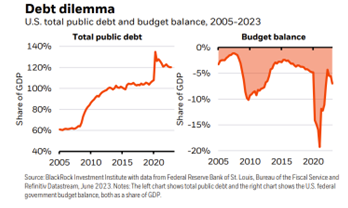
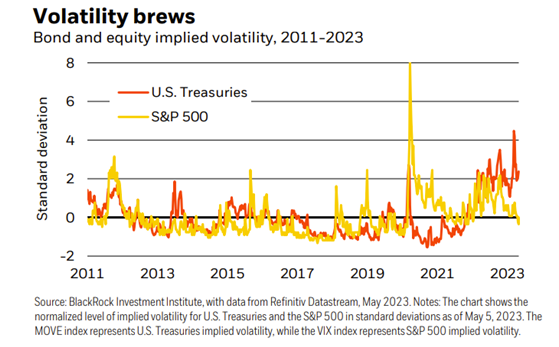
We think the U.S. debt limit showdown will spark renewed volatility in markets. That risk reinforces why we stay invested and cautious by going up in quality.
Pay attention to the bond diversification, resiliency quality stocks may offer, and current allocation to cash within portfolios in the wake of Fed action.
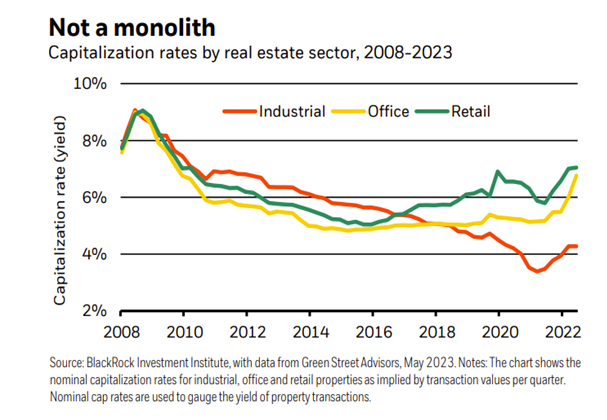
Financial cracks from rate hikes have led to jitters over commercial real estate. Yet granularity is key. We see opportunities in some U.S. industrial properties.
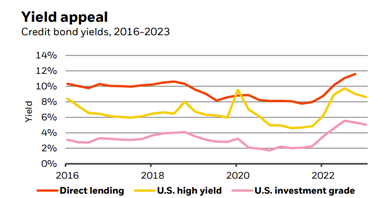
A direct repercussion of higher central bank policy rates is on the cost of capital for corporations and other issuers of debt. However, not all issuers feel the impact of higher rates at the same time, and we’re more cautious on asset classes that are experiencing higher interest costs sooner.
Since early March bonds and growth stocks have rallied, and for the first time since 2021 bonds have resumed their role as an equity hedge.
There have been glimmers of hope in 2023 that the inflation fixation of 2022 was a transitory phenomenon. In particular, the market has begun to more closely monitor jobs market data releases to try to spot signs of a labor market and wage slowdown.
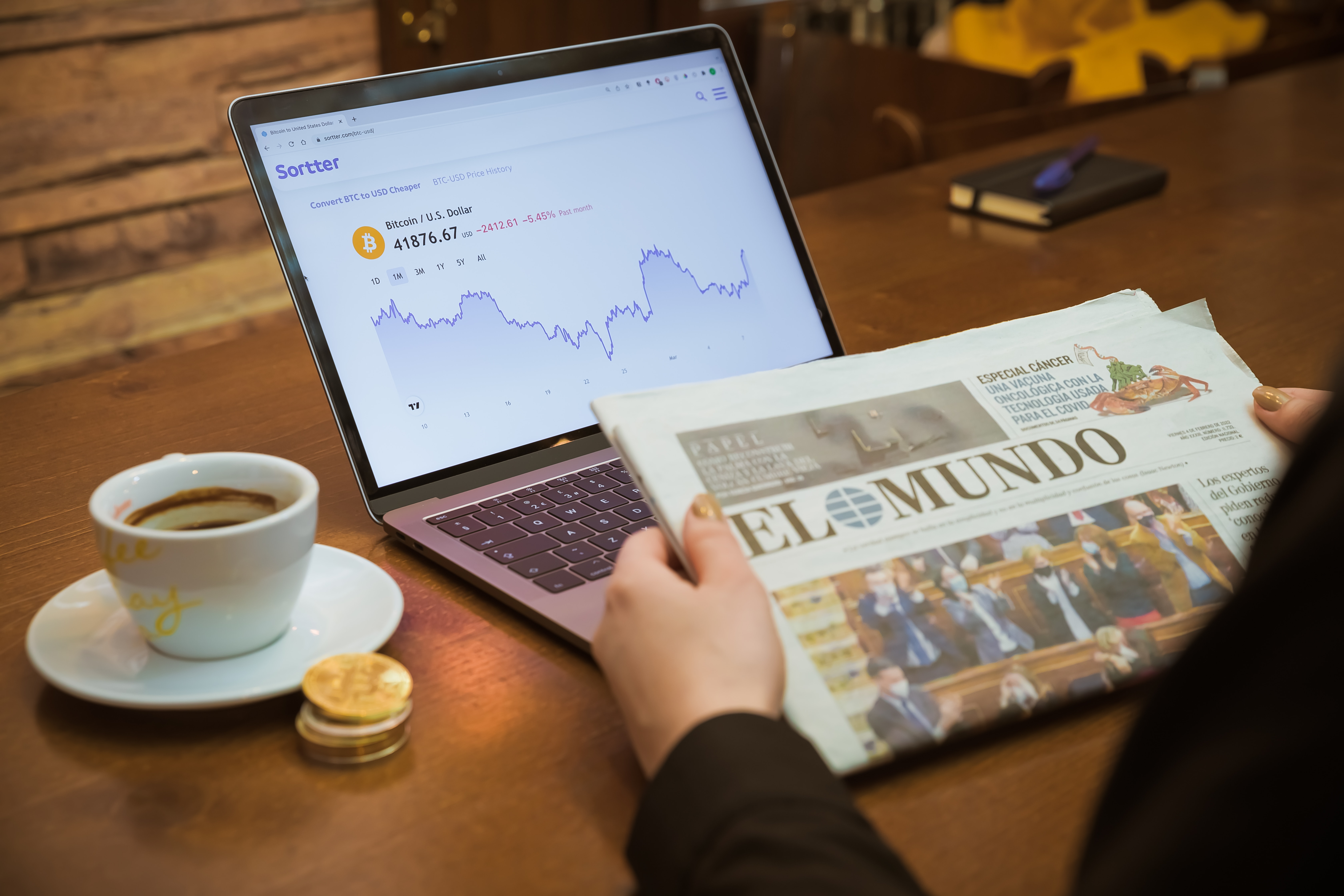
Fear of missing out, or “FOMO,” seems to be a common trend with investors. Whether it was GameStop, AMC, Bitcoin, or the FAANGs, the last few years has seen some investors exhibit FOMO as they chase the hottest trends in the market.
Over the past year, the municipal bond market has seen increased volatility stemming from rising interest rates across the yield curve.
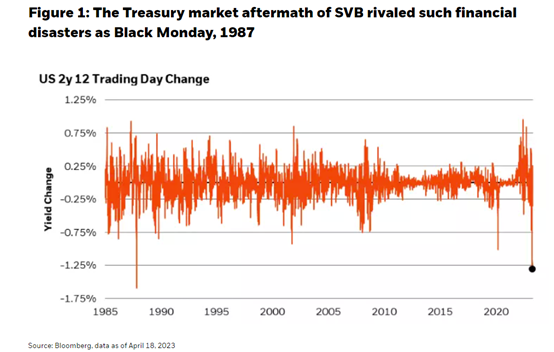
The sudden collapse of two US regional banks and the forced acquisition of Credit Suisse in Europe introduced a third dimension to the existing policy dilemma of balancing inflation and growth objectives: financial stability.
Rick Rieder and team argue that a major shift in market perception of growth, inflation and policy trajectories means investors should consider calling a "time-out" to reassess portfolios.
The market gyrations are not rooted in a banking crisis, but in financial cracks from rapid rate hikes.
European stocks have outperformed this year as China’s economy restarts and the energy shock proved less severe than expected.
As fourth-quarter earnings rolled in with mixed results, the stock market opened the year in rally mode.
Inflation appears to have peaked, led by improvements in core goods prices and rate-sensitive sectors like housing.
The Aiguille du Midi, neighboring popular Mont Blanc in the French Alps, is famous for having the highest vertical ascent cable car in the world, a vertigo-inducing ride that is equal parts scary and awe-inspiring.
Rick Rieder and team outline how to think about portfolios as we enter 2023.
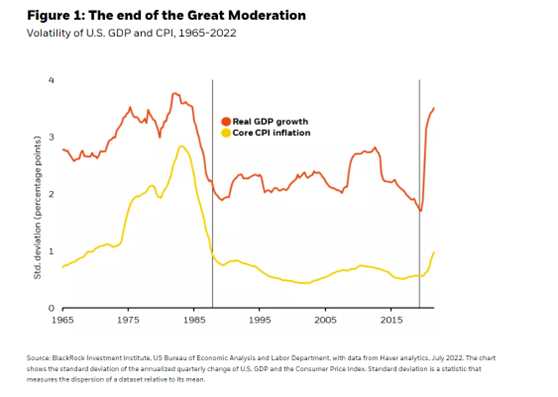
For years leading up to the pandemic, low inflation and stable growth created a favorable environment for investors that supported sustained periods of robust stock and bond returns. With inflation virtually non-existent, economic downturns were met with monetary and fiscal stimulus that provided a backstop for financial markets.
An astounding $200 million dollars per day, every day, is spent gambling in Las Vegas casinos.
We see central banks on a path to overtighten policy.
Russ Koesterich, CFA, JD, Managing Director and Portfolio Manager, of the Global Allocation team discusses whether markets have bottomed or not.
Millennials were more comfortable with the stock market this year, a May survey found. We explore the outlook for equities through a generational lens.
Growth stocks enjoyed a supercharged post-COVID rally before higher rates and inflation dealt a heavy blow in 2022.
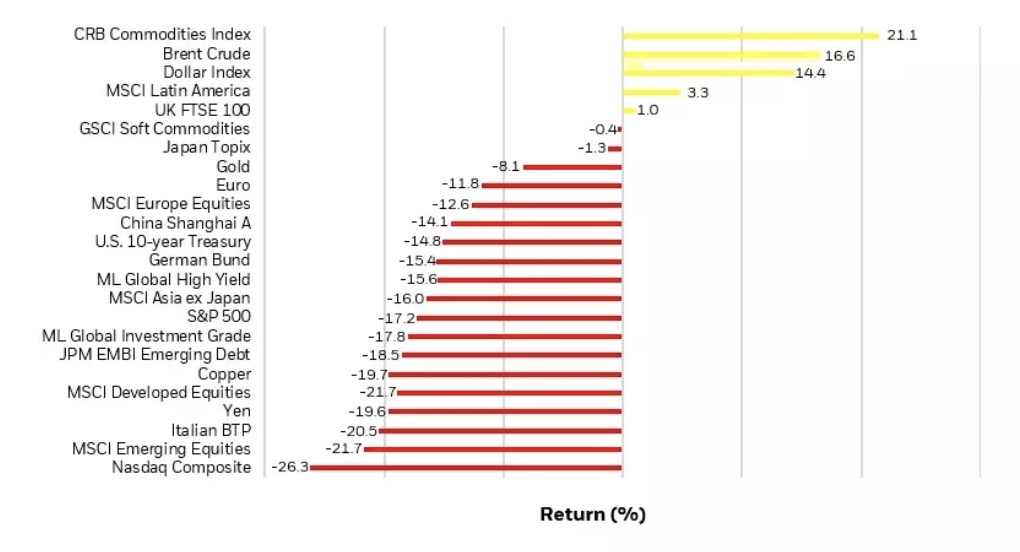
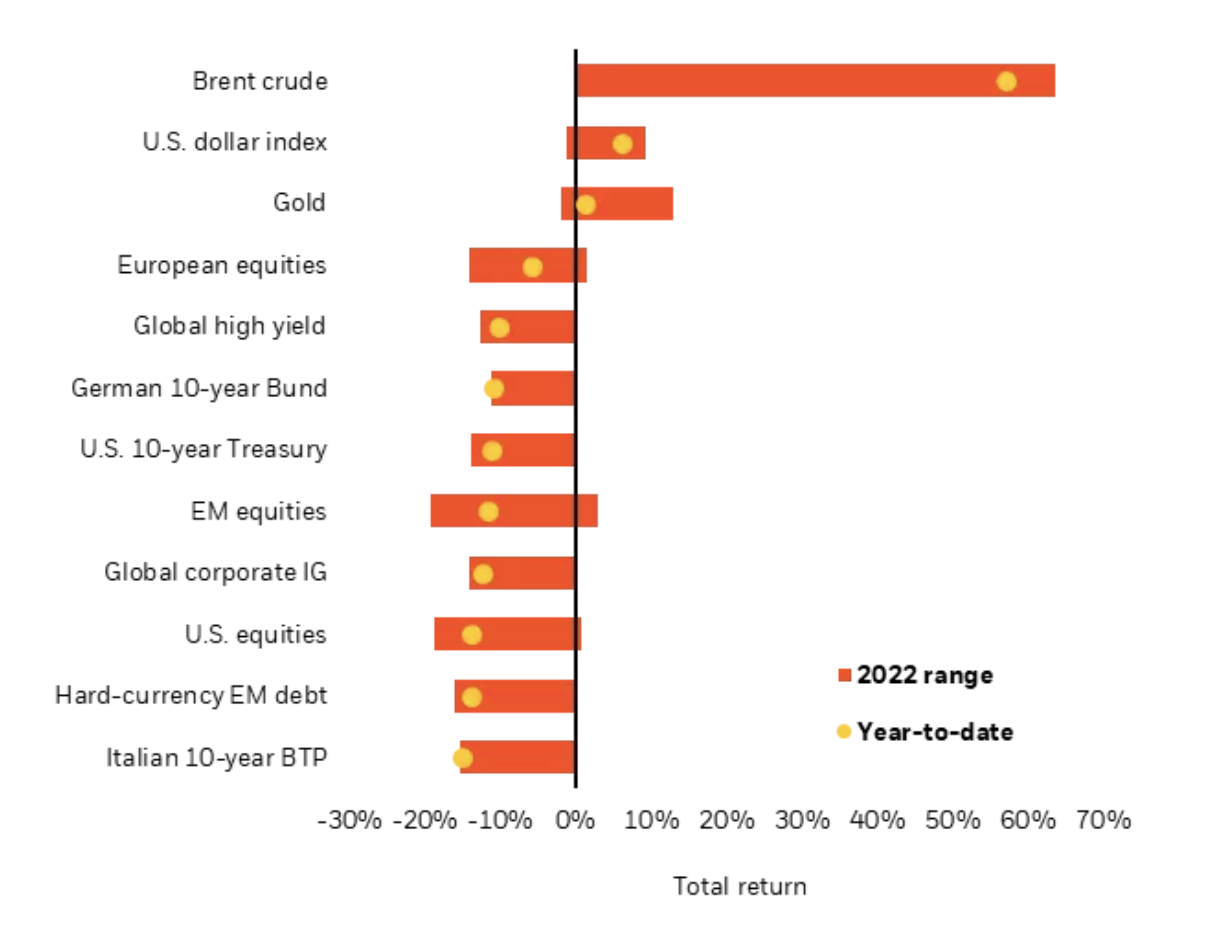
The list of assets that have risen year-to-date is both short and odd: energy, broad commodity indexes and the dollar.
Over the last few months, the Federal Reserve (Fed) has changed its angle of attack quite dramatically, in an attempt to battle surprisingly and stubbornly high inflation.
Balancing acts. As the Fed walks the line between curbing inflation and averting recession, anxious investors are seeking to balance the two risks. Amid the uncertainty, we believe stock selection matters more.
After a lower-than-expected July inflation print led many investors to rejoice at the prospect of inflation having peaked, the recent August print showed that consumer prices continued to rise year over year – albeit more slowly than prior months.
This year has been a tough one for retirement savings. Inflation is high, markets are volatile and it’s hard to know where we’ll be in a few weeks, months or even a year.
Most consumers wait for things to go on sale before buying them, look for promo codes prior to purchasing something online, and suggest that discounts are the greatest influence on their purchase decisions around the holidays...
Russ Koesterich, Managing Director and Portfolio Manager, of the Global Allocation team explains why investors should expand their definition of quality in today’s market environment.
We met with the portfolio managers of BlackRock Strategic Income Opportunities to have a wide-ranging discussion on their approach and why it’s so well suited to the current market environment.
What to do in equity portfolios at the midyear point? Fundamental Equities CIO Tony DeSpirto assesses the backdrop and identifies three favored sectors.
Over the last year, we’ve experienced heightened macroeconomic uncertainty with several events impacting society and financial markets.
The ECB and the Fed both need to quickly normalize policy from the emergency settings adopted when the pandemic first hit.
The geopolitical crisis in Ukraine creates a stagflationary shock for global economies. The plan to fight inflation just got far more complicated for global central banks.