2026 promises to be anything but dull. Rapid AI investment and adoption will likely continue to dominate market sentiment, and given the pace of technological advancement, it is hard to imagine this won’t ultimately deliver meaningful productivity gains.
Investors continue to enjoy the bull market but remain somewhat nervous about valuation. Policy uncertainty is higher than usual, in part because there are so many policy changes at the same time.
Bob Doll, CEO & CIO at Crossmark Global Investments, explains why double-digit earnings growth and multiple Fed rate cuts seem incompatible.
Bob Doll, CIO at Crossmark Global Investments, provides his annual 10 predictions for financial markets.
One of the most common questions you hear when professional investors are being interviewed is “what do you think is interesting in the current market environment?”
Doll’s Deliberations this week summarizes some short-term expectations and some longer-term issues.
Stocks rose last week (S&P 500 +4.7%) after falling to a 2.5 year low the week before. The increase was attributable to technical and sentiment reasons, but also Q3 earnings reports coming in less bad than feared.
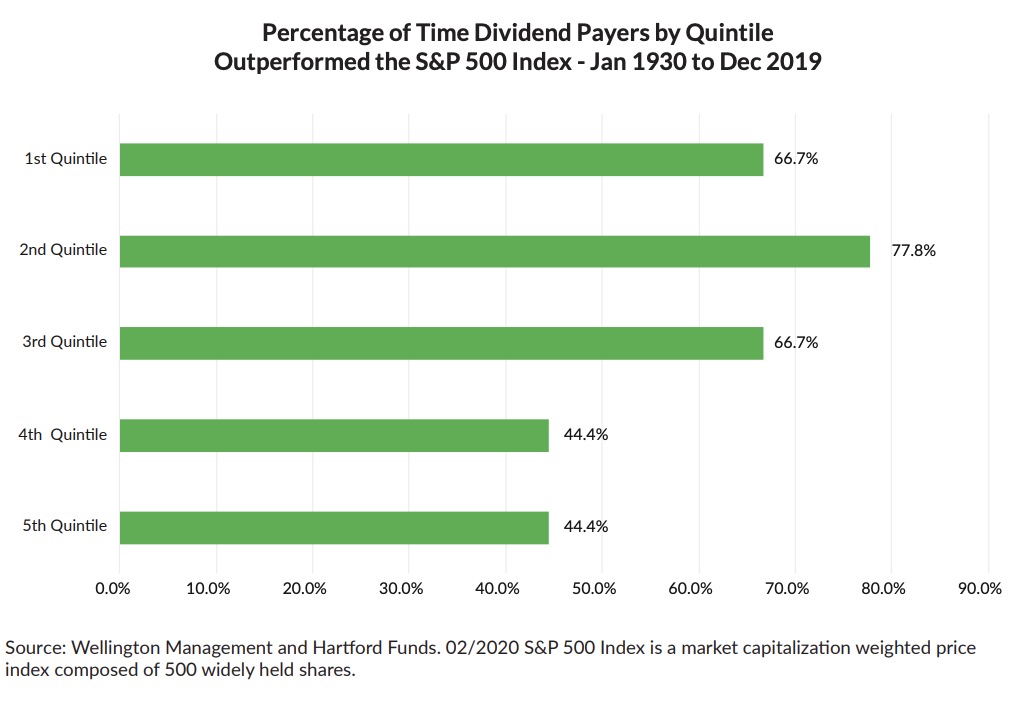
Dividends and dividend-paying stocks are getting renewed attention in recent months.
U.S. equities finished higher last week (S&P 500 +2.6%) as Treasury yields fell and growth nicely outperformed value. 2Q earnings are coming in less bad than feared.
Our view is that the equity market is in a tug of war between a good earnings tailwind and a modest valuation headwind.
Over the last 10+ years, U.S. equity outperformance has been caused by increased profit margins, the accretive impact of share buybacks, dollar weakness, and most significantly, an outsized expansion in equity multiples. There are risks to all of these sources of outperformance, suggesting that a neutral long-term strategic allocation to U.S. equities is now likely warranted.
Equities have enjoyed strong gains since the pandemic low of 2020, aided by massive monetary and fiscal stimulus, excess consumer savings, and incredibly negative real policy rates and bond yields.
The purpose of this whitepaper is to highlight the development of values-based investing at a summary level and, more importantly, provide research that indicates there is no sacrifice of investment returns in adopting a faith-based approach to values investing.
The inflation outlook has become a hotly debated topic in recent months. So far, this has had only a minor impact on financial asset pricing, but bond yields may be a coiled spring at risk of painfully adjusting higher when investors eventually discover inflation is an issue.
In the wake of the COVID-19 pandemic and the social justice movement, investors are paying much more attention to the social element of ESG -- specifically, how companies treat their employees, respond to political issues, and philanthropic efforts.