First Trust Advisors
Warsh Has the Fed Right Where He Wants It
We’re back to reading tea leaves! Hooray! Next week the Federal Reserve will have its second meeting since Kevin Warsh officially took the helm. And, at this point, the outcome is far from certain, which is unusual given that ever since Ben Bernanke instituted “forward guidance” the market usually knew what to expect.
Is US Democracy at Risk?
As we move toward the mid-term elections, many are making the argument that “democracy is at risk.” We get politicians making this argument, but when supposedly sober political and economic analysts start to make it, we do get worried.
America's 3.5-Second Miracle

America has proven that men and women not only can make their own history, but they can make it as they please, with circumstances chosen by themselves.
Alan Greenspan, RIP
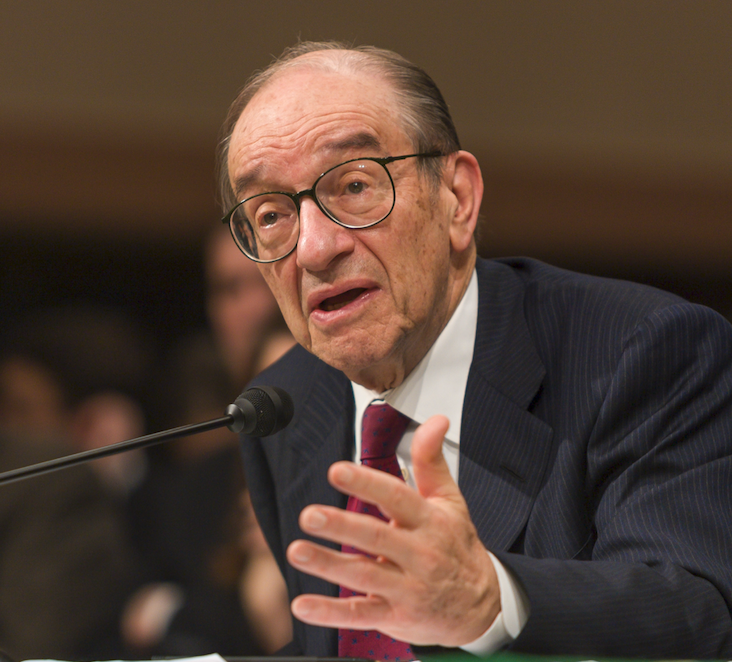
Alan Greenspan passed away last week at the ripe old age of 100. Other than presidents, few Americans have wielded as much power in the arena of economic policy as Greenspan did during his roughly eighteen years and five months at the helm of the Federal Reserve.
New Leadership, New Direction
The results of Kevin Warsh’s first official set of meetings on monetary policy as the Chairman of the Federal Reserve were like a breath of fresh air.
Chair Warsh and a New Era for the Fed
In Kevin Warsh’s first meeting as Fed Chair, the FOMC held on rates but made significant changes to both their economic projections and the nature of today’s Fed statement. And today’s press conference shows there is a lot more change to come.
Is Productivity Growth Picking Up?

This week the Fed has its first meeting under new Chair Kevin Warsh. For only the third time in US history, the former Chair, Jerome Powell, will still participate as a regular member of the Board of Governors.
Are Rate Hikes on the Way?

The job market was surprisingly strong in May with non-farm payrolls growing 172,000, beating even the strongest forecasts for the month. As a result, the futures market is now pricing in a quarter-point rate hike later this year and more likely than not another quarter point rate hike sometime in 2027.
More Slow Home Price Growth Ahead

A little more than six months ago there were narratives circulating that national housing prices were in an even bigger bubble than the one twenty years ago and headed for an “inevitable” collapse. Given that national home prices dropped about 27% from peak to bottom in the last housing bust, that would be something to worry about.
Not So Bad

You don’t have to go very far to find lots of negative commentary in the popular press about the current state of the US economy. High gas prices (due to a “war of choice”) are squeezing consumers’ budgets, and so the economy is headed for a ditch.
Making the Fed Great Again
One thing most people don’t know is that prior to the invention of the Fed, other than during wars, there was almost no inflation. Various sources including the Federal Reserve regional banks show the purchasing power of $1 in 1900 was the same as or higher than it was in 1800.
The Bull Case is Largely Based on Hope
The stock market is on an absolute tear, with the Nasdaq up 5% last week and nearly 13% year-to-date. The proximate causes include a cease-fire somewhat holding with Iran, a 28% surge in S&P 500 corporate profits in the first quarter, and some consensus-beating economic reports, like Friday’s payroll numbers.
Chairman in Name Only
Kevin Warsh wants to make some big shifts in monetary policy at the Fed. Unfortunately, unless and until soon-to-be former Chairman Jerome Powell steps down from his regular seat on the Federal Reserve Board, Warsh will be Chairman in Name Only.
So Long, but Not Farewell...
Geopolitics – beyond the Fed’s control – have added to economic uncertainty and cloud the outlook as Fed Chair nominee Kevin Warsh (who this morning won the backing of the Senate Banking Committee and will now head to the Senate for final confirmation) looks almost certain to take the reins in just over two weeks.
GDP: Mediocre Top-Line, Weaker Details

For all the chatter about Artificial Intelligence lifting economic growth, GDP isn’t showing it yet. We are projecting that real GDP grew at a 2.0% annual rate in the first quarter, matching the average annualized pace of growth since the peak back in late 2007, right before the Financial Panic and so-called Great Recession. In other words, mediocre growth.
Modest Government Spending Shrinkage
The federal government is still on an unsustainable fiscal path with the national debt reaching $39 trillion in March and set to move higher in the years ahead as we keep running budget deficits. However, beneath the headlines both revenue and spending trends have shifted in a positive direction. It’s possible that investors are recognizing this and this may be helping buoy stock markets.
Rate Cuts on Backburner
If you expect Kevin Warsh to quickly take the helm at the Fed and start cutting rates, you need to adjust your expectations.
Election Year Forecast: A Divided Congress
At this point, we think the odds are very high that the Democrats win back the House in the mid-term election in November. Compared to how they did in 2024, the Democrats only have to gain three seats to take back the House.
Stocks See Troubles Brewing
The US economy grew a pedestrian 2.0% last year and the Atlanta Fed’s GDP Now is currently projecting real GDP growth at a 2.0% annual rate in the first quarter. If anything, we think there is more downside risk than up to the first quarter projection.
It's a Topsy Turvy World

The Fed’s decision made sense: don’t change the target for short-term interest rates if we don’t know what the world will look like tomorrow. But investors need to remember a couple of important things. Rate cuts, if they ever come, are less important than the money supply.
No Conviction
As expected, there was no rate cut at today’s meeting, but changes to economic projections and comments at the press conference gave some light into how the Fed is processing political and geopolitical events, and how those events are shaping the Fed’s outlook.
War, Oil, and Recession
In the aftermath of the first Internet stock-market bubble of the late 1990s the economy went into a relatively shallow recession starting in 2001. That recession was precipitated by a tight monetary policy, with the Federal Reserve setting short-term interest rates consistently above the pace of nominal GDP growth (real GDP growth plus inflation).;
Tepid Growth, But Growth

About a month ago the financial markets were surprised by a January jobs report that was stronger than expected. The consensus was for a gain of 68,000 private-sector jobs, but the actual came in at a much higher 172,000.
The Great Reset

History may rhyme, but it doesn’t repeat. War is uncertain, and while the US and Israel are dominating, investors would be foolish to assume they know every twist and turn to come. Even here at home, where threats exist.
Higher Tariffs Not Dead

As we expected, the Supreme Court struck down most of the new tariffs President Trump had imposed since taking office thirteen months ago.
Good GDP, Not So Good Jobs
If you’re grading the economy based on real GDP, it looks pretty good; if grading based on jobs, not so much.
Will Kevin Warsh Fix the Fed
President Trump finally made his pick for Fed Chair and it is Kevin Warsh. A Wall Street Journal editorial said Warsh has been “the leading voice in public life for reforming the Fed.”
Nothing, for Now
The Federal Reserve held rates unchanged at the first meeting of 2026, while it waits to see what direction inflation, employment, and other policies take in the months ahead.
No Rate Cut Wednesday
The Fed meets on Wednesday to discuss the direction of monetary policy. With the futures market pricing the odds of “no change in rates” at 97.2%, no one should expect a rate cut at this meeting…or, we think, anytime soon.
Peering Through the Data Fog

The data are mixed and trying to draw definitive conclusions from it is virtually impossible. This fog should lead everyone to maintain a cautious investment stance. What does that mean? Be careful concentrating too much in high priced sectors of the market. Broaden out. When driving in fog, drive more defensively.
2026 Forecast: Still Wary

Last year, we thought economic growth would slow. Verdict: GDP data say we were wrong, employment data say we were right. Last year we thought the stock market would decline. Verdict: it did in March and April, sharply, but the S&P 500 ended the year with an impressive 16.4% gain. Overall, we’d say our negativity was unwarranted.
Is Productivity Picking Up?

When it comes to interpreting the economy we put a premium on sobriety. One good piece of economic data doesn’t mean a boom, nor does one bad report mean a bust.
Greedy Innkeeper or Generous Capitalist?
This reflection reexamines the traditional Nativity narrative, suggesting that the "no room at the inn" dilemma was a result of government-mandated census pressures rather than the greed of a private innkeeper.
No More Flying Blind!

We’re finally breaking out of the clouds! Economists have mostly been flying blind because of the government shutdown, but this week the data really start to flow again. In particular, we get a partial report on the employment situation in October and a full report for November, retail sales in October, and consumer prices in November.
No Risk-Free Path

The Federal Reserve concluded its last meeting of 2025 with another quarter-point rate cut, while maintaining its outlook for only one cut in 2026.
The Future of the Fed
This week features two crucial monetary policy events: the widely anticipated Federal Reserve meeting on Wednesday, where a rate cut is expected along with new economic projections; and the Senate hearing on Thursday focused on "The Fed's Big Bank Welfare Program" (IORB regime).
Inflation Does Not Fix Anything, Especially Debt

In the ten years prior to the onset of COVID, the consumer prices index rose at an average annual rate of 1.7%. Since the onset of COVID the overall CPI has risen at a 4.2% annual rate. Inflation peaked at about 9.0% back in 2022 but is still hovering between 2.5 and 3.0%, which is above the Federal Reserve’s official target of 2.0%.
No Home Price "Collapse"
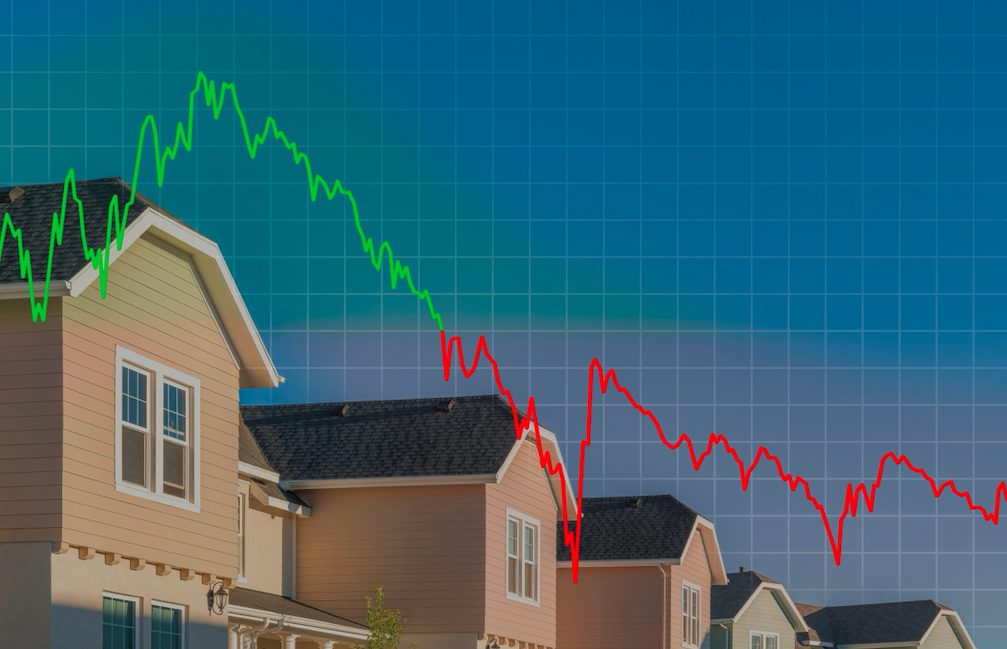
Many of you may have recently seen a chart circulating on the internet suggesting a nationwide collapse in home prices is on the way, that we are in the “biggest bubble in history,” the collapse is “inevitable and nothing can stop it.”
Demand-Side Trickle-Down

Clearly, policies which boost individual freedom, not government engineering, work best. And as usual, the arguments of one political party are often designed to hide the fact that their policies are the very thing they claim to detest in the other.
A Very Political Week
With the next deadline at the end of January, well past Christmas, another shutdown and spending battle is brewing early next year. Investors will need to watch the next one closely to see if policymakers who want to control deficit spending are able to make progress.
Capitalism vs Socialism
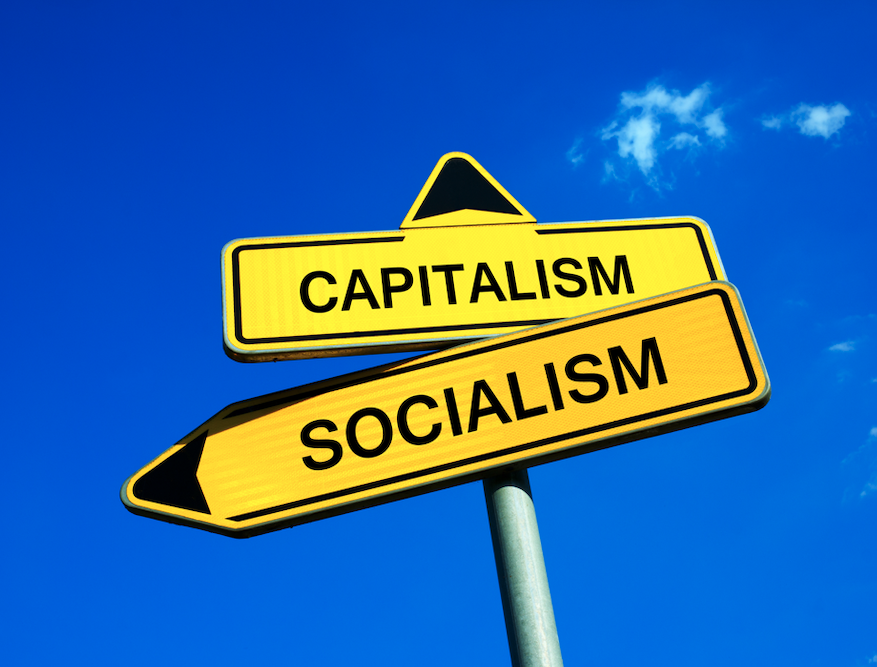
History is absolutely clear – Capitalism is the best system ever developed (actually evolved by human experiment) to boost living standards. At the same time, Socialism has a seriously lousy record.
Navigating the Fog

Regulatory changes and productivity gains could push growth to move even faster in the years ahead. But we are also still dealing with the uncomfortable process of moving away from government stimulus and massive deficit spending that have boosted growth numbers in the post-COVID era but were unsustainable.
A Shutdown Government Delivers One CPI Report
A small part of the federal government took a short break from being shut to make sure the Labor Department could deliver the September Consumer Price Index.


History Rhymes – Don't Forget It

No one, that we know of, is saying Artificial Intelligence (AI) isn’t an amazing new technology that will have an important impact on life, investing, and the economy.
The Shutdown Showdown
Economic data are all over the place. GDP keeps growing in spite of signs of weakness in the labor market. Tariff policy is volatile, immigration has slowed, monetary policy tightened in 2023-24, with the M2 measure of money declining and “real” short-term interest rates consistently higher than at any time since 2010.
Monetary Musings

The stock market surged to new highs after the Federal Reserve cut the federal funds rate last week and the futures market has priced in more cuts to come. However, these cuts have not helped reduce long-term interest rates and the price of gold has surged to over $3,700 an ounce.
Risk Management

The Federal Reserve cut rates by 0.25% today, citing a rising risk to the employment side of their dual mandate. While that was no surprise, there were many questions on where the Fed would go from here, and what it would take to accelerate or slow the pace of policy adjustment.
So, Maybe That Drop In M2 Really Did Matter

In spite of what appeared to be relatively good data, many polls throughout the 2024 election cycle showed more than half of all voters rated the economy as “poor.” That left the Biden/Harris team often wondering why they couldn’t get credit for what official statistics said was a robust economy.
Immigration, Tariffs, and AI, Oh My!

Over the past twenty years, in spite of incredible new technologies, US real GDP growth has averaged just 2.0% at an annual rate. By contrast, in the twenty years prior to the most recent twenty – from the mid-1980s thru the mid-2000s – real GDP grew at a 3.2% annual rate.
Do Valuations Matter?
For the past two years, we have been warning that the stock market is overvalued. While our capitalized profits model is simple, it is more complex than just looking at price-earnings or price-sales ratios.
Fed Still Evading Key Issues
Last Friday, Jerome Powell gave the Fed Chief’s annual speech at the Kansas City Fed’s 2025 meeting in Jackson Hole, WY.
Departures From Free-Markets Aren't New
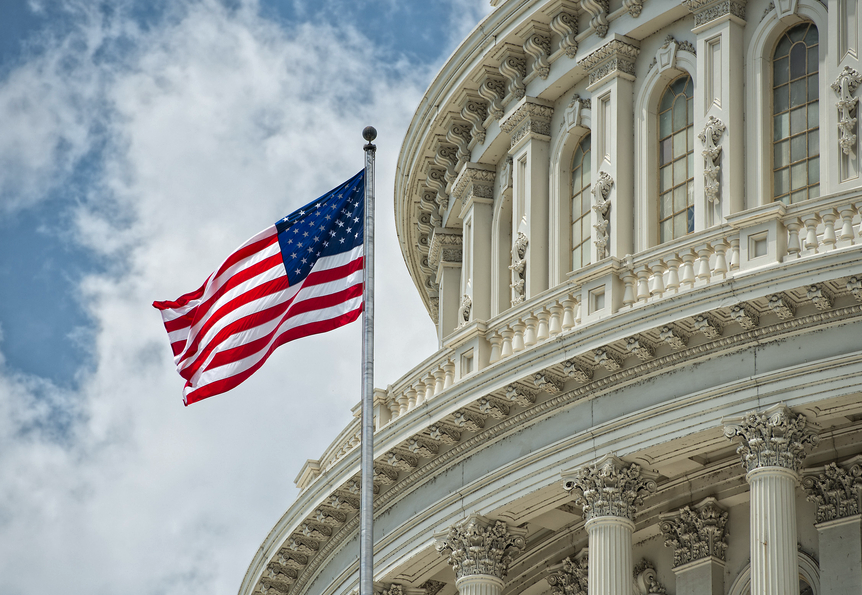
Recently, due to deals President Trump is making, some are saying the United States has embarked on a version of Chinese-style “state capitalism” – directly entangling markets and government.
As the Fed Turns
At the last meeting two weeks ago, Chairman Jerome Powell got the Federal Reserve to stand pat on interest rates, but not without a struggle.
Everything is Political...Be Careful

It certainly seems hyper-politicization has come to every piece of economic data. Last week’s data are poster children for this, and the overbroad interpretations of the data by investors, the general public, policymakers, and politicians sow confusion.
Waiting, but Why?
The Federal Reserve held rates steady for a fifth consecutive meeting, though murmurs have begun in the Fed ranks that the time for more cuts is approaching.
Q2 Rebound is No Big Deal
President Trump announced higher tariffs were on the way almost as soon as he took office. As a result, businesses focused on buying foreign goods in advance, to front run those tariffs, putting some of their purchases from domestic producers on the backburner.
Fed Independence is a Myth
Every year the Per Jacobsson Foundation hosts and publishes a lecture on Monetary Policy. Back in 1979, Arthur Burns delivered the annual lecture in Belgrade, Yugoslavia (link). He titled the lecture “The Anguish of Central Banking” and he came clean about the Federal Reserve’s inflationary policies in the 1970s.

America's 3.5-Second Miracle

In 1852, Karl Marx said "Men make their own history, but they do not make it as they please; they do not make it under circumstances chosen by themselves, but under circumstances directly encountered and transmitted from the past."
Mirror-Image Quarters and Iran

Looking back on it, the first quarter of the year was a complete anomaly. Real GDP declined at a 0.2% annual rate, and the left side of the political spectrum said this proved current policies were a disaster.
Slower Growth, Higher Unemployment, Still Two Cuts
The Federal Reserve held rates steady today, while also projecting slow economic growth, higher unemployment, and higher inflation. And while the Fed signaled that two further rate cuts are still their base-case for the remainder of 2025, the timing of those cuts remains up in the air.
Dueling Economies

The United States consumes a large share of its GDP; China, not so much. The result is Yin and Yang. On net, China produces and the US consumes.
Thoughts on Inflation
Back during the Financial Panic of 2008, clickbait media kept screaming “Hyperinflation.” We consistently pushed back against this theme, and argued inflation would not accelerate.
GDP Up, Inflation Down
Conventional wisdom was that the tariffs imposed by the Trump Administration would cause higher inflation and slower growth – stagflation as far as the eye could see. But this past week brought economic news that defied this prediction.
Debt Downgrade Drama and the Budget
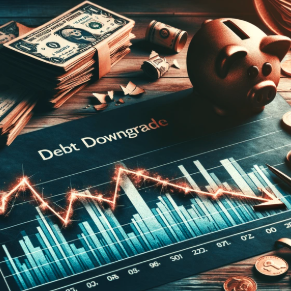
Moody’s finally downgraded US government debt on May 16th to Aa1, its second highest rating. With the US $36 trillion (and rising) in debt, it’s not hard to see why. But Moody’s was late to the party with S&P and Fitch (the other two major ratings agencies) having done so long ago.
Does Anyone Care that Keynesianism Doesn't Work?

Milton Friedman, Art Laffer and other market-believing economists had their long day in the sun during the 1980s and 1990s. Tax rates fell and government spending declined relative to GDP. But – ironically, in the long run, and long after he passed away – John Maynard Keynes got his revenge.
Is The Dollar Really Dying?
Back on January 10, 2025, it cost $1.024 to buy one Euro. Last Friday, the $/Euro exchange rate was $1.125 – a drop in the value of the dollar of about 10%. Similar moves in the value of the US dollar versus the British pound, Japanese yen, and Canadian dollar also occurred.
Awaiting Further Clarity
The Federal Reserve held rates steady today, while emphasizing that elevated uncertainty has clouded the path forward. If, when, and how much tariff policy will change in the months to come will play a large part in dictating the next move for the Fed.
No Recession Yet, But Risks Remain

Noise about tariffs, business uncertainty, a constitutional fight, and a drop in stock prices had already created fear of a recession. When real GDP declined in the first quarter of 2025, some started to question if a recession is already here. Let’s take a deep breath and consider the facts.
Don't Watch "Cash on the Sidelines"
As we have written…The Era of Easy Everything is ending. Part of this involves bringing inflation back to the Federal Reserve’s target of 2.0%. We could debate that number, but the Fed is getting closer.
Near Zero Q1, Uncertainty Ahead

We’ve expected a recession for more than a year now. Simply put…the Era of Easy Everything is Over. Expanding deficits and easy money (that have lifted the economy since COVID) are no longer with us. At the same time, tariff negotiations have created an unbelievable amount of uncertainty.
Three on Thursday: The Dollar Endures: Strength, Stability, and Global Trust
In this week’s installment of “Three on Thursday,” let’s explore some of the dynamics surrounding the United States dollar. In an era of inflation, massive debt, large deficits, and threats of tariffs, there are persistent rumors circulating that the dollar is at risk of losing its reserve currency status.
Time to Cut Rates

We think it’s important for the Fed to move gradually. The US dollar has weakened lately, and, as a result, there is little case for a drastic loosening of monetary policy. The Fed could let up somewhat on bank regulations and capital requirements, which would help the struggling bond market.
Tariffs, the Economy, and Stocks
The Federal Reserve started raising short-term interest rates three years ago and the M2 measure of the money supply – what Milton Friedman said to focus on – soon started declining, hitting bottom in late 2023.
Inflation, the Fed, and the Markets
During the ten years prior to COVID, PCE inflation, the Fed’s preferred measure, averaged about 1.5% per year. Jerome Powell said it was too low and he wanted inflation to “average” 2% over time.
Symptoms or Causes

In spite of severe polarization on so many issues, there is at least one thing that Americans agree on across the entire political spectrum, left, right, and center. That is: At some point in the past sixty years, or so, something major went wrong with the US economy and it is still causing problems today.
Uncertain
The Federal Reserve held rates steady today, but downgraded the outlook for economic growth in the year ahead. Policy changes in Washington, looming tariffs, and a cautious consumer have made “uncertainty” the new favorite word in the Fed’s vocabulary.
A Recession Wouldn't Help the Budget
Every so often we hear a theory that makes sense superficially but on closer examination doesn’t add up. The most recent one is that the Trump Administration wants a recession (or at least wouldn’t mind one) because interest rates would drop, making it easier to service the national debt.
It's Not All About Tariffs

It is true that tariffs are a tax. It is also true that tariff policies have been volatile…on and off again…different carve outs…different countries…phone calls that change things. All of this clearly has an impact on the market. So, we are not surprised to see stock market volatility.
Recession Alert?

Is the US already in recession? Probably not. But in the first quarter, real GDP is very likely to have a minus sign in front of it. Yes, a negative reading for real growth!
Inflation and DOGE

We have called inflation “political kryptonite” because it is so damaging to politicians. Clearly, inflation played a role in the 2024 election. So now that President Trump sits in the Oval Office, his opponents have been trying hard to link anything and everything in his agenda to inflation.
The Constitution at Work

The Framers of the Constitution designed our government to be small. Not so small and weak as the one under the Articles of Confederation, which the Constitution replaced, but small nonetheless.
Data Games

The federal government gets a great deal of grief when it issues economic reports and it’s not hard to see why.
Inflation, Tariffs, and the Fed

The Federal Reserve made it clear on Wednesday that it’s not about to cut short-term interest rates again anytime soon, which is good news if you’d like to see the Fed live up to its goal of bringing inflation down to 2.0%.
Wait and See

Following 100 basis points in rate cuts through the back half of 2024, the Fed started 2025 with a pause, placing itself in wait and see mode for the foreseeable future.
Growth Continued in Q4

We still believe the odds of a recession are higher than most investors think. Monetary policy tightening started back in 2022 and inflation remains above the Federal Reserve’s 2.0% target, which means the Fed will be reluctant to get loose anytime soon.
The 60/40 Model and The Elephant in the Room

As economists and financial market forecasters, we are constantly amazed at how so many people analyze, forecast, research, and discuss important topics without ever addressing the elephant(s) in the room.

2025: A Year of Promise and Paybacks

The College Football playoffs included 12 teams this year and all five automatic berth teams (because they won their conference championships) are now out, including the top two ranked teams, Oregon and Georgia. It wasn’t supposed to turn out this way, and the debate about why has only just started.
Jimmy Carter, RIP

Jimmy Carter, the thirty-ninth president of the United States passed away this weekend, at age 100, the first former president to ever reach that milestone.
Greedy Innkeeper or Generous Capitalist?

The Bible story of the virgin birth is at the center of much of the holiday cheer this time of year. The book of Luke tells us that Mary and Joseph traveled to Bethlehem because Caesar Augustus decreed a census should be taken.
Where to From Here?
The Federal Reserve cut interest rates for the third time this year but signaled the path forward will likely be more gradual – and less certain – than previously forecast.
We Need Peter Doocy at a Fed Presser
The most fun anyone has had at a Jerome Powell presser was when a reporter asked about President Trump removing Powell from his job.
Irresponsible and Addictive Deficits

Why hasn’t tighter monetary policy caused a recession? One reason: federal budget deficits have been huge.
Inflation Distractions

It’s hard to keep track of all the theories about inflation. Remember policymakers and analysts blaming the surge in inflation in 2021-22 on supply-chain disruptions, too much government spending, and Putin invading Ukraine? Now some are saying that tariffs and deportations are going to cause a second surge in inflation.
Budget Rule Shenanigans
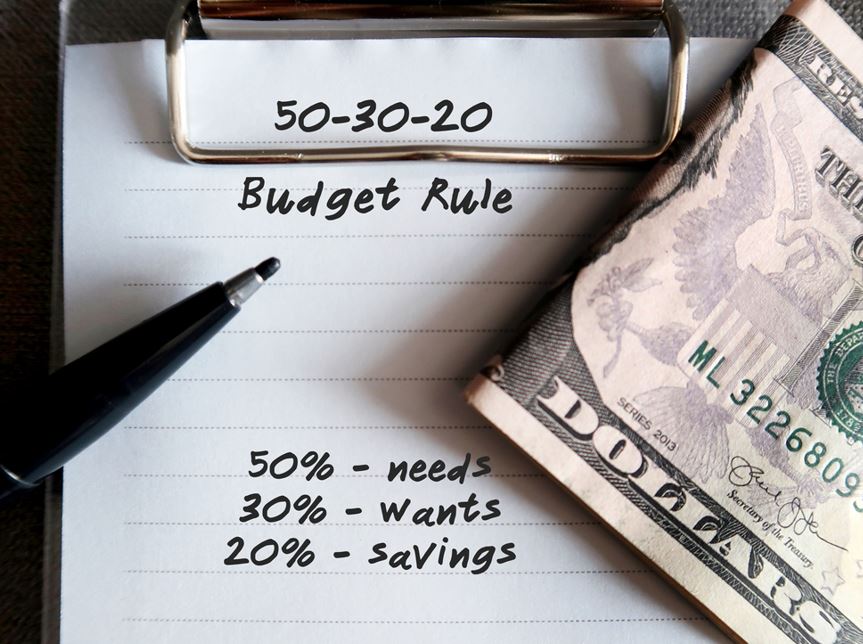
he Tax Cut and Jobs Act (TCJA) was passed in 2017, otherwise known as the Trump Tax Cuts.
Don't Forget the Lags

In our lifetimes, the best comparison for Trump’s election win is Ronald Reagan’s in 1980. That election, like this one, pitted big spenders and champions of government against tax cutters and critics of government.
Downsizing the Bureaucracy Won't Crash the Economy

The new Trump Administration hasn’t wasted any time since last week’s election win, with new information around economic policy and staffing appointments making news on a daily basis. In our opinion, the recent announcement of a new Department of Government Efficiency or “DOGE” headed by Elon Musk (who obviously came up with this name and acronym) and Vivek Ramaswamy, has been the most important so far.
The Fed's Challenge

The Federal Reserve cut short-term rates by a quarter percentage point last week, like pretty much everyone expected. In addition, the Fed didn’t push back hard against market expectations of another quarter-point cut in mid-December, so unless the economic or financial news changes dramatically by then, expect a repeat at the next meeting.
Hold the Course

While investors and institutions were digesting the results of Tuesday’s elections, the Fed was meeting to determine the path forward for rates. Following on the 0.5% (50 basis points) start in September, the Fed cut rates by a further 0.25% today and the markets are forecasting another cut to come in December, but the odds of that move have ticked lower.
Finally, Election Eve

It’s almost over! Unfortunately, those texts might not stop right away. Unless this election is an unexpected blowout, some key states won’t have full counts of all their ballots for several days.
Markets are Smarter than Government

To paraphrase Milton Friedman: There are four ways in which you can spend money. You can spend your own money on yourself. You can spend your own money on somebody else. You can spend somebody else’s money on yourself. Finally, you can spend somebody else’s money on somebody else.

Have We Reached Peak Keynesianism?

There are two types of economists in the world…demand-siders and supply-siders. Without digging too deeply, one huge difference shows up in government policy.
The Politics of Limits

The federal debt is already $35 trillion and currently rising by roughly $2 trillion every year – with no end in sight. As a result, some investors are worried that the US could become a 21st Century version of Argentina: completely bankrupt and unable to pay the bills.
Profits and Stocks

Like it does once every year, last week the Commerce Department went back and revised its GDP figures for the past several years. And while the top line revisions to Real GDP were pretty small, there was a larger revision to corporate profits.
The Budget Blowout

With only one week left in the fiscal year, it looks like the budget deficit for the federal government for Fiscal Year 2024 is going to come in at about $1.9 trillion, which is 6.7% of GDP.
And We're Off!

The Fed began the process of rate cuts today, and they came out not with a whimper, but with a bang, cutting rates by 0.5% (50 basis points). Following the June meeting, Fed members forecast it would be appropriate to cut rates once – by 25 basis points (bps) – in 2024. Three months on, they have already surpassed those expectations, and forecast further cuts before the year is through.
It's Money, Not Spending, that Causes Inflation

You don’t have to read or listen for long these days before you hear a politician, pundit, or politically-inclined person say: “Government spending causes inflation.”
Slower Faster
Friday’s employment report suggests the US economy may be slowing down faster than most investors think
Rate Cuts on the Way

We all knew it was coming…and in Jackson Hole, Federal Reserve Chairman Jerome Powell said it will come next month. He said, “the time has come,” and the futures markets have priced in either a 25 or 50 basis point rate cut at the meeting on September 18.
Price Controls Redux?

Unfortunately, when it comes to the government, what’s old is sometimes new again.
The Week Ahead

Pretty much every month there’s one week that has the most important economic reports. For the month of August that’s this week. The reports this week include consumer price inflation, producer prices, retail sales, industrial production, housing starts, and unemployment claims.
Monetary Policy is Out of Control

The growth of bureaucracy around the world has led to a proliferation of rules. This creates multitudes of problems, one of which is that the state has made understanding what it is doing impenetrable, boring, nuanced, and technical.
The Lags are Over for Tighter Money

As Milton Friedman taught us many decades ago, monetary policy works with long and variable lags. Recent economic reports suggest that the long and variable lags on the tightening of monetary policy in 2022-23 are starting to come to an end.
September is Live

Could this be the last Fed meeting before rate cuts begin? With inflation moderating and job growth weakening, the Fed prepared markets for a more eventful meeting in September while not committing to anything just yet.
Want Affordable Housing? Build Homes, Cut Government

Listen to enough politicians and it won’t take long to hear about the lack of “affordable” healthcare, drugs, daycare, and housing. This was going on long before inflation returned after COVID. Everyone wants affordable things.

M2 Slowdown Finally Gaining Traction

The lags between a shift in monetary policy and the economic impact are long and variable. While the actions of the Federal Reserve during the pandemic were unprecedented, it finally looks like the excess money pumped into the economy has worked its way through the system. And with the M2 measure of the money supply down from its peak, the economy is reacting.
How Strong is the Labor Market?

We aren’t naturally cynical about economic data, but there are things that don’t add up about the job market.
America's 3.5-Second Miracle

In 1852, Karl Marx said "Men make their own history, but they do not make it as they please; they do not make it under circumstances chosen by themselves, but under circumstances directly encountered and transmitted from the past."
Lessons Not Learned

Back in the early days of COVID, there was one key indicator that signaled or predicted the high inflation ahead: the M2 measure of the money supply. Unlike in the aftermath of the Financial Panic and Great Recession of 2008-09, M2 surged at an unprecedented pace in 2020-21.
Replacing Taxes With Tariffs

Last week, Donald Trump proposed replacing the income tax with a tariff on imports. Washington DC let out a loud, and collective, scoff. The average American was intrigued. More on this in a few…but to be clear, the idea as it stands won’t work in our current system.
Reality Check

Today, the Fed made it clear there’d be fewer rate cuts in 2024, most likely one or two, with a start more likely after the election than before. Meanwhile, the Fed made a mess out of explaining its logic for their new path forward.
Spotlighting Inequality

With a Presidential election less than five months away, expect to hear a great deal of discussion about inequality: the gap between the rich, the poor, and the middle class.
Waiting on the Fed

One of our main contentions in recent months is that the Federal Reserve, by switching from a scarce reserve model to an abundant reserve model, has completely taken over the short-term interest rates marketplace.
Housing Update

Two reports on home prices arrived this morning, one for the Case-Shiller index and another from the FHFA (a government agency that regulates Fannie Mae and Freddie Mac). Both rose in March, and housing prices are up 6.5% and 6.8%, respectively, in the past year.
Are Abundant Reserves Paying for the CFPB?
Back in 2008, the Federal Reserve made important changes in the way it handles monetary policy. We’ve written about them several times, but few really understand. The press won’t ask questions about it and few economists discuss them.
Would Trump Reignite Inflation?

One theory making the rounds is that if President Trump gets back into office, inflation is going to surge.
The Fed Faithful
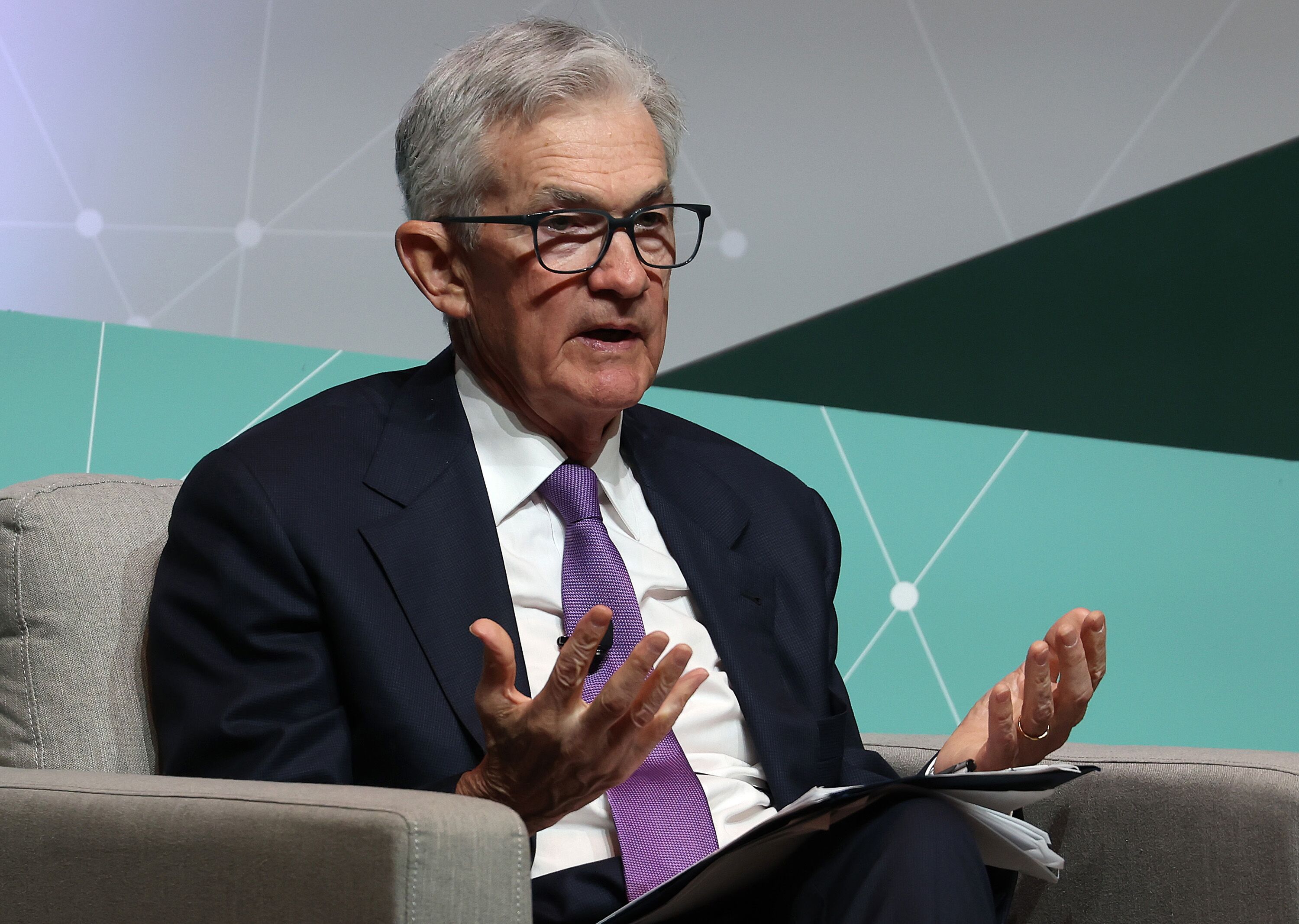
If the financial markets have a religion, we think we know what it is: a deep and abiding faith in the ability of an omniscient Federal Reserve to ride to the rescue if and when the economic weather turns bad.
A Lack of Confidence

No shortage of things to discuss after today’s Fed statement and subsequent press conference.
The Worst Malinvestment

Austrian Economics argues that growth comes from innovation and entrepreneurship, with “the market” directing resources to areas of the economy that provide the greatest returns.

Elections Matter

Mistakes in both geopolitical and fiscal policies compound over time, often leading to more mistakes.
Is the Fed Tight, or Not?

In the waning seconds of one of the most watched women’s college basketball games ever, a foul was called.
The Fed Audit

Several years ago some politicians started demanding that the Federal Reserve get audited. We think the idea has some merits but also some drawbacks, as well.
Welcome to State-Run Capitalism

We’ve mentioned this before, but it bears repeating. It seems that investors pay as close attention to what the government is doing, as they do to actual business news. We don’t think investors are wrong to do this, but it’s only because government has become so big.
Rate Expectations
There was zero chance the Fed was going to cut rates today; instead it was all about what today’s meeting, the dot plot, and the press conference meant for the timing and pace of rate cuts in the months ahead.
Focused on the Fed

The Fed meets this week, which means investors and analysts will be sifting through Wednesday’s FOMC statement, updated economic projections, the “dot plots,” and Powell’s press conference searching for any signal – real or imagined – about what our central bank will do next.
Is the Job Market Really That Strong?
If you only look at the headlines about the monthly payroll report, the job market has looked surprisingly strong in recent months.
Is a Debt Spiral Already Here?

Washington DC continues to spend much more than it gets in revenue. In the Calendar Year of 2023, the federal government spent $6.3 trillion but only collected $4.5 trillion in taxes.
Watching the Fed

Every day this week, investors will get data on the economy. New home sales today, then capital investment, GDP, consumer incomes and spending, manufacturing, and auto sales are on the list. All of this will feed into the outlook for what the Federal Reserve might do with interest rates this year.
January Stagflation

A key economic mistake people make is thinking growth leads inflation. One reason they do that is because inflation is a monetary phenomenon. When money is too easy, first growth rises, and then inflation rises with a longer lag due to excess dollars in the system.
Labor Market Not Adding Up

On the surface, there’s much to like about the job market. But when you get into the details, it’s not quite as strong and some things don’t add up.
May Day

Rate hikes are in the rearview mirror, now the issue is when the Federal Reserve starts to cut.
A Stock Market Conundrum

The economy is still growing. Real GDP rose at a solid 3.3% annual rate in the fourth quarter, and consumer spending was strong in December meaning the first quarter is off to a good start.
Slower Growth in Q4, But No Recession

The economy slowed substantially in the last quarter of 2023 from the rapid pace of the third quarter, but, as we explain below, still expanded at a moderate rate.
Budgets And Governing

The leaders of the House and Senate have come up with a new budget deal, and many people aren’t happy. It still needs passing by January 19th, or else the government, evidently, may shutdown. We doubt that this will happen, but the fight over government spending seems to drag on year after year after year.
The Employment Situation

The employment sector has undergone a tumultuous journey over the past four years, and recently the trajectory of job gains has experienced a gradual deceleration over the past year, prompting speculation about the future.
Low Quality Growth

Last Friday’s jobs report showed nonfarm payrolls up 216,000 in December, beating the consensus expected 175,000. Many are arguing that this was a huge number proving that the economy is not going into recession.
The Housing Outlook: 2024

Just because we still think the economy is headed for a recession, doesn’t mean we think the housing market is going to get killed.
A Mild Recession and S&P 4,500

Very early this year our economics team got a pleasant surprise: Consensus Economics, which collects forecasts from roughly 200 economists around the world, rated us the most accurate forecasters of the United States for 2022, based on our forecasts for GDP and CPI. Unfortunately, we don’t expect a repeat award for 2023.
Fed Declares Mission Accomplished

The Federal Reserve declared victory today, projecting a soft landing as its base case in the years ahead, with more cuts in short-term rates, and with inflation gradually getting back to its 2.0% goal without a recession.
What Should the Fed Do? How About Nothing?

For the first time in roughly fifteen years, interest rates in the United States are about right. In economics, we call it the “neutral” or “natural” rate.
S&P 500 Index

Widely regarded as a barometer for the overall stock market, the S&P 500 Index tracks the performance of 500 of the largest companies listed on U.S. stock exchanges.
Disinflation, Not Deflation

New home prices are much lower than a year ago. The average price of a new home sold in October was 10.4% lower, while the median price was down 17.6%.
Argentina: Is the Pendulum Swinging, Again?

When Argentina entered the 20th Century, its prospects looked bright. On a per person basis, its economy was on par with Canada and Sweden and about two-thirds of the United States.
Consumer Spending Set for Slower Growth

Now that we’re about to enter the Christmas shopping season, expect even more focus than usual on the consumer over the next several weeks.
Who Owns the Federal Debt?

The primary holder of U.S. Federal debt is, surprising to many, the U.S. federal government itself, accounting for approximately 40% of the total outstanding debt.
M2 and Inflation

Starting in mid-2020, we began worrying about and forecasting higher inflation. The reason behind this was our belief in Milton Friedman and his view that inflation is “too much money chasing too few goods.”
Government Is Too Darn Big
Two weeks ago, the yield on the 10-year Treasury Note was hovering around 5%, and the S&P 500 was in contraction territory, down over 10%.


Growth Surge in Q3 Masks Weak Trend

We still think a recession is coming, but it definitely didn’t start in the third quarter. Instead, as we set out below, it looks like real GDP expanded at a 4.7% annual rate.
Federal Government Finances

With annual deficits now in the trillions and interest payments on government debt at all-time highs, something needs to change.
Big Government Weighing on Growth

At the end of October we will get our first look at real GDP growth for the third quarter and it looks like it was very strong.
Crisis Management Government Leads to No Good

Back in 2008, Ben Bernanke and Hank Paulson, using fear of financial collapse, convinced President Bush and Congress to 1) pass a $700 billion bailout of banks (called TARP) and 2) allow the Federal Reserve to pay banks interest on reserves at the same time the Fed moved from a scarce reserve model of monetary policy to an abundant reserve policy.
Tax Policy Outlook

The fiscal year ended last week, alarms went off both literally and figuratively, and a last-minute deal was reached to keep the government open for another forty-five days.
Don’t Fall for the Q3 Head-Fake

The Atlanta Fed’s GDP Now model is tracking a Real GDP growth rate of 4.9% for Q3, which would be the fastest quarterly growth rate since the earlier part of the COVID recovery.
You Know It When You See It

While the Fed kept rates unchanged at today’s meeting, between the press conference and forecast updates, Powell and Co. gave plenty of ammo to keep the financial press busy speculating about what may come at the next FOMC meeting this Fall.
Higher Rates & A Shutdown On The Menu

The University of Colorado Buffaloes are undefeated and suck up a lot of oxygen in the college football world.
Our Stagflationary Future

Inflation averaged 1.8% in the ten years pre-COVID. Don’t expect inflation to average that low in the decade ahead. Not until the US finds a way to repeat the 1980s policy mix.
Fiscal Madness

Back in the 1980s, President Reagan took enormous political heat (Sam Donaldson comes to mind) for being fiscally irresponsible. His offense? Presiding over a budget deficit that peaked at 5.9% of GDP in Fiscal Year 1983.
Stocks Look Pricey

At the heart of our assessment of the stock market is our Capitalized Profits Model.
Where is the Economy?

What’s going on with the markets and the economy? Long-term Treasury yields are up substantially since last Fall while the stock market, after a big rally, has stumbled so far this month. Meanwhile, the real economy appears to continue to chug along – even accelerating!
An Age of Fiscal Limits

Wars cost money, and throughout history, countries have borrowed to fight them. There are plenty of examples of wars bankrupting countries, but the US was so dominant in the 1940s that at the end of World War II, its debt only cost about 1.8% of GDP to service.
Here’s Something to “Fitch” About

What would you do if you won the Mega Millions? It’s now up to a record $1.55 billion! We would start a not-for-profit to educate people not to play the lottery.
Not All Recession Theories Make Sense

Take the 2008 financial panic. Was it market failure and bad business models or was it using the government to subsidize housing plus mark-to-market accounting? We believe the latter…without the subsidies and bad accounting rules, the recession might not have happened at all.
Still Growing

No one should be popping champagne when they see Thursday’s GDP report. The good news is that it won’t be negative.
Has the Inflation Threat Passed?

The best news last week was that inflation came in below expectations for June. Consumer prices rose a moderate 0.2% for the month, while producer prices increased only 0.1%.
Still Overvalued

Prior to 2008, when the Federal Reserve ran a “scarce reserve” monetary policy, just about every bank in the US had a federal funds trading desk. These trading desks lent and borrowed federal funds (reserves) amongst each other.
The Red, White, and Blue Swan

In 1852, Karl Marx said, "Men make their own history, but they do not make it as they please; they do not make it under circumstances chosen by themselves but under circumstances directly encountered and transmitted from the past."
Burns or Volcker?

We get a big bunch of data reports this week: GDP revisions and economy-wide corporate profits for the first quarter; durable goods, new home sales, personal income, and consumer spending for May; home prices for April.
Is the Recession Threat Dead?

Lately, it’s been easy to see the optimism. As of the Friday close, the S&P 500 is up 15% so far this year (not including dividends) and up 23% (again, without dividends) versus the lowest bear-market close back in October.
It’s Still About the Money

The Federal Reserve will meet this week and announce its decisions on Wednesday.
Jobs With Little Growth Means Less Productivity

We have used the word “unprecedented” to talk about the economy during and after COVID. We have never before locked down economic activity, while printing trillions of new dollars to help finance trillions of extra government borrowing to pay people not to work.
Discount the Happy Talk

The stock market finished Friday on a high note, with the S&P 500 index just north of 4,200 for the first time since August 2022 and up 17.6% versus the market bottom in October.
High Frequency Data Tracker

We live in unprecedented times. Since the COVID pandemic, the economy has been deeply influenced by a massive increase in government spending, COVID-related shutdowns, and a huge increase in the money supply.
Agents of Change?

If you’ve been to a high school or college commencement lately, then you know the drill: at some point at least one speaker will urge the graduates to be “agents of change,” suggesting they’d like to see these students make the world a better place through some sort of social activism.
Battle of the Budget

It’s hard to open up a newspaper these days and not see a scary story about the debt ceiling debate. The Biden Administration is saying that a “default” is approaching if an agreement isn’t reached soon.
Bank Problems Aren't Over, But It's Not 2008
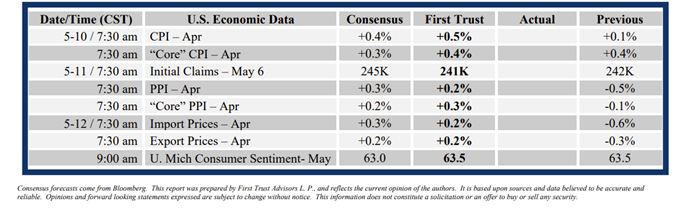
Yes, we have banking problems. No, this is not 2008. It’s much more like the 1970s Savings & Loan problems.
Has the Fed Paused?

The Fed raised short-term interest rates by another quarter percentage point today to a range of 5.00 – 5.25%, just like most analysts and investors expected. In addition, policymakers made changes to its official statement that hint that this rate hike might be the last of the cycle.

Closer to a Turning Point

In spite of weakness in some economic data, problems in the banking sector, and much higher interest rates, real GDP in the first quarter will almost certainly show moderate growth.
January Surge Kept Q1 Positive

The US economy is being tugged in two different directions right now. On the positive side we have the lingering effects of the massive stimulus of 2020-21, the renormalization of the service sector after COVID Lockdowns, and, as always, the entrepreneurial and innovative spirit of the American people.
How to Lose Reserve Currency Status

History is full of economic and societal collapses. The Incan and Roman societies disappeared, the Ottoman Empire fell apart, the United Kingdom saw the pound lose its reserve currency status. So, anyone who says the US, and the dollar, couldn’t face the same fate doesn’t pay attention to history.
The “Abundant Reserve” System Crushes the Fed

Fifteen years ago, in 2008, the Federal Reserve started an experiment in monetary policy, switching from a “scarce reserve” system to one based on “abundant reserves.” This switch has created massive problems that are hitting not just the private banking system but the Fed itself.
The Fed Waffles

The Federal Reserve raised short-term interest rates by another quarter point on Wednesday.
Research Reports

The Fed raised short-term rates by another 25 basis points (bp) today and made no changes to the expected peak for short-term rates later this year.
Heading Toward a National Bank?

The late great Supreme Court Justice Antonin Scalia was often in dissent in key legal cases during his long career.
What Happened to the Recession?

In multiple ways, this is the most difficult time we have ever seen to make a forecast.
Hard Landing, Soft Landing, or No Landing

In the past few weeks, a growing chorus of economists and investors have decided that the pessimistic narrative had it wrong all along, that the US isn’t headed for a hard landing, which would mean a recession, it isn’t even headed for a soft landing, which would mean a prolonged period of low economic growth.
Monetary Mayhem Clouds Crystal Ball

You can’t read or watch financial news these days without a heavy dose of speculation about what the Fed is going to do with short-term interest rates, when it’s going to do it, and how long it’s going to do it for.
January Data Get Hot

Markets have been volatile, with reports convincing many that the Fed is done hiking rates.
The Game Isn't Over

At the beginning of the season, not many predicted that the Philadelphia Eagles would be in the Super Bowl this year.


Rearview Mirror OK, Collision Ahead

First, the good news: we estimate that real GDP grew at a solid 2.8% annual rate in the fourth quarter.
Not Goldilocks

Not long after Friday’s Employment Report multiple analysts and commentators were calling it a “goldilocks” report, by which they meant it showed that the economy was neither “too hot” nor “too cold,” but instead, “just right.”
The Housing Outlook for 2023

The housing sector was a huge and early beneficiary of the super-loose monetary policy of 2020-21.
Is the BLS Cooking the Books?

Last week Zero Hedge achieved the impossible, they managed to make a report from the Philadelphia Federal Reserve go viral.
A Plow Horse With Shin Splints

Our position on the economy has been that the US is headed for a recession, but we’re not quite there yet.
This Rally Shouldn't Last

It’s that special time of the year, and we will all hear and read a great deal about Black Friday, Thanksgiving Weekend, and Cyber Monday during the next few days. Many pundits are going to make sweeping conclusions about the economy based on these very limited reports.
The Aftermath Economy

We will forever believe that locking down the economy for COVID-19 was a massive mistake. There is virtually no evidence that death rates were lowered by government mandates and lockdowns.
Beware a "Gridlock Rally"

Election day is tomorrow and will bring results for key Senate, House, and Governors races from all around the country, plus local legislative races and more.
How Fast, How High, How Long

The Federal Reserve plans to keep raising rates at future meetings, but at a slower pace than it has for the last four meetings.
Drop in Budget Deficit is a "Sugar High"

After nearly three years of the economic and financial market distortion due to COVID lockdowns, money printing, and massive government borrowing, some of these distortions are subsiding
The Last Hurrah?

Most investors we talk to think the US is already in a recession or that a recession will start by the end of 2022. We think they’re wrong on both counts.
Second Thoughts on Bernanke's Nobel Prize

The Nobel Prize in Economics was recently awarded to former Federal Reserve Chairman Ben Bernanke, as well as professors Douglas Diamond and Philip Dybvig, for their work on understanding the role banks play in the economy, especially during a financial crisis.
Reports: Solid Growth, Persistent Inflation

Recent economic reports further undermine the politically-motivated argument from earlier this year that the US was already in a recession.
No Recession, Yet
We are not “recession deniers,” we just don’t think one has started yet.
More Trouble Ahead

We had been bullish on stocks all the way back to March 2009, when mark-to market accounting was fixed and the Financial Panic started to recede
Another 75... With More to Come
The Federal Reserve once again voted unanimously to raise rates by three-quarters of a percentage point - 75 basis points (bps) - today, bringing the target for the federal funds rate to 3.00 – 3.25%, and signaled expectations for continued hikes ahead.
Will Higher Interest Rates Tame Inflation?

We know many people think we are beating a dead horse, but this horse is far from dead.
The Fed: What to Expect and What to Watch

If you’re still wondering how much the Federal Reserve will raise short-term interest rates next week, you should wonder no more: the Fed is almost certainly going to raise rates by three-quarters of a percentage point (75 basis points), just like it did back in both June and July.
Outlook Home Prices Plateauing, Rents Catching Up

The housing sector surged during COVID in large part due to loose money.
Biden's Student-Loan Fiasco

The Dow Jones Industrial Average fell more than 1,000 points on Friday, caused apparently by Fed Chairman Jerome Powell’s attempt to use a brief speech to channel the ghost of Paul Volcker.
Distorted

One thing we must remember when looking at economic data, is that everything is distorted.
Silly Season

With less than three months left before the 2022 mid-term elections, it is officially silly season when it comes to interpreting economic reports.
Tax Hikes: Bad, But Bearable

With the Senate having passed a budget plan yesterday with only Democratic votes as well as a tie broken by Vice President Harris, it is only a matter of time before President Biden signs the first significant tax hike since the “Fiscal Cliff” tax hike in early 2013.
Monetary Muddle

The Federal Reserve raised short-term interest rates by three-quarters of a percentage point (75 basis points) on Wednesday.


Dollar Remains World Reserve Currency

How many times have you heard that the US dollar will collapse because of Fed and fiscal policy?
Mortgage Reset Alarmism Is Off the Mark

Some investors think the US is already in a recession. As we wrote two weeks ago and as recent data have confirmed, we don’t think that’s the case.
How About More Freedom?

As we celebrate 246 years of national independence, our country is now more than two years into an economic recovery from the two-month COVID Lockdown Depression.
The Monetary Surge Continues to Ebb

We've told people to watch the M2 measure of money in order to understand whether inflation will cool down or heat up.
We're Not Already in a Recession
Real GDP declined at a 1.5% annual rate in the first quarter and, as of Friday, the Atlanta Fed's "GDP Now" model projects zero growth in Q2.
Respect the Bear

We became bullish about stocks once mark-to market accounting was fixed in March 2009.
Fed Goes Bigger

The Federal Reserve raised rates by three-quarters of a percentage point (75 basis points) today, the most at any meeting since 1994 and exactly the move Chairman Jerome Powell was dismissive about in early May after the last meeting.
50 or More?

All eyes will be on the results of the Federal Reserve meeting on Wednesday when it announces how much it's going to raise short-term rates, its new projections for the economy and short-term rates for the next few years, as well as Chairman Powell's press conference.
No Hurricane, Yet

JP Morgan CEO Jamie Dimon caused a stir lately when he talked about a "hurricane" hitting the US economy.
The Outlook for November

We are now about five months away from the mid-term elections that will decide who controls the Senate and House of Representatives for the next two years.
Unprecedented

At least a couple of major retailer stocks got clobbered last week as investors sold on reports that they missed earnings estimates.
Recession Unlikely in 2022

The consensus among economists puts the odds of a recession starting sometime in the next year at 30%, according to Bloomberg's most recent survey.
Reducing Our Stock Market Forecasts
At the end of 2021, we set out our projections for the stock market in 2022: 5,250 for the S&P 500 and 40,000 for the Dow Jones Industrial Average.
Whipping Inflation

Ultimately, inflation is always and everywhere a monetary phenomenon, as the late great economist Milton Friedman used to say.
Focus on the Money, Not Rates

No one can say that the Federal Reserve can't do the impossible.
Slower Growth in Q1

Real GDP, in the US, grew 5.5% in 2021, the fastest growth for any calendar year since the Reagan Boom in the mid-1980s.
Housing: Heartburn, Not a Heart Attack

When interest rates go up, many analysts start to worry about recessions.
We Are All Keynesians Now

Intellectuals and politicians often try to verbally summarize or justify conventional thinking in pithy ways.
What the Fed "Should" Do

Normally when we write about public policy – monetary policy, taxes, spending, trade, and regulations – we mainly focus on what we think policymakers will do and the likely effects on the economy or the financial markets.
Research Reports

As expected, the Federal Reserve raised short-term rates by one quarter of a percentage point (25 basis points) earlier today, the first rate hike since the end of 2018.
It's the Money

With every passing month, politicians and economists try to blame inflation on anything but excess money growth.
Will Russian Sanctions Lead China to Sell US Debt?

Russia's invasion of Ukraine led western nations to impose the most draconian economic sanctions in the modern era.
Thoughts on Ukraine

They say the truth is the first casualty of war...so, here we are about one week into the Russian invasion of Ukraine and the fog of war is still very thick.
Sticking to Our Targets, For Now

Late last year we unveiled our stock market forecast for 2022, projecting the S&P 500 would rise to 5,250 and the Dow Jones Industrials average would climb to 40,000.
Russia and Rate Hikes

The financial markets have been on tenterhooks lately for two main reasons: Russia and rate hikes.

Rate Hikes Finally on the Way

The Federal Reserve’s policy statement from last week plus Jerome Powell’s post-meeting press conference made it abundantly clear it is ready to start raising short-term interest rates in March.
Liftoff in March

The Fed stayed the course today, with no change in the Fed Funds rate, no adjustment to the pace of tapering, no shift in the timeline for raising rates, and no indication that they intend to lift rates in larger steps.
The 2021 Finish: Fast Growth, High Inflation

When fourth quarter GDP data is released later this week, it will show that 2021 finished on a high note.
Who Gets the Blame for Inflation

Consumer prices rose 7.0% in 2021, the largest increase for any calendar year since 1981.
Monday Morning Outlook

Many analysts were disappointed by last Friday’s job report for December, but we think the headline masks an overall report that shows continued improvement in the labor market and a possible surge in small-business start-ups and entrepreneurship.
Welcome to 2022: The Winds of Change

Welcome to 2022! We can't imagine a more transformative year for America. After two years of unprecedented government actions, the winds of change are blowing hard.
Greedy Innkeeper or Generous Capitalist?

The Bible story of the virgin birth is at the center of much of the holiday cheer this time of year. The book of Luke tells us that Mary and Joseph traveled to Bethlehem because Caesar Augustus decreed a census should be taken. Mary gave birth after arriving in Bethlehem and placed baby Jesus in a manger because there was "no room for them in the inn."
2022: Moderate GDP, Persistent Inflation

From 30,000 feet, the COVID lockdown and re-opening played out pretty much like we thought.
Faster Taper, Setting Up for Rate Hikes

A renominated Powell is a different Powell. The Federal Reserve didn't raise interest rates today, a policy move we think is overdue, but it made major changes that set the stage for multiple rate hikes in 2022 and beyond.
S&P 5,250 – Dow 40,000

We were bullish in 2021 and bullishness obviously paid off. As of the Friday close, the S&P 500 is up more than 25% so far this year.
Volatility and Fear

In recent weeks, the stock market has decided the economic pain associated with an eventual tightening of fiscal and monetary policy is more likely to come sooner rather than later.
Riding the COVID Rollercoaster

On Friday, news of a COVID-19 variant identified in South Africa, and the announcement of new travel restrictions, sent markets reeling. This is obviously not the only variant, and it won't be the last, either.
Thankful, But Watchful

As Americans gather among family and friends to celebrate Thanksgiving, we all have much to be thankful for.
Inflation Returns

Inflation is back and worse than it's been in decades. Consumer prices rose 0.9% in October and are up 6.2% in the last twelve months. Two more months of moderate increases, and the CPI will be 6.5% in 2021, the highest inflation since 1982.
Tuesday Results and the 2022 Economic Outlook

In spite of what listening to the mainstream media might make you think, the voting public doesn't change much from year to year or election to election. As a result, when leaders try to take policy too far in one direction, without enough public support, they often get punished at the polls.
Taper Time

The Federal Reserve today announced the (much-overdue) start to tapering, which means it will continue to increase the size of its balance sheet, but not quite as fast. Starting later in November, the Fed will reduce its monthly pace of asset purchases to $105 billion per month from the current rate of $120 per month.
Eyes on the Fed

Investors will be focused on the Federal Reserve this week and our expectation is that it will finally announce an overdue tapering of quantitative easing. In addition, we expect Chairman Jerome Powell to make it clear in the press conference that he expects tapering to be completed by mid-2022.
Slower Growth in Q3

When the US fell into the COVID crisis, the federal government went on a massive spending binge. Pre-COVID, in the twelve months through March 2020, federal outlays were $4.6 trillion, or 21.4% of GDP. In the next twelve months outlays soared to $7.6 trillion, or 36.2% of GDP.
Monday Morning Outlook: Respect Millennials

Politics today is in large part about pitting one group against another and convincing one side they've been treated unfairly. One of those groups is the younger generation of workers known as Millennials, who are supposedly up to their eyeballs in debt and lagging well behind prior generations.
Focus on Data, Not Spin
In 2009, after overly strict mark-to-market accounting rules were altered, we said the Financial Crisis was over. It was hard to get our voice heard, though, because both sides of the political aisle were busy saying the economy stunk.
Fed Set to Announce Taper in November

No changes to monetary policy today, but plenty of changes to the outlook for monetary policy in the next few years.
China Worries Unwarranted

Prior to today, the S&P 500 index was down four days in a row, and many market observers are blaming China, specifically the recent news about Evergrande, a major Chinese real estate company that looks to be heading to default on its loans.
Resist Inflation Complacency

Some analysts and investors breathed a big sigh of relief on inflation when it was reported last week that the Consumer Price Index rose 0.3% in August versus a consensus expected 0.4%. But we think any sense of relief is premature.
Stocks Versus the Economy

If you've read our two most recent Monday Morning Outlooks, you know we raised our forecast for the S&P 500, but lowered our forecast for real GDP growth. How can that be?
COVID-19 Tracker

| We have received a significant number of requests to continue publishing the COVID-19 tracker. Read more to view the report. |
Can the US "Fully Recover"?

In early 2020, when COVID hit, the unemployment rate in the United States was 3.5%, wages for low-income earners were rising faster than wages for high-income earners, living standards were rising...the economy was on a roll.
Monday Morning Outlook

We've been consistently bullish on stocks since 2009. This bullishness has paid off, although not every year; stocks fell in 2015 and 2018.
Fed Being Tempted Into SIN

Narratives get more energy these days because of social media and cable TV, but they've always existed.
Capitalism vs. Socialism

As we wrote last week, it's not possible to analyze the economy these days without focusing heavily on what government is doing.


Are We There Yet?

It's the question that parents around the world know all too well, "Are we there yet?" That was the key question coming into today's Fed meetings. The answer? Not yet, but we're getting closer.
Inflation, Shutdowns, Spending

Someone once said, "technology has never moved this fast, and at the same time, will never move this slow again."
Monday Morning Outlook Strong Growth in Q2

Another quarter for consumers to rely on massive stimulus payments, extremely loose monetary policy, and the continued re-opening of the US economy combined to push real GDP up at a very rapid pace in the second quarter, with the federal government preparing to release its initial estimate of economic growth on July 29.
4,500...Or Higher

Many are convinced that a US stock market correction, or even a bear market, is inevitable. So, when the S&P 500 was down 1.6% last Thursday, many thought it had arrived.
"Twin Deficits" Won't Tank the Dollar

Many analysts have been thinking and writing about the "twin deficits" and whether the record-breaking size of those two deficits, combined, mean the US dollar is about to plummet versus other currencies.
Who Will Be the Next Fed Chief

One of the key decisions President Biden will make later this year is who is going to run the Federal Reserve for the next four years.
Fed Hawks Hatch

As expected, the Federal Reserve made no significant changes to monetary policy today.
Taper Tantrum Two?

To drive home his commitment to easy monetary policy and low interest rates in mid-2020, Federal Reserve Chairman Jerome Powell declared the Fed was not even "thinking about thinking about raising rates."
There's Nothing Normal About This Recovery

We keep hearing people make comparisons between this recovery and those of the past as if it's apples-to-apples.



Biden and Powell Versus Summers and Dudley

One of the best economic debates that's happening right now isn't between Republicans and Democrats or liberals versus conservatives, it's between policymakers who want to go full steam ahead with as much fiscal and monetary "stimulus" as possible and center-left economists who worry about the economic effects of over-stimulating the economy.


The Sugar High Economy

Mix extremely loose monetary policy, a federal government cutting checks like it’s going out of style, and extensive roll-out of the COVID-19 vaccines, and what do you get?
Yes, Stocks Are Still Cheap

The S&P 500 fell almost 50% between mid-February and mid-March 2020, during the initial stages of the pandemic.
Housing Boom to Continue

Housing prices have soared in the past year. The national Case-Shiller index is up 11.2% in the past twelve months, the largest gain since 2005-06.
Jobs Are Booming

When the scientists said “15 days to slow the spread,” some of us actually believed that by Easter the shutdowns would end.
Tax Hikes Are Coming

The federal budget deficit hit an all-time record high of $3.1 trillion last year.
The Fed, Regulation, and MMT - Irresponsible

You've got to hand it to the Federal Reserve. With the cleverness of a seasoned head coach – think Jim Boeheim leading Syracuse in the NCAA basketball tournament – they figured out how to accomplish a great deal while making it look like they didn't have many tools at their disposal.
The Fed Speaks Softly, But Carries Some Big Numbers

At its most recent meeting the Federal Reserve made no changes to monetary policy and minimal changes to its statement, simply acknowledging that some economic indicators have "turned up" recently while also noting that inflation remains below 2.0%.
Inflation and The Fed

We believe inflation is still, and always will be, a monetary phenomenon. It is defined as "too much money chasing too few goods and services" – but that doesn't mean every period of higher inflation is going to look exactly the same.
The Fed Can't Fix COVID Lockdowns

The Full Employment and Balanced Growth Act of 1978 gave the Fed a “dual mandate” – to promote maximum sustainable employment and stable prices. Over the years, the meaning of these two mandates has changed.
Powell Disses Uncle Milty

Those of us who are concerned about inflation increasing faster than the Federal Reserve anticipates are focusing on the rapid increase in the M2 measure of the money supply.
The Greatest Possible Stimulus

After receiving the genetic sequence of the novel coronavirus from China, it took Moderna just two days (two days!!) to generate the sequence of the vaccine. In less than a month, they produced the first clinical batch of the mRNA-1273 vaccine that has now seen tens of millions of doses distributed.
Overstimulation on the Way

Things are looking up for the US economy. Later this week we'll get an update on real GDP growth for the 4th quarter of 2020. We estimate that'll be revised up to a 4.3% annual rate of growth from a prior estimate of 4.0%.
It's Not a Bubble

Ever since the stock market bottomed in 2009 during the financial crisis, people have been coming up with reasons why the bull market was about to end. We heard every reason – Brexit, the end of Quantitative Easing, too much debt, COVID, etc. – and while we understood each may be a cause for consternation, we focused on valuations, which suggested the bull market would continue. Over time, math wins.
Immunity is Closer Than You Think

While the US has been a focus for criticism throughout the COVID-19 pandemic, its vaccine rollout has so far been the envy of the world. Since Operation Warp Speed eliminated many of the bureaucratic hurdles to FDA approval and helped deliver a vaccine in record time, the US has been steadily growing its distribution system.
The Return of Inflation

Inflation is not dead. It is not gone. It has not been tamed. We know it seems like it, especially after the past few decades which generated in many an "inflation-complacency" that feels justified. After all, following the 2008 Financial Panic, many predicted Quantitative Easing would cause hyper-inflation.
AOC and Ted Cruz, Agree!

Yes, 2021 is starting off as crazy as 2020. They don't agree on the Green New Deal, or Socialism, but Ted Cruz and AOC both agree that limiting investor access to markets is a mistake. In case you missed it, last week, Robinhood, a new online trading platform that marketed itself as democratizing investment, stopped investors from buying certain stocks.
Watching and Waiting

Beyond the annual rotation of voting members on the Federal Open Markets Committee (FOMC), there wasn't change in today's Fed statement. While acknowledging the moderation in some recent economic data, and that weakness is concentrated in areas most directly impacted by the pandemic...
Can Massive Deficits Really Be Financed?

The budget deficit for fiscal year 2020, which ended 9/30/2020, was $3.1 trillion, the highest ever on record in dollar terms, and the highest relative to GDP since World War II. This year the deficit will be even larger.
Growth Continued in Q4

The double-dip recession so many feared didn't arrive in the fourth quarter of 2020, and it certainly doesn't look like it will happen in early 2021, either.
Elections Have Tax Consequences
The seemingly endless election of 2020 is finally over, with Democrats winning both Senate seats in Georgia.
Keeping Good State Policies

When it comes to attracting people, jobs, and businesses, some states are just better than others. While the total US population increased 6.5% from 2010 to 2020, it increased 17.1% in Utah, 16.3% in Texas, 16.3% in Idaho, 16.1% in Nevada, 15.8% in Arizona, and 15.3% in Florida.
Inflation, Debt, MMT, and Bitcoin

We can't possibly exhaust our thoughts on all these topics in one Monday Morning Outlook, but we thought we'd give it the old college try.
Greedy Innkeeper or Generous Capitalist?

The Bible story of the virgin birth is at the center of much of the holiday cheer this time of year. The book of Luke tells us that Mary and Joseph traveled to Bethlehem because Caesar Augustus decreed a census should be taken. Mary gave birth after arriving in Bethlehem and placed baby Jesus in a manger because there was "no room for them in the inn."
Eyes on the Horizon

Nobody expected to see a rate change from this week's FOMC meetings, but interest remained high as the market awaited the latest Fed forecasts on where they see the US economy headed from here.
Stimulus, Bailouts, and the Fed
Back room deals in Washington, DC always die and come back to life, over and over, again. And, even though a "COVID-shutdown rescue package" seems like a no brainer, it's been caught up in politics for months.
2021: Robust Growth, Higher Inflation

The COVID-19 Recession is the weirdest we've ever had. There is no way anyone could have forecast it. It did not happen because the Fed was too tight. It did not happen because of a trade war. It was self-inflicted, caused by COVID shutdowns.
S&P 4,200 - Dow 35,000

In December 2019, we made a year-end 2020 forecast of 3,650 for the S&P 500. With the index closing Friday at 3,638, that looks like a very good call.
Mnuchin, Powell and the Georgia Elections

Who's in charge of fiscal policy? That's the real issue behind the recent dispute between Treasury Secretary Steve Mnuchin and Federal Reserve Chairman Jerome Powell regarding the Treasury's decision to end certain emergency lending facilities by December 31, 2020.
Giving Thanks, Double Dip Unlikely

Give Thanks! The US economy continues to heal. Payrolls keep growing, unemployment claims - though still elevated - are shrinking, key measures of the manufacturing and service sectors remain well into positive territory, and, as this week should show, both retail sales and industrial production remain on an upward trajectory.
No Wave is Good News For Stocks

While the election is still not certified, and court battles will drag on, it appears that we can draw two firm conclusions from the 2020 election. First, the pollsters were horribly wrong again. Secondly, American voters do not want a radical shift in economic policy.
Not Much to Miss

If you hadn't known that there was a Federal Reserve statement coming out today, you wouldn't have missed much. As if 2020 wasn't weird enough, there was a Federal Reserve meeting, and a new statement from the FOMC today, and virtually no one noticed. We guess that makes sense given everything that is going on. But, don't fret - nothing changed.
No More Lockdowns

As the US opened up, real GDP rebounded sharply in the third quarter, growing at a 33.1% annual rate. However, real GDP is still down 2.9% from a year ago and the economy got a huge boost from spending by the federal government, which borrowed from the future in order to allow people to spend today.
Economy Poised for More Growth

To reiterate, this Thursday morning we expect the government to report a huge, and virtually unprecedented, surge of a 33.4% annualized growth rate in real GDP growth for the third quarter. There are still a few monthly reports due this week that could affect our forecast, but only slightly.
GDP Soars in Third Quarter

There is nothing normal about the 2020 recession. Massive nationwide shutdowns of "non-essential" businesses caused real GDP to drop at a 31.4% annual rate in the second quarter, the biggest drop since the 1930s. However, as we expected, a V-shaped recovery is being traced out.
Profits Poised for Growth

COVID lockdowns crushed the economy in the first half of 2020, with real GDP down 5.0% at an annual rate in the first quarter and 31.4% at annual rate in the second quarter, the latter of which was the steepest drop in real GDP for any quarter since the Great Depression in the 1930s.
The Fed Gambles on Inflation

Over the past couple of decades, the Federal Reserve has coalesced around an idea about inflation that is little more than theoretical, with no real data to back it up. That "idea" is that 2% inflation is the "correct" amount of inflation.
The Long Slog Recovery!

The second quarter of 2020 was the mother of all economic contractions. Real GDP shrank at a 31.7% annual rate, the largest drop for any quarter since the Great Depression.
Fed Determined to Stay Loose

The Federal Reserve was already holding short-term interest rates near zero. What today's meeting made clear was how determined the Fed is to hold them there for at least the next few years and perhaps well into the current decade.
Inflation and the Fed

As we near the end of the third quarter, key economic reports will be released that will influence our forecast for third quarter real Gross Domestic Product. It will be a very strong quarter.
Positive Policies to Cut the Debt Burden
When government forces businesses to close (even if it is for a pandemic), it's a "taking" in the legal sense. And we can think about $3 trillion in extra federal spending as "just compensation" to businesses and workers for that taking. Basically, we decided to borrow from future generations in an attempt to stop a virus and save the economy.
S&P 500 3650, Dow 32,500

At the end of 2019 we made the same exact forecast for the end of 2020 — the strangest year in our lifetimes, and it's not even over. Compared to most analysts, this was a very bullish call. And then, when the market hit a pre-COVID19 peak of 3386 in mid-February, if anything we looked not bullish enough.
The Housing Revival

The US economy got crushed in the second quarter, with the worst decline in real GDP for any quarter since the Great Depression. However, the long road to recovery has started and, for now, we're penciling in real GDP growth at a 20% annual rate for the third quarter. Of all the parts of the US economy that have weathered the COVID-19 storm, none has been as resilient as the housing market.
Biden's Tax Hike Agenda

Election Day is eleven weeks from tomorrow. In political time, this is an eternity. However, with the White House, about one-third of the Senate, and the entire House of Representatives on the ballot, this election is significant. Particularly because the two presidential candidates have such stark differences in policy perspectives, especially with respect to taxes.


The Bottom Fell Out

Right now, it looks like the US economy shrank at a 35% annual rate in Q2. To put that in perspective, the worst quarter we've ever had since the military wind-down immediately following World War II was -10% in the first quarter of 1958, when, not by coincidence, the US was hit by an Asian flu. This is going to shatter that record by multiples and will likely be the worst since the Great Depression.
There's No Such Thing As A Free Lunch

"There is no such thing as a free lunch." It's been attributed to many different people, Milton Friedman and Robert Heinlein, among others. Regardless of who said it, we think it's one of the most basic economic truths.
Holding Colleges Accountable

It's time to think about something other than COVID, statues, the election, and defunding the police. How about higher education? Specifically, student loans and grants.
The Economy and The Virus
Not since the 1960s and 70s has the United States experienced social upheaval like it is experiencing today. We have protests (both peaceful and otherwise), and a massively divided political landscape. On top of that, we have a virus that is spreading across the country, creating fear and an acceptance of economic shutdowns.
Furloughed or Unemployed?
In the aftermath of recent strong gains in jobs, some analysts have been latching onto pandemic-related classification errors to claim the headline unemployment rate is at best distorted to show an overly optimistic picture of the labor market, and at worst a downright lie to try and manipulate public perceptions.
Not Locking Down
A resurgence of new Coronavirus cases around the country has created uncertainty for investors. Stock markets fell last week, not because of the virus, but because investors fear another round of economy-killing, government-mandated lockdowns. We don't expect that to happen, but when the government is involved, risks are definitely higher.
Saving and the Shutdown
Turning off the global economic light-switch, and then turning it partially back on, has sent shockwaves through economic data that, while anticipated, have been jaw-dropping in both directions.
The Fed is Committed to Low Rates
The one key takeaway from last week's Fed meeting is that monetary policymakers are set to keep short-term interest rates near zero for as far as the eye can see. Not forever, but at least until 2023. Keep this in mind in the week ahead, as we get more reports confirming the economic recovery started back in May.
Loose and Staying Loose
The most important takeaway from today's Fed meeting is that policymakers don't expect to raise short-term interest rates until at least 2023.
The Recession is Over
The recession that started in March is the sharpest downturn since the Great Depression. As it turns out, it was also the shortest.
More Green Shoots
A full recovery from the COVID-19/Shutdown Crisis is going to take a long time. We don't anticipate reaching a new peak for real GDP until the end of 2021; we don't anticipate a 4% unemployment rate until 2024.
Signs of Economic Life
This year's experiment with government-imposed lockdowns has been a fiasco. We should have been focused on sealing-off nursing homes and limiting mass indoor events, while the vast majority of businesses that were shutdown could have kept operating, with natural social distancing.
Miscalculating Risk: Confusing Scary With Dangerous
The coronavirus kills, everyone knows it. But this isn't the first deadly virus the world has seen, so what happened? Why did we react the way we did? One answer is that this is the first social media pandemic. News and narratives travel in real-time right into our hands.
How Are We Going To Pay For All This?
The largest federal budget deficit since World War II came back in 2009, as slower growth and increased government spending during the subprime-mortgage financial panic pushed the deficit to 9.8% of GDP. This year's the budget deficit will, quite simply, blow that record out of the water.
QE Infinity and Beyond
The Federal Reserve has been extremely aggressive since the Coronavirus and related shutdowns hit the US economy and made it clear today that it will continue to be so until the US economy has gotten back on its feet.
GDP: Bad, And Getting Worse
Before the Coronavirus, the US economy was cruising for what looked like 3% annualized growth in real GDP in the first quarter. But the effects of both natural social distancing and government-mandated lockdowns crushed economic growth in March.
The Economy, Inflation, and Interest Rates
With each passing week, the economic damage wrought by the Coronavirus and the resulting shutdowns grows larger. It's not just businesses, both small to large, feeling the pain. Educational institutions, hospitals, churches, not-for-profits, and state and local governments are all finding it hard to remain financially viable.
Job Destruction
Normally, we're not big fans of enhanced unemployment benefits. But the current severe economic contraction brought about by the Coronavirus and the government-mandated shutdowns of businesses meant to stop the disease is a completely different animal from a normal recession.
Do the Least Harm
Doctors think differently than economists. They put patients with a potential for brain damage in an artificial coma to stop swelling, and when it stops, they bring them out. This fits with the Hippocratic Oath all doctors take, which states "First, do no harm." The idea is to "limit" damage and then "restart" a more normal body with fewer problems.
The Coronavirus Threat
In order to be better prepared in the future, we need a vibrant private sector, not a permanent expansion in government.
Cut the Politicians' Pay
The government-mandated shutdown of business, and the massive drop in economic activity it is causing, may actually do more harm to the United States than the coronavirus itself. Early estimates suggest the U.S. economy will contract at a staggering 20% annualized rate in the second quarter, and the number may move even higher.
The Coronavirus Contraction
Due to fears about the Coronavirus – more specifically, the forceful government measures designed to halt its spread, the US is on the front edge of the sharpest decline in economic activity since the Great Depression.
Fed Fires Bazooka at Coronavirus
Back in July 2008, then-Treasury Secretary Hank Paulson said he wanted a "bazooka" to deal with financial threats to Fannie Mae and Freddie Mac. Paulson wanted Congress to give him an unlimited credit line for these enterprises. This time around, it's the Federal Reserve firing a bazooka at the Coronavirus, with more possibly to come.
Reasons to Be Positive About the US Coronavirus Fight
Coverage around the virus has been almost exclusively negative, as experts extrapolate worst case scenarios to spur action. It should come as little surprise then, that fear of a recession has moved to the forefront of many minds. At times like these, we think it's crucial to look at the data and note some positive developments that aren't getting as much media coverage.
A Coronavirus Recession?
No one knows with any real certainty how much, or for how long, the Coronavirus will impact the US economy. What we do know is that it will have an impact. And, after data releases of recent weeks, we also know that the US economy was in very good shape before it hit.
Fed Should Be Decisive
By the time you read this, the Fed may already have cut rates. That is the situation we find ourselves in given the recent correction in equities, which were at a record high only eight trading days ago but were down 12.8% from that peak as of the market close on Friday.
Time to Fear the Coronavirus?
Monday, fear over the Coronavirus finally gripped investors, as both the Dow Jones Industrial Average and the S&P 500 index fell over 3% - the largest daily declines in two years. These drops wiped out all the gains for the year.
Yes, There Was a Housing Bubble, But Not Now
One of the worst bipartisan policy decisions in the past generation was the aggressive government push in the 1990s and 2000s to promote homeownership, beyond what the free market could handle. Policymakers encouraged Fannie Mae and Freddie Mac to gobble up lots of subprime debt, in turn boosting lending to borrowers who couldn't handle their loans.
Jobs, Coronavirus, and the Budget
In January, US payrolls expanded by 225,000, not only beating the consensus forecast, but also forecasts from every single economics group. Since January 2019 (12 months ago), both payrolls and civilian employment – an alternative measure of jobs that includes small-business start-ups – are up 2.1 million.
No Need for Fed Rescue
Fears about the coronavirus knocked down equities last week, while a flight to safety brought the yield on the 10-year Treasury down to 1.51% at the Friday close versus 1.69% the week prior and 1.92% at the end of 2019.
Quiet Year Ahead
The first Federal Reserve statement of the new decade proved one of the most uneventful in years, with virtually no change from the December outlook that suggested rates will stand pat in the year ahead.
Look for Steadiness from the Fed
The Federal Reserve is set to make its first policy statement of the year on Wednesday, so this is as good a time as any to reiterate our view that the Fed is likely to keep short-term interest rates steady through 2020 and, while pressures will build, the Fed seems content to hold them steady next year, as well.
Moderate Growth in Q4
Back in mid-November, the highly respected GDP forecasting model from the Atlanta Federal Reserve Bank (also known as "GDP Now"), estimated that real GDP would only grow at a 0.3% annual rate in the fourth quarter, which, if accurate, would have been the slowest growth for any quarter since 2015. At the time, we were forecasting economic growth at a 3.0% rate.
The Gift That Keeps Giving
The US economy is not in an economic boom, but growth has been consistently faster than during the Plow Horse phase from mid-2009 through the end of 2016. Real GDP has grown at a 2.6% annual rate since the start of 2017 versus 2.2% beforehand.
Blame the Overweight Jockey
The longest economic recovery on record continues, with January being the 128th consecutive month of growth. The first seven years, from mid-2009 through 2016 saw average real GDP growth of 2.2%. Since the start of 2017, US real GDP growth accelerated, to an average annual growth rate of 2.6%, while the unemployment rate now stands at the lowest level in 50 years (and is likely headed lower).
The Expansion Continues
The current expansion won't last forever. But we don't see it ending anytime soon.
Greedy Innkeeper or Generous Capitalist?
The Bible story of the virgin birth is at the center of much of the holiday cheer this time of year. The book of Luke tells us that Mary and Joseph traveled to Bethlehem because Caesar Augustus decreed a census should be taken. Mary gave birth after arriving in Bethlehem and placed baby Jesus in a manger because there was "no room for them in the inn."
S&P 3650, Dow 32500
A year ago, we projected the S&P 500 would hit 3100 at the end of 2019. In spite of the swoon in equities in the fourth quarter of last year, we didn't see a recession coming and our model for estimating fair value for the stock market was screaming BUY.
Fed on Hold
No one expected the Federal Reserve to change short-term rates today and no change was made. Meanwhile, the Fed made no significant changes to its policy statement and the statement was unanimous.
Good News is Good News
A year ago, conventional wisdom became convinced that a stock market correction was really the beginning of a "bear market," and a sure sign that recession was on its way. Oops. Conventional wisdom was wrong again.
Don't Worry About the US Consumer
During the next couple of days you're going to see lots of stories about the strength of consumer spending. Early reports say Black Friday online sales hit a record high, up 14% from a year ago, following a 17% increase on Thanksgiving Day itself. Black Friday sales at brick and mortar stores were up 4.2% from a year ago.
Long Live the Bull Market
Last December, almost 12 months ago, we set our year-end 2019 target for the S&P 500 at 3,100. Many thought we were way too bullish, but our model for the stock market suggested 3,100 was well within reach. We believed the bull market had plenty of room to run.
No Recession on the Horizon
Since the earliest days of the current economic expansion, there have been naysayers asserting the US was on the brink of another recession. Remember all the fear about another wave of home foreclosures, or a disaster in commercial real estate, or the Fiscal Cliff, or Greece potentially leaving the Eurozone, or German bank defaults, or even the inverted yield curve earlier this year?
Finally, A Pause
To little surprise, the Fed cut short-term interest rates by 25 basis points today for the third time in four months, moving the range for the federal funds rate down to 1.50 – 1.75%. What markets were looking for, and what the Fed statement did little to provide, was clarity on the path of interest rates moving forward. Thankfully, Chairman Powell addressed the path forward head-on in his press conference.
Another Fed Rate Cut on the Way
At the close of business on Friday, the futures market in federal funds was putting the odds of a 25 basis point rate cut on Wednesday at 90%, which would place the federal funds rate in a range between 1.50 and 1.75%, the lowest it's been since mid-2018.
Trade Clouds Parting
Trade disputes have been an ongoing soap opera since President Trump took office. From steel tariffs to trade skirmishes with China, Japan, Canada, Mexico, South Korea, and the European Union, among others, it's been hard to keep track!
Labor Market Continues to Roar
In spite of all the fear-mongering about a recession, Friday's employment report clearly showed we are not in an economic downturn. The best news in the report was that the unemployment rate fell to 3.5%, the lowest most Americans have seen in their lifetimes.
Repo Turmoil
In Ronald Reagan's famous A Time For Choosing speech in 1964, he said "...the more the plans fail, the more the planners plan." We were reminded of this recently after pundits freaked out when the New York Federal Reserve injected reserves into the banking system to keep some short-term rates from rising.
Fear the Spending, Not the Debt
Never underestimate the ability of politicians to mess up a good thing. They're certainly trying in Washington, D.C.
Repo Madness
In the past few days, stresses in the financial system have shown up. These stresses have pushed the federal funds rate above the Federal Reserve's desired target range of between 2.00% and 2.25% (as of Tuesday), and some reports have funds trading as high as 9%.
We're All Keynesians Now
"We are all Keynesians now," is a phrase that caught on in the late 1960s and early 1970s, variously attributed to Milton Friedman and President Richard Nixon. Uncle Milty was commenting on the general political/economic environment, not saying he was a Keynesian. Richard Nixon, on the other hand, actually said "I am now a Keynesian."
Rorschach Economics
We've all heard of the Rorschach test - you know, the one where you look at an ink blot and say what you see. The theory is that it's a tunnel into someone's subconscious thoughts or desires.
Labor Days
Labor Day is probably the best time to take stock of the American worker and, for them, it's rarely been better. The unemployment rate is near the lowest level since the 1960s, job growth remains robust, and wage growth is in a general accelerating trend.
Business Uncertainty
Analysts were very quick to pin the blame for weakness in stocks late last week on the trade war with China. We agree that uncertainty regarding the future of US-China trade relations was a drag on equities, but think it was far from the only reason for weakness. In fact, it wasn't even the most negative news of the week.
This Is Not 2008
The link between an inverted yield curve and a recession has so dominated recent financial news that for some investors it's no longer a matter of whether we get a recession, but how long until it starts.
Those Crazy Negative Interest Rates
More than five years ago the European Central Bank adopted negative interest rates as a policy tool to address economic weakness in the Eurozone. Starting at -0.1%, eventually the target short-term rate fell to -0.4%.
Drip Drip Drip
The Fed cut short-term interest rates by 25 basis points today, moving the range for the federal funds rate down to 2.00 - 2.25%. It also announced it will stop reducing its balance sheet in August, two months earlier than previously planned.
Solid GDP Report
A cottage industry has sprung up in the past decade with the sole focus of discrediting any good news on the economy. When President Obama was in office, the attacks mostly came from the right. With President Trump in Office, the attacks mostly come from the left.
Temporary Tepid Growth for Q2
This Friday, the government will release its initial estimate of real GDP growth in the second quarter, and the headline is likely to look soft. At present, we're projecting an initial report of growth at a 1.8% annual rate.
Farewell to Data Dependence
Until recently, Fed Chair, Jerome Powell sounded a consistent theme: the Fed is data dependent and will stay that way, unswayed by noise or pressure from politicians.
Lifting Our Target for Stock Prices
The S&P 500 is up 27% from its Christmas Eve low, and 19.3% this calendar year through the close on Friday – not including dividends. Last December, our forecast for 2019 was 3,100. We're just 3.7% away.
The Longest Expansion
As of today, the current economic expansion is the longest in US history. Ten years and a day. But just because it's the longest doesn't mean it's the best. The expansions of the 1960s, 1980s, and 1990s, all beat it out both in terms of the pace of growth as well as the total growth during the cycle...
This Crazy Rate Cut
The narrative that the U.S. economy is in trouble – some say teetering on the edge of recession - has become so powerful and persuasive that few investors give it a second thought. So of course, they believe, the Fed should cut interest rates.
Fed Tees Up Rate Cuts
The Fed got as dovish as it could get today without actually cutting short-term rates.
Better Signs
A few key economic reports have taken a turn for the better, boosting expected real GDP growth in the second quarter and pointing to an upward revision to first quarter growth.
No Need for Rate Cuts
At the Friday close the market consensus was that the Federal Reserve would cut short-term interest rates by 50 - 75 basis points in 2019, with another 25 basis point cut in 2020. We think this is nuts.
The Plow Horse Returns?
We haven't been worried about a trade conflict with China, which has a long track record of pirating intellectual property and is a potential military rival in the (not too distant) future. The US has enormous leverage with China, given our trade deficit with the country and the ability of firms to shift supply chains toward alternatives, like Vietnam, Mexico, and India.
Foreign Slowness Not an Obstacle
One consistent theme we've heard lately among pessimistic analysts and investors is that slower growth abroad is a headwind for economic growth in the US. Softness in Europe or China, they say, bodes poorly for the continuation of US expansion. The standard theory, the conventional wisdom, is that slower growth abroad means slower growth in US exports.
Don't Count on a Rate Cut
At the close of activity on Friday the futures market in federal funds was projecting a 75% chance of at least one rate cut this year. From now through the end of 2020, the market is projecting two rate cuts.
Trade War Hysterics
Since hitting new all-time highs two weeks ago, the S&P 500 has fallen about 2.2% as trade negotiations with China hit a snag. Last week, the US announced new tariffs on Chinese imports. This morning, China announced new tariffs on some US goods. Many fear a widening trade war.
The Big Picture and the Fed
If you take a long hike up a mountain, there's plenty to appreciate along the way. But, sometimes, you just have to stop and enjoy the view. With that in mind, let's forget about the April employment report – which saw a combination of very fast payroll growth and moderate wage growth – and think about where the labor market stands in general.
No Cut in Sight
Hold off on the Fed statement for a moment, Chair Powell's press conference was the real news today. He noted that both GDP and employment came in above expectations while inflation surprised to the downside.
Good-bye Recession Fears
Less than two months ago, conventional wisdom thought the US economy was in real trouble. The consensus expected real GDP would barely grow, if at all, in the first quarter of 2019.
Resilient Economy
It wasn't that long ago that some economists and investors were seriously concerned about US growth going negative for the first quarter. Now, based on our calculations, which we discuss below, it looks like real GDP grew at a respectable 2.6% annual rate in Q1, meaning that US real output was 3.1% larger than Q1-2018.
New Highs, Still a Buy
The Dow Jones Industrials Average and S&P 500 are breathing down the neck of record highs set last Fall. Some take that as a sign to sell, time to shift out of equities and realize gains. We think that would be a mistake.
Economy on Very Solid Ground
Last month many economists had pushed down their estimates for first quarter economic growth to near zero. The Atlanta Fed's "GDP Now" model was projecting real GDP growth at a 0.2% annual rate in Q1, which would have been the slowest growth since the weather-related negative reading in the first quarter of 2014. But this time it was seen as a new trend leading us toward a recession.
Don't Cut Rates, Cut Spending
It's true the yield curve is flat - inverted in some places - but that's because the market is pricing in a rate cut. We don't see it, nor do we see the reason for it.
The Wizard of Oz
From just about every significant group of thought leaders – the press, politicians, economists, analysts, and government officials – the narrative of the past twelve years has been all about government and nothing about the entrepreneur. They say the crisis ended because of government bailouts and easy money. It's an artificial sugar high, covering up fundamental problems that still exist and could come back without the Fed's support.
The Fed Emphasizes Patience
The Federal Reserve just made their most dovish shift in outlook since the aftermath of the financial crisis. The FOMC statement, economic projections, and "dot plot" (the expected path of rate hikes) all tilted dovish. In addition, the Fed has decided to maintain a significant portion of the bloated balance sheet it gathered during and after the crisis. In other words, their stated path of "renormalization" will leave the balance sheet well above normal levels.
Buybacks Aren't the Problem!
The environment on Capitol Hill has made populism a bipartisan affair, with Republican Senator Marco Rubio now joining the fray with a call to tax corporate stock buybacks.
Ten Years Ago
It's March 8, 2009. The market's down 56% from its all-time high, unemployment is over 8% and hurtling toward 10%, it's just been reported that real GDP dropped at a 6.2% annual rate in Q4 of 2008, and it feels like the world is coming to an end.
Spare Us the GDP Agony
Real GDP grew at a 2.6% annual rate in the fourth quarter, and while some analysts are overly occupied with this "slowdown" from the second and third quarter, we think time will prove it statistical noise.
Don't Fear a "Hard Brexit"
The clock is winding down, and the United Kingdom has some major decisions to make. Should it stay in the European Union or should it go? If it goes, under what terms? Some analysts and investors are concerned about a "Hard Brexit,"...
How TARP and QE Led to the "Green New Deal"
The most important quote from the Financial Panic of 2008 came from President Bush: "I've abandoned free market principles to save the free market system."
Where's the Recession?
Whatever happened to the recession calls? Seems like just a few weeks ago that the correction in the stock market, as well as the partial government shutdown, had convinced many analysts and investors the US was about to enter a recession.
2008 Myth and Reality
We've written about it over and over, and while many advisors seem to understand, the media, politicians, and many analysts don't...or won't. So, we thought we'd try again to explain why so many people don't understand the nearly ten-year long bull market in U.S. equity values.
Patient Powell
The Doves won the day at the Federal Reserve, which noted continued solid economic performance but removed longstanding language that further gradual increases will be warranted, and instead highlighted global developments – both economic and financial - and a moderation in inflation as reasons the Fed will be "patient" in determining the pace of future rate hikes.
Don't Obsess About the Fed
When it comes to monetary policy, one thing looks certain for 2019 - journalists, pundits, investors, and analysts will pay it way more attention than it deserves. The spotlight is currently on Wednesday, when the Federal Reserve will issue their first statement of the new year. The consensus expects no changes in rates, and we agree.
Solid Growth to Finish 2018
Normally, the end of January sees the government's first estimate of real GDP growth for the fourth quarter. But with no end in sight for the shutdown, which has already seen numerous other data releases postponed – including figures on retail sales, international trade, inventories, construction, and durable goods - it's very unlikely the GDP report will arrive on time.
The Endless Debt Fret
For the more than three decades we have been involved in analysis of the economy, one nagging constant has been pessimistic prognostications over the U.S. debt. Now once again, debt is the news de jour. Consumer, business, and government debt are all at record highs, and, therefore, the theory goes, the economy is tempting fate.
No Sign of Recession
Talk about destroying a narrative. On Friday, the Labor Department reported 312,000 new jobs in December, with an additional 58,000 from upward revisions to prior months. Recession talk got crushed.
Dow 28750, S&P 500 3100
Early in 2018 we said the US economy has gone from being a Plow Horse to Kevlar. Nothing that has been thrown at the economy since – neither trade conflicts nor tweets, not higher short-term interest rates nor the correction in stocks – is likely to pierce that armor.
Greedy Innkeeper or Generous Capitalist?
The Bible story of the virgin birth is at the center of much of the holiday cheer this time of year. The book of Luke tells us that Mary and Joseph traveled to Bethlehem because Caesar Augustus decreed a census should be taken. Mary gave birth after arriving in Bethlehem and placed baby Jesus in a manger because there was "no room for them in the inn."
Market Overreacts to A More Dovish Fed
Today's much anticipated Fed meeting brought answers and new questions. As expected, the Fed raised rates 25 basis points to a range of 2-1/4 to 2 1/2 percent, marking a fourth rate hike in 2018.
No Housing Bubble
Last week in the New York Times, Yale economist Robert Shiller wrote we are "experiencing one of the greatest housing booms in United States history." Given what happened in the aftermath of the last boom – a financial panic and the Great Recession – this will add to investors' fears about another recession lurking around the corner.
Yellen Agrees with The Austrians
In a recent interview, former Fed Chair Janet Yellen warned that excessive corporate debt could exacerbate the pain of the next economic downturn.
The Long-Term Yield Conundrum
Last Friday, the 10-year Treasury Note closed at a yield of 2.85%. That's up from 2.41% at the end of 2017, but down from the peak of 3.24% on November 8th, and well below where fundamentals suggest yields should be.
Scapegoating Powell
New Narrative Alert: Fed Chief Jerome Powell is to blame for the volatility in stocks. Back on October 3rd, with stock markets near their record highs, Powell said "we're a long way from neutral." That was not long after the Fed had moved the federal funds rate to a range of 2.00% to 2.25%...
Consumers Stay Strong
It's that time of the year again. Holiday sales data show surging online sales while foot traffic at brick and mortar stores remains tepid. If you have a sense of déjà vu, it's because you heard the same stories last year.
Fading Fiscal Stimulus; Really?
Fed Chair Jerome Powell and others have started a new narrative about economic "headwinds." They think past rate hikes, slower foreign growth, and "fading fiscal stimulus" should slow the Fed's rate hikes. But is fiscal stimulus really fading?
Fake Economics
Politics and economics are interwoven. Government grants licenses, enforces contracts and the rule of law, provides fire and police protection, a national defense, and can call on resources to recover from crisis. Without these institutions, activity would slow. No one is building billion-dollar hotels in Syria, Libya, or Iraq; stability and certainty support investment.
Stay the Course
No fireworks in today's FOMC statement, as Chairman Powell and company held rates steady while reinforcing their outlook. Unemployment remains low, household spending remains strong, and inflation is running in-line with their 2% inflation target. In other words, today's near unanimously expected pause looks almost certain to be followed by a rate hike at the December meeting.
The Plentiful Job Market
Growth is determined by a perpetual tug-of-war between entrepreneurship and government redistribution. When President Obama was in office, we believed incredible technological innovation would allow for economic growth in spite of Obamacare, greater redistribution, higher taxes and increased regulatory burdens. We thought it would be a Plow Horse Economy, and that things would get better if we did not grow government so much.
Economy Rising
A solid 3.5% real GDP growth rate reported for Q3 wasn't enough to appease the doomsayers. They say inventories boosted growth and that can't last. Plus, they say, business investment was soft.
Robust Growth Continues
Economic growth continued at a robust rate in the third quarter, supporting the case for both a continued bull market in stocks and further rate hikes from the Fed.
Heartburn, Not a Heart Attack
Not long ago, many investors were kicking themselves for not investing more when the stock market was cheaper. But when stocks fall, like they did last week, many investors have a hard time buying for fear stocks may go lower still.
Powell Moves Markets
Federal Reserve Board Chairman, Jerome Powell, who has been remarkably quiet as he adjusts to his new role at the Fed, finally roiled markets last week. He made comments on Wednesday, during the Atlantic Festival at a session moderated by Judy Woodruff of the PBS News Hour.
No Looming Recession
As far as Harvard economist Martin Feldstein is concerned, we're all doomed. Feldstein says that the low interest rates of the last several years have created a stock market bubble rivaling the housing bubble that precipitated the last crisis. Why? Let's start by looking back.
Full Steam Ahead
As expected, the Federal Reserve raised rates by 25 basis points today. And at this point, the outlook for the remainder 2018 looks largely determined, with both 75% of Fed officials and the markets pricing in one more rate hike in December to make it four for the year.
Previewing the Fed
The Federal Reserve meets on Wednesday and there's one thing we know for sure: it's going to raise rates by another 25 basis points, lifting the federal funds rate to a range from 2.00 to 2.25%.
The Growing Deficit
The U.S. federal government reported last week that it ran a deficit of $214 billion in August, the fifth largest deficit for any single month in US history.
Wage Growth Steps Up
Friday's jobs report finally included what appears to be evidence of the long-awaited acceleration in wage growth.
The Week Ahead
In spite of woeful prognostications to the contrary, the US economy seems to be wearing Kevlar. Rate hikes, tariffs, Turkey, you name the fear, the economy remains unscathed. Case in point, through all the supposed turmoil, the U.S. grew at a 4.2% annual rate in the second quarter and looks set for a similar pace in Q3.
US Stops Subsidizing Global Growth
For decades the United States has, directly and indirectly, subsidized global growth. For example, after World War II, the U.S. provided direct economic aid to Western Europe with the Marshall Plan, while also helping to rebuild Japan. And since then, we have provided never-ending direct aid to foreign countries, which has been a constant political football,
Capitalism Works, Don't Change It
"Wealth creation" versus "the redistribution of wealth" is an age-old political/economic battle. And once again, Senator Elizabeth Warren - among others - has capitalism in the crosshairs.
No Recipe for Weak Housing
Something strange happened after last Friday's jobs report - the yield on the 10-year Treasury Note fell, finishing Friday at 2.95%, down four basis points from Thursday's close. To us, this makes no sense. If anything, it serves to reinforce our view that the bond market is making a big mistake.
Waiting for September
The Federal Reserve made no changes to monetary policy today and it barely changed the language of its statement. That makes sense to us because we haven't changed our outlook for monetary policy or the economy, either.
The Economic Surge
Paul Krugman, Larry Summers and Bob Gordon have some 'splainin to do. Where's that "secular stagnation?" Since 2009, they, along with many others, have said the US economy is stuck at 2% real growth. Their theory got traction after 2009, as the U.S. saw what we called a Plow Horse Economy.
Economy Surges in Q2
Economic growth surged in the second quarter this year. The only question is, by how much?
Yield Curve Inversion
The yield spread between the 2-year and 10-year Treasury Note has narrowed to 25 basis points, its smallest spread since 2007. This has many investors worried the narrowing spread will lead to an inversion of the yield curve (when short-term rates exceed long-term rates) – which throughout history has often occurred prior to a recession.
Job Market: From Strength to Strength
The US labor market is going from strength to strength. Like with corporate earnings, June jobs data beat consensus estimates - up 213,000 - pushing the average monthly gain for the past year to 198,000 per month.
Election Outlook
At least three reasons suggest the Democrats should be optimistic about taking control of the House this November.
No More Kid Gloves
What do the internet and China have in common? For better or for worse, policymakers are no longer treating them with kid gloves. This past week, the Supreme Court reversed a decision made before the dawn of the internet that prevented states from taxing sales to their residents unless the business had a "physical presence" in the state. Now, each state gets to decide whether those sales get taxed.
Bonds Misjudge The Future
We've always been skeptical that bond yields carry deep meaning about the future. Low Treasury bond yields in recent years were said to be a signal of slower growth, or possibly a recession, ahead. And the bond world said stocks were over-valued.
Letting the Data do the Talking
To little surprise, the Federal Reserve hiked interest rates by 25 basis points following today's meeting. Of much greater note are the hawkish changes made to the text of the Fed's statement (and with no dissents), as well as changes in the forecast materials.
Is 2020 the Year for Recession?
According to former Fed Chair Ben Bernanke, the U.S. economy will get a Wile E Coyote surprise in 2020. You know, just when everyone thinks he caught the Roadrunner, Wile notices he has run straight off a cliff, plummets seemingly forever before hitting the bottom in a cloud of dust, and then, just for spite, an anvil lands on his head.
Jobs, Jobs, Jobs
In over thirty years of watching the economy we've seen recessions, recoveries (both slow and fast), panics, lulls, and boomlets. But we've rarely seen a job market this strong.
An Open Letter to Arthur Brooks
Arthur, I heard you're retiring from AEI after a spectacular run. Congratulations and best wishes in your future endeavors. However, in reading an "exit interview" with you, by Tim Alberta of Politico Magazine, I stumbled across what I believe to be a very important and dangerous blind spot in your thinking.
Higher Rates Won't Cause Debt Spiral
For decades, investors have feared the national debt growing to unsustainable levels and destroying the US economy. Back in 1981, the public debt of the federal government was $1 trillion; today it's more than $21 trillion. At some point, their theory goes, additional debt is going to be the fiscal straw that breaks the camel's back.
Why Not 50?
Asking if the Federal Reserve will lift the federal funds rate on June 13 is like asking if Las Vegas Golden Knights goalie Marc-Andre Fleury, who has stopped 94.7% of the shots against him in the 2018 Stanley Cup playoffs, will stop the next one. It's a virtual lock.
Don't Compare Stocks to GDP
The bull market in U.S. stocks, which started on March 9, 2009, gets little respect. Those who have been bullish, and right, are mocked as "perma-bulls," while "perma-bears," who have been repeatedly wrong, are quoted endlessly.
Fed on Track for Four
The Federal Reserve held interest rates unchanged following today's meeting, but also left a few clues that they see economic activity and inflation heating up more than previously projected. A rate hike in June looks all but set in stone, and today's statement is consistent with two more rate hikes in the second half of the year, for a total of four hikes in 2018.
3% - Why It Doesn't Matter
Just a few weeks ago, the Pouting Pundits of Pessimism were freaked out over the potential for the yield curve to invert. They've now completely reversed course and are freaked out over a 3% 10-year Treasury note yield.
Modest Growth in Q1
From mid-2009 through early 2017, the US economy grew at a real average annual rate of 2.2%. Not a recession, but not robust growth either, which is why we called it a Plow Horse Economy.
Thoughts on Trade
When the report on international trade came out earlier this month, protectionists were up in arms. Through February, the US' merchandise (goods only, not services) trade deficit with the rest of the world was the largest for any two-month period on record. "Economic nationalists" from both sides of the political aisle, think this situation is unsustainable.
A Generation of Interest Rate Illiterates
An entire generation of investors has been misled about interest rates: where they come from, what they mean, how they're determined.
Ignoring the Invisible Hand
One of the most important questions we have about our country's future is whether prosperity itself will make the American people lose sight of where that prosperity comes from; whether we'll forget to cultivate the attitudes about freedom, property rights, and hard work that have made not only us great but also all the other places that have followed the same path.
When Volatility is Just Volatility
Stock market volatility scares people. But, volatility itself isn't necessarily bad. Only if there are fundamental economic problems, something that could cause a recession, would we think volatility itself is a warning sign.
Powell Takes Charge
In his first meeting as Chair of the Federal Reserve, Jerome Powell and company delivered what almost everyone had been expecting, a 25 basis point hike in the federal funds rate, and raised expectations for economic activity in the months and years ahead.
The Powell Fed: A New Era
In the history of the NCAA Basketball Tournament, a 16th seed has never, ever, beaten a one seed...until this year. But, on Friday, the University of Maryland, Baltimore County (UMBC) beat the University of Virginia – not just a number one seed, but the top ranked team in the USA.
Stay Invested: Economy Looks Good
The current recovery started in June 2009, 105 months ago, making it the third longest recovery in U.S. history.
Harleys, Bourbon & Denim
The US doesn't face "secular stagnation" caused by outside or uncontrollable forces, like foreigners (and bad trade deals), technology that steals jobs, or Unions that are too weak. Growth is slow because government has grown too big.
Deficits, the Fed, and Rates
Forgive us our incredulity. The bond vigilantes were certain that as the Federal Reserve hiked short-term rates, long-term interest rates would barely budge, the yield curve would invert, and the economy would fall into recession.
QE and Its Apologists
On March 9, 2018, the bull market in U.S. stocks will celebrate its ninth anniversary. And, what we find most amazing is how few people truly understand it. To this day, in spite of massive increases in corporate earnings, many still think the market is one big "sugar high" – a bubble built on a sea of Quantitative Easing and government spending.
Snatching Slow Growth from the Jaws of Fast Growth
The U.S. economy continues to be lifted by an incredible wave of new technology. Fracking, 3-D printing, smartphones, apps, and the cloud have boosted productivity and profits. Yet taxes, regulation and spending all increased markedly in the past decade, raising the burden of government and dragging down the real GDP growth rate to a modest 2.2% from mid-2009 to early 2017.
This is Just a Correction...
Last year US stock markets experienced the least volatile year on record, hitting new highs seemingly every day. Then came the tax reform bill to end 2017, and a huge January with the S&P 500 rising 5.6%. Investors, especially individuals who finally became convinced that the rally would go on, piled in.
New Policies, New Path
Back in the 1970s, supporters of the status quo said there was nothing to be done about stagflation (high inflation and slow growth). It was a "fact of life" that Americans had to accept after experiencing faster growth and lower inflation during the decades immediately following World War II.
Little Change as Yellen Exits
In Janet Yellen's swan song as Chair of the Federal Reserve, she exited on a quiet note. The Federal Reserve did what just about everyone expected earlier today, keeping short-term interest rates unchanged while providing forward guidance that economic growth remains on track for further hikes in 2018.
Clear Skies Ahead
You know the old saying about every cloud having a silver lining? Well, if you listen to some of the financial press, you'd think their motto was that clear skies are just clouds in disguise.
No More Plow Horse
We've called the slow, plodding economic recovery from mid-2009 through early 2017 a Plow Horse. It wasn't a thoroughbred, but it wasn't going to keel over and die either. Growth trudged along at a sluggish – but steady - 2.1% average annual rate.
Don't Time a Correction
The stock market is on a tear. The S&P 500 rose 19.4% in 2017 excluding dividends, and is already up over 4% in 2018. It's not a bubble or a sugar high. Our capitalized profits model, says the broad U.S. stock market, is, and was, undervalued.
Bond Bull-Market Is Over
Bonds have been in a "bull market" for the past thirty-seven years. Not every quarter, or every month, but bond yields have fallen consistently since Paul Volcker ended the inflation of the 1970s.
Revolution
One word that could describe Donald Trump's unexpected ascendancy to the presidency is – "revolt." Revolt against the "establishment." Revolt against the "status quo."
Greedy Innkeeper or Generous Capitalist?
The Bible story of the virgin birth is at the center of much of the holiday cheer this time of year. The book of Luke tells us that Mary and Joseph traveled to Bethlehem because Caesar Augustus decreed a census should be taken. Mary gave birth after arriving in Bethlehem and placed baby Jesus in a manger because there was "no room for them in the inn."
2018: Dow 28,500, S&P 3100
Last December we wrote "we finally have more than just hope to believe that this year, 2017, is the year the Plow Horse Economy finally gets a spring in its step." We expected real GDP growth to accelerate from 2.0% in 2016 to "about 2.6%" in 2017.
Fed Stays on Right Hiking Path
The Federal Reserve did what just about everyone expected earlier today and raised short-term interest rates by 0.25 percentage points. The federal funds rate is now in a range from 1.25 - 1.50% and the Fed is now paying banks 1.50% on their reserve balances.
The Fallacy of Weak Productivity
Models of the economy are pretty useful tools. And simple models are some of the most useful. They help people envision how the world works. They help organize thinking.
Don't Fear Higher Interest Rates
The Federal Reserve has a problem. At 4.1%, the jobless rate is already well below the 4.6% it thinks unemployment would/could/should average over the long run. We think the unemployment rate should get to 3.5% by the end of 2019 and wouldn't be shocked if it got that low in 2018, either.
Consumer Fundamentals Are Strong
Now that Black Friday has come and gone and Cyber Monday is upon us, you're going to hear a blizzard of numbers and reports about the US consumer. So far, these numbers show blowout on-line sales and a mild decline in foot traffic at brick-and-mortar stores.
The Economy is Accelerating
We've called it a "Plow Horse" economy, which was our metaphor invented to counter forecasters who said slow growth meant a recession was on its way. A Plow Horse is always slow, but that slowness hides underlying strength – it was never going to slip and fall. Now, the economy is accelerating.
Monday Morning Outlook
Are you an investor or a trader? Investors think long-term, while traders focus on short-term price movements.
Clearing a Path for Tax Reform
Washington D.C. used to complain that Ronald Reagan employed a strategy of "starving the beast" – cutting taxes so that new spending was tough to legislate. Now, D.C. seems to employ the strategy of "gorging the beast" – spending so much that tax cuts are hard to pass.
Fed Resists the Doves
The after effects of hurricanes Harvey, Irma, and Maria have done little to sway the opinion of Federal Reserve members that the economy is ready for further rate hikes. While leaving rates unchanged at today's meeting - as expected - they set the table for December.
"Continuity" At Fed, Not Best For Long-Term
The short-short list for new Fed Chair includes Janet Yellen, Fed Governor Jerome Powell and Stanford economist John Taylor, the author of the "Taylor Rule." Right now Jerome Powell – a former Wall Street executive at Dillon Reed – is the runaway favorite. Taylor and Yellen are a very distant second and third.
Tax Cuts Matter, Spending Cuts Matter More
While tax cuts grab the headlines, the bigger issue for long-term economic growth is government spending. Tax receipts are above their long-term average as a share of GDP, but the government is still spending over $650 billion more than it takes in. And this government spending crowds out private sector growth.
Can We Afford a Tax Cut?
Congress took a big step last week toward enacting some sort of tax cuts and tax reform. That big step was the US Senate passing a budget resolution creating the room for ten years of tax cuts totaling $1.5 trillion with a simple majority vote. This procedure means there is no need to break a filibuster by getting to 60 votes.
GDP Growth Looking Good
Next week, government statisticians will release the first estimate for third quarter real GDP growth. In spite of hurricanes, and continued negativity by conventional wisdom, we expect 2.8% growth.
Longest Recovery Ever
If the current economic expansion lasts another year and a half, it'll be the longest on record, even surpassing the expansion of the 1990s that ended in early 2001.
Low Inflation Is No "Mystery"
Last week, at her press conference, Federal Reserve Chair, Janet Yellen said continued low inflation was a "mystery."
Fed Resists the Doves
The big news today wasn't the Federal Reserve's decision to start gradually reducing its balance sheet in October. Almost everyone expected that. Instead, the big news was that twelve of the sixteen members of the Fed's interest-rate setting body – the Federal Open Market Committee – think the Fed will be raising interest rates by at least 25 basis points later this year.
Fed Preview
No one expects the Federal Reserve to raise rates at the meeting this week. A rate change of any kind, either up or down, would be a complete stunner. Instead, the big news on monetary policy this week is very likely to be the Federal Reserve announcing it will begin gradually trimming its balance sheet at the start of October.
Time To Drain The Fed Swamp
The Panic of 2008 was damaging in more ways than people think. Yes, there were dramatic losses for investors and homeowners, but these markets have recovered. What hasn't gone back to normal is the size and scope of Washington DC, especially the Federal Reserve. It's time for that to change.
Hurricane Economics
The hits keep coming. Hurricane Harvey left destruction in its wake, and now, Hurricane Irma has Florida in its sights.
Don't Fret DC Debt Drama
Think that title sounds familiar? It is. We've been here before. And, as before, the "debt ceiling" is a gold mine for some politicians, journalists and analysts. A possible government shutdown, or reaching a "hard" debt ceiling, are both fun for pessimists to talk about.
Let the Private Sector Take the Reins on Infrastructure
The Trump administration took its first steps to address infrastructure Tuesday, with the president signing an executive order aiming to expedite environmental review and permitting processes. Some will decry the fact that these actions weren't accompanied by a multi trillion-dollar spending bill.
Consumers Are Doing Fine
It's hard to read the business pages or watch the business news without seeing a story about the death of the consumer. In particular, the business press continues to be obsessed by relative weakness among traditional brick and mortar stores.
"Shiller P-E" Still Wrong Signal
For many years now a relatively large contingent of analysts, investors and journalists has been convinced the stock market was in a bubble because the "Shiller P-E" ratio was just too high. Back on 8/12/2013, in our Monday Morning Outlook, we made our case that the Shiller model was too pessimistic. Now that looks like a pretty good call.
Unfortunately, Still a Plow Horse
Yes, Friday's report of the Q2 real GDP growth rate was a little faster than average, but, with one exception, it remains the same Plow Horse it's been for the past eight years.
The Road to Normal Starts in September
The Federal Reserve made no changes to interest rates today and made almost no changes to the text of its statement. However, the wording changes it did make strongly support our view the Fed will announce the start of balance sheet reductions at the end of its next meeting on September 20.
Moderate Growth for Q2
Since the start of the economic recovery in mid-2009, real GDP has grown at an average annual rate of 2.1%. The second quarter of this year doesn't look much different. Our calculations suggest real GDP grew at a 2.5% annual rate in Q2, exactly the same as the consensus forecast.
Hey Government: It's Time to Get Serious!
At eight years, the current economic recovery is the third longest on record. Personal income, consumer spending, household assets, and net worth, are all at record highs. Stock markets are at record highs. Corporate profits are within striking distance of their all-time highs. Federal tax receipts are at record highs.
Debt-Laden Companies? #FakeNews?
Remember the weak May payroll report – just 138,000? Didn't think so. But, back then, that first report on May was reported as a massive economic slowdown that should stop the Fed from further rate hikes.
The Bull Keeps Running
In March 2009, the stock market started its current bull run. At first, it was a V-shaped bounce from the 2008 Panic lows after mark-to-market accounting was changed.
Stress Test Government
The Federal Reserve just finished its annual round of large bank stress tests. The banks all passed – meaning they had enough capital to withstand a massive financial shock and deep recession.
QE Didn't Work
Last week the Federal Reserve hiked the federal funds rate by ¼ of a percentage point for the fourth time since December 2015. The funds rate is still below the rate of inflation, which means the Fed is still a long way from becoming tight.
Fed Hikes Again, Sets Plan to Re-Normalize Balance Sheet
The Federal Reserve did what almost everyone expected today, raising the target range for the federal funds rate by 25 basis points to 1.00% - 1.25%.
Less Loose
When the Federal Reserve raises rates by another quarter percentage point on Wednesday, you're going to see many stories about monetary policy getting tight and the potential threat that poses for the economy in general and the bull market in stocks in particular.
Long Housing, Short Autos
With home prices recovering, builders will become more active and housing will follow the path of vehicle sales...with a lag, helped along by too much government.
Tax Cut Politics
While some investors are freaking out about investigations, tweets, or the personality of President Trump, we are still watching policy.
Reasons to be Bullish
We wish we had a dollar for every time we've heard that the bull market in equities is only due to loose money. We have consistently disagreed, arguing that although the Federal Reserve is loose, the bull market is primarily a function of the rebound in profits after the disaster in 2008-09.
Fed on Track to Hike in June
The most important part of today's statement from the Federal Reserve is that it thinks the slow economic growth in the first quarter is temporary. As a result, the market consensus on the odds of a rate hike by June rose to about 94% after the meeting from about 67% beforehand.
Prepare for Q2 GDP Surge
Economic data is volatile. Weather, seasonal adjustments, calendar flukes, and measurement errors all affect the data. Nonetheless, those with a political axe to grind, or an economic forecast of recession or boom, will grab one piece of data and act as if they have discovered the Holy Grail.
France and the Euro
When the French elected François Hollande as President in 2012, the global left rejoiced. Mr. Hollande ran on a platform of protecting workers from capitalism. He wanted to raise the top income tax rate to 75%. Analysts predicted a political turn to the left across Europe, if not beyond.
Still Plowing Away
As we wrote three months ago, it's going to take much more than animal spirits to lift economic growth from the sluggish pace of the past several years. Measures of consumer and business confidence continue to perform much better than before the election.
This Recovery Isn't Boom or Bust
Last Friday, payroll employment data, from a survey of businesses, showed the US created just 98,000 jobs in March. The consensus of forecasters had expected job growth of 175,000. The other jobs number, which comes from a survey of households, showed 472,000 new jobs in March.
WSJ Leak: Fed May Shrink Balance Sheet
If you read us regularly, and we hope you do, you know that we write each week about a topic we think is both important and timely. Last week, we were either clairvoyant, or extremely persuasive.
The Fed is A Proxy for Government
Well, that was fun! The GOP's attempt to reform healthcare hit a brick wall of politics. Conservative Republicans wanted to completely "repeal" Obamacare, while moderates and leaders were willing to keep much of it as long as it cost less. Moving one way or the other lost too many votes. Democrats refused to participate. So, the bill died.
Health Care: Free Markets vs Government
The debate over healthcare reform is in full swing, with forces aligning on all sides. From our perch, House Speaker Paul Ryan's health care bill has some appeal.
A Dovish Rate Hike
Considering that the Federal Reserve raised short-term interest rates by a quarter point, today's Fed statement was surprisingly dovish.
Robots Create Jobs, Don't Steal Them
If robots are supposed to take all our jobs, they're not very good at it. Nonfarm payrolls rose 235,000 in February, rising faster than even the computer models thought they would. This was the 84th month in a row of private sector job growth, the longest streak on record.
Watch Reserves, Not Rates
As Washington DC melts down, entrepreneurs keep moving, people keep working and spending; the economy keeps growing. The Federal Reserve keeps meeting and speaking, too, but now it appears they will actually act.
Time for a Rate Hike
According to the futures market, there is a 38% chance the Federal Reserve raises rates when it meets in mid-March. If the Fed were to stand by what it has said the past several years, the odds should be much higher. But the market is used to the Fed finding reasons to put off justified rate hikes.
Monday Morning Outlook
The biggest tax debate in Washington right now is not between Republicans and Democrats, but between Republicans and Republicans. Both sides of the debate seem to understand that the US tax code, particularly the fact that the US has the highest corporate tax rate of any industrialized country, is harming the competitiveness of US companies.
Room to Grow
The US economy has grown at an average annual rate of only 2.1% since the recovery started in mid-2009, far slower than during the economic expansions of the 1980s and 1990s.
Fed Tilts Hawkish
After hiking rates in December, the chances of another rate hike from today's meeting were close to nil. But where changes, mostly modest, were made to today's statement, they point to a more hawkish stance.
Inflation Creeping Up
The past several years have made many investors complacent about inflation. That complacency served bond bulls well.
American Carnage?
A memorable part of President Trump's inaugural speech pointed to mothers and children trapped in poverty, rusted-out factories, a flawed school system, and crime and gangs and drugs. He described these problems as "American carnage" and stated emphatically that it "stops right here and stops right now."
Big Government Causes Slow Growth
Keynes thought a free market economy should be managed: in fact, needed to be managed. His ideas flourished in the 1930s when the US was in the Great Depression. Keynes believed that a lack of consumer demand was the culprit to economic problems and government should spend to boost jobs and economic activity.
Watch the Spending
President-elect Trump wants a Race Horse Economy, not a continuation of the Plow Horse we've had for the past several years.
Monday Morning Outlook - 2017: Dow 23,750, S&P 2700
We have used the metaphor of the "Plow Horse" to define the US economy since 2009 – an economy driven by new technology and entrepreneurship (fracking, the cloud, smartphones, big data...), but held back by the friction of a growing and burdensome government.
Greedy Innkeeper or Generous Capitalist?
The Bible story of the virgin birth is at the center of much of the holiday cheer this time of year. The book of Luke tells us that Mary and Joseph traveled to Bethlehem because Caesar Augustus decreed a census should be taken.
The Fed Turns Hawkish
The Federal Reserve unanimously decided to raise rates in 2016 – finally! – by a quarter of a percentage point earlier today, as the markets expected. The federal funds rate is now set to hover between 0.50% and 0.75%.
Rally is Real, Not "Hope & Faith"
Since the presidential election, the S&P 500 is up 8.4%, the Russell 2000, a small cap stock index, is up almost 20% and the Dow is closing in on 20,000. Financial stocks have surged.
Caution on Dollar-Meddling
If there's one theme tying together many of the policies President-Elect Trump and Congress will try to enact, it's making the US a better place to invest.
Populist Uprising or Conservative Revival?
According to the Merriam-Webster dictionary, a Populist is, "a member of a political party claiming to represent the common people." The opposite of populist is elitist. We don't think Mr. Moore was calling President Reagan an elitist, so what was he saying?
Higher Rates Won't Crush Housing
We agree that higher tax rates, more regulation and increased government spending are wet blankets on economic growth. We also think these policies hurt the very people they're designed to help.
Big Boom for Stocks
The S&P 500 hit a low of 666 on March 6, 2009 and was up 213%, excluding dividends, through November 4, 2016. Since then, the S&P 500 is up another 4.6%, and closed just 0.5% from a new all-time high last Friday.
Revolution
Elections have consequences and the impact on U.S. economic policy of last week's election will be enormous.
Saving Private Sector
As election results rolled in last night, Dow futures fell as much as 800 points. The knee jerk reaction was that a Trump victory was bad for the financial markets. We disagree. Mr. Trump has the opportunity to cut the burdens of government, which could turn the US economy from a plow horse back into a race horse.
Saving Private Sector
In the movie "Saving Private Ryan," multiple brave soldiers give their lives to save one (the last-surviving of four brothers) in World War II. During a final, chaotic and riveting battle scene, Ryan is miraculously saved, but with tremendous loss of life.
Don't Time the Election
Through Friday, in spite of very good earnings reports from companies, the S&P 500 was down nine days in a row, the longest negative streak since 1980.
Rate Hike Looks Set for December
The Federal Reserve has laid the foundation for a December rate hike.
Brexit Redux?
It's not like we all don't know that certain media outlets favor certain candidates. Some outlets seem "more fair" than others, but some go to absurd lengths to spin the news.
Growth Stepping Up
Real GDP has been soft in the past year, growing only 1.3% in the year ending in the second quarter. In the four quarters before that, however, real GDP grew 3%.
Does Growth Kill or Is There No Growth?
Two weekend articles, in major US newspapers, left us shaking our heads. The Washington Post wrote that "economic growth actually kills people," while The Wall Street Journal published a piece saying, ironically, we should get used to slow growth - it's normal.
Inflation Ready to Rise
One of the key excuses for the Federal Reserve to hold off raising rates again and again, and to raise them very slowly, is that inflation remains extremely low.
