The nearly $13 trillion market isn’t the flashiest outpost on Wall Street, but it’s the vital plumbing that keeps the money flowing. Through repurchase agreements, or repos, firms exchange Treasuries for cash — typically overnight — providing the short‑term funding that underpins trading, settlement and market‑making across the financial system.
JPMorgan Chase & Co. is considering offering cryptocurrency trading to its institutional clients, as large banks around the world deepen their involvement in the asset class.
UniCredit SpA will offer its professional clients a structured product tied to BlackRock Inc.’s iShares Bitcoin Trust ETF that features full protection against losses, as European banks seek new ways to tap into appetite for digital assets.
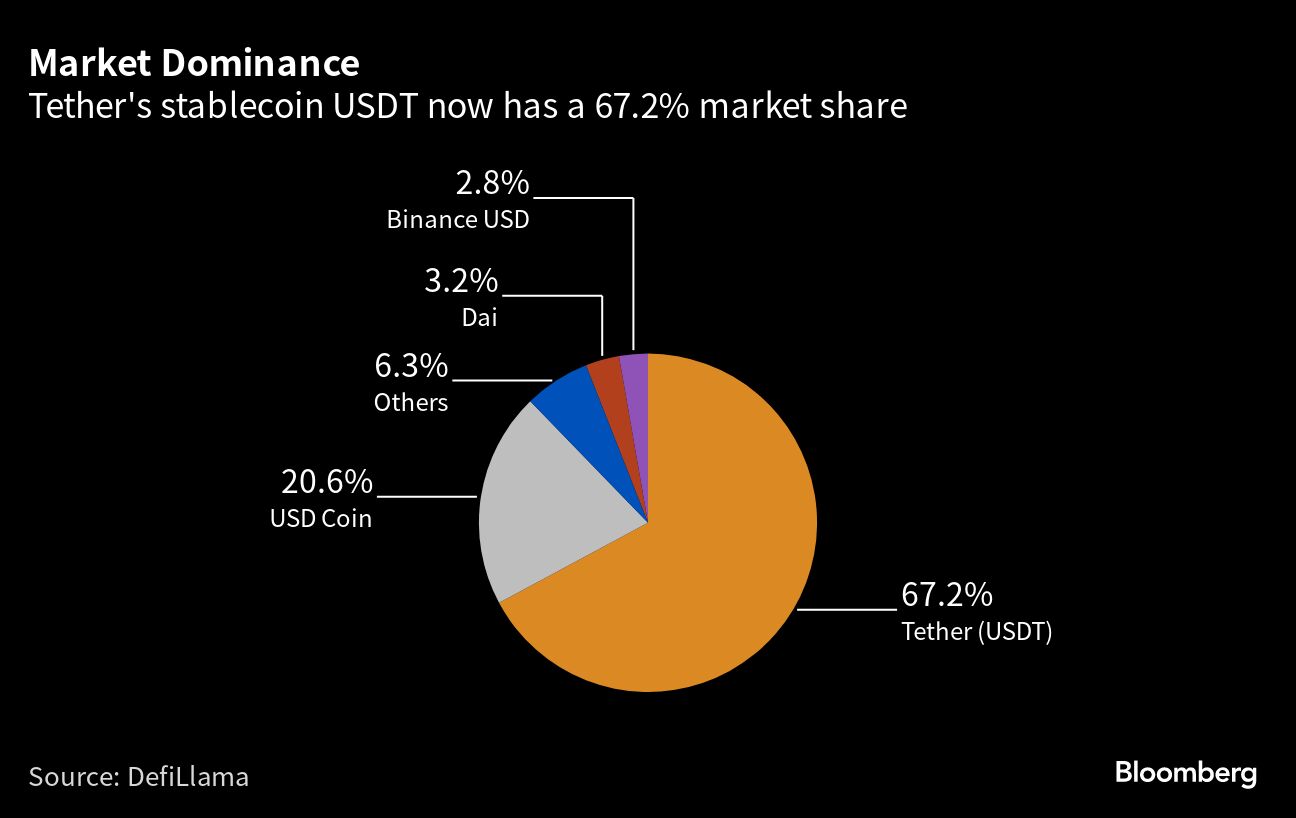
Stablecoins are a special flavor of cryptocurrency. Unlike Bitcoin or countless wildly traded memecoins, whose values rise and fall based on market moods, the most popular versions of these digital tokens are supposed to always be worth $1 each.
PayPal Holdings Inc. is rolling out a stablecoin, the first by a large financial company and a potentially significant boost to the sluggish adoption of digital tokens for payments.
The old tech mantra of “move fast and break things” had long been one of the guiding principles of the cryptocurrency movement. The only problem: Too many things broke, leaving a string of high-profile bankruptcies and criminal prosecutions in its wake.
A group of firms including Goldman Sachs Group Inc, Microsoft Corp, Deloitte, and Cboe Global Markets Inc are joining a new blockchain system aimed at linking disparate institutional applications, potentially encouraging broader adoption of distributed ledger technology in financial markets.
When Bitcoin plunged from around $30,000 to below $20,000 in little more than a week last year, Three Arrows Capital co-founder Su Zhu described the tailspin as the “nail in the coffin” for his hedge fund.
Mastercard Inc. debuted a service that will let consumers buy and sell digital assets through their bank accounts, potentially paving the way for thousands of finance firms to offer crypto trading for the first time.