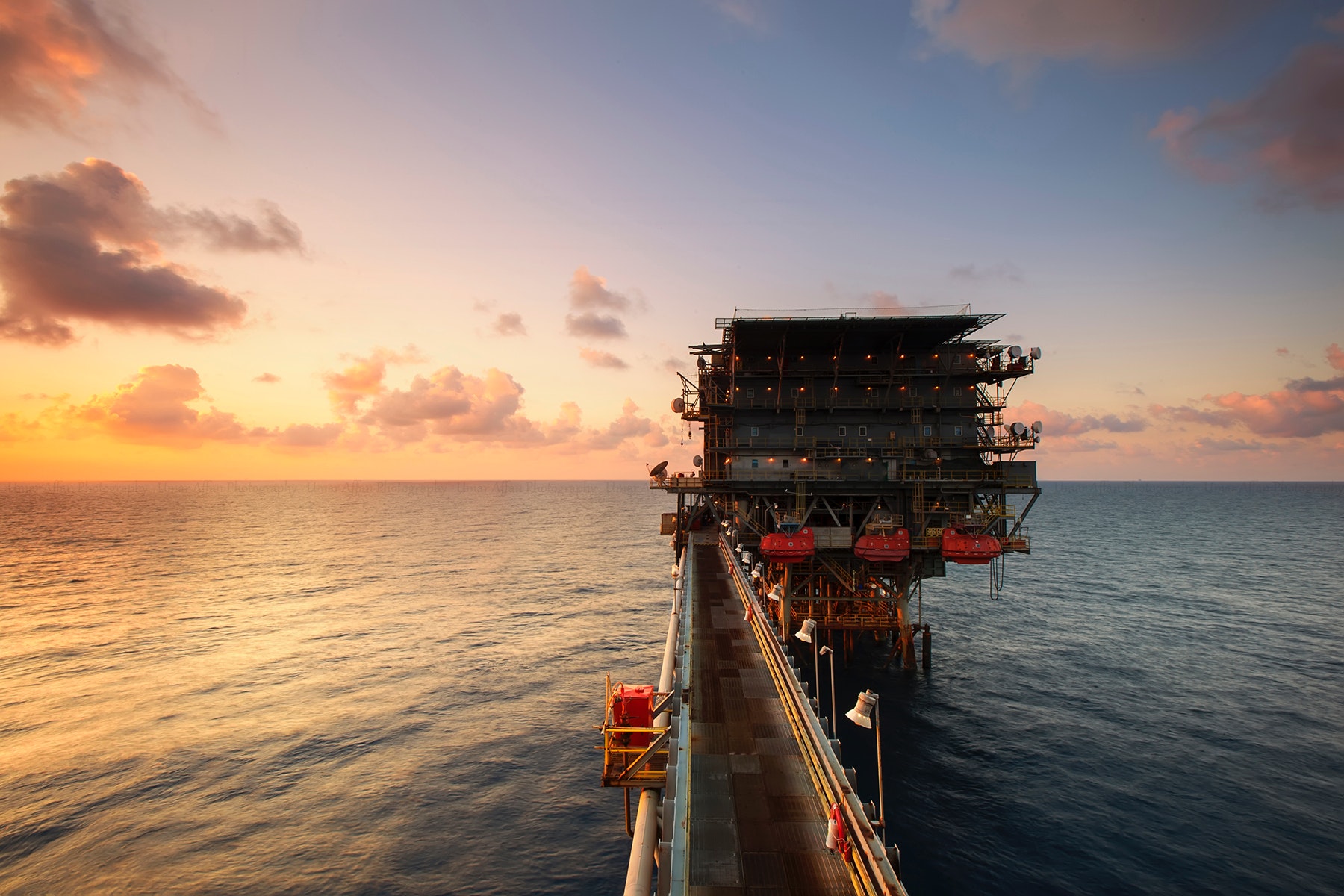
With the Middle East in flames and a fifth of the world’s supplies of oil and gas in limbo thanks to the uncertain status of the Strait of Hormuz, it’s tempting to imagine that a clean-energy world might leave such conflicts behind.
A Japanese oil tanker slips through the Strait of Hormuz in the dead of night, radio silenced to conceal its position. Iran secures a market for its crude in defiance of Western sanctions. The balance of the world’s energy trade switches from incumbent hegemons toward emerging powers.
A world where we can cook up AI videos in seconds from the apps on our phones might seem remote from the physical realities of warfare in the seaways of the Persian Gulf. In fact, they’re closely intertwined.
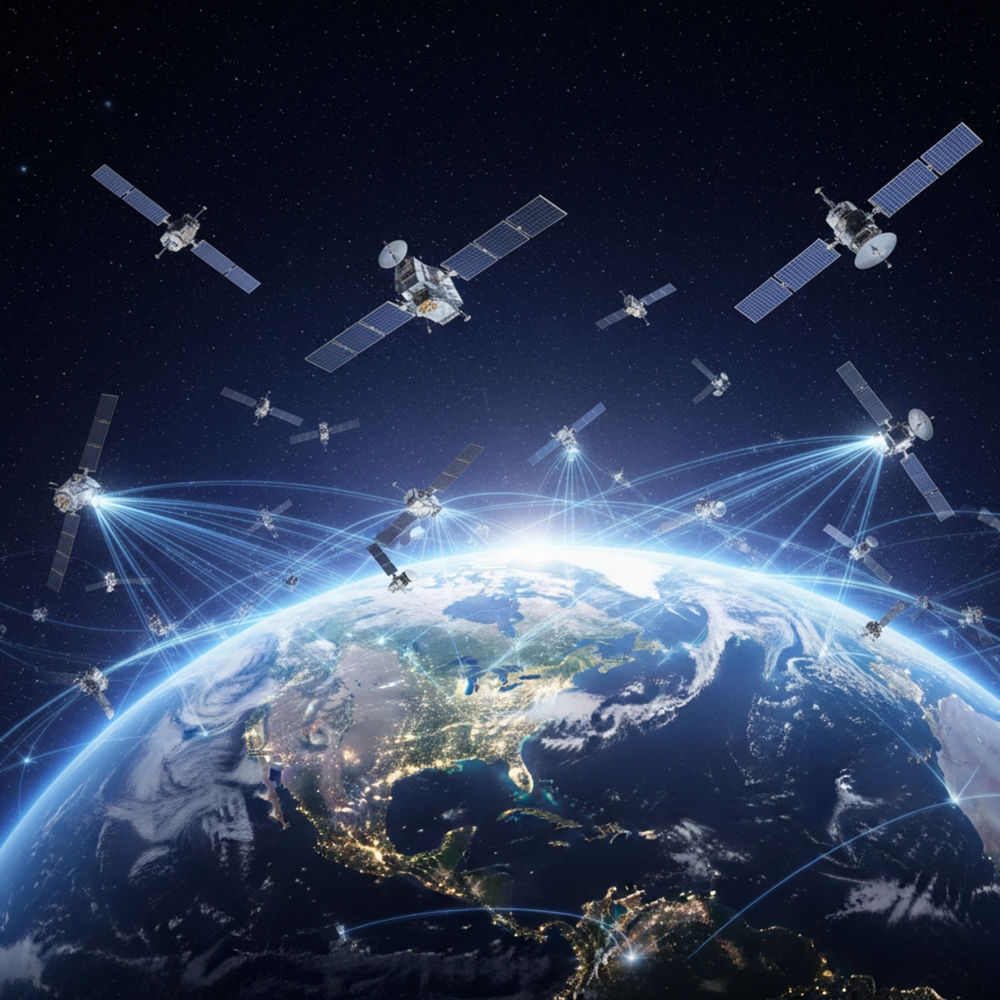
If orbital space is the 21st century’s high seas, China looks to be preparing an armada. Government plans submitted late last year to the United Nations’ International Telecommunications Union, or ITU, promise a fleet of 203,000 satellites to be deployed by the mid-2030s.
Silver’s conductivity makes it essential to photovoltaic modules, where thin printed contacts boost electrical output. About 196 million ounces was used by solar manufacturers last year. That’s equivalent to every gram used in jewelry, and represents about 17% of the global market.
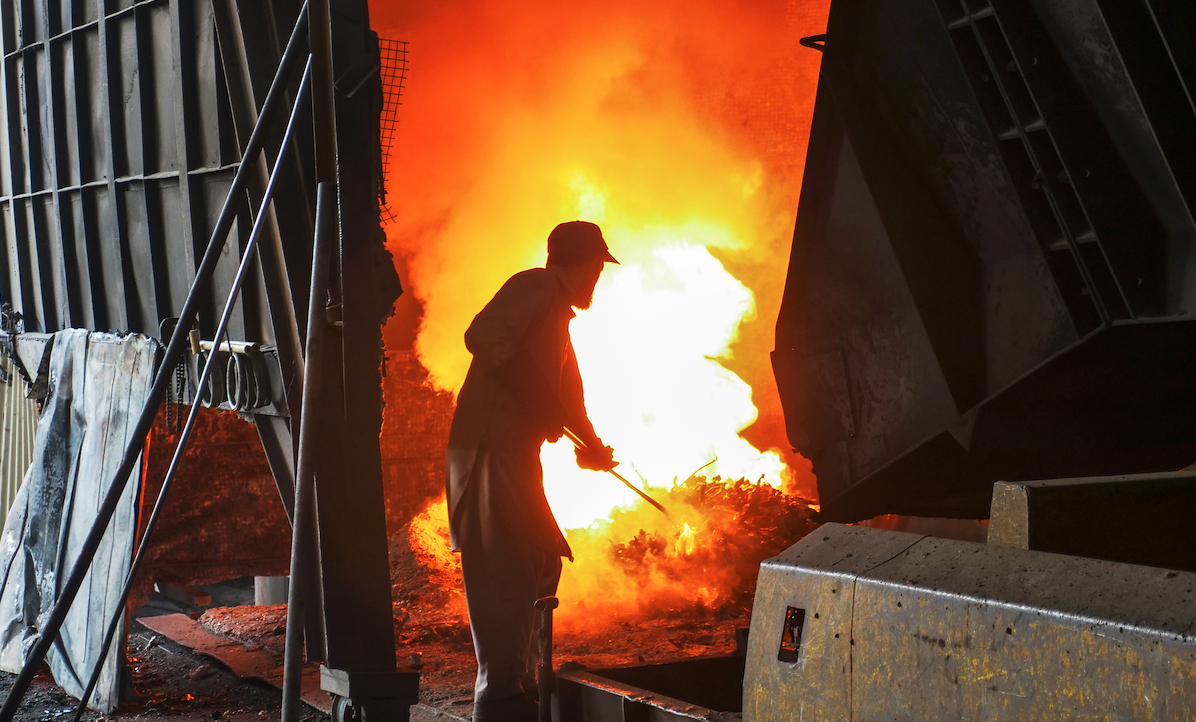
Consider coking coal. The high-quality solid fuel used in steelmaking was for many years seen as a jewel in BHP’s crown.
It’s not just America and Europe that fear the competitive threat from Chinese clean technology. China itself is scared.
Looking for an investment idea that’s paid off handsomely in commodities markets over the past six months? Try betting on the tropics.
Getting a stay of execution doesn’t mean you’re no longer on death row.
High-tech manufacturing in China over the past year has often felt like watching a looking-glass parody of the US.
Germany’s Carl Benz might have invented the automobile, but it’s the United States that got us to drive them.
In trying to block China’s climb up the ladder of technological sophistication, the US may inadvertently be giving its rival a hand up.
The manufacturers of solar equipment, similarly, aren’t in the final analysis providing us with panels of silicon and glass, but machines that can harvest power from the sun. The activities of each group of companies provide a fresh flow of useful energy to the world every year. And by many measures, the solar companies have already overtaken Big Oil.
The semiconductor industry is a strange field. Play your cards right, and you can turn $60 billion or so of annual revenue into a $2.62 trillion business. Do things differently, and roughly the same volume of sales might translate into $44 billion of market capitalization.
Geography, it’s often said, is destiny. The paths nations follow though history are written like a script on the patterns of their rocks, rivers, plains and coasts, in ways that often confound the views of the people who inhabit them. It’s rare for a country to escape that geological fate.
Faced with the greatest challenge of the 21st century, America is giving up.
What’s the value of a good story? $82 billion, to judge by Tesla Inc.’s 15% share price gain Monday.
The world’s biggest miner BHP Group Ltd. grew powerful by building dominant positions in producing the minerals of the future. That makes the challenges it’s facing with two key clean-tech ingredients a sobering lesson for the energy transition.
At the time of the first major climate change conference, in Rio de Janeiro in 1992, China was one of the least developed nations. Its per capita income was below Haiti, Niger and Pakistan.
The world’s auto industry is accelerating in two directions at once. Unless those contradictions are resolved, carmakers risk running themselves off the road.
A medieval king was nothing without his sage advisers. It’s not so very different in the Silicon Valley of 2023.
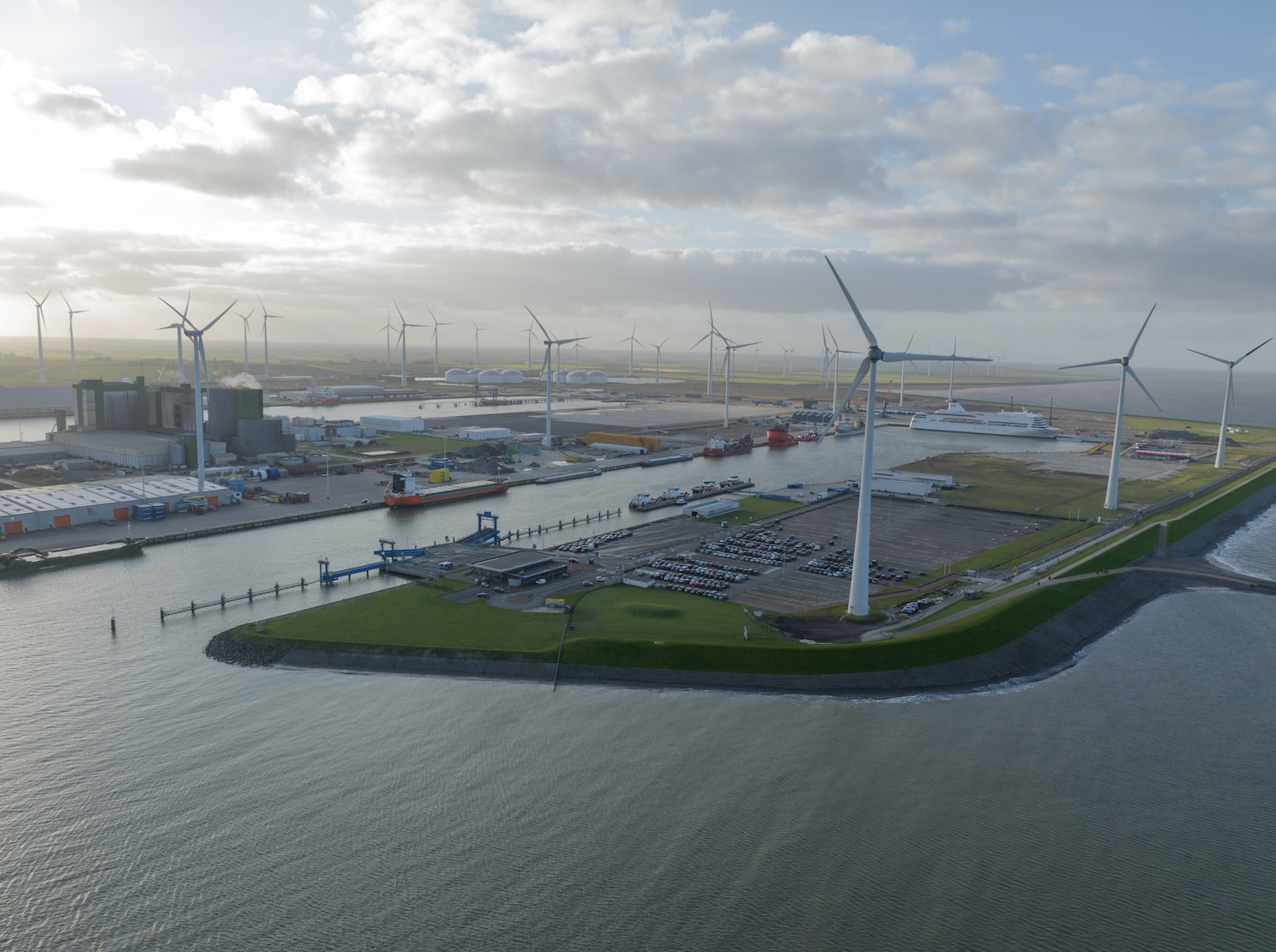
For a century, the world’s oceangoing fleet has been powered by crude. The 50,000 ships plowing the high seas consume more than five million barrels every day, not much less than all the aircraft in the sky.
The instruction manual for surviving a zombie apocalypse is pretty straightforward.
Gold, according to financial markets lore, is a pretty simple beast.
The global trade in the cheapest foods is grinding to a halt.