Utilizing a portfolio of individual bonds can provide benefits that are difficult to reproduce via other fixed income investment vehicles. The portfolio can be completely customized to the specifications of an investor, providing a solution that aligns long-term financial goals with personal preferences. Product choice, issuer selection, cash flow, maturity, tax considerations, and credit quality, can all be customized.
In this commentary, I’m not going to try to predict any outcomes or long-term effects but rather want to cover how markets have reacted so far and highlight some opportunities that have been created.
Drew O’Neil discusses fixed income market conditions and offers insight for bond investors.
This year, so far, the world has been riddled with geopolitical news, resonating in widespread unrest, yet seemingly yielding less impact on financial markets.
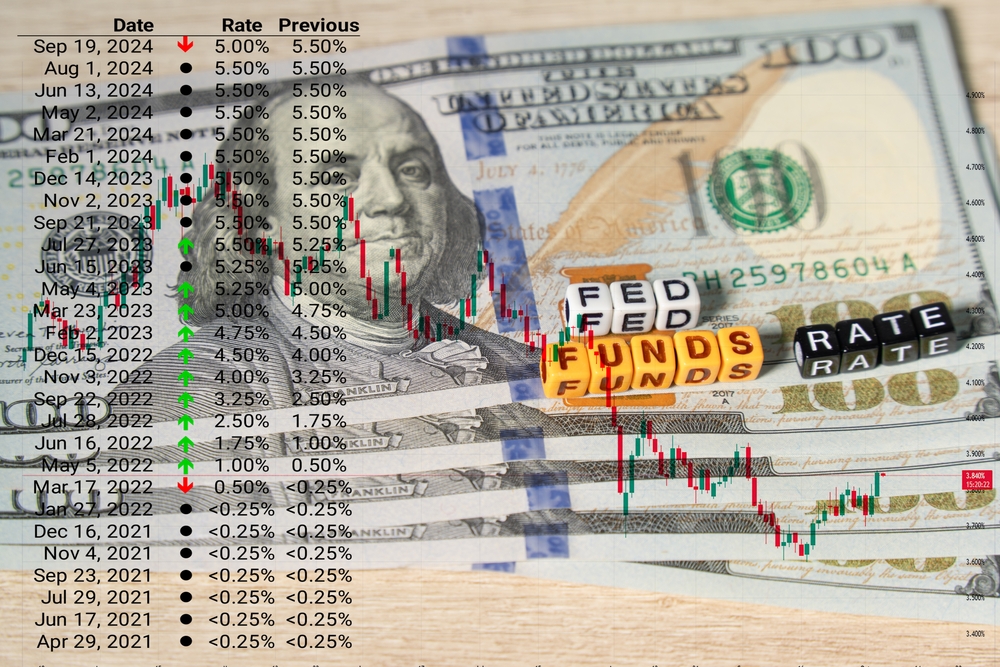
It has been over six months since the FOMC has made a change to the Fed Funds rate. While the debate continues as to when the next cut will be, market consensus (per Bloomberg calculations) is currently for a 25 basis point cut in September.
Several indicators used by fixed income investors to measure value have recently taken a positive turn, potentially flashing an entry-point opportunity for investors with money to put to work.
The can has been kicked down the road several times but it feels like the end of the road is in sight.
Drew O'Neil discusses fixed income market conditions and offers insight for bond investors.
Short-term Treasury yields skyrocketed throughout 2022 reaching levels not seen in almost 15 years. In early October, the yield of the 6-month T-bill topped 4% for the first time since 2007 and by the end of the month had topped 4.5%.
Recently, many market commentators have been preaching the message that fixed income investors should stick to a low duration strategy.