Despite the influx of tariff revenue, the federal government continues to run a massive budget deficit. The December budget shortfall came in at $144.75 billion, a record for the month. That was 68 percent higher than December 2024.
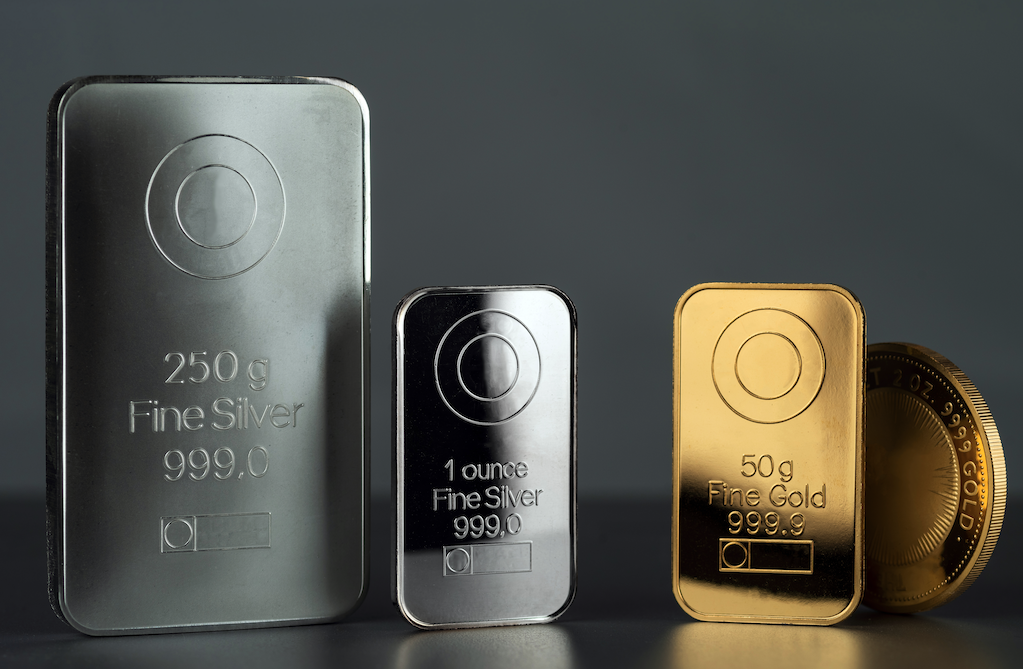
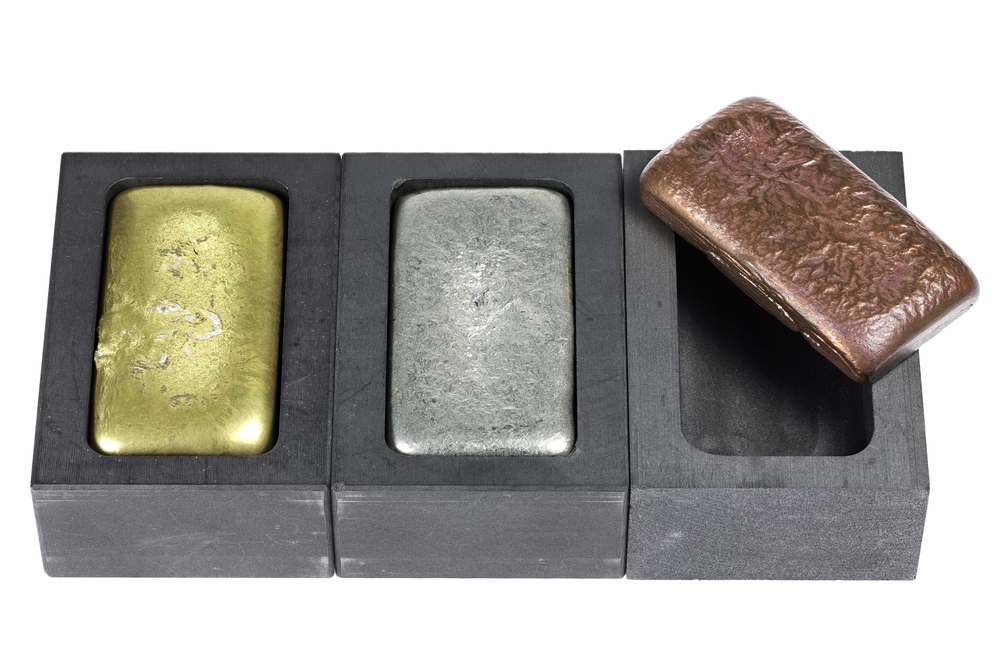
Last year, gold rose by over 64 percent, setting 53 new record highs along the way. Silver gained just under 148 percent. Platinum’s price increased by 125.9 percent. Palladium was up just over 80 percent.
With silver and gold both surging significantly higher over the past couple of weeks, a correction was inevitable. When an asset price quickly rises, at some point, it will ultimately become oversold. Investors book profits, and the price corrects.
In a recent episode of the Money Metals podcast, host Mike Maharrey sits down with Peter C. Earle, PhD, of the American Institute for Economic Research (AIER) to unpack what the gold standard actually is—and why it still matters in a world of fiat money.
Challenging the conventional view of gold as a bubble, this analysis explores whether the metal's 109% surge since 2024 signals a permanent paradigm shift rather than a looming crash.
Price inflation has slowed, but that doesn’t mean prices are coming down. They just aren’t rising quite as fast as they were.
The Federal Reserve announced a new round of quantitative easing (QE) on Wednesday. It also cut the federal fund rate by another 25 basis points.
The U.S. economy depends on consumers buying stuff. Persistent price inflation forced Americans to blow through their savings and then turn to credit cards to make ends meet.
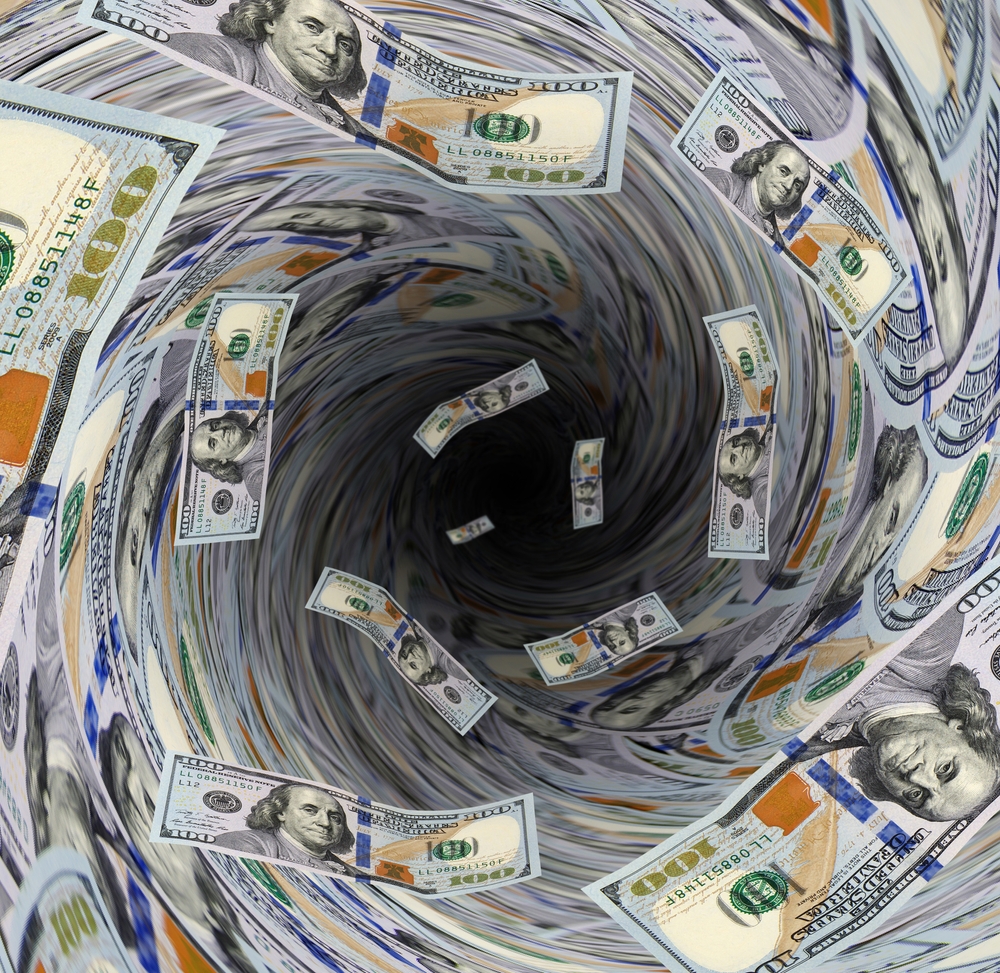
It appears the holiday shopping season is being sucked into the massive Debt Black Hole floating through the global economy.
Gold ETFs globally reported net inflows of gold for the sixth straight month, driven by a strong surge in Asian investment.
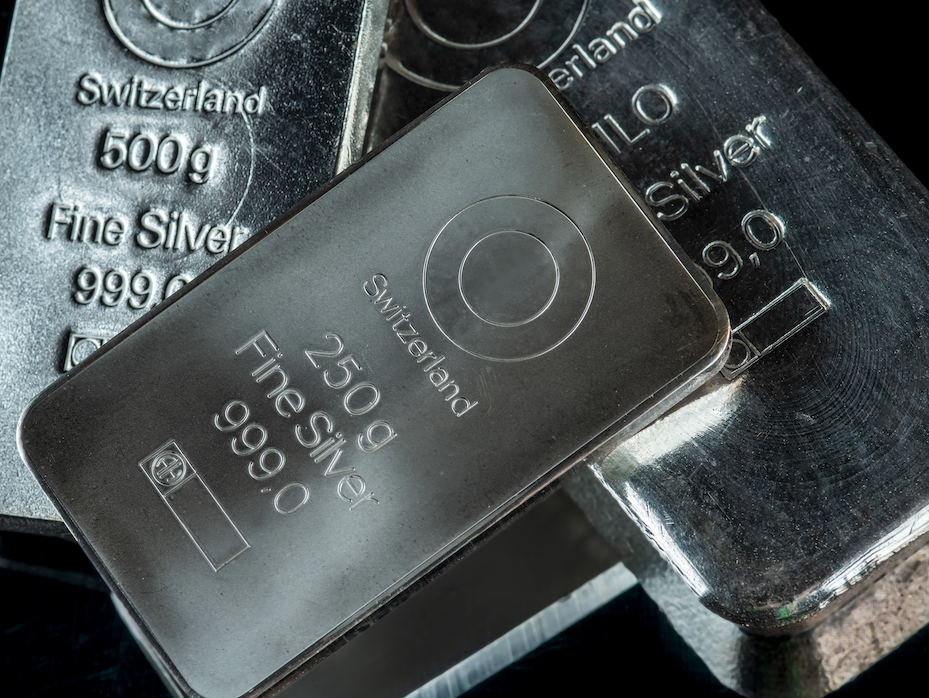
A fundamental lack of available metal, driven by years of demand outpacing supply, is fueling a major rally in silver prices, which have climbed over 99% this year.
This article argues that the Federal Reserve's decade of ultra-loose monetary policy following the 2008 crisis, including nearly ten years of near-zero rates, has warped the perception of a "normal" interest rate environment.
In a recent episode of the Money Metals podcast, host Mike Maharrey sits down with Jordan Roy-Byrne, CMT, MFTA, editor and publisher of The Daily Gold, to unpack where gold and silver are in the current cycle.
Amid concerns that the traditional 60/40 investment mix no longer works, financial experts are recommending a 20 percent allocation to gold as a necessary portfolio adjustment. This shift is driven by the fact that gold is increasingly viewed as the most reliable hedge against inflation and government spending, unlike bonds which have lost their safe-haven status. Consequently, investors are initiating a "quiet revolution" by moving billions into gold ETFs.
In this Money Metals podcast episode, host Mike Maharrey talks with money manager Michael Pento of Pento Portfolio Strategies about what he sees as a dangerously distorted financial system.
In this episode of the Money Metals Midweek Memo, host Mike Maharrey leans on Greg Weldon’s “debt black hole” metaphor to explain how towering obligations now warp policy, markets, and household finances.
On the Money Metals podcast, host Mike Maharrey sits down with Philip Newman, founding partner and managing director at Metals Focus in London. Newman explains that Metals Focus, launched in 2013, is a pure precious-metals research house; it does not trade.
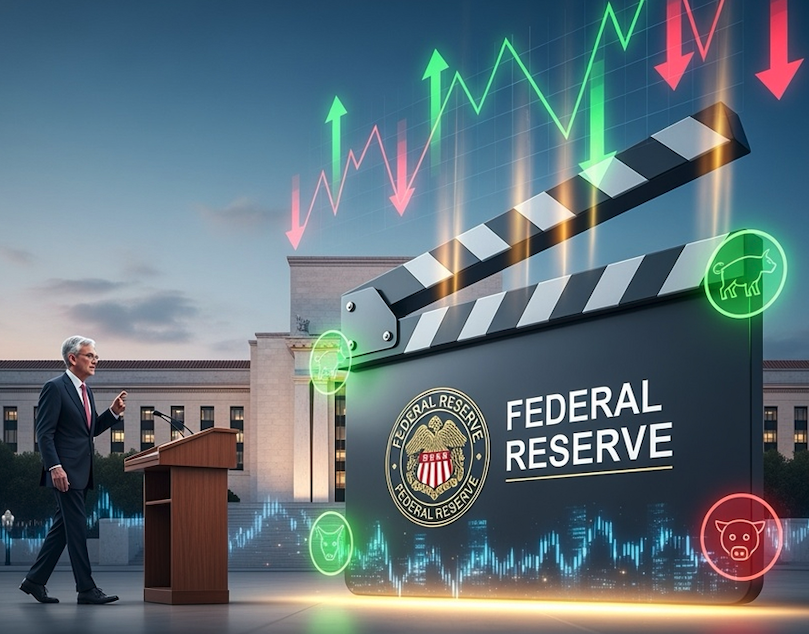
For the second straight meeting, the Fed cut the federal funds rate by a quarter percent on Wednesday. In an even more aggressive move toward monetary easing, the FOMC also announced balance sheet reduction will end in December.
The Powell put is on. The Federal Reserve chairman tried to sound like a hawk, but the central bank’s actions were those of a dove.
The headline annual CPI came in at 3 percent, according to BLS data. That was up from 2.9 percent in August and 2.7 percent in July. It was the highest print since January, and up from a low of 2.4 percent in March.
In a nutshell, the price of silver is rising because there simply isn’t enough metal to meet demand.
On a recent episode of the Money Metals podcast, host Mike Maharrey interviewed Greg Weldon. Gold had pushed past $4,300, and silver broke $54 on the day of recording.
In another sign that we are entering an era of even looser monetary policy, Federal Reserve Chairman Jerome Powell hinted that balance sheet reduction is about to come to an end.
With gold scaling record highs on what feels like a daily basis, mainstream financial analysts are scrambling to raise their price forecasts.
On a recent episode of the Money Metals podcast, host Mike Maharrey interviewed Brien Lundin. Brien Lundin is the CEO of Jefferson Financial, publisher of Gold Newsletter, and organizer of the New Orleans Investment Conference.
There has been a lot of hype surrounding artificial intelligence, and AI stocks have helped propel the stock market to record highs. Meanwhile, gold stocks have quietly outperformed AI chip stocks.
For years, mainstream investment gurus have steered clients away from gold. But with the yellow metal gaining more than 87 percent since January 2024, it’s getting hard to ignore the yellow metal.
It will depend on how long the budget stalemate drags out, but from a historical perspective, the impact of government shutdowns has been relatively short-lived and contained.
Nomi Prins brings rare credibility to these conversations. She holds a PhD in international strategic studies with a specialization in political economy, and her career spans some of the most powerful financial institutions in the world.
Federal Reserve Chairman Jerome Powell and his fellow central bankers are stuck between a rock and a hard place – and he knows it.
As expected, the Federal Reserve cut interest rates by 25 basis points last week. How will this impact the gold market?
Every time the mainstream declares price inflation dead and buried, new data comes out and rains on the funeral.
In the latest Money Metals Midweek Memo, host Mike Maharrey analyzed the ongoing bull markets in gold and silver, highlighting record highs, historical ratios, supply deficits, and why silver may now be poised for an even stronger run than gold.
Assets under management (AUM) by ETFs globally closed at another month-end peak and is now just 6 percent below the all-time high reached during the pandemic.
The U.S. dollar is experiencing a rare volatility squeeze, indicating that a major move is near. While the most likely direction is downward, any move will have a big impact on precious metals.
Higher gold prices have put a damper on central bank gold buying, but the World Gold Council still categorized August purchases as “firm.”
The tariff recession is cancelled, but with the Fed strangling rates, we are nowhere near the boom Trump wants.
Corporate bankruptcies hit a 14-year high in 2024, and the pace continued through the first seven months of 2025.
While gold hit all-time highs in April before consolidating, he notes the pullback has been unusually mild—less than 6% versus an average 10.1% correction during the 2001–2011 bull run.
Producer prices rose significantly more than expected in July, throwing markets into turmoil and calling into question what seemed like an almost certain Federal Reserve interest rate cut in September.
Despite triple the amount of tariff income, the July budget deficit surged to $294.14 billion, 19 percent higher than a year ago, according to the Monthly Treasury Statement.
After some back-and-forth over whether gold bullion imports into the United States would be hit with tariffs, the Trump administration confirmed yesterday that they will not be. In response, spot gold fell 1.62% and spot silver dropped 1.86%.
The July CPI data indicated moderate price inflation and boosted optimism for a September interest rate cut, even though monetary inflation is on the upswing.
For the second straight month, consumer borrowing was weak, indicating Americans might be close to their credit limits.
A surprise 39% tariff threat on Swiss gold imports sent shockwaves through the gold market. Gold prices remained relatively stable, but spreads exploded.
There are hints that at least a few within the federal government are toying with the idea of revaluing U.S. gold reserves.
Gold inflows into ETFs through the first half of 2025 hit levels not seen since the pandemic, and that trend continued through July.
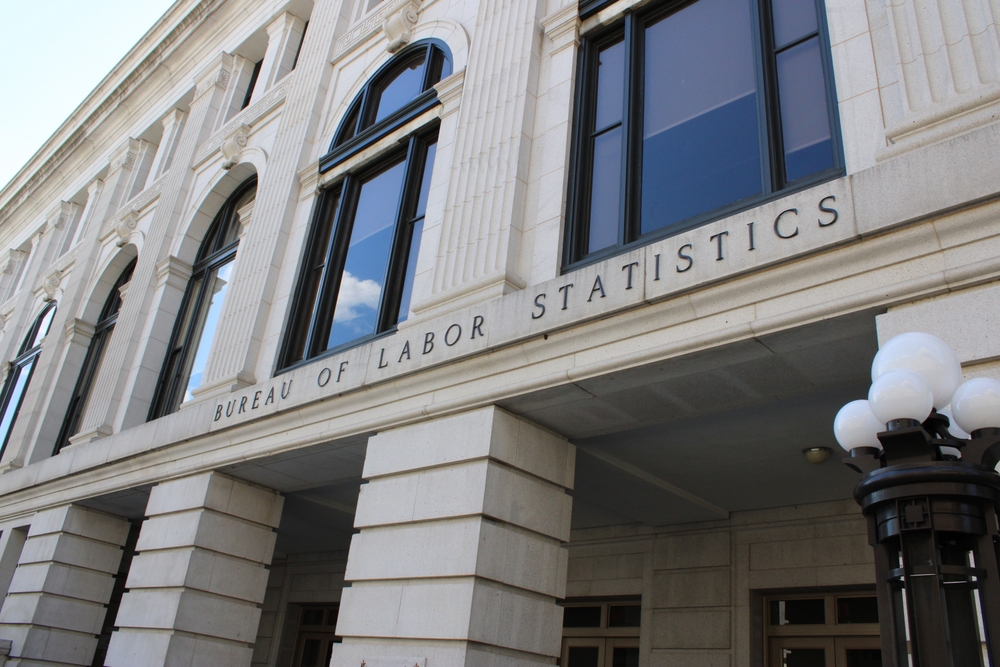
President Donald Trump made headlines when he fired Bureau of Labor Statistics Commissioner Erika McEntarfer after a particularly bad July jobs report, calling it rigged.
Gold surged to a record high in April 2025 but has since entered a quiet phase, trading sideways.
Platinum charted a 49.8 percent gain through H1, rising from around $900 an ounce in January to $1,360 at the end of June. That compares with a 25.9 percent increase in the price of gold and a 24.9 percent rise in silver.