The US 30-year bond yield is trading above 5% for the longest stretch since the dawn of the financial crisis, echoing investor concerns about a growing debt pile and sticky inflation.
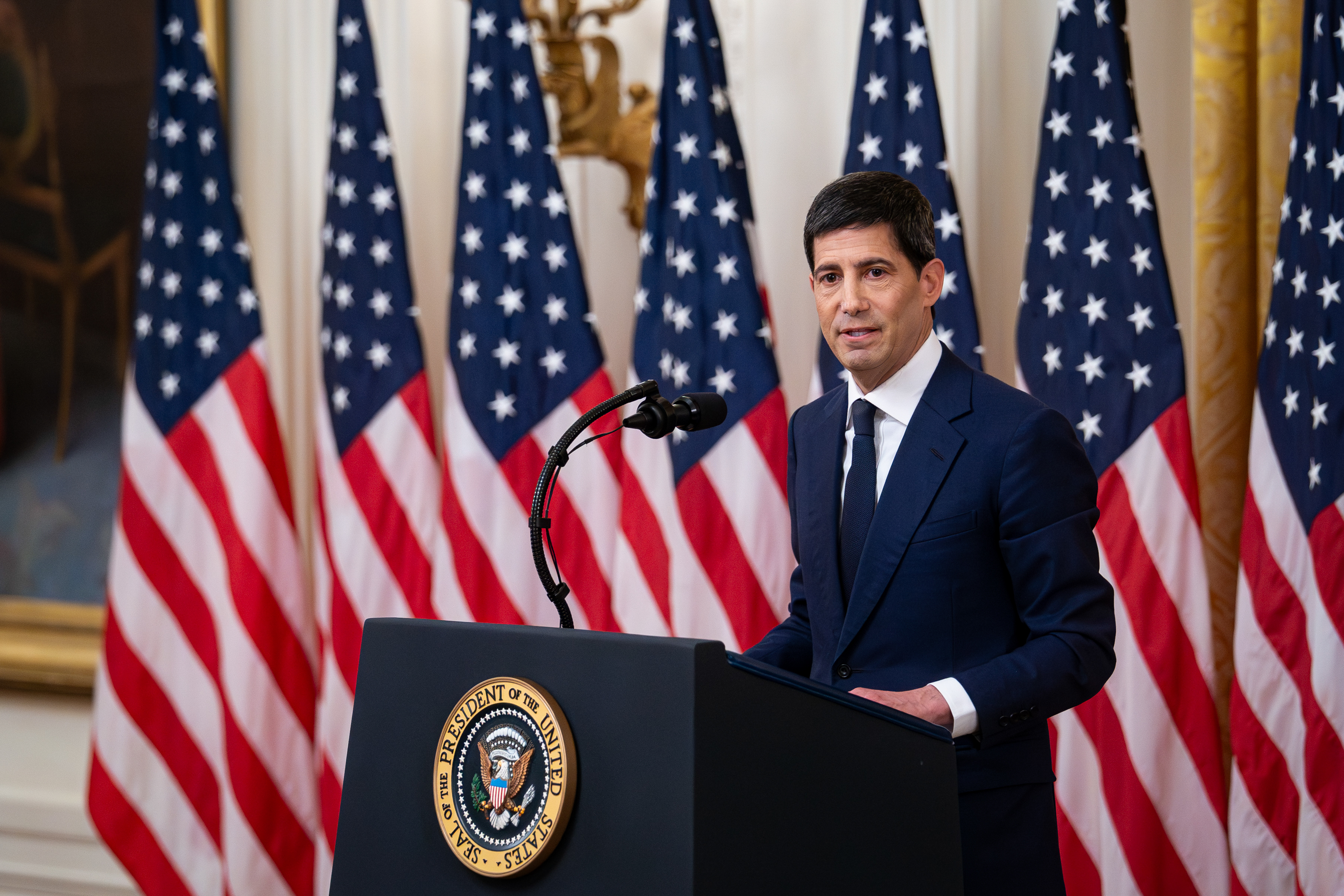
Bond traders and Federal Reserve Chairman Kevin Warsh are in agreement on a crucial point: The central bank’s fight against inflation still seems far from over.
As Kevin Warsh takes the helm at the Federal Reserve, bond investors are betting he’ll prioritize the central bank’s inflation-fighting credibility over President Donald Trump’s push for lower interest rates.
For much of the past few years, US Treasuries have failed to serve their traditional role as a sure-fire refuge from global market meltdowns.
Vanguard is boosting its holdings of Treasuries, taking advantage of higher yields following the Middle East conflict to lock in rates and hedge against the risks of a potential growth slowdown.
Some of Wall Street’s biggest bond-fund managers say financial markets are underestimating the risk that the US war in Iran will cause a sharp slowdown in an already sputtering economy.
Bond investors, who have been focused on inflation since the Iran war began, say a surprise in the monthly US jobs report has the potential to upend their expectations for Federal Reserve interest-rate cuts.
Treasuries fell for a fourth day — lifting yields to the highest levels in several weeks — as rising oil prices ignited inflation expectations and dented the outlook for Federal Reserve interest-rate cuts.
US bonds are wrapping up their best monthly performance in a year against a backdrop of rising global risks, with resurgent demand serving as proof that investors still see Treasuries as the premier haven in turbulent times.
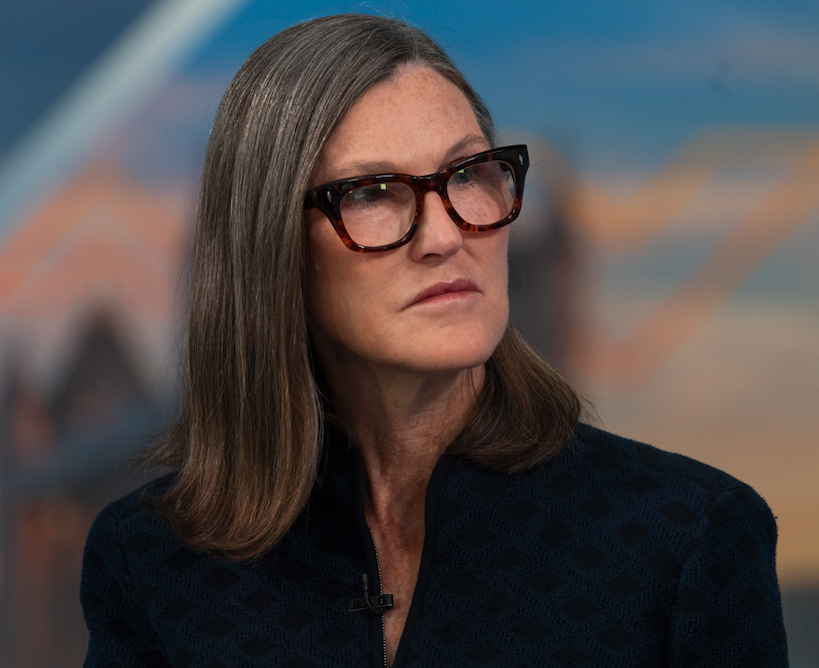
Years after Cathie Wood became the face of pandemic-era investing euphoria, her flagship fund is marking a difficult milestone.
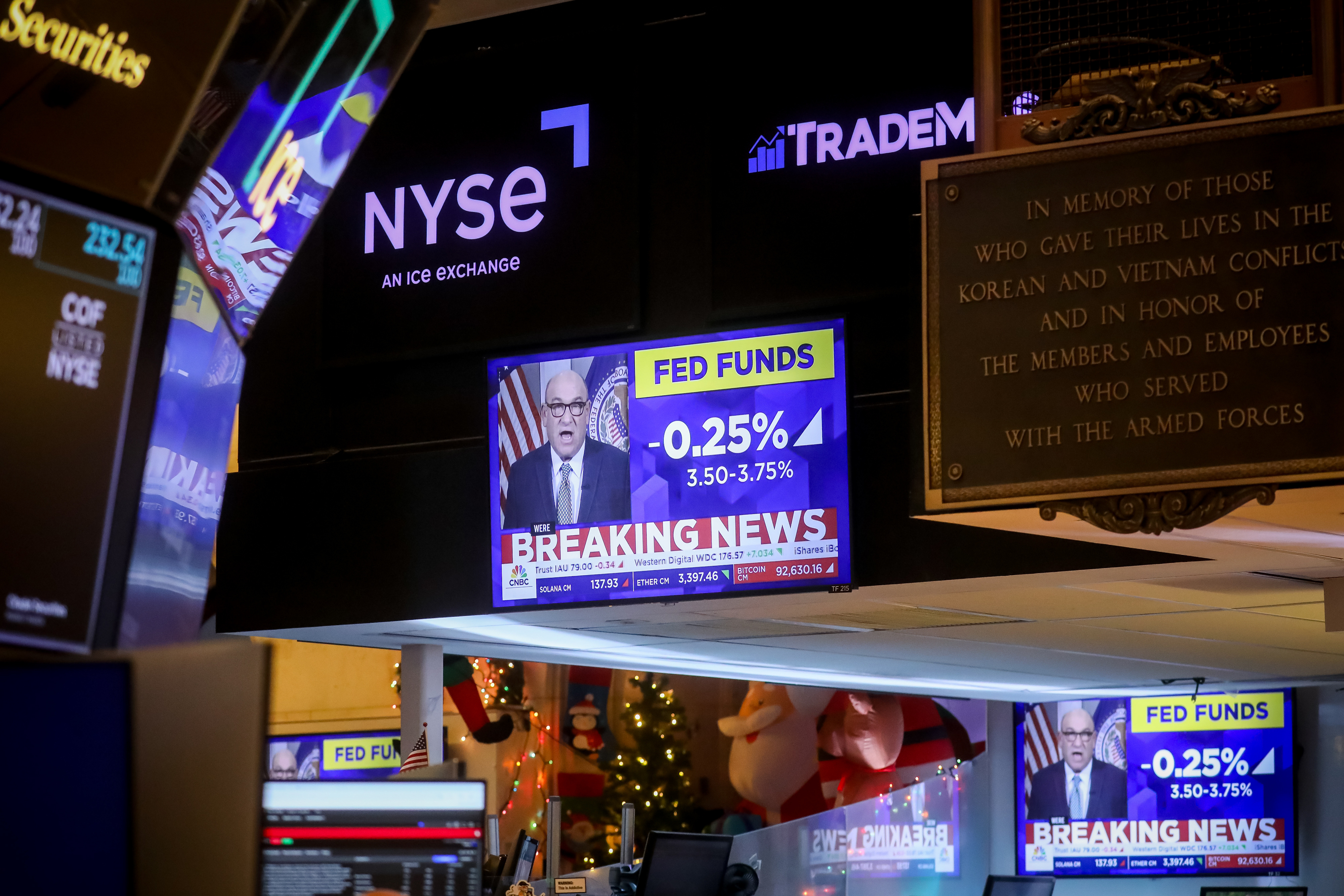
US Treasuries rose after the Federal Reserve lowered interest rates by a quarter-point for a third straight meeting and left the door open to additional policy easing in 2026.
Market focus is shifting to the Fed's 2026 outlook, as stubbornly elevated inflation and recent hawkish signals suggest the central bank may signal an "extended pause" after this cut. Consequently, traders have recently scaled back expectations for the total number of cuts next year, expecting the easing cycle to stop closer to 3.5% rather than the previously forecast 3%.
The passage of new US stablecoin legislation has intensified Wall Street debate over the tokens' potential to significantly boost the dollar and become a multi-trillion-dollar source of demand for short-dated Treasuries.
Investor certainty about a Federal Reserve interest rate cut in December has surged to approximately 80%, driven by signals from Fed officials and recent mixed economic data, especially regarding the labor market.
Treasuries fell the most in nearly five months after Federal Reserve Chair Jerome Powell cast doubt on a December interest-rate cut, even as a sagging labor market prompted policymakers to bring down borrowing costs Wednesday.
All it took was a classic bout of haven buying to wake up a slumbering Treasuries market and drive benchmark yields to the lowest in months.
Treasuries rose as traders latched onto fresh signs that the US labor market is softening, bolstering their outlook for how much the Federal Reserve might cut interest rates in the coming months.
For much of this month, Wall Street traders piled into stocks and bonds, betting that the Federal Reserve was finally ready to start cutting interest rates again. All they were waiting on was the green light from Jerome Powell to keep the rally going.
Jack McIntyre’s US global bond fund, aided by a slumping dollar, is posting one of the best performances in its almost two decades of existence. His challenge is convincing investors that it’s more than just a flash in the pan.
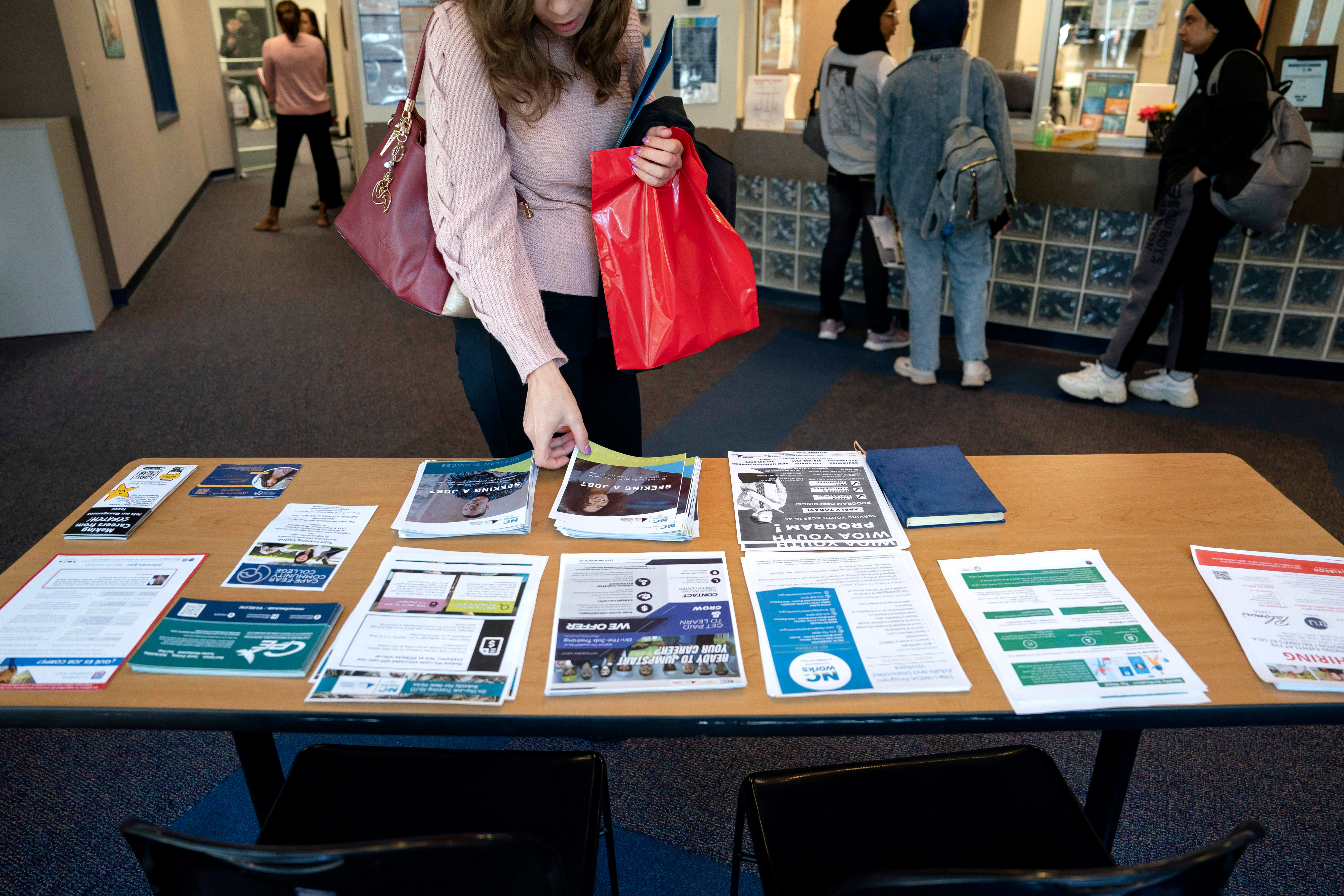
Investors in US Treasuries will scour employment data Friday for clearer evidence of a hiring slowdown that could open the door to the Federal Reserve cutting interest rates in September.
Treasuries tumbled after a stronger-than-expected jobs report for June prompted traders to exit bets on an interest-rate cut by the Federal Reserve this month.
Vanguard Group Inc. is launching a low-cost fund focused on emerging-market stocks while explicitly avoiding China, muscling into a trade long dominated by BlackRock Inc.
Treasuries fell as faster-than-expected US job and wage growth prompted traders to trim back bets that the Federal Reserve will cut interest rates this year.
Traders boosted their bets on Federal Reserve interest-rate cuts this year and US Treasuries rallied as a solid report on American jobs failed to calm markets.
Investors in US government bonds are wrapping up their biggest monthly gain since July as the Federal Reserve’s preferred gauge of underlying inflation rose at a tepid pace in January.
Treasury yields dropped to weekly lows Friday after weak January retail sales data prompted traders to restore bets that the Federal Reserve will cut interest rates by September.
Jeremy Grantham’s Boston-based investment firm is tapping into popular demand on Wall Street for emerging-market strategies that avoid China altogether, as investors prep for fresh disruptions across global supply chains on the back of Donald Trump’s combative trade posture.
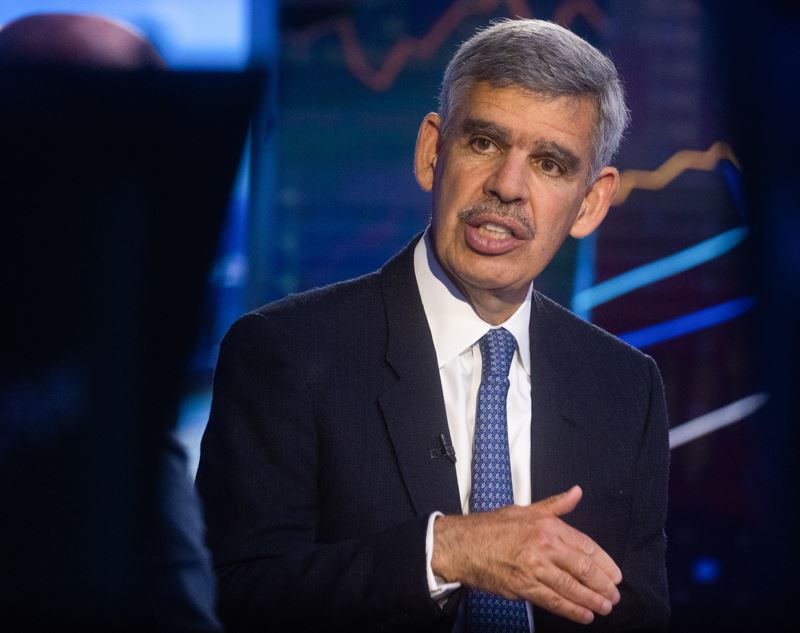
The Federal Reserve is set to refrain from cutting interest rates for “quite a while,” following a hotter-than-expected inflation report, according to Mohamed El-Erian.
US bond funds actively managed by industry heavyweights like Pacific Investment Management Co. attracted the most new investment last year as money returned after a two-year dry spell.
US Treasuries plunged as evidence of a resilient labor market pushed traders to shift their expectations for the Federal Reserve’s next interest-rate cut to the second half of the year.
The US bond market is finally showing signs of steadying after a two-month selloff, with investors starting to swoop in whenever yields test new peaks.
After driving Treasury yields higher for weeks, traders are taking chips off the table before the US election, reluctant to take bold bond bets with the presidential race too close to call.
The bond market is growing less convinced by the day that the Federal Reserve will embark on two further interest-rate cuts this year.
The “no landing” scenario – a situation where the US economy keeps growing, inflation reignites and the Federal Reserve has little room to cut interest rates – had largely disappeared as a bond-market talking point in recent months.
t.
A key segment of the US Treasury yield curve briefly turned positive as weaker-than-anticipated labor-market data bolstered bets on steep interest-rate cuts by the Federal Reserve.
It’s been the ultimate no-brainer for more than a year: Park your money in super-safe Treasury bills, earn yields of more than 5%, rinse and repeat. Or as billionaire bond investor Jeffrey Gundlach put it last October, “T-bill and chill.”
There’s no shortage of market-moving events on the docket to keep Wall Street busy right now.
Treasuries rallied after Federal Reserve Chair Jerome Powell’s speech at Jackson Hole cemented expectations that the central bank will cut interest rates next month.
It only takes a quick glance at the US bond curve to realize something is off. One Treasury security — the 20-year — is detached from the rest of the market. It hovers at yields that are far higher than those on the bonds surrounding it — the 10-year and the 30-year.
A major rally in the $27 trillion Treasury market is laying bare anxiety that the US economy is sliding into recession and the Federal Reserve will need to start aggressively cutting interest rates.
Wall Street banks are calling for aggressive interest-rate cuts by the Federal Reserve based on the latest evidence that the labor market is cooling.
History is on the side of stock and bond bulls as Federal Reserve officials kick off a two-day policy meeting.
Treasury yields tumbled after benign inflation data renewed confidence that the Federal Reserve will cut interest rates at least twice this year.
The bond trade that some of Wall Street’s biggest banks say will dominate the rest of 2024 is gaining steam before a crucial inflation reading that will help seal the wager’s fate.
US Treasuries are headed for their biggest monthly rally of the year after the Federal Reserve’s favored inflation gauge decelerated, bolstering expectations for interest-rate cuts starting this year.
Just as optimism is growing among investors that a rally in US Treasuries is about to take off, one key indicator in the bond market is flashing a worrying sign for anyone thinking about piling in.
A technical trading strategy with a perfect trading record this year is signaling that it’s time to sell long-maturity Treasuries after a rally last week.
US government bonds rallied Friday, adding to their monthly gain, after benign inflation data kept alive predictions that the Federal Reserve will cut interest rates at least once this year.
Billionaire investor David Tepper loaded up on beaten-down Chinese stocks last quarter while reducing stakes in high-flying US tech firms, leading hedge fund managers who are slowly warming up to China amid a record gap in valuations between the two markets.
Nothing has been setting the US bond market’s direction this year more than the monthly inflation figures. This week will be no exception.