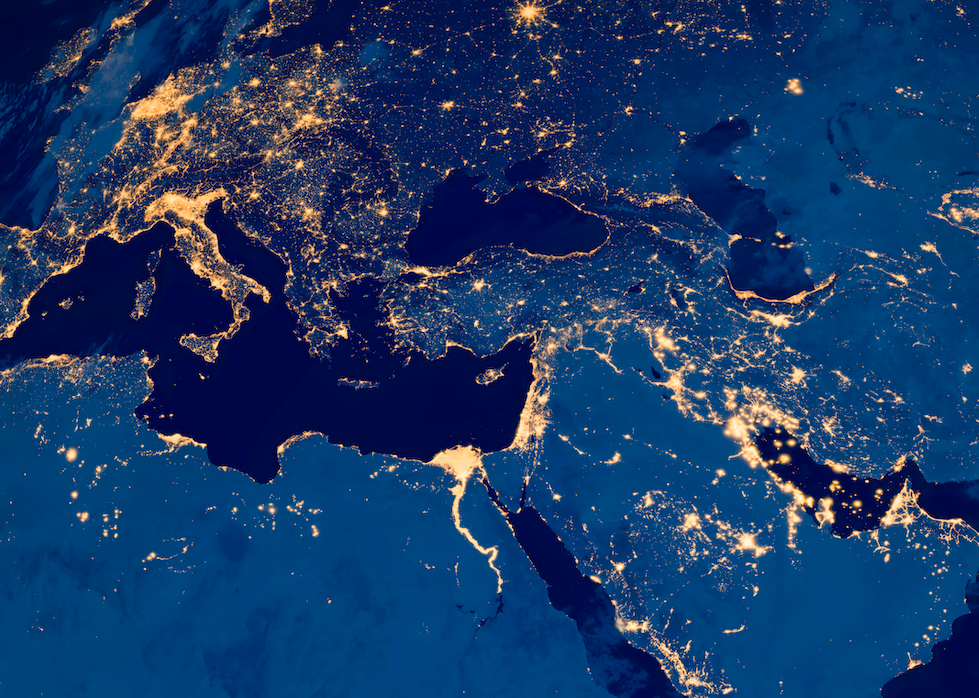
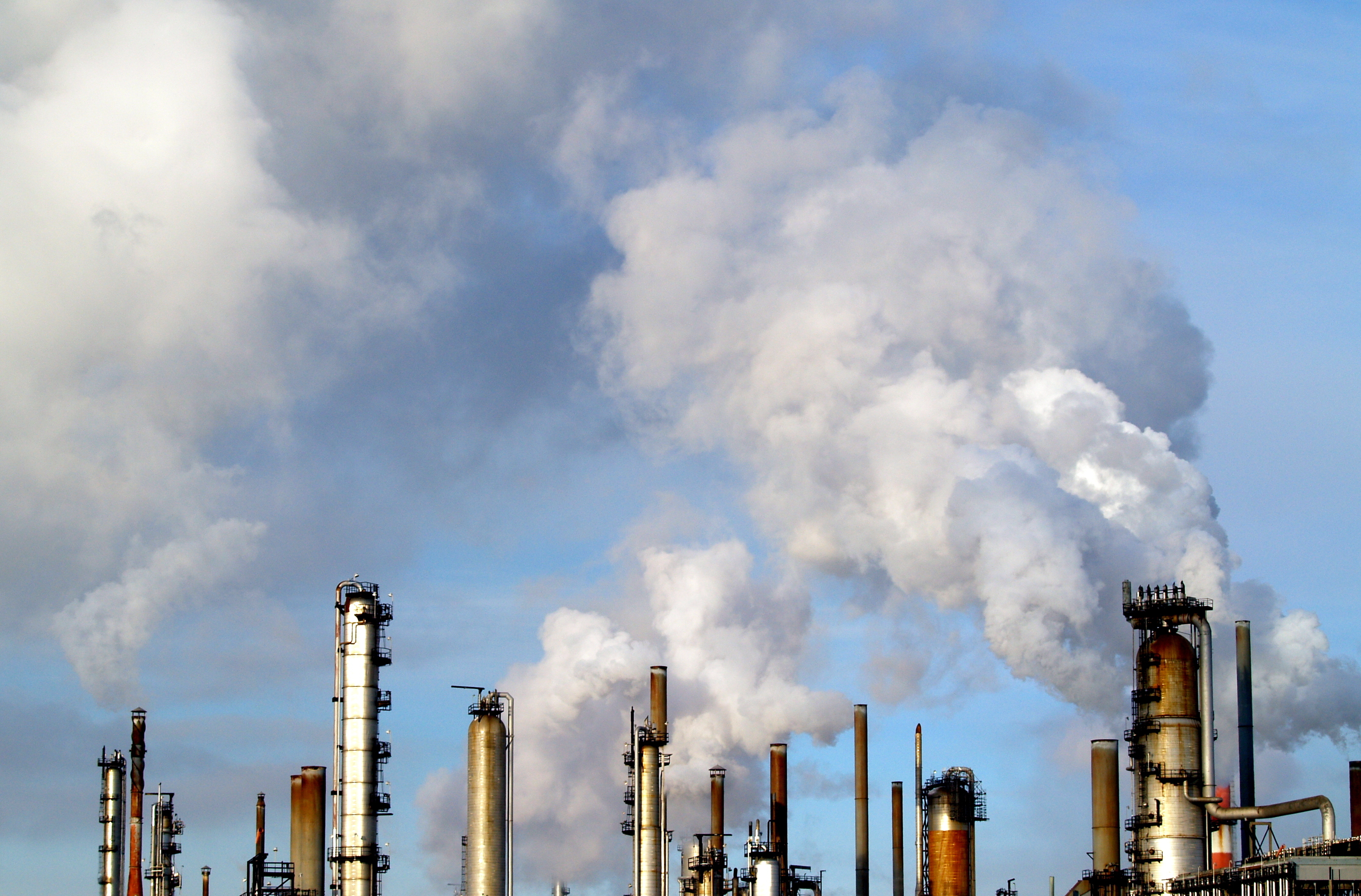
The summer has once again brought a miasma of wildfire smoke across wide stretches of the nation, leading to hazy views and slower activity. The clouds in our outlook are not merely atmospheric. A failed ceasefire and renewed conflict in the Middle East have created new reasons to worry about economic performance.
Lock, stock and barrel, a British phrase, originally referred to the three essential components of a firearm. Over time, it evolved into shorthand for the whole package. When tensions flare in the Middle East, the global economy often feels the consequences lock, stock and barrel.
While the Middle East is still far from calm, it does appear the worst of the volatility in the region is in the past. The U.S.-Iran ceasefire is in place, with negotiations underway for a more durable peace.
Circumstances since 2020 have repeatedly demonstrated how adaptable the economy is in the face of new challenges. We see no reason for that resilience to fade in the balance of the year.
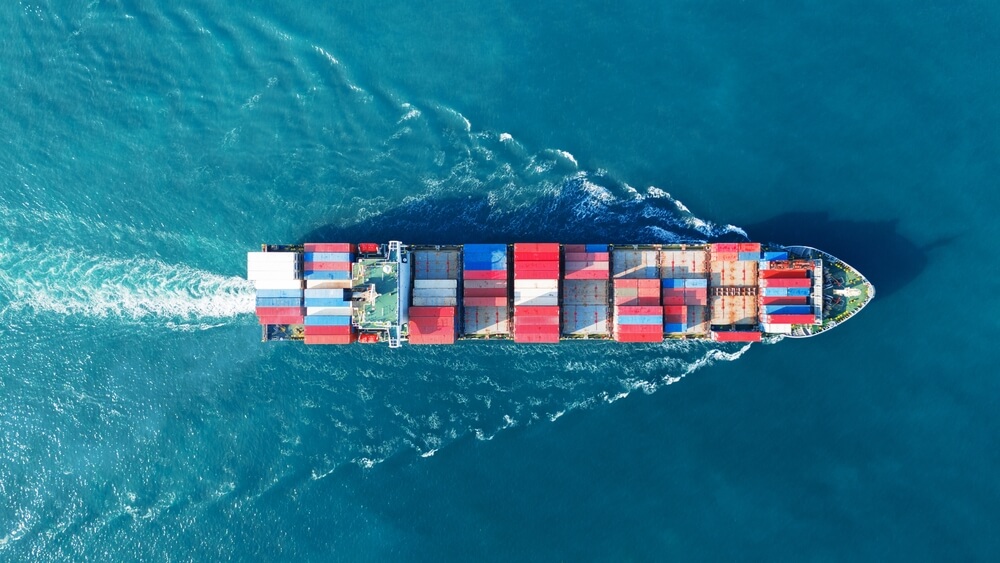
Global risks have tilted against both growth and price stability. The ceasefire in the Middle East has brought a measure of calm to financial markets, but it has not resolved the underlying economic shock. With the Strait of Hormuz effectively shut, supply constraints continue to ripple through energy markets and are increasingly spilling over into downstream sectors.
The Iran conflict has changed the paths for inflation and central bank actions.
“Smoke on the Water, Fire in the Sky,” the iconic Deep Purple refrain, endures because it captures a familiar dynamic: threats appear on the horizon before the heat arrives.
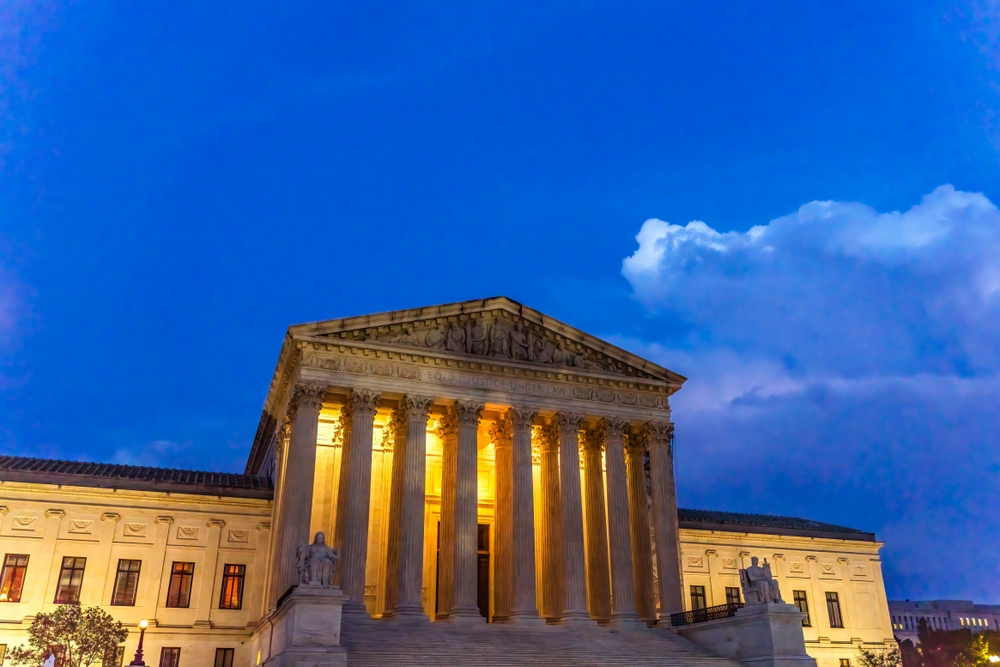
Last week’s Supreme Court ruling has prompted a re-set of U.S. tariff policy. As an updated strategy is being formulated, it is worth assessing whether the effort is worth sustaining. A high level review suggests that American trade policy over the last year has detracted from economic performance, and should be re-thought.
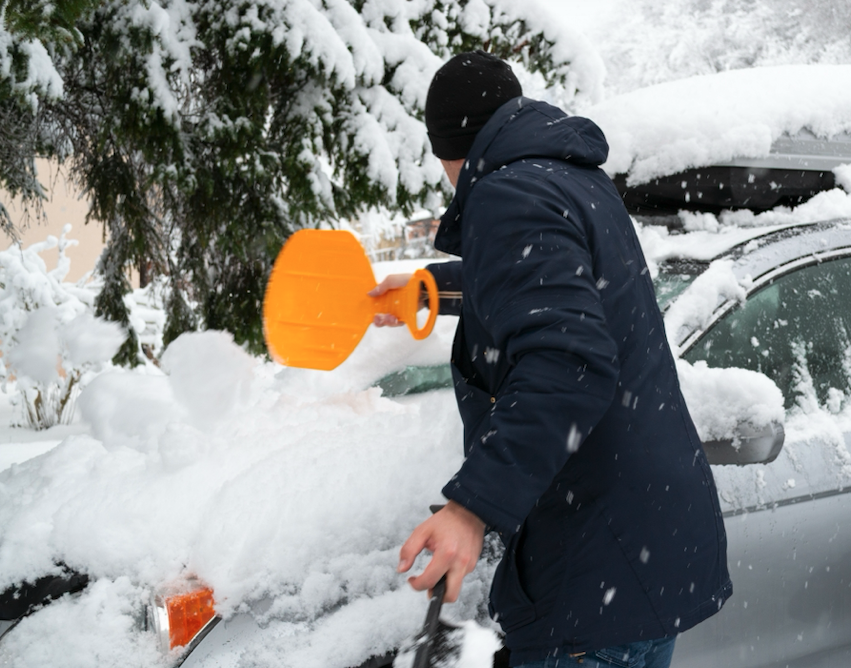
The year got off to a cold start in the U.S., with many regions experiencing unusually freezing temperatures and precipitation. February has brought relief in both the weather and in economic reports.
Long trips rarely end at the airport. We arrive, but our internal clocks lag behind; the first day back is spent acclimating to the new landscape. The global economy enters 2026 in much the same way. Shifting rules of commerce, political stoppages and patchy data have left decision makers disoriented.
Taking time away due to illness is never ideal. Upon return to school or work, we are greeted with all the tasks we did not complete while incapacitated. The recovery may feel worse than the disease.
This year has witnessed some of the most significant policy shifts in recent memory. Economic, strategic and fiscal norms have all been challenged, creating a level of uncertainty that has been hard keep up with.
2025 has not been just a story of U.S. resilience. The Asia-Pacific (APAC) region has weathered storms and stayed firmly on course.
While many lessons have evolved over time, one maxim has never changed for children: look both ways before crossing the street. I reinforced with my children to then look again. We might not see everything on a quick glance, and traffic can change quickly.
The Northern Trust Economics team shares its outlook for growth, inflation, employment, and interest rates.
The Northern Trust Economics team shares its outlook for key markets in the month ahead.
The economics teams looks back at the most significant stories we covered during 2022.
The Northern Trust Economics team shares its outlook for inflation, growth, employment and interest rates.
Internal priorities and external circumstances have brought China's growth to an inflection point.
After a strong rebound from the pandemic in 2021, it’s been all downhill for the global economy this year. Economic activity is being hindered as policymakers cope with the hottest inflation in decades, impairments from the Ukraine war, and China’s prolonged lockdowns. Recession fears are starting to come true.
The Northern Trust Economics team shares its outlook for growth, inflation and interest rates.
Inflation, China, Russia, Central Banks, Labor, Recession: It's been quite a year thus far.
What will be the Fed's next steps after a rapid course correction?
The Northern Trust Economics team shares its outlook for growth and interest rates in a context of high inflation.
The Northern Trust Economics team shares its outlook for inflation and how the Federal Reserve will react.
Ongoing labor market shifts are a risk to economic growth.
The Northern Trust Economics team shares its outlook for the Federal Reserve and the U.S. economy.
A legislative impasse raises bigger questions about public finances.
Measures aimed at containing COVID-19 will suppress growth and stress inflation.
The recovery has had its ups and downs, but the economy is moving in the right direction.
A firm economic recovery is well underway, but the fast-spreading Delta variant is clouding the outlook.
The Northern Trust Economics team shares its outlook for the U.S. economy.
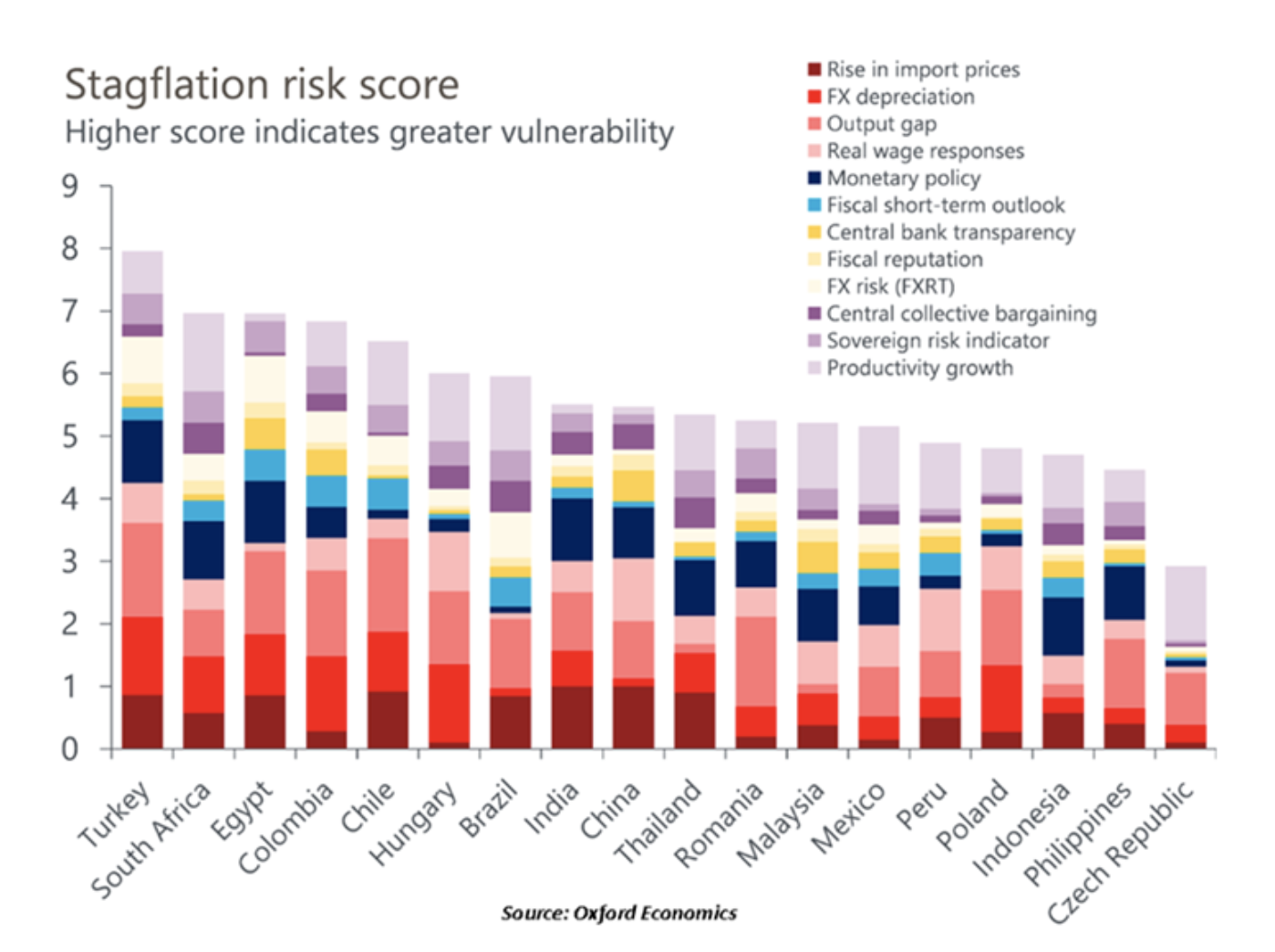
Workers have the upper hand, but not for long; Latin America stagflates; and Sweden provides a case study in COVID-19 response.
Reflecting on a busy six months of vaccines, inflation, trade relations, supply chains, and policy challenges.
Brexit is as complicated as we expected, but restaurants are reviving and aircraft tariffs are suspended.
Many economies are now in advanced stages of economic reopening, but some are still struggling.
COVID made demographic challenges even more complicated, but that hasn't slowed demand for houses in the U.S.
Crisis investments may yield a lasting boost to productivity, while Australia's restrictions pose a lingering risk.
China was the first nation to enter recovery, and high U.S. import demand has helped it.
Advanced economies are doing better than emerging markets.