Put succinctly, the world today requires substantially more electricity than only a few years ago. AI, electrification, reshored manufacturing, and population growth in the developing world are converging into a demand curve that the existing global power system simply cannot meet.
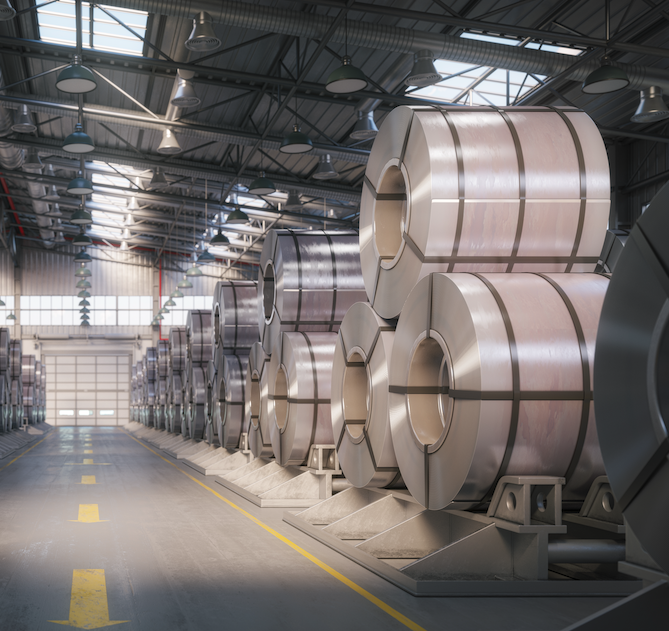
The global economy is now moving through what Absolute Strategy Research (ASR), an award-winning macro-strategy firm, has described as a rupture, meaning a break from the assumptions that governed the post–Cold War era. Governments are intervening more directly in markets and supply chains are being reshaped with geopolitical considerations at the forefront. Nowhere is this shift more visible than in industrial metals.
Quantum computing could alter productivity, industrial structure, capital allocation, and even the balance of global power. The transformation won’t happen overnight, but investors who wait for proof may find they have waited too long.
Modern economies are built on ideas, innovation, and intangible assets, but they still run on inputs you can’t digitize away. Labor, energy, materials, water, and capital are the physical and financial infrastructure that supports growth, drives margins, and defines which business models can actually scale.
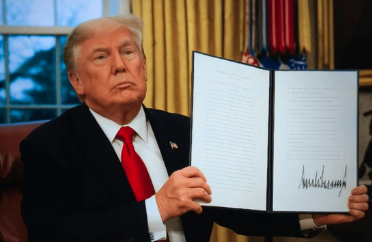
Now that we are six months into the second Trump administration, it is worth revisiting the economic philosophy that I refer to as “TrumpBessenomics.” The term captures the fusion of Donald Trump’s populist, growth-oriented agenda with the strategic and data-driven approach of Treasury Secretary Scott Bessent.