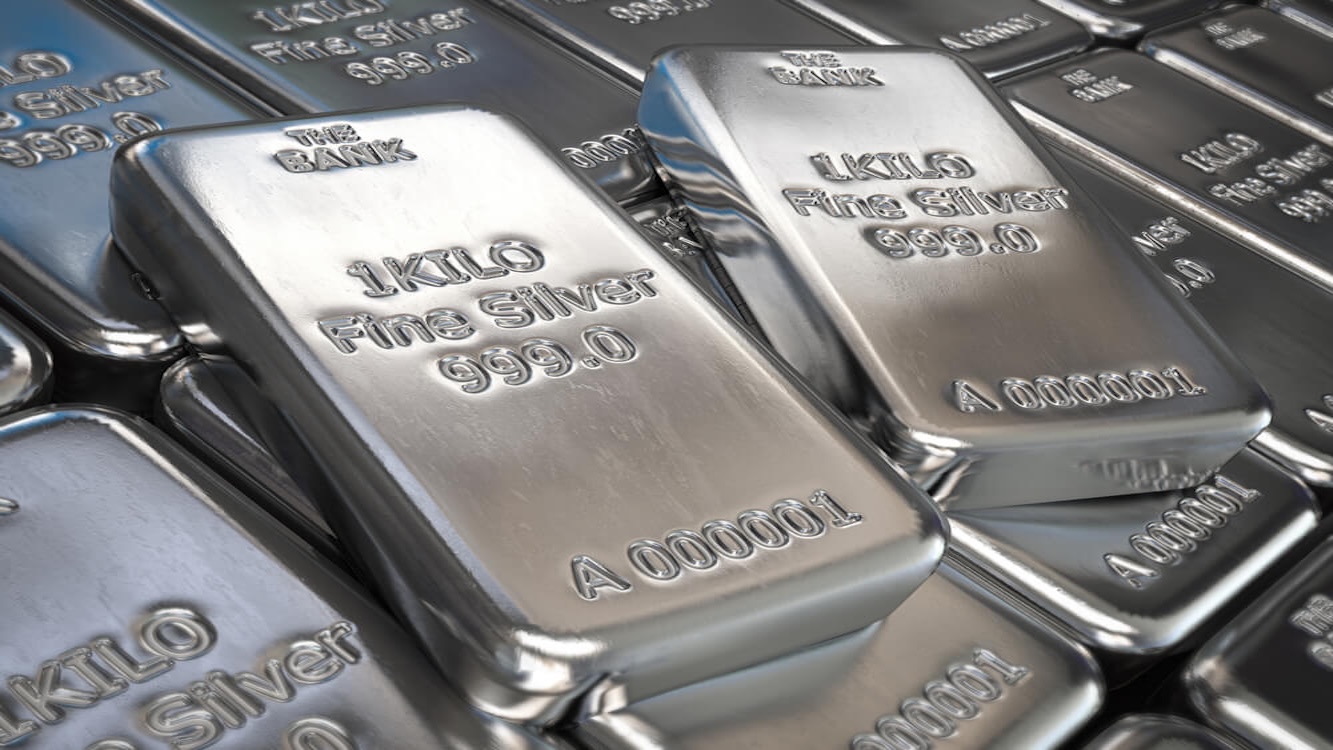
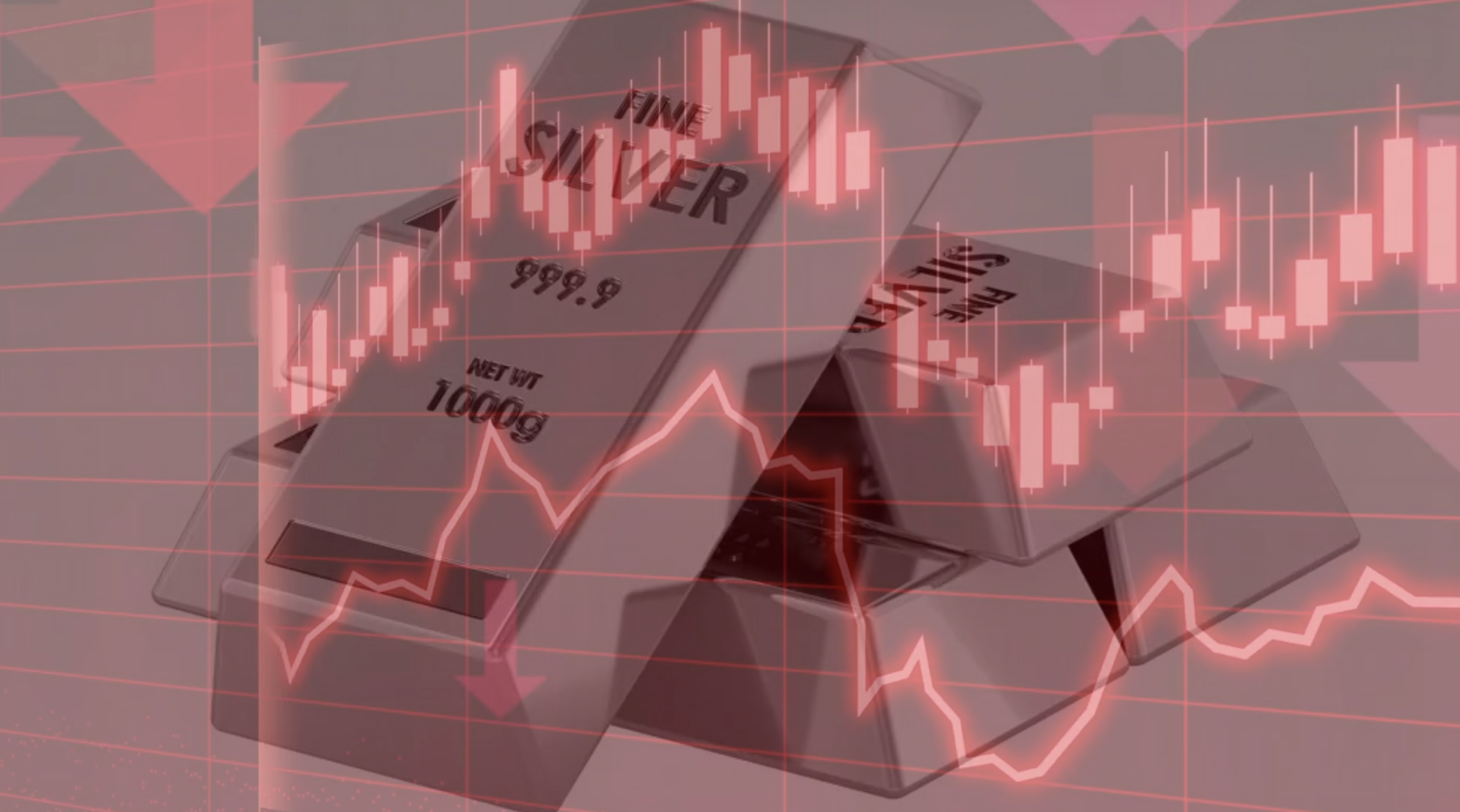
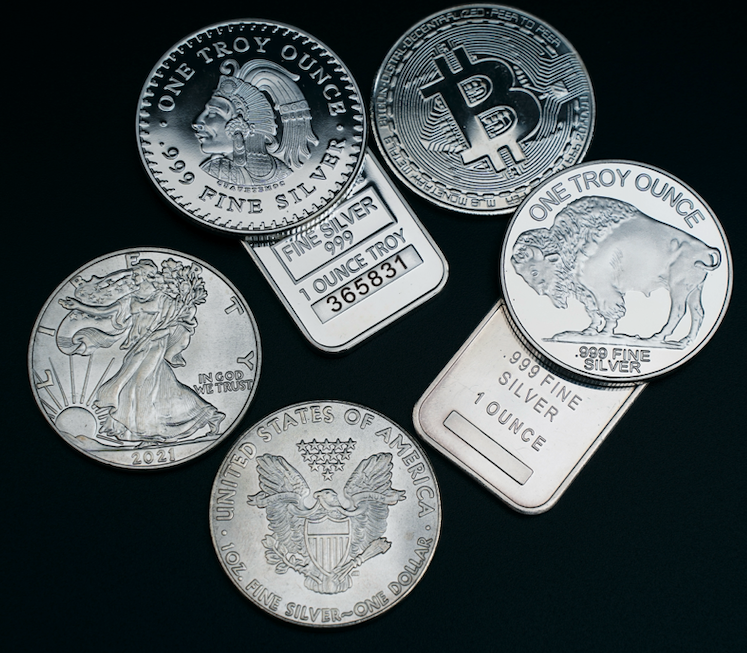
Silver is becoming increasingly discounted relative to gold, as indicated by the widening of the gold-silver ratio. In other words, silver is on sale once again.
The shine has come off silver since it skyrocketed to over $100 an ounce in January. The price has dropped by over 50 percent from the record high. However, there are still reasons to be bullish on silver moving forward, including persistent supply deficits and growing industrial demand.
At any rate, the value of the trophy reflects the value of gold. It’s almost certain that when they play the next World Cup in 2030, the trophy will be worth even more. Or I should say, the value of the dollar we price the trophy in will be less.
Gold and silver traded in a volatile fashion over the past several days as investors weighed conflicting signals from the Federal Reserve, economic data, and geopolitical developments in the Middle East.
The sharp correction in gold prices during the first half of 2026 has left many investors wondering whether the precious metal's bull market has come to an end. According to Money Metals' Mike Maharrey, however, the market's recent weakness is largely a matter of perspective.
Central bankers expect de-dollarization to continue over the next several years, with gold and other currencies taking on a growing role in the global monetary system, according to a survey by the Official Monetary and Financial Institutions Forum (OMFIF).
It feels like gold has tanked this year, but the yellow metal was only down about 7 percent through the first six months of 2026. The sharp price rally to kick off the year exacerbated the scope of the ensuing correction. Gold is down about 28 percent from its record highs.
One should always take government data with a grain of salt. But if we aren’t going to reject it outright (if we do, we have nothing at all to go on), we should at least analyze it with a microscope. The headlines touted by your mainstream pundits almost always miss the real story.
According to Gleason, the freezing of Russian assets following the 2022 invasion of Ukraine accelerated the global push toward de-dollarization. Nations around the world took notice that access to the dollar-based financial system could be restricted, increasing the appeal of gold as a reserve asset that cannot be frozen or sanctioned by foreign governments.
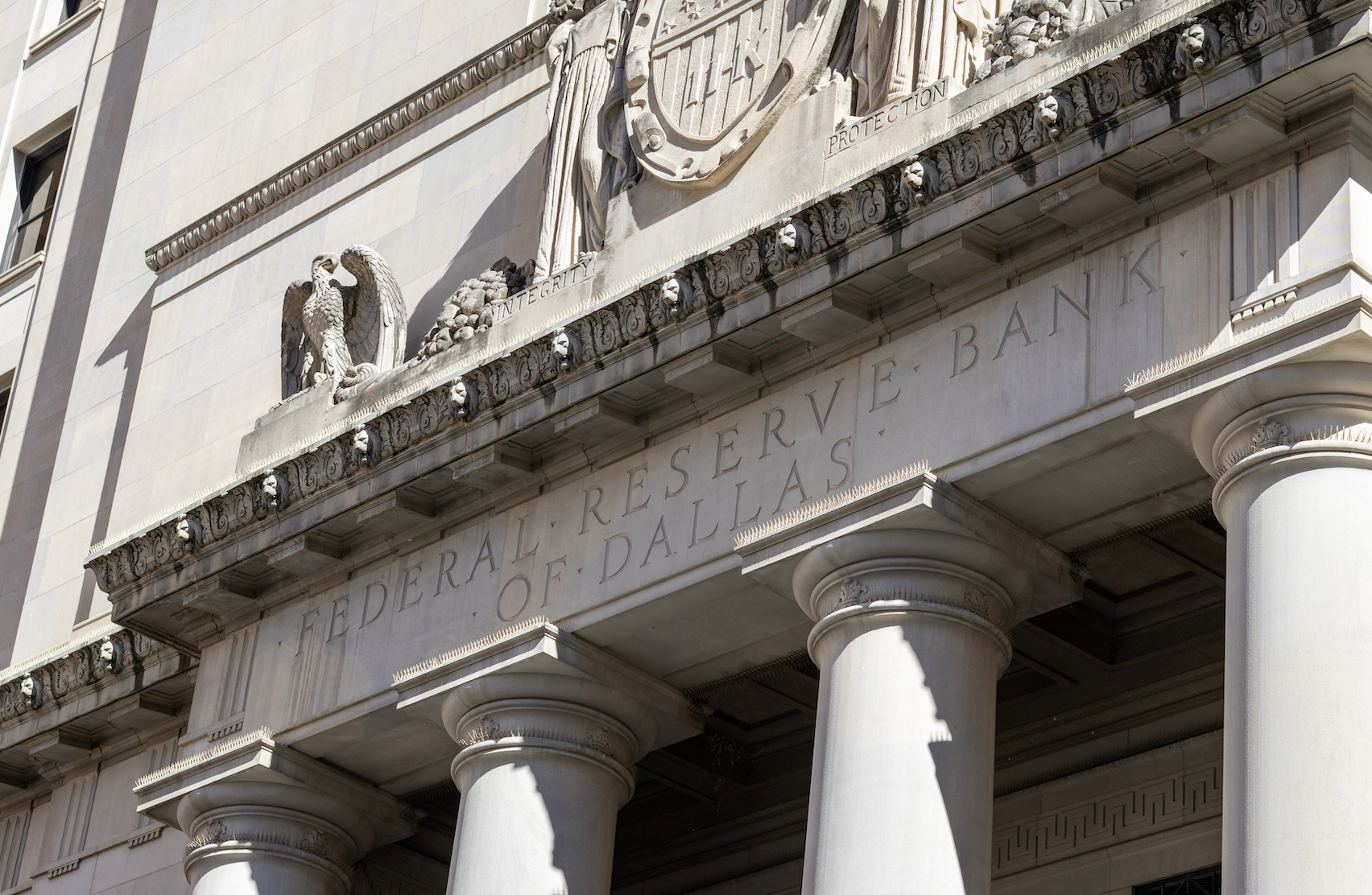
There’s a new sheriff in town over at the Federal Reserve. He sounds a lot different than the old sheriff, but one would be wise to remember that Kevin Warsh is enforcing the same laws in the same town as Jerome Powell did.
Gold is strikingly beautiful. It’s useful. And it has faithfully served humanity as money for thousands of years.
What do you do if you have a standard that’s not being met? Move the goalposts! Of course, you could work harder to meet the goal. But that’s hard. So, why not just change the standard and make it easier to meet?
Silver's chart also weakened substantially, although the metal remains near important longer-term support levels and has not yet confirmed the same degree of structural breakdown seen in gold.
Metals Focus has released its Gold Focus 2026 report. It includes comprehensive historical supply and demand data for 2017-25 and its 2026 forecast.
In this episode of the Money Metals Midweek Memo, host Mike Maharrey argues that reports of inflation's demise have been greatly exaggerated. Drawing on both recent economic data and historical parallels, he contends that the United States may be entering a second wave of a broader long-term inflationary cycle reminiscent of the inflationary era of the 1960s and 1970s.
Last week, several Fed members signaled the central bank may have to raise interest rates to cool price inflation.
The reality is, the American people wouldn’t accept the level of taxation necessary to maintain the warfare/welfare state. There would be a tax revolt. So, the government resorts to a less obvious tax.
Gold has dropped more than 11 percent from its all-time high of just over $5,102 an ounce in January, and selling pressure continues to dominate the market. A well-established mainstream narrative is driving the bearish sentiment.
Silver may help efficiently produce hydrogen for use as a power source. Not only is hydrogen clean-burning – leaving only water – but it is easier to store and transport than petroleum-based fuels. Conventional methods of producing hydrogen, such as steam methane reforming (SMR) or water electrolysis, have disadvantages that silver may help to overcome.
The inflation dragon is alive and well. Last November, Donald Trump called himself “the affordability president.” However, it appears that the message is falling flat with your average American.
After going negative in March after the outbreak of hostilities between the U.S. and Iran, flows of gold into ETFs flipped positive again in April, with all regions reporting inflows of metal.
Gold demand was up 2 percent year-on-year in the first quarter, setting a record in value terms. Including over-the-counter (OTC) selling, gold demand came in at 1,231 tonnes.
The movement of silver out of the U.S. has helped ease market tightness, but an ongoing structural supply deficit makes the metal vulnerable to future squeezes.
When silver demand outstrips mining and recycling output, silver users must tap into aboveground stocks. That generally means rising prices to incentivize those holding silver to give it up.
Maharrey identified October 2025 as the turning point when a full-scale silver squeeze took hold. Tight inventories collided with logistical disruptions and surging physical demand.
Since the Federal Reserve announced the resumption of quantitative easing (QE) in December, the central bank has expanded its balance sheet by over $200 billion.
April 15th was Tax Day. It’s a source of misery for many of us as we write a big check to the IRS. But did you know the IRS isn’t the source of your biggest tax bill? In fact, you don’t even get a bill. You just pay the tax every time you buy something.
In a rapidly shifting geopolitical environment, gold continues to demonstrate both its resilience and its complexity as a financial asset.
There is no government report more meaningless and yet more relied upon by policymakers than the monthly non-farm payroll report released every month by the Bureau of Labor Statistics.
In a recent episode of the Money Metals podcast, host Mike Maharrey sat down with renowned precious metals analyst Jeff Clark to unpack the sharp pullback in gold prices and the dominant narratives driving market sentiment.
For investors who understand this distinction, the current pullback may represent an opportunity rather than a warning. Short-term sentiment may dominate headlines, but long-term fundamentals continue to point in a very different direction.
Many people forget that gold was in a bull market in early 2008 but suffered a significant selloff at the onset of the financial crisis when the yellow metal fell 32 percent, giving up about 40 percent of its previous bull market gain. Gold then took off and soared by over 153 percent over the next few years.
Bearish sentiment has taken over the markets. As one analyst put it, “Wall Street has thrown in the towel on gold.”
The Fed simultaneously needs to hold interest rates higher (and arguably raise them) to deal with increasing inflation pressure while also needing to cut interest rates due to the massive Debt Black Hole warping the economy.
Despite gold’s sideways performance in recent weeks, UBS still expects gold to gain 20 percent from its current price this year.
With its airspace closed and many flights grounded, gold stuck in Dubai is being sold at a discount.
The Debt Black Hole keeps getting bigger. Household debt grew modestly in the fourth quarter of 2025, ending the year at another record high.
In a recent episode of the Money Metals Midweek Memo, host Mike Maharrey discussed volatility in the gold and silver markets amid escalating geopolitical tensions and broader financial market turmoil. Maharrey opened by criticizing mainstream financial media coverage of a recent selloff that occurred as markets reacted to a conflict involving Iran.
Gold is going to become increasingly important as the deglobalization and de-dollarization trend that took off last year continues to gain steam, according to a recent report.
Gold’s sharp swings and a new Federal Reserve chair are not separate stories. In a recent episode of the Money Metals podcast, Mike Maharrey sat down with Axel Merk, President and Chief Investment Officer of Merk Investments, to connect the dots between market turbulence and what may be a structural shift at the Fed.
Stripping out more volatile food and energy prices, core CPI prices rose 0.3 percent month on month. The annual core CPI dropped from 2.6 percent in December to 2.5 percent, the lowest reading since April 2021.
Gold demand in the tech and industrial sectors was generally flat at 222.8 tonnes in 2025. This was down about 1.5 percent from 226.2 tonnes the previous year.
The silver market is projected to run its sixth straight structural supply deficit in 2026 as investment demand remains high.
Despite the recent selloff, Canadian Imperial Bank of Commerce (CIBC) remains bullish, forecasting $6,000 gold and $100 silver in 2026.
Morgan agreed that the move looks parabolic on a chart. He also cautioned against assuming the rally is just retail euphoria. He pointed out that many physical silver holders have been net sellers even as prices rise, which implies the strongest buying pressure may be coming from larger, more strategic sources.
So, President Trump has announced his pick for Federal Reserve Chairman, and the markets are not pleased. Everybody seems convinced that Kevin Warsh is a “hawkish” pick, and markets are throwing a temper tantrum because they think he might take the easy money punch bowl away.
The dollar is in no danger of losing its status as the primary global reserve currency, but de-dollarization is chipping away at its dominance. It’s clear we’re moving toward a “multipolar” world where several currencies, along with gold, are making up a growing share of global reserves.
Several dynamics have converged to drive silver higher, including spillover effects from the gold bull market, steady industrial demand, surging investment demand, inflation, and geopolitical uncertainty. However, one factor is the key driver – there isn’t enough metal.
Despite the influx of tariff revenue, the federal government continues to run a massive budget deficit. The December budget shortfall came in at $144.75 billion, a record for the month. That was 68 percent higher than December 2024.
Last year, gold rose by over 64 percent, setting 53 new record highs along the way. Silver gained just under 148 percent. Platinum’s price increased by 125.9 percent. Palladium was up just over 80 percent.