LPL Financial

Oil Rebounds as Global Supply Risks Intensify
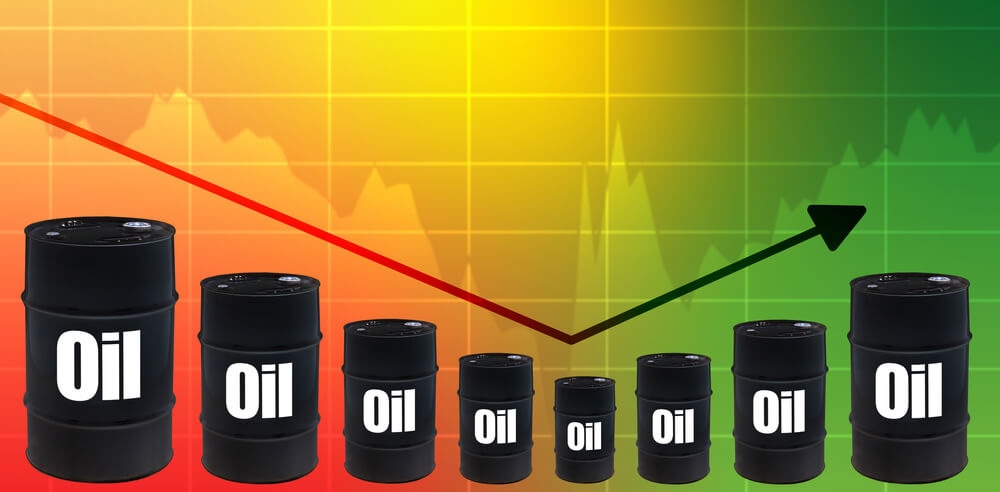
Oil has staged an impressive rebound this month as the conflict between the U.S. and Iran has re-escalated. The memorandum of understanding signed on June 17 created a 60-day window for negotiations, but the diplomatic opening lasted only a few weeks. Both sides subsequently accused the other of violating the peace agreement, and military operations have resumed.
China Holds Keys to Post-War Oil Prices

LPL Research analyzes China’s declining crude imports, inflation risks, and the resilient U.S. economy driving above-trend growth.
Keep Calm and Clip Coupons

LPL Research examines how sticky inflation, Fed leadership changes, and AI-driven borrowing are shaping the fixed income outlook for 2026.
Midyear Outlook 2026: Key Takeaways for the Second Half

Over the first half of 2026, markets faced some expected — and unexpected — tailwinds and headwinds, ranging from geopolitical developments, blockbuster corporate earnings, increasing artificial intelligence (AI) scrutiny, resilient economic data, and a new Federal Reserve (Fed) Chair.
A Coiled Spring: The Dollar’s Next Move

The dollar holds a central place in global markets due to its role as the world’s reserve currency. Its movements influence cross-asset correlations, shape liquidity conditions, and often offer early indications of shifts in the broader macro regime. In short, it is a critical variable that warrants close attention.
What to Watch This Earnings Season

The second quarter wraps up today, and it was a good one. With the S&P 500 having returned more than 14% (including dividends) with just one trading day left, it will almost certainly end up being the best quarter for the index since the second quarter of 2020. Technology was the leader despite the June weakness.
Has Stock Market Exuberance Become Irrational?

A strong quarter across major indexes. The second quarter is winding down and what a quarter it has been with the S&P 500 up 12.6% quarter to date, while the Nasdaq-100 and Russell 2000 are both up over 20%. Despite some twists and turns, the path of least resistance for stocks broadly remained up and to the right for much of the last three months.
Summer Seasonal Technicals in Municipal Bonds: A Reliable Tailwind?

Municipal bonds often see a seasonal lift during the summer months. This pattern, known as summer technicals, stems from a straightforward supply and demand imbalance that tends to favor bond prices. Over the past ten years, the summer months (May through July) have generally been positive months for the Bloomberg Municipal Bond Index, with monthly returns averaging +0.83%, +0.43%, and +0.82%, respectively.
Kevin Warsh Could Shake Up the Fed

Kevin Warsh, the new chairman of the FOMC, has long been critical of forward guidance, which is the Fed’s practice of explicitly signaling the future path of interest rates (e.g., “rates will stay low for an extended period” or publishing a projected path for policy rates). His concern is that the guidance could give the impression that policymakers might have a high degree of confidence about the future path of the economy and rates.
Low Chinese Demand for Foreign Oil Keeping Prices Low
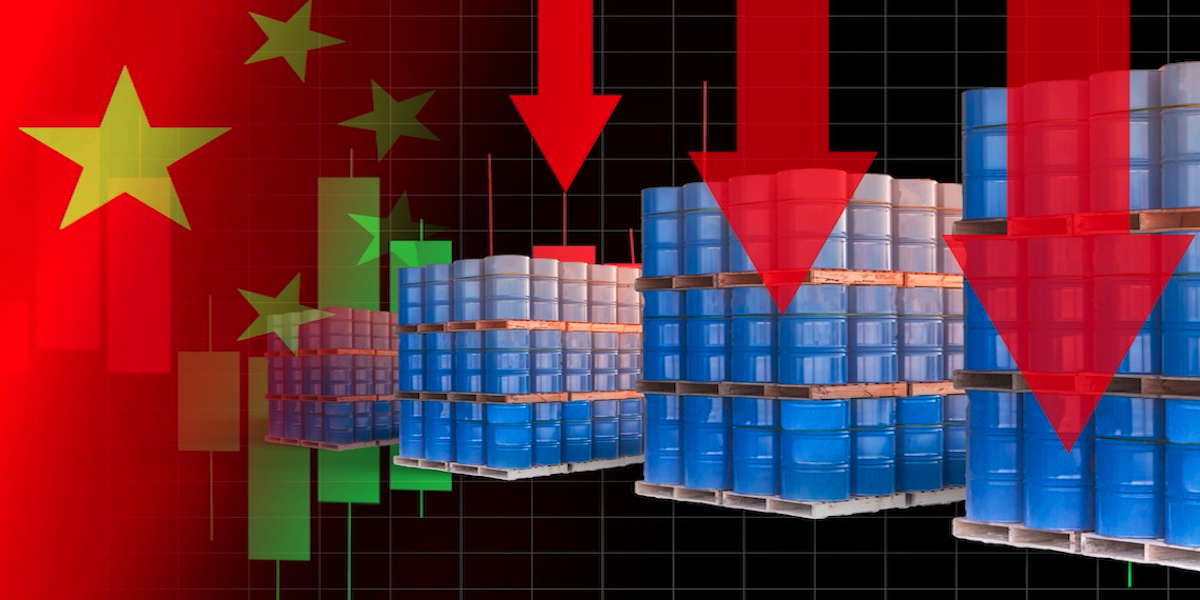
One of the key questions for investment professionals is whether oil prices will return to pre-war levels once the Middle East crisis is resolved. At the same time, many are asking why oil prices are not higher, especially since the latest geopolitical deal recently pushed crude to its lowest level since the initial attack.
Introducing the IPO Class of 2026

The U.S. initial public offering (IPO) market appears to be entering one of its most consequential periods in years. After a long drought following the 2021 issuance boom, a healthier macro backdrop, improved risk appetite, and a long queue of mature private companies have reopened the new-issue window.
Is Bad News Already Priced into the Bond Market?

LPL Research analyzes bond markets as yields rise, exploring Fed policy expectations, inflation trends, and whether bad news is already priced into Treasuries.
Oil Market Underestimates Frictions Beyond a Deal

For weeks now, media reports have been suggesting that Washington and Tehran are moving closer to a memorandum of understanding (MOU). In practical terms, that would extend the current ceasefire by roughly 60 days and create a window to negotiate a more durable peace agreement.
Add Context, and Stock Market Valuations are Fair

LPL Research analyzes stock valuations, finding them fair given growth, rates, inflation, and AI-driven earnings outlook despite risks.
Technical Take on the Record-High Rally

Risk appetite remains firmly intact as optimism surrounding a potential resolution to the war with Iran continues to improve investor sentiment. The S&P 500 has now advanced for eight consecutive weeks, with price action remaining remarkably resilient throughout the recovery.
Seeds of Opportunity: The Case for Agriculture Investments

Commodity market trends: Commodity markets have been on an impressive, and volatile, run so far this decade, with leadership oscillating between energy and precious metals. Not surprising, after commodities’ “Lost Decade” of the 2010s, given the asset class tends to move in long capital cycles.
AI’s New Frontier: The Transformation of Investment-Grade Credit

The artificial intelligence (AI) boom has transitioned from an equity market narrative to a defining force in fixed income. Hyperscalers (Amazon (AMZN), Alphabet (GOOG/L), Meta (META), Microsoft (MSFT), and Oracle (ORCL)) are shifting from internal cash flows to substantial bond issuance to fund massive data center, graphics processing unit (GPU), and power infrastructure buildouts.
How AI May Increase Jobs, Not Replace Them

From the April payroll report released on May 8, we realize that not all industries are equally impacted by AI. Diagnostic imaging centers, an area where AI is thought to replace humans, have increased demand for workers, whereas bookkeeping demand has declined in recent years.
Energy Shock Expected to Hit Prices Harder Than the Economy

LPL Research examines rising inflation risks amid geopolitical tensions, while resilient growth and strong investment support continued expansion.
Using the Late 90s as a Comp, the AI Boom Still Has Legs

Many have drawn the comparison between the current AI buildout with the dotcom period in the late 1990s, when the infrastructure for the internet was built. It’s a sensible comparison to make because of the massive amount of capital deployed to commercialize the buildout of revolutionary and life-changing technology.
Warsh, Policy Direction, and Treasury Market Consequences

LPL Research explores how a potential Warsh-led Fed could reshape policy, Treasury markets, and volatility amid rising deficits and shifting demand.
AI, Healthcare, and Volatility: Positioning for 2026

As equity markets transition into 2026, large cap equity portfolio managers share a surprisingly consistent framework — paired with sharp disagreements on where risk and opportunity sit. A survey of large growth, value, and blend managers reveals a market shifting away from simple narratives toward selectivity, fundamentals, and manager skill.
AI Wave Continues to Power Technology Earnings Boom

LPL Research examines overlooked tech growth, assessing strong earnings, AI skepticism, and valuation opportunities for investors.
Sell in May and Go Away? Maybe Not

The sharp rebound from the March lows has pushed most major equity indexes back to record highs. This upside momentum has been fueled in part by signs of de-escalation with Iran and growing expectations that the Strait of Hormuz could reopen soon.
Paper vs. Physical: What Tighter Oil Supplies Could Mean

With the proverbial ceasefire negotiation can kicked down the road for the second time in a week, the U.S. and Iran remain in a stalemate over the Strait of Hormuz.
American Industrial Renaissance: Fact or Fiction?

The “American Industrial Renaissance” is an investment theme investors and allocators alike have probably been pitched several times, or at the very least heard about. Supply chains for manufactured goods have evolved to become more complex, while U.S. manufacturing employment as a share of total employment has steadily declined, leaving policy makers to grapple with the ramifications of a shrinking manufacturing base.
Seven Takeaways from Warsh Confirmation Hearing

Kevin Warsh's bid to become the next chair of the Federal Open Market Committee (FOMC) unfolded amid sharp political tension, legal uncertainty, and pointed questions about his independence from President Trunp. During a combative Senate confirmation hearing, Warsh sought to reassure lawmakers that he would not allow political pressure to dictate monetary policy, even as unresolved Justice Department investigation into current Chair Jerome Powell threatens to delay his confirmation and underscores broader concerns about the politicization of the central bank.
Are Treasuries Losing Their Luster?
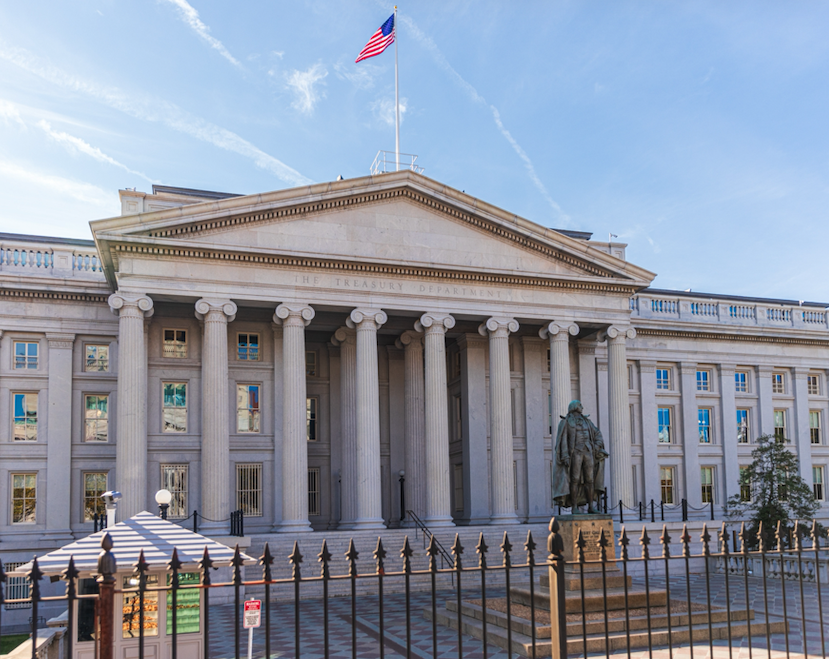
Concerns about the sustainability of U.S. fiscal policy have moved back into the investment spotlight. Over the past week, both multilateral institutions and prominent policymakers have raised warnings about the potential implications of America’s expanding debt burden for Treasury markets.
Rethinking Fixed Income Allocation in a Multi‑Polar World

LPL Research examines the fixed income space as global bonds broaden yields and reduce U.S. concentration, offering diversified income and resilience via non‑U.S. developed and emerging markets.
Tactical Positioning Update: From Preparation to Action

Over the past year, LPL Research’s Strategic and Tactical Asset Allocation Committee (STAAC) has emphasized that tactical investing does not require constant activity. Instead, it requires preparation, patience, and the discipline to act only when the expected benefit of a change clearly outweighs the risks.
Best Performing Sector During the Iran Conflict May Surprise You

In what should be a surprise to no one, energy has been one of the better performing sectors since the joint U.S.-Israel airstrikes on military targets in Iran on February 27, although it has given up some ground since a two-week cease fire was announced last week.
The Economy Takes Multiple Shocks in Stride

Outside of energy commodities, capital markets posted a downbeat March as cross-asset volatility spiked in response to the outbreak of hostilities in the Mideast, and kicked off April in similar, choppy fashion before posting a swift bounce following last Wednesday’s two-week ceasefire agreement.
A Cycle of Reset

Private markets benefited enormously from the post-Great Financial Crisis era of ultralow interest rates that stretched through much of the 2010s and into the early 2020s. Amid regulatory change and muted returns in traditional fixed income during this time, investors were increasingly pushed into alternative areas of capital markets in search of yield.
Lessons From Past Conflicts for Today’s Stock Market

As strikes on Iran continue and the Strait of Hormuz remains effectively closed, it’s clearly too early for market watchers to stop thinking about geopolitical risk.
Earnings Likely to Grow Double-Digits Again; Will Markets Care?

Jeff Buchbinder and Adam Turnquist explain why solid earnings, AI investment, and economic resilience underpin stocks, even as oil prices and volatility pressure markets.
Energy Stocks Don’t Act the Same in Every Cycle

Energy cycles have a way of rewarding investors who show up early, while punishing those who assume the next upturn will look exactly like the last one. Supply disruptions caused by the war in Iran that began just under a month ago have upended markets globally, with oil markets taking center stage.
Liquidity Mismatches in an AI-Disrupted Cycle

Corporate credit markets have become unsettled about the potential for advanced agentic AI tools from firms such as Anthropic and OpenAI to automate functions across legal, analytical, marketing, and sales workflows, effectively targeting the software as a service (SaaS)/enterprise software space.
Earnings Strength Remains Amid Mideast Conflict

As has been the case from day one when the first airstrikes began, the key factor in assessing economic and market impact is the duration of the effective Strait of Hormuz closure and resulting effects on prices of energy and other commodities. Prediction markets are split on whether the conflict ends by the end of May.
Why Oil Prices Matter Less — But Still Move Headline Inflation

Despite less reliance on oil, higher oil prices will add pressure to inflation. If energy costs stay elevated, inflation could rise again, potentially delaying interest rate cuts from the Federal Reserve (Fed). Geopolitical uncertainty remains a risk. Conflicts in the Middle East could disrupt supply chains and increase price volatility in key commodities like oil.
Oil in the Driver’s Seat as Geopolitical Tensions Rise

The market has shifted quickly from concerns about artificial intelligence (AI) disruption to rising geopolitical risks tied to the conflict in Iran. Headlines continue to drive market movements as investors wait for greater clarity on the timing of a U.S. exit strategy.
So…You Want to Build a Data Center

As the capital expenditure (capex) race for compute continues, we thought that it would be worthwhile to briefly outline the current state of play facing the well-publicized data center buildout. To understand why so much capex is needed to support artificial intelligence (AI), we must first understand how data centers are built and operated.
Markets Tested as Iran Conflict Continues

LPL Research reviews how the Iran conflict is affecting markets, highlighting energy risks, market resilience, and what investors should watch in the weeks ahead.
Stuck Between Iran and a SaaS Space

The Treasury market is stuck between artificial intelligence (AI)-driven job displacement and the ongoing conflict in Iran. Earlier in the year, Treasury yields fell sharply as investors weighed the possibility that accelerated AI adoption could slow economic growth by displacing labor.
Current Positioning and Geopolitical Risks

Managed futures strategies, also known as Commodity Trading Advisors (CTAs) or trend-followers, are designed for environments where macro shifts drive persistent price trends across equity, bond, commodity, and currency markets. As geopolitical risk has spiked due to the conflict with Iran, the current backdrop will present a unique test for investment strategies.

Continuation Funds: What They Are and Why They Matter

With traditional private equity investment exits facing difficulty over the past few years — albeit improving somewhat recently — private equity sponsors have increasingly relied on the use of continuation funds. Once a niche tool, continuation funds have become mainstream and investors should learn to understand how they work, why they exist, and what risks they carry.
From Income to Impact: Advanced Tax Strategies for the High-Net-Worth InvestorCody Parks
High-net-worth investors have unique opportunities for tax optimization. Learn how to leverage tax advantaged investments, charitable vehicles, and sophisticated structuring approaches seeking to maximize returns and minimize tax drag across a diversified portfolio.
Competitors to the Greenback Are Less Significant

Let’s develop a scenario to explain the importance of foreign exchange (FX) markets and specifically, the dominance of the U.S. dollar. Say, for example, Thailand, one of the world’s major rice exporters, engages in trade with Brazil, the second‑largest cotton exporter.
LPL Research’s 2026 Strategic Asset Allocation

LPL Research’s Strategic Asset Allocation (SAA) sits at the center of our portfolio construction process because it defines how we expect diversified portfolios to generate more stable long‑term outcomes across shifting market environments. The SAA is the long‑term plan for how major asset classes work together in a portfolio.
When Mega Caps Waver and Small Caps Surge

Every market cycle has its own character, but certain patterns appear frequently enough that they deserve attention. This is especially true when evaluating early-year rallies in small caps.
Eight Takeaways from the Supreme Court’s Tariff Ruling

While the Court did not explicitly order refunds to be paid — instead sending that decision to the lower courts — by some estimates this decision opens the door to potentially as much as $175 billion in tariff reimbursements to U.S. importers.
Money Managers Present the Bear & Bull Case for Software

Many software stocks have been under pressure in recent months, as investors have started to perceive them as vulnerable to emerging artificial intelligence technology. As highlighted in the “6-Month Price History of the S&P Software and Service Index” chart, software stocks have declined roughly 27% from their September 2025 high.
The Return of the Stock Picker’s Market

The rising dispersion in returns and relatively low correlation among S&P 500 stocks has become increasingly apparent on the CBOE S&P 500 Dispersion Index and the CBOE Three-Month Implied Correlation Index.
From Bubble Fears to Disruption Risk: The New AI Market Narrative

When uncertainty rises, volatility usually follows as the market has a tendency of pricing in worst-case scenarios quickly. AI’s evolution has accelerated rapidly, shifting from novelty use cases to broad, productivity‑enhancing applications across industries.
Hyperscalers Plan to Live Up to Their Name

Capital markets have faced quite an array of moving pieces over the last couple of weeks, ranging from equity market rotation dynamics, volatile metals and commodity price action, geopolitical flare-ups, global central bank decisions, and high-profile earnings.
A Match Made for Growth: Your Practice + the Retirement Market

Move over, Taylor and Travis. This Valentine’s Day, the real power couple financial advisors should be swooning over is the one between their wealth practice and the retirement market.
Picks and Shovels in U.S. Housing Market

Over the last three months, the housing conversation has warmed up again. Markets seem to be saying the next chapter could be “more activity”; i.e., more housing starts, more remodeling, more jobs coming off the sidelines as confidence improves.
Five Reasons the Run in Emerging Markets Could Continue

LPL Research highlights five reasons emerging markets look attractive in 2026, from dollar weakness to accelerating earnings, and AI-driven growth.
ISM Offers Another Positive Earnings Signal

Another signal of earnings strength is the ISM Index. Historically, the Institute for Supply Management (ISM) Manufacturing Index has correlated well with S&P 500 earnings growth because earnings are more manufacturing-driven than the more consumer-oriented economy measured by gross domestic product (GDP).
Kevin Warsh Is Committed to Reigning in Fed
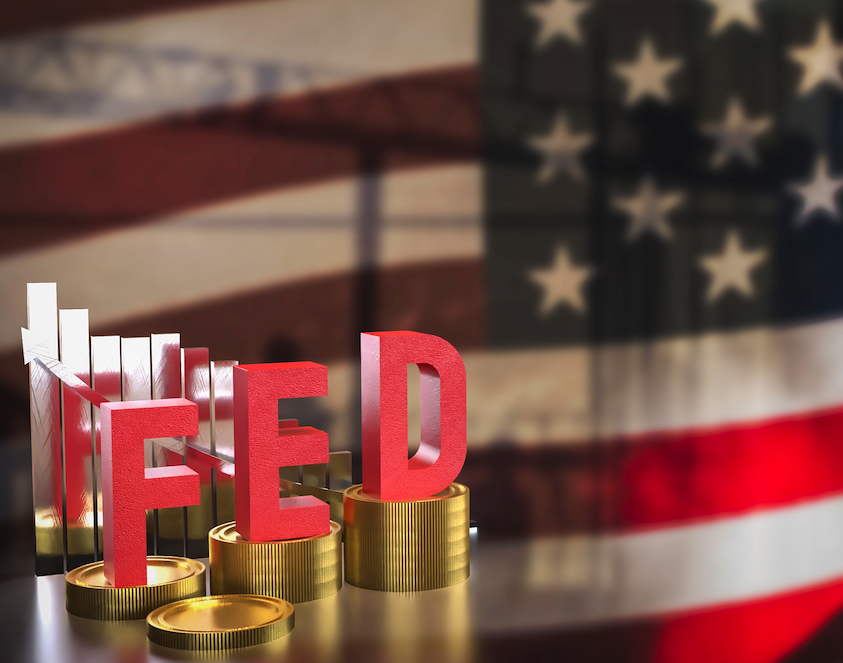
Kevin Warsh began his April 2025 lecture to the International Monetary Fund (IMF) by comparing today’s economic environment in a period of extraordinary consequence, arguing that the greatest risks to prosperity originate not from external forces but from decisions made within leading economic institutions.
Dueling Mandates: The Fed’s Policy Caution and Treasury’s Growing Borrowing Needs
LPL Research examines how the Fed is entering 2026 amid constrained conditions and as growth and inflation meet an unsustainable fiscal trajectory.
A Cold January, but the Stock Barometer Remains Positive

As a wave of inclement weather sweeps across much of the U.S., investors are also navigating a seasonally important period for markets. Much like winter storms can influence travel patterns and economic activity early in the year, January’s market performance has long been viewed as a potential signal for what lies ahead.
Powering Economic Growth in 2026

LPL Research examines how rising productivity, AI adoption, and structural shifts toward services are supporting U.S. economic growth in 2026.
Unearthing the Metals Melt-Up

LPL Research explores the drivers behind the rally in metals, the associated risks, and the outlook for their durability.
Could Limiting Institutional Buyers Fix Housing Affordability?

According to what has been announced so far, the government plans to restrict future purchases of single-family homes by large institutional investors. It would not force them to sell homes they already own, nor would it affect individual buyers or small landlords.
LPL and Private Advisor Group Welcome Wilson Peak Wealth Management

LPL Financial LLC announced today that financial advisors Jeffrey J. Wilson, CFP®, and Michael Sadowski, CFP®, of Wilson Peak Wealth Management Inc. have joined LPL Financial’s broker-dealer and Registered Investment Advisor (RIA) platform and will be leveraging Private Advisor Group’s infrastructure for the next stage of their growth.
Assessing the Early-Year Rotation

As the new year begins, one market theme is already attracting plenty of attention, and that is the dispersion and broadening out in the stock market that has occurred during the first two weeks of trading.
Can Mining Stocks Maintain Their Shine?

Precious metals surged out of the gate to begin 2026, not dissimilar to how they closed out 2025. Gold has already made two record highs this year alone, is currently trading above $4,600 per ounce, and is up over 6% in 2026.
Munis Poised for Strong Returns in 2026

Municipal bonds enter 2026 as a compelling option for investors: attractive yields, strong fundamentals, and structural changes that continue to reshape the market. After a volatile 2025, marked by Treasury market dislocations and record muni issuance, the outlook for this year suggests more stability — and opportunity.
Investing Wisdom from the Oracle of Omaha

At the heart of value investing is the concept of buying an undervalued stock that appears to be mispriced by the market and holding that stock until its intrinsic value is reached. Investors determine intrinsic value in several ways, including analyzing a company’s financial statements, evaluating management, and identifying competitive advantages.
Double-Digit Streak Likely to Continue

LPL Research takes a look at fourth quarter earnings season as it unofficially kicks off this week with a dozen banks and asset managers in the S&P 500 slated to report.
Money Velocity Picks Up: Why Investors Should Care

As investors stepped away from the tape to hang their final holiday decorations, pack their bags to visit loved ones, and prepare for the New Year, markets fell quiet over the last two weeks of 2025.
Evaluating our 2025 Forecasts: Equity, Fixed Income, and the U.S. Economy

LPL Research reviews 2025 market predictions: key wins, misses, and lessons across equities, fixed income, and the U.S. economy.
Fed Policy Key for Fixed Income Markets in 2026

2025 was a good year for most fixed income markets but we’re approaching 2026 with caution. All-in yields are still attractive for most markets, but spreads (the additional compensation for owning riskier debt) are low, suggesting investors aren’t getting paid to take on a lot of credit risk right now.

Headwinds and Tailwinds to the Outlook

Investors navigating the 2026 landscape must balance a fragmented "K-shaped" consumer market against the tailwinds of falling interest rates and the "One Big Beautiful Bill Act" (OBBBA). Despite a cautious Federal Reserve and potential government shutdowns, the prevailing view is that structural transformation and fiscal support will foster economic resilience.
Policy Tailwinds and Artificial Intelligence to Power Stocks in 2026

LPL Research examines why the bull market appears ready to continue its run in 2026, powered by AI enthusiasm and further easing of monetary policy from the Fed.
What Advisors Need to Know About Retirement Industry Shifts
LPL will explore current industry developments, share best practices for demonstrating fiduciary responsibility, and offer ways to support your growing practice. Learn how to discover opportunities at the growing intersection of retirement and wealth planning.
Is the 60/40 Portfolio Still Relevant? Exploring Alternatives

Pioneered by Harry Markowitz's Modern Portfolio Theory, the classic 60/40 portfolio allocates 60% to stocks for growth and 40% to bonds for income and risk mitigation. This strategy is predicated on the idea that these two asset classes, when combined, should have a less-than-perfect correlation to optimize risk-adjusted returns.
Checking In On Value

Value seems to be having a moment — over the last six weeks value style and value factor indexes (a subtle but real nuance, as we will show) are outperforming representative broad market and a representative growth style index.
2026 Outlook: The Policy Engine

The year 2025 exemplifies the prevailing regime — markets driven less by fundamentals and traditional business-cycle dynamics and more by fiscal and monetary policy influence. Today, policy decisions have emerged as one of the most impactful forces driving market direction.
Chart Check Into Year-End

Despite nearly a 5% deficit mid-month, the S&P 500 finished November with a modest 0.1% gain, fueled by strong earnings, AI optimism, and hopes for Fed rate cuts. This rebound helped repair technical damage, lifting the S&P 500 above its 50-day moving average, though retail investors remain hesitant to re-engage.
What Fed Leadership Shift Could Mean for Stock-Bond Correlation
Following the 2021–2022 inflation shock, the historic negative correlation between stocks and bonds—the foundation of modern portfolio diversification—temporarily broke, fueling debate over whether the "Greenspan Put" era of Fed-induced market stability has ended.
More Keys for Markets in 2026: LPL Market Outlook Sneak Peek

As we put the finishing touches on Outlook 2026, here are several other key factors that will drive markets in 2026 that investors will want to keep in mind.
Another Big Up Year With a Sharp Drawdown

Despite an intra-year drawdown of 18.9%, the S&P 500 is poised for a strong 2025, currently up about 14%. This pattern of experiencing a large correction on the way to significant annual gains is common; since 1980, the average yearly drawdown has been over 14% while the index gained an average of 10.7%.
Corporate America Cleared a High Bar This Earnings Season

Corporate America delivered another exceptional earnings season, with third-quarter S&P 500 earnings growth tracking over 13% and achieving one of the highest beat rates ever recorded. Companies successfully adjusted to shifting macroeconomic pressures, including tariffs, as expectations continued to rise. The impressive results were bolstered by robust revenue growth and significant investment from mega-cap technology firms.
A Rare Shift: Can Emerging Market Outperformance Last?

Emerging market (EM) equities have seen exceptional outperformance in 2025, with major countries like South Korea and Brazil posting massive gains. The primary driver of this trend has been a weakening U.S. dollar, which historically encourages capital flow outside the United States. The critical question now for investors is whether this dollar weakness marks the start of a multi-year downtrend or is simply a temporary correction.
Early Market Keys to 2026

As 2025 nears its final 100 calendar days, market focus is already beginning to turn forward and attempt to reconcile what market drivers could remain in place, and what could change in the first year of the new half-decade. While not an exhaustive list, here’s some of our early keys to 2026.
Why Market Pullbacks in 2025 Have Been Shallow and Short

Market corrections often present chances to acquire quality assets at attractive valuations. Hence, “buy the dip” has long been a mantra for many investors.

Ideas Are Everywhere — If You’re Paying Attention

Anecdotes such as these are helpful reminders that long-term investors need not chase the hottest fads in the market and can at times get ahead of the crowds by simply paying attention to the world around you.
A New Pillar of Economic Growth

LPL Research explores how AI-driven investments and intellectual property are reshaping U.S. economic growth, capital flows, and market dynamics.
AI Theme: Longer Rainbows Should Lead to Bigger Pots of Gold

Artificial Intelligence (AI) has the potential to be a transformative technology that impacts how we all live and do business. With some creativity, and time for current offerings to improve, it is not difficult to imagine how in the future these systems could enhance or even replace much of the work that we humans are currently doing.
QT is Ending. Is QE Next?

The Federal Reserve’s (Fed) balance sheet runoff — commonly referred to as quantitative tightening (QT) — is set to conclude on December 1. Since initiating QT, the Fed has reduced its balance sheet by over $2 trillion, largely through the drawdown of its overnight reverse repo program (O/N RRP).
From Micro to Macro: A Busy Week of Market-Moving Data

LPL Research reports on Fed rate cut, U.S.–China trade truce, strong earnings, and AI spending scrutiny amid narrowing market breadth and volatility risks.
Technology Rules the Roost, But Where Have the Defensives Gone?

This bull market has been on quite a run. The S&P 500 is up 35% since its April 8, 2025 year-to-date low, and up over 92% since it began on October 12, 2022, excluding dividends.
Key Takeaways From Yesterday’s Fed Meeting

The more things change, the more they stay the same. As widely expected, the Federal Reserve (Fed) cut interest rates by 0.25% at its October Federal Open Market Committee (FOMC) meeting yesterday.
What Could Spook Markets
With the stock market in record-high territory and up about 35% off the April lows, market participants clearly haven’t been too scared lately. But that doesn’t mean there aren’t plenty of things to worry about.
Resilient Equities, But Money Market Ripples Merit Attention

The equity market has shown remarkable resilience over the past two weeks despite rising U.S.-China trade tensions, a spike in equity market volatility, and growing credit concerns tied to business development company (BDC) and regional bank lending losses.
The End (of QT) is Nigh

While markets have been focused on the expected trajectory of short-term interest rates through Federal Reserve (Fed) rate cut expectations, the Fed’s balance sheet has recently come into focus as well.
Cockroaches, Canaries, and Credit Markets

In corporate credit markets, early indicators of stress often emerge subtly — not through dramatic dislocations, but through nuanced shifts in borrower behavior and market dynamics.
U.S. Market Dominance of Global Indexes Near Record Highs

Recent data shows that even after strong international stock performance year-to-date U.S. stock markets continue to dominate global equity indexes, representing around two-thirds of the market capitalization of all global stocks, as represented by the MSCI All Country World Index (ACWI).
Happy Anniversary Bull Market

Sunday, October 12 marked the third anniversary of this bull market. Fast forward three years, and this bull market is still going strong. But will it continue? You may be surprised to know that bull markets lasting three years tend to keep going for a while.
Fiber Optics vs. Data Centers: Dotcom and AI Comparisons

For starters, much has been said about equity valuations, and stocks are definitely trading at elevated multiples. However, the forward price-to-earnings ratio (P/E) of the S&P 500 has yet to reach dotcom era levels, and in fact remains below December 2020 levels because earnings were depressed coming out of the COVID-19 pandemic. T

Q3 Earnings Season Preview: Little Suspense

We believe corporate America will follow up an outstanding second quarter earnings season with another good one in the third quarter.
Q3 Recap — 10 Key Takeaways

With the third quarter (Q3) behind us, we decided to conduct a deep dive into the key factors that shaped Q3 performance. Below, we’ve highlighted what we believe to be 10 of the key takeaways.
Can October Seasonals Keep the Melt-Up Going?

Despite a weaker end to the month, the equity market “melt-up” successfully navigated what has historically been a tricky month for equities, as represented by the S&P 500 in September (average returns -0.61%), closing out the month (as of September 29) with a handsome gain of over 3%.
Equity Market Melt-Up Cools as Government Shutdown Looms

LPL Research analyzes recent market performance as Fed expectations, strong economic data, government shutdown concerns and more continue to have an impact.
The Federal Reserve Cut Rates, Now What?

The Federal Reserve (Fed) delivered a highly anticipated 0.25% interest rate cut during its September 16-17 Federal Open Market Committee (FOMC) meeting.
The Fed Cut Rates; Will it Be Déjà Vu All Over Again?

As expected, the Federal Reserve (Fed) cut interest rates last week to take the fed funds rate down to 4.25% (upper bound). Moreover, through the release of the updated dot-plot, the Committee signaled that two more interest rate cuts could be appropriate this year, which would take the fed funds rate down to 3.75% (upper bound).
No Risk-Free Path

During last week’s press conference after the Federal Reserve’s (Fed) rate decision, Chairman Jerome Powell warned his audience there is no risk-free path for interest rates right now.
Will Stocks Rally Through Year Two of the Fed Cutting Cycle?

The summary of economic projections and “dot plot” that reveals where members of the Federal Open Market Committee (FOMC) expect the economy and rates to go in coming years will be interesting given the recent slowdown in job growth and relatively little upward pressure on inflation.
The Intersection of Political Uncertainty and Global Debt Markets

Global bond markets have sold off recently due to uncertainty surrounding key political changes most notably in France and Japan.
Fragile Mandates and Rising Yields

A key theme dominating global financial markets in recent weeks has been the general upward pressure on sovereign bond yields, particularly at the long end of government bond market curves.
Resumption of Fed Easing Cycle Could Help Unlock Capital

With just a week remaining until the highly anticipated September Federal Open Market Committee (FOMC) meeting, Wednesday’s wholesale inflation print and Thursday’s consumer inflation results for August are the last major hurdles lying between the expected resumption of the FOMC easing cycle.
Stocks are Following the Market’s Playbook

LPL Research sees bull market strength as stocks follow recovery trends, with AI growth, Fed cuts, and economic resilience driving upside.
Tariff Ruling Doesn’t Matter As Much as You Might Think

Late last Friday, the Court of Appeals for the Federal Circuit (CAFC) largely affirmed the Court of International Trade’s (CIT) May ruling blocking President Trump’s tariffs imposed under the International Economic Emergency Powers Act (IEEPA).
Why 401(k) Day is the Perfect Moment to Spotlight the Convergence of Wealth and Retirement Planning

401(k) Day, celebrated annually on the Friday after Labor Day, is more than just a reminder to check your retirement account.
So Long Sweet Summer: A Closer Look at September Seasonals

The financial markets often shift gears in September, moving away from the quiet summer months marked by low trading volumes and limited volatility, and entering a period historically associated with seasonal weakness and increased market instability.
Are Tariffs the Solution to America’s Debt Problem?

According to recent analysis from the Congressional Budget Office (CBO), tariff revenue could meaningfully impact both sides of the bond market pendulum, which on net, could be beneficial to the Treasury market.
Grand Ideas at the Grand Teton

As central bankers, economists, and policymakers gathered last weekend in Wyoming’s Grand Teton National Park for the 2025 Jackson Hole Economic Symposium, the Federal Reserve (Fed) found itself at a critical juncture marked by political pressures, personnel changes, and internal divisions over monetary policy direction.
Weekly Market Commentary

Second quarter earnings season, which winds down this week and next, has met some of the highest expectations. Strong beat rates, big upside earnings surprises, and increases in estimates during the past four weeks were consistent themes that gave investors very little to complain about.
CPI Opens Door for Fed Rate Cuts, Although Pressure Hovers

July’s Consumer Price Index (CPI) report showed headline year-over-year inflation remained steady at 2.7%, below the anticipated level of 2.8%.
Do Earnings Revisions Support Markets Under the Surface?

With 90% of S&P 500 companies having reported second quarter results, corporate America has handily topped expectations, displaying resilience in the face of a challenging policy environment.
Stocks Sailing Smoothly Through Policy Crosscurrents So Far

We have been pleasantly surprised by how well stocks have handled the sharp increase in tariffs. Since the market low from the early April tariff scare, the S&P 500 Index has gained more than 28%.
A Relief Rally or Reversal in the Dollar?

The U.S. Dollar Index (DXY) has rebounded over the last month following its worst first half since its inception in 1973.
Volatility’s Vanishing Act

Volatility across major asset classes is currently sitting at unusually low levels. While volatility is often viewed as a broad measure of risk in financial markets, its role has evolved significantly in recent years.
How Do Stocks Perform During Fed Easing Cycles?

With a week as jam-packed with economic data, earnings, and events as last week, it’s no surprise it ended with a bout of volatility.
One Big Beautiful Bill Act – Impact on Alternative Investments
On July 4, President Trump signed into law the “One Big Beautiful Bill Act (OBBBA)”, a far-reaching piece of legislation that will impact the U.S. investment landscape for years to come.
Will Volatility Heat Up in August?

Today’s LPL Financial Chart of the Day spotlights the seasonal setup for stocks in August.
LPL Financial Welcomes Tenacity Investment Group

LPL Financial LLC announced today that financial advisor Steve Jones of Tenacity Investment Group has joined LPL Financial’s broker-dealer, Registered Investment Advisor (RIA) and custodial platforms.
Key Themes for Stocks in the Second Half of 2024

Outlook 2024: A Turning Point, released in December 2023, featured our perspective on how stocks might respond to turning points in inflation and monetary policy.


Reasons for Optimism As Second Half Gets Underway

It’s a bull market for pessimism right now. We know the list of concerns is long and includes an aggressive Federal Reserve with a spotty (and that’s putting it kindly) track record of navigating a soft landing, stagflation, ongoing China lockdowns, disrupted supply chains, overly optimistic earnings estimates, the ongoing Russia-Ukraine war, and the latest—failing crypto firms.
Could Inflation Be Entering A Higher Regime?

Before we think about the hypothetical new world order that global inflation may enter, let’s start with the good news within the United States.
Headline Surprises To the Upside But Some Good News In The Details

Headline inflation in May rose 8.6% from a year ago, accelerating from April’s 8.3% growth rate.
Fed Fears The Tight Job Market

LPL Research looks at the May jobs report and its impact on markets and Federal Reserve (Fed) policy.
Which Region Will Get The Gold In 2022?

The near-10% correction in the S&P 500 Index and even larger drawdown in the Nasdaq have gotten a lot of attention this year.
Policy Risks Loom But Clarity Ahead

Several policy-related risks loom in September and October that may lead to an increase in market volatility. The debt ceiling needs to be raised (likely by mid-October), the government needs to be funded to avoid a shutdown by the end of September...
LPL Research Outlook 2021: Powering Forward December 2020

More than most years, it’s hard to look ahead to the next year, to 2021, without looking back at 2020. A global pandemic, a massive economic collapse, a bear market, a surprisingly sharp reversal, a hotly contested election where passions ran high, the impact of lockdowns—it was an unusual year of extraordinary challenges.
The Trail to Recovery

At LPL Research, we know the stock market is forward-looking: It focuses on what’s happening today and what it sees on the path ahead. Much of the real-time economic data we follow—such as transportation activity, home sales, and jobless claims—is showing tangible evidence that economic activity—while still depressed—has begun to make a comeback.
Is the Earnings Bar Low Enough?
This earnings season will be unlike any other, as travel restrictions and lockdowns related to COVID-19 have impacted results dramatically. The biggest economic hits came in mid-March, however, and won’t be fully captured in first quarter results.
Closer Look At February
A late month selloff in January saw the S&P 500 Index close marginally lower for the month. But stocks have taken off in February, with the S&P 500 up nearly 4% this month, as US economic data remains strong and fears over the worst-case scenarios for the coronavirus appear overblown.
Here Comes The Worst Month Of The Year
The good news is August is finally coming to a close, but the bad news is that September is next. Since 1950, September has been the worst month for the S&P 500 Index, which has dropped an average of 0.5% during the month.
Takeaways on the Yield Curve Inversion
A closely watched point on the Treasury yield curve has fallen negative for the first time in this economic cycle.
Stock Fundamentals Still Supportive
We expect stocks to move higher over the second half of the year. Stocks already have had quite a run in 2019, buoyed by a return to fundamentals, with the S&P 500 Index up 17.4% year to date through June 28 for an 18.5% total return.
The Stock Market's Final Four
In today’s Weekly Market Commentary, we share our “Final Four Factors” for the stock market in 2019: policy, the economy, rates, and profits. While we expect a hard-fought battle between these factors and, with it, some market volatility, we still see the potential for further gains for stocks this year.
Time to Take Off The Blindfold?
The S&P 500 Index is off to its best start in years, but this is on the heels of the worst year for stocks since 2008. The trifecta of crashing oil prices, confusion from the Federal Reserve (Fed), and trade issues with China all pushed equities lower by 14% during the usually bullish fourth quarter last year...
FUNDAMENTAL: How to Focus on What Really Matters in the Markets
Investors’ obsession with the flattening U.S. Treasury yield curve dominated headlines for much of 2018. A flattening yield curve occurs when short-term rates are rising faster than long-term rates, which may eventually lead to an inverted yield curve, where short-term rates are higher than long-term rates. Historically, this has been a negative signal for the U.S. economy, often providing an early warning of an eventual recession, which is why the yield curve has been garnering so much attention recently.
Third-Quarter GDP Preview
Investors’ first look at third-quarter gross domestic product (GDP) will be released on Friday, October 26. Based on the economic data and projections we’ve seen, the economy grew at a moderate to strong pace in the third quarter, with the Bloomberg-surveyed economists’ consensus at 3.4%.
Midyear Outlook 2018: The Plot Thickens
Given that we are in the later stages of this economic cycle, with factors such as increased trade tensions and geopolitical uncertainty at play, we do expect greater volatility may be ahead. But it’s important to remember that experiencing these ups and downs is a normal aspect of our market environment.
Should You Sell in May?
But should you sell in May this year? Maybe not, and here’s why: “If you subscribe to the old axiom, you should also note that the next six months (November 2018 through April 2019) have been the best performing six-month stretch of the presidential cycle.
First Quarter Marked by Return of Volatility
The S&P 500 nine-quarter win streak has ended, with stocks down in a volatile first quarter. Bright spots in the quarter’s market performance included: growth, small caps, technology, consumer discretionary, and emerging markets. While risks remain, market fundamentals have not deteriorated and economic growth remains on pace.
2018 Stock Market Outlook: Double-Digit Returns?
Back to business: fundamentals to drive stock market gains in 2018. With a focus on business fundamentals and the impact of fiscal policy, the return of the business cycle means that earnings growth may have to shoulder most, if not all, of the load if stocks are going to produce attractive returns in 2018.
The Bull Market Appears Alive and Well
The steady bull market—now the second largest—continues. The Dow just had its third nine-day win streak of 2017, which hasn’t happened within a single year since 1955. Can the rally continue? While longer-term technicals do look very healthy, a closer look suggests that it has been a historically long time since even a modest correction, thus increasing the chances of a rise in volatility soon.
Midyear Outlook 2017: Business Fundamentals Back at the Controls
As investors increasingly trust that the economy can stand on its own without the need of monetary policy support, business fundamentals should take over as the primary market driver.
The First 100 Days For Equities
Thursday, May 25 was the 100th trading session of the year for the S&P 500 Index. Much like the first 100 days of a new presidency, this is a nice time to reflect on what has happened, what hasn’t happened, and what could happen next.
Checking in on Some Trump Trades
Checking in on some “Trump trades.” The election outcome and resulting expectations for fiscal policy have caused several shifts in market leadership toward areas most sensitive to these policies. Policy is not the only factor to consider when evaluating these investments, but it is a very important one.
2017 Stock Market Outlook: Gears are Turning, but Parts May Need Grease
Earnings are the key to 2017 stock market outlook. S&P 500 earnings passed an important milestone in 2016, returning to growth in the third quarter after mildly contracting for several quarters during an extended mid-cycle earnings recession.
Outlook 2017: Economy Approaching Mid-Cycle Acceleration
In 2016, the U.S. economy navigated some difficult challenges including low oil prices, a strong dollar, tightening financial conditions, and the threat of deflation.
2016 Hits and Misses: Fixed Income Edition
As the year winds down, our weekly commentaries have reviewed how 2016 forecasts played out, and we do the same this week with a review of fixed income.
2016 Economic Environment in Review
This week we take a look back at some of our hits and misses of 2016. We certainly had some of both in a year that had some unusual macroeconomic drivers, including the impact of low oil prices at the beginning of the year on several sectors of the economy...
Can't Stocks and Bond Yields Just Get Along?
Surging bond yields have not spooked stock market investors. The latest sharp move higher in bond yields has caused stock market investors to ask the question, At what point do higher interest rates potentially begin to hurt stock prices?
Irrational Exuberance Part Two?
Twenty years ago today, Federal Reserve (Fed) Chairman Alan Greenspan gave his now-famous “Irrational Exuberance” speech at a dinner hosted by the American Enterprise Institute.
December Game Plan
Welcome to December. The year 2016 saw global turmoil in equity, credit, and energy markets in the initial months; a highly emotional U.S. presidential campaign and election; and a subsequent equity markets rally with various indexes at new all-time highs.
Corporate Beige Book: Better Tone, Little Election Talk
Corporate sentiment improved during the third quarter based on our analysis of earnings conference call transcripts for third quarter 2016 earnings season.
Holiday Shopping Preview
This week we preview the holiday shopping season. Although the market’s attention has been squarely on the election for the past several months, we should not forget how important this time of year is for the U.S. economy...
The Economy in Transition
In a key speech last week (November 14 - 18, 2016), Janet Yellen, Chair of the Federal Reserve (Fed) testified before the Joint Economic Committee (JEC) of Congress, further preparing markets for a Fed rate hike as soon...
Small Caps Up 10 Days in a Row—Too Late To Buy?
Small caps have been on fire, as the Russell 2000 has been up 10 consecutive days for the first time since March 2013.
What a Week
This week we reflect on Donald Trump’s surprising victory and the stock market reaction.
Evaluating the Economics of the President-Elect
The results of the November 8, 2016 U.S. presidential election have not changed our long-term outlook for the U.S. economy.
Market Impact of a Trump Presidency
The transition to a Republican presidency and Trump’s rejection of politics as usual, which drew so many voters, naturally lead to questions about his impact on the economy and markets. Today on our blog we provide a high level overview of our thoughts of the significance of a Trump presidency.
Could There Be A Big Sell-Off After The Election?
With the S&P 500 down eight consecutive days for the first time since October 2008, many are wondering what this could mean for the rest of the year.
The Chinese Yuan in Global Trade
The Chinese yuan was added to the International Monetary Fund’s (IMF) basket of currencies, called Special Drawing Rights (SDR), on October 1, 2016.
Halloween Special: What Might Scare Markets
It’s Halloween, so what else could we do but write about what might scare the markets?
Taking Stock of Technicals and Sentiment
We take a closer look at market technicals and sentiment this week with the historically volatile second half of October upon us. Although there has been some near-term volatility and equity weakness, the longer-term technicals on equities continue to look very strong.
Is Another Black Monday Coming?
Tomorrow is the 29-year anniversary of the crash of 1987. After the dust settled, the S&P 500 fell an incredible 20.5% on Monday, October 19, 1987, for the single worst day ever for the index – earning the well-deserved nickname Black Monday.
Third Quarter 2016 Earnings Preview: Growth Returns?
We believe the earnings recession may have ended in the third quarter of 2016.
Housing Check-In
Economic data released in the next two weeks will shed light on the state of the housing market as the third quarter of 2016 ended and the fourth quarter began,
Trading Places - Movement of Goods and Opinions
As the election nears, we see how rules on international trade, and globalization as a concept, have impacted American politics.
Welcome to the Fourth Quarter
2016 is a year no one will soon forget. It was the worst start to a year ever for the S&P 500 after 28 trading days (down 10.5%), only to bounce back and actually finish positive by the end of the first quarter.
