In part 1 of this two-part series on dividend growth stocks, I stressed the importance of having a plan.
Yesterday, we got our first look at December’s economic data for Europe, in the form of PMIs.
Investors are still recovering from the municipal market beatdown of 2022, but the current higher absolute yield levels provide an attractive “re-entry” point for municipal market investors.
When we think about generating income for our clients, for over 30 years we’ve thought the most efficient way to do this is to blend the two key risks of fixed income into one portfolio.
The Northern Trust Economics team shares its outlook for key markets in the month ahead.
The US Purchasing Managers Composite Index (PMI) increased in January to 46.6 from 45 in December, representing a slowing economy but slightly less pessimistic than expected and better than the month before.
U.S. equities finished mixed in a lackluster trading session, as Q4 earnings season shifted into a higher gear today.
2022 was a banner year, and not in a good way.
Anne Walsh, Chief Investment Officer for Guggenheim Partners Investment Management, joined Bloomberg TV in Davos to discuss the outlook for credit as recession nears.
Joe Biden entered the Oval Office with relatively low approval ratings.
A recession is two consecutive quarters of economic contraction.
Drew O’Neil discusses fixed income market conditions and offers insight for bond investors.
America's subsidies for domestic EVs have created new tensions with Europe.
The first and easiest leg of the bursting of the bubble we called for a year ago is complete.
The Loomis Sayles Investment Grade Sector Team shares their expectations for the IG corporate bond market in 2023.
First, the good news: we estimate that real GDP grew at a solid 2.8% annual rate in the fourth quarter.
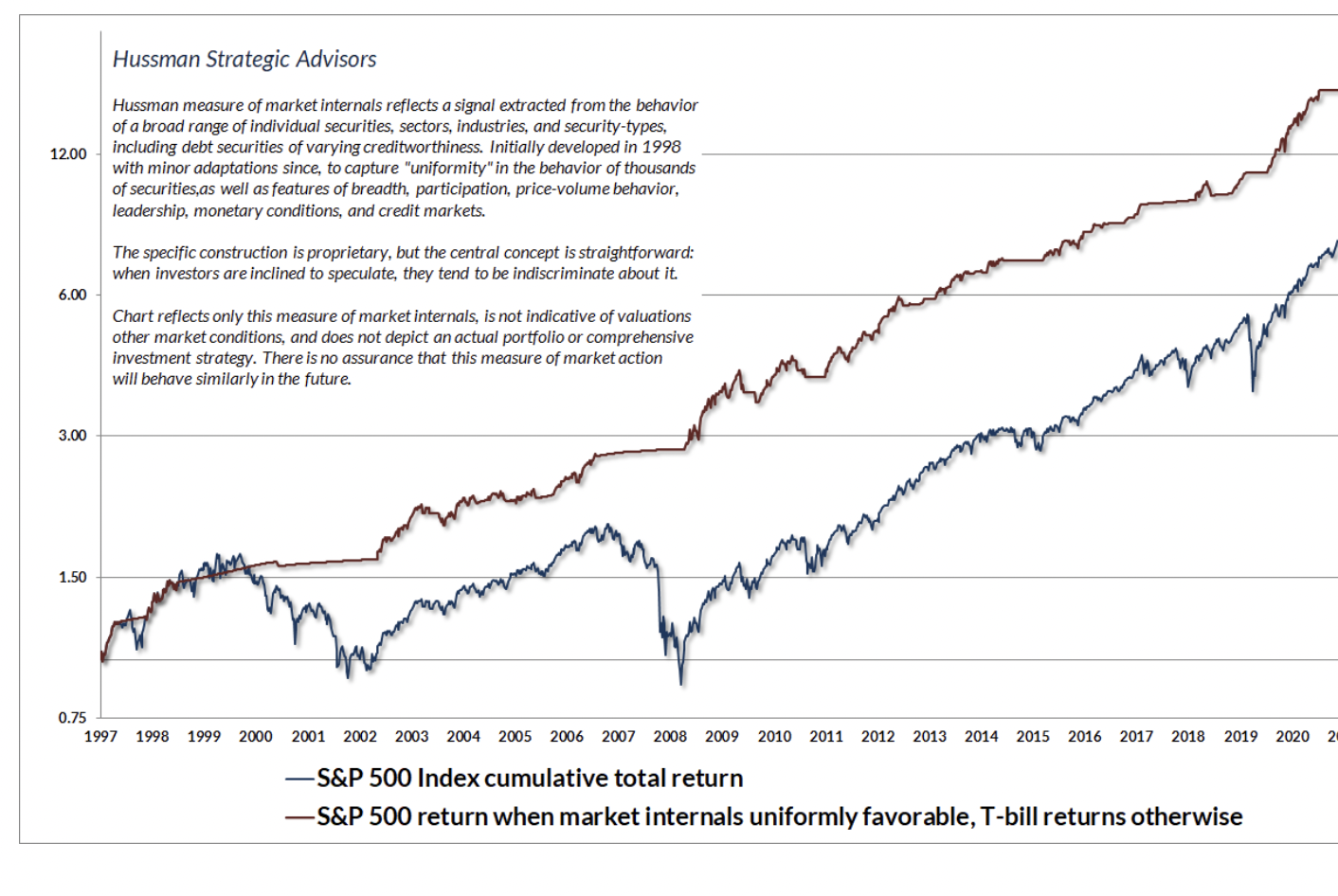
The problem with speculation is that there’s usually a gap between the underlying risk and the inevitable outcome.
2022 was a year of disappointment and negative surprises as economies faced the consequences of geopolitical turmoil and central banks fighting inflation.
U.S. stocks are extending a late last-week rally, with Q4 earnings season set to shift into high gear.
We got consumer price reports for many European countries this week.
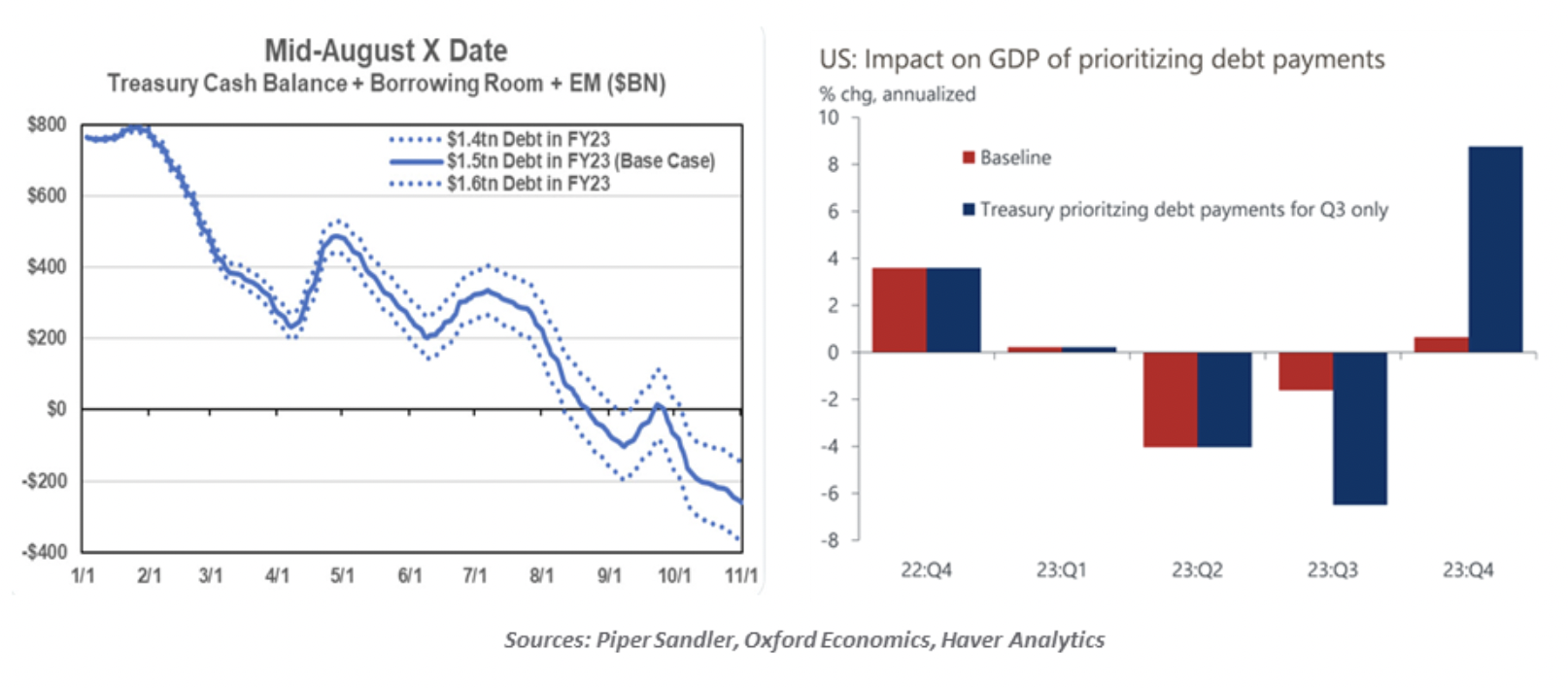
A fiscal disruption could do great damage to the U.S. economy.
Is the Fed trying to wean the markets off monetary policy?
The world’s leading CEOs, politicians, and various do-gooders were in Davos, Switzerland, this week, discussing ways to solve our collective problems and create opportunities for their own companies. The most important conversations were off the record and many of the public speeches were simply performance art.
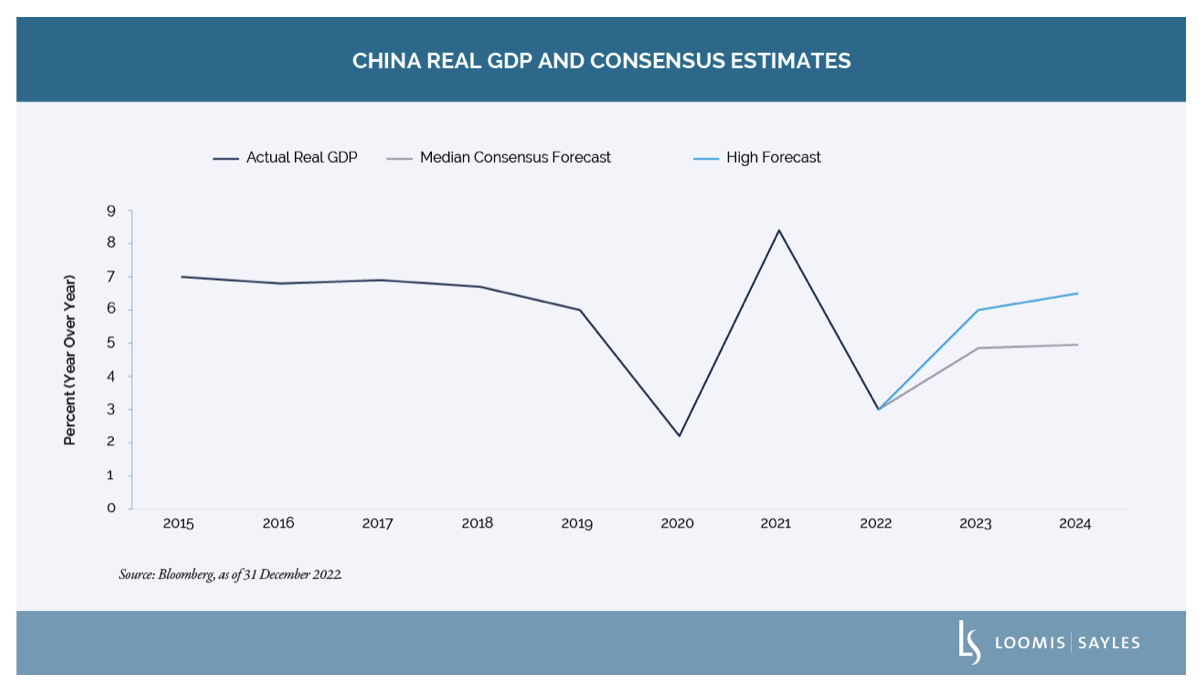
A January survey conducted by Bank of America shows that 91% of money managers believe China will “fully reopen” in 2023. That’s a significant increase from December 2022. Growth expectations for the country are also at a 17-year high.
U.S. equities are higher, as the markets look to get back to their winning ways after a two-day losing streak.
Investors may be able to lock in higher yield levels notes Doug Drabik, Managing Director, Fixed Income Research and Nick Goetze, Managing Director, Fixed Income Solutions.
A common mistake that investors make regarding dividend portfolio construction is not having a well-thought-out plan.
The lag effect of monetary policy changes will surprise the Fed as the fiscal “pig” of stimulus begins to exit the economic “python.”
Jeff and Ron Muhlenkamp review what happened in 2022 regarding inflation, interest rates, the housing market, supply disruptions, energy problems, and foreign currency turbulence.
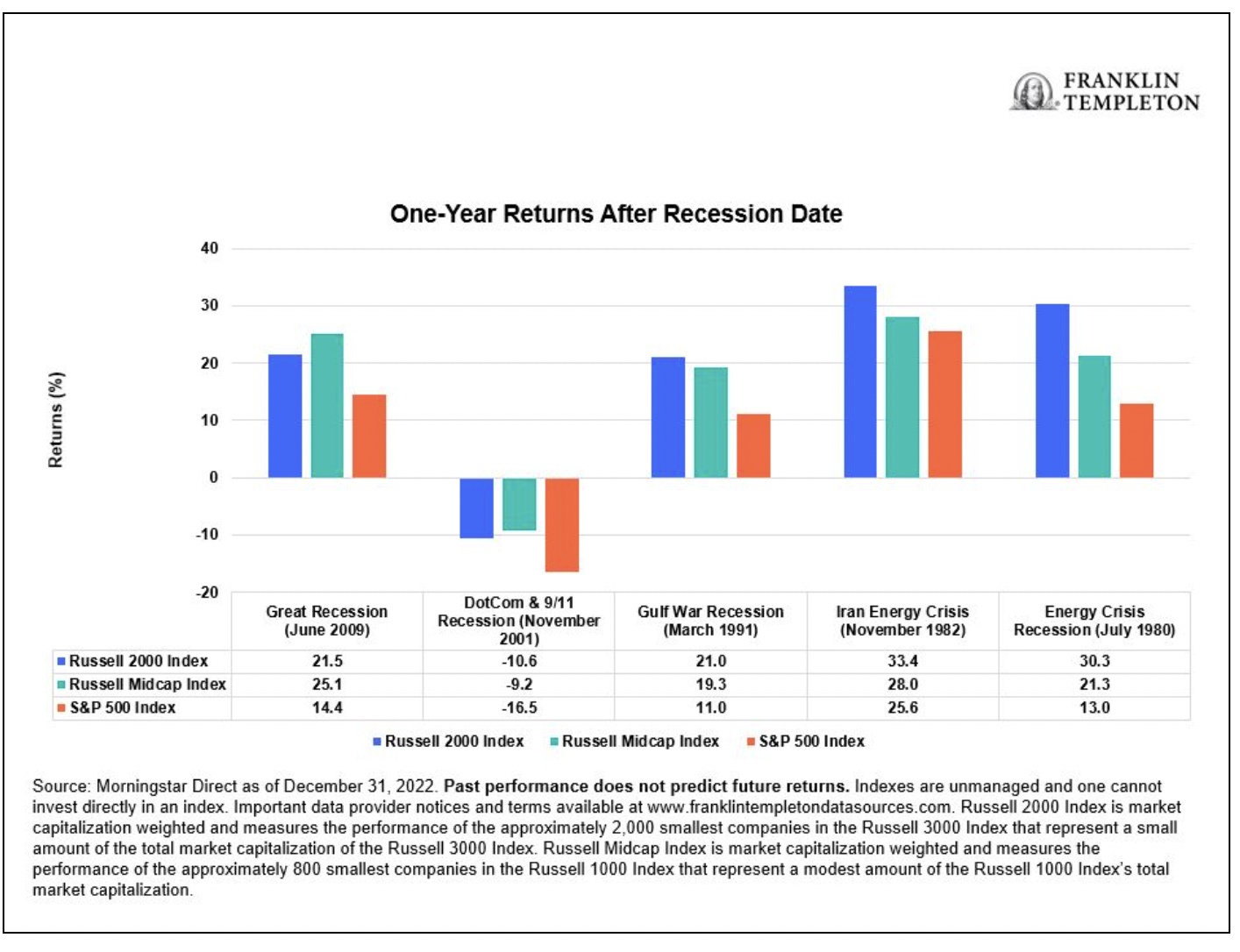
Dina Ting, our Head of Global Index Portfolio Management, offers her perspective on the allure of multifactor US mid-capitalization strategies for 2023.
The Northern Trust Economics team shares its outlook for growth, inflation, employment, and interest rates.
2022 was a difficult year for bond investors, but the combination of high inflation and tighter Fed policy should keep yields elevated, creating materially stronger fixed income returns in the new year.
We call them narratives, memes, or mind viruses.
Whatever one’s favored terminology for describing the current moment, there is widespread agreement that we are facing unprecedented, unusual, and unexpected levels of uncertainty, auguring a future of crisis, instability, and conflict.
The Loomis Sayles Emerging Markets Debt Sector Team shares their views on growth, corporate defaults and inflation.
Portfolio Manager Michael Oh, CFA, reviews what he seeks out in innovative companies and why he thinks Asia may be in the early innings of innovation in more than technology.
European policymakers face a dilemma: continue to hike interest rates to combat inflation or ease off to stimulate growth.
We believe it is important to keep you informed on the latest proposals and regulations impacting the retirement industry, as well as implications to your business.
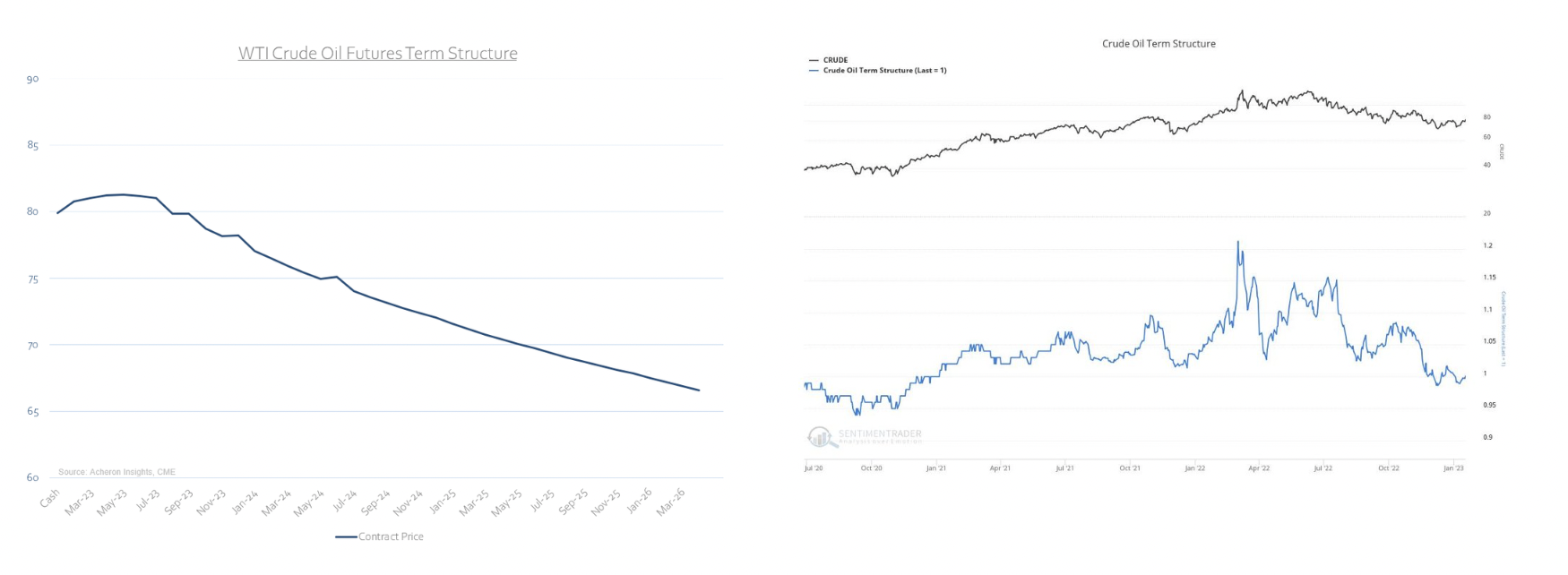
Oil prices continue to struggle as recession fears have curtailed the market is recent months.
Overnight, traders pressed the Bank of Japan again on its Yield Curve Control (YCC).
Nearly seven years have passed since the publication of our 2016 paper “How Can ‘Smart Beta’ Go Horribly Wrong?”
We wrote last week about the soft landing that markets now seem to expect.
It's easy to take the wrong signal from recent market strength.
Last year an infamous cryptocurrency ad featured the slogan “fortune favors the brave.” And while historically fortune does favor the brave, there is a difference between courage and blind faith.
In 1817, David Ricardo developed his theory of comparative advantage to explain why countries engage in trade together, even when one country has an absolute advantage.
Home prices have started to correct as interest rates rose sharply in 2022.
Many older workers who left the workforce during the pandemic may not return to the labor market.
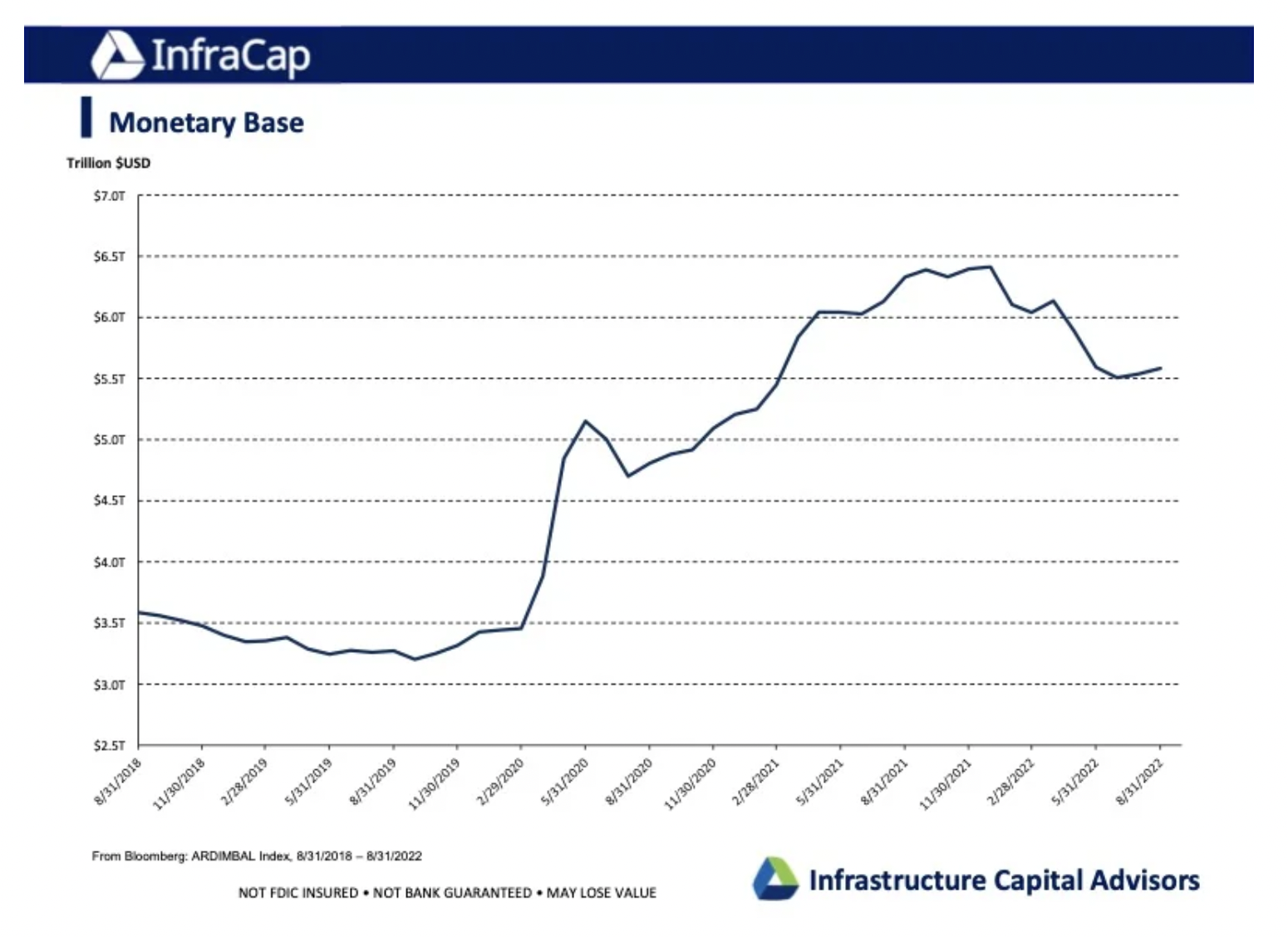
The team at Infrastructure Capital Advisors provides key insights and advice on current market conditions and economic outlook for this month and the coming months.
The Federal Open Market Committee’s 12 voting members differ on where they think interest rates should go this year. But we know they’re unanimously against cutting rates until at least 2024—or at least they were as of December, according to that meeting’s minutes.
Investors don’t appear to have been fazed by the FAA mishap. Shares of U.S. domestic airlines finished Wednesday up more than 1% before advancing a further 4% on Thursday in response to positive earnings estimates.