Mentioning artificial intelligence to the graduating class of 2026 has been sure to get you booed. And why not? Fresh graduates have spent the past few years being told about the wonders of AI and watched seniors struggle to get a toehold in the labor market.
There is a growing risk of economic overheating in the US as the artificial intelligence boom expands beyond semiconductors and spills into the broader economy — never mind the tame wage growth and house prices that would typically point in the opposite direction.
There’s no shortage these days of stories, posts and videos warning of the robot armies readying to vacuum up white-collar jobs in technology, finance, marketing, you name it. And there’s no doubt that artificial intelligence is rapidly changing how we live and work. Amid all this, though, a relative calm has descended on the labor market and should persist for the rest of this year, at least.
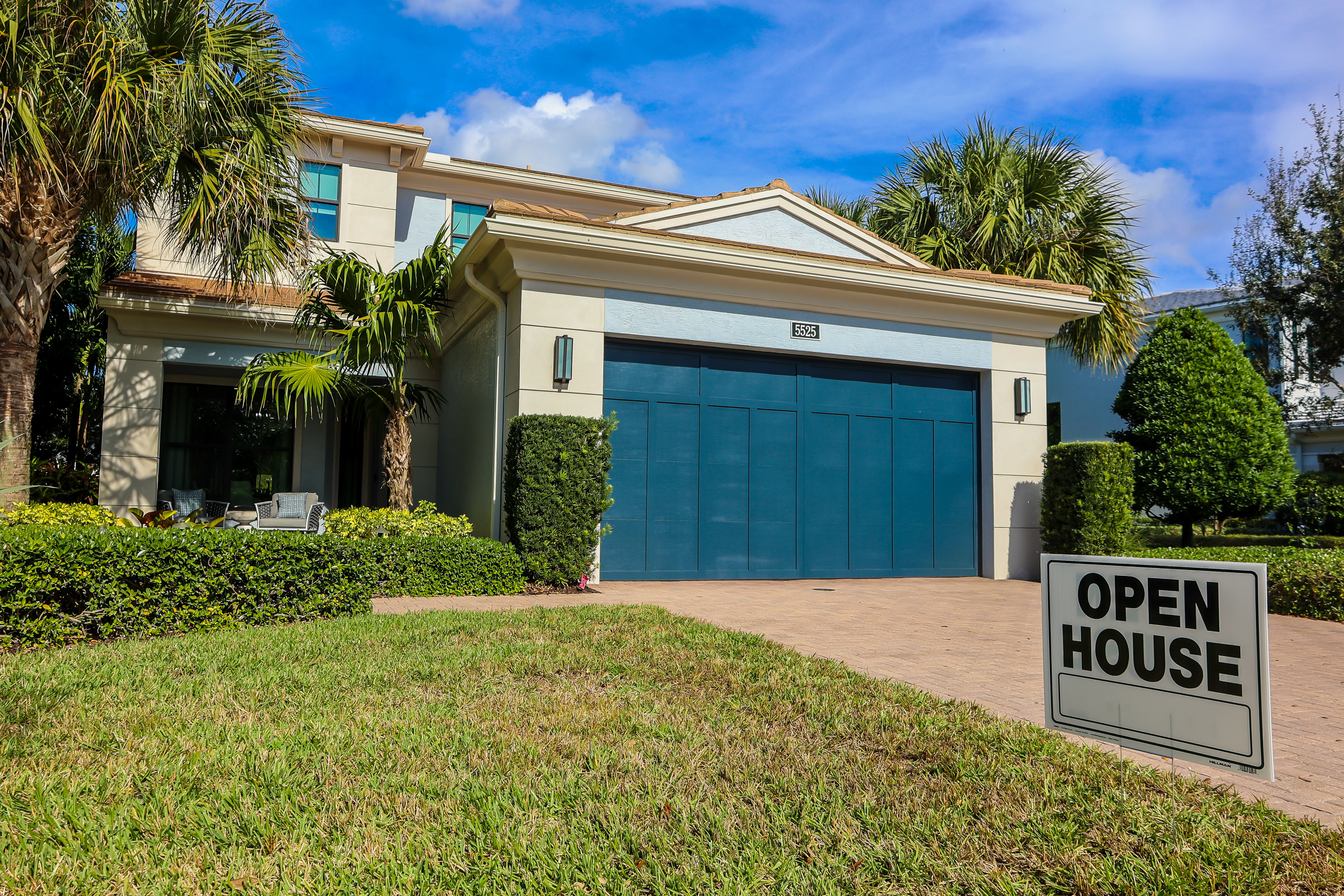
The housing industry had good reasons for optimism heading into 2026. Transactions were picking up after three listless years as improved affordability and decent inventory levels brought buyers back into the market.
Fresh data on the US labor market and new research from the Federal Reserve suggest that the conventional wisdom around employment growth being sluggish is wrong.
A progressive rallying cry to tax the rich is being welcomed by traditionally Republican states, including Florida and Georgia, looking for a new pitch to draw migrants — especially wealthy migrants — from the coasts.
There’s been no love lost between builders and buyers in the entry-level housing market over the past five years. Good news for one was invariably bad news for the other. But we finally seem to be hitting a sweet spot where both sides can be cautiously optimistic.
We’ve seen upper-income consumers power consumption growth over the past year even as middle-income and working-class households become more restrained. The message from the office market is starting to sound similar.
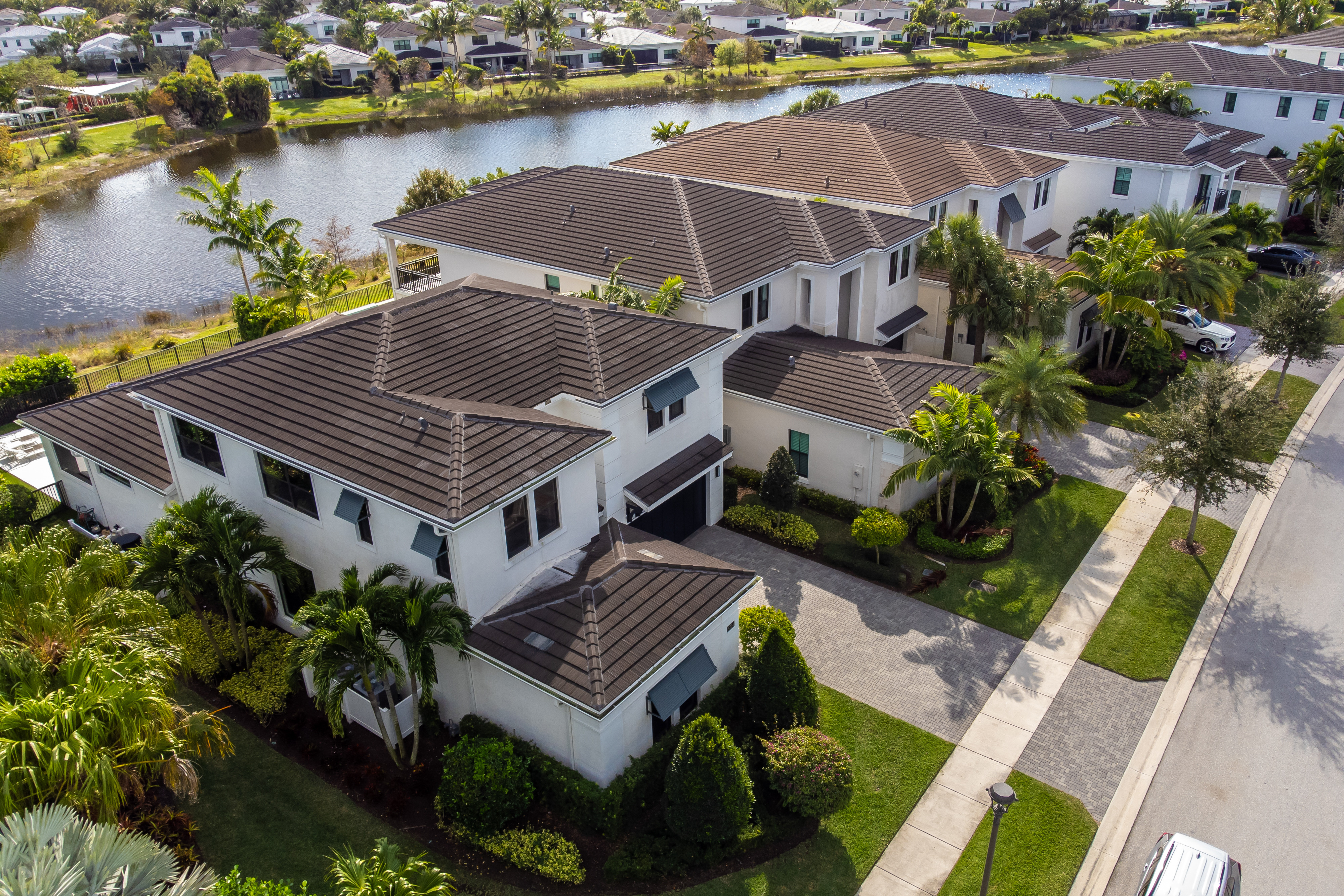
While much of the United States is ending January with bitterly cold weather, signs of a thaw are emerging in Florida’s housing market after years of stagnation. This is by no means an “all clear” signal.
President Donald Trump has promised to address housing-market dysfunction and a lack of affordability in 2026. While we don’t know what the White House has planned, previous talk has included a (much criticized) suggestion for 50-year mortgages and exhortations to builders to do their duty and build more housing.
Like previous generations, most young people are going to end up owning homes. The housing market is in transition, and despite the current lack of affordability, there’s compelling evidence that we’re grinding back toward more normal levels.
Imagine headlines flashing news of 20,000 jobs lost each month from US payrolls. Consumer and investor sentiment would crater and the pressure on the Federal Reserve to keep cutting interest rates would be intense.
When new homes start selling at a discount to re-sale houses, it’s time to sit up and pay attention. Apollo Global Management’s Chief Economist Torsten Slok noted the anomaly in a recent note , the first time it’s happened in more than five decades.
The continued slump in the housing market is now being compounded by a weakening U.S. labor market and a surge in mass layoffs. This labor uncertainty is making potential buyers reluctant to commit to purchases, even as affordability improves and mortgage rates stabilize. This dynamic is leading homebuilders to reduce construction and staffing, further worsening the job market.
There’s good news and bad news on the housing front: The buyers’ strike of the past three years is finally working, but the path to better affordability looks painful for many of those trying to sell a home, the construction industry and, ultimately, the US economy.
The Federal Reserve has long been able to depend on the housing boost from interest rate cuts juicing the US economy. This time looks different.
A record-busting stock market has done little for the prospects of most middle- and working-class Americans, who are falling behind as the labor market stalls and prices rise for the essentials. The way out of the hiring rut is significantly lower borrowing costs for businesses and consumers, but these have the potential to stoke painful inflation once again.
There’s been renewed optimism about housing in the stock market recently. Mortgage rates have fallen and home improvement giants Home Depot Inc. and Lowe’s Cos Inc. reported an uptick in activity in July.
Every time there’s fresh evidence of labor market softness, as with the July jobs report, an obvious question is raised about the health of the US economy.
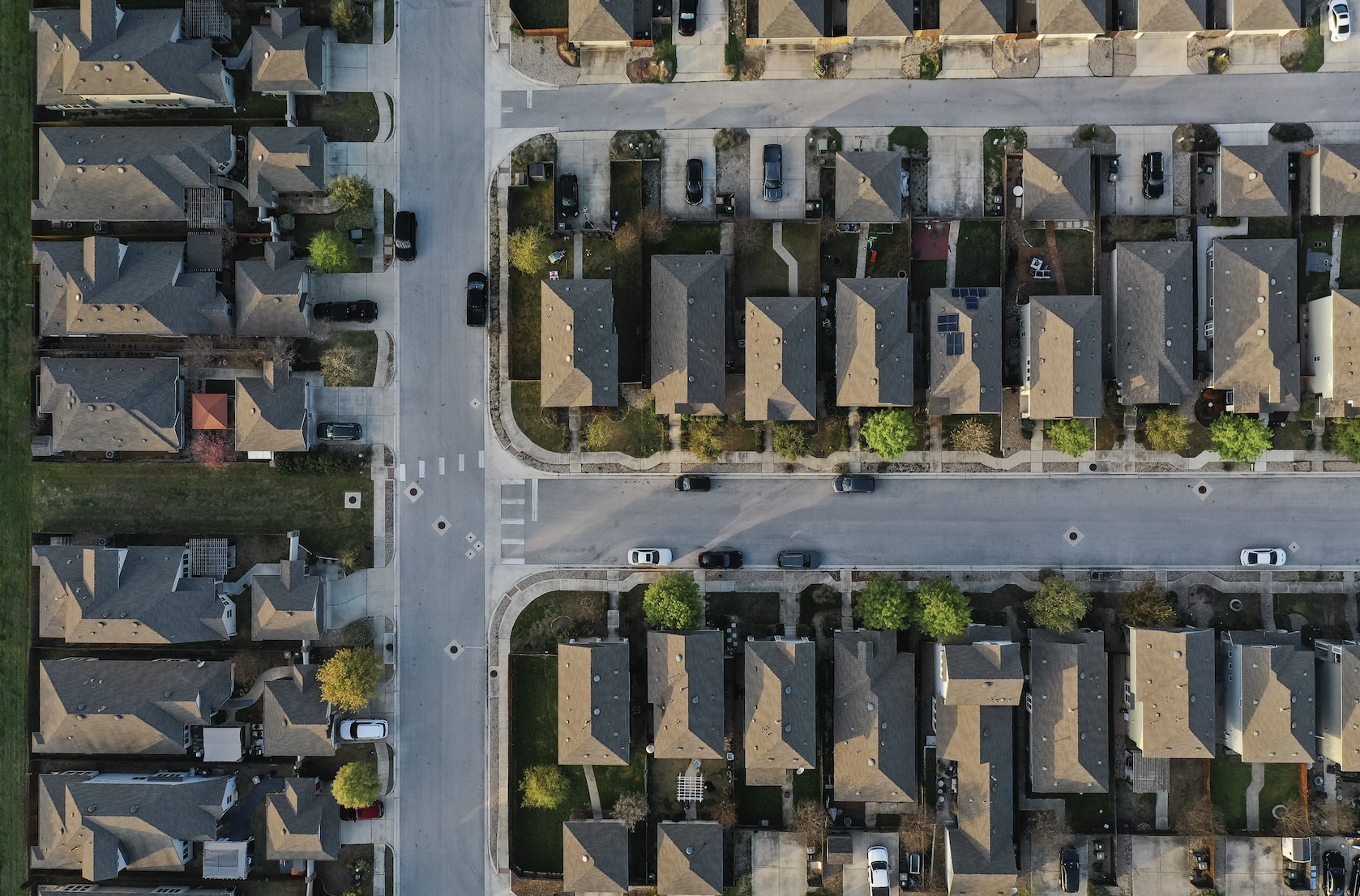
A challenging housing market is pulling builders away from metros they’ve long favored to smaller cities, where it’s easier to construct the kinds of homes Americans can afford.
US economic data continue to send mixed signals, keeping uncertainty high on interest rate cuts from the Federal Reserve later this year.
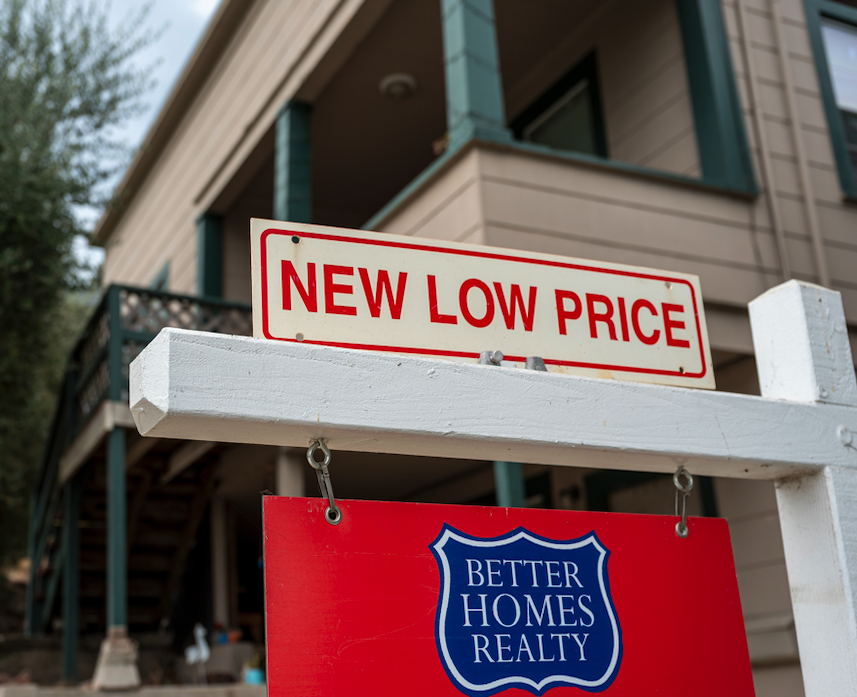
House prices are falling, and it’s no longer just a Florida and Texas story. Rising inventory across the country and still reluctant buyers mean that those looking to sell face the prospect of more competition and lower prices next spring if they don’t close on a deal soon. For buyers, holding out can mean a better price.
There are plenty of reasons to be concerned about the direction of the US economy right now.
The geography of employment in the US is being shaped by two distinct trends. The first is low levels of housing churn and, therefore, interstate migration, a normal part of the business cycle that should eventually turn around.
The US economy’s contraction last quarter was something of a head fake, driven by a surge in imports as businesses tried to front-run tariffs.
Investors crushed the stocks of consumer discretionary companies on Thursday in response to President Donald Trump’s tariff announcement, making little distinction between home goods companies such as Williams-Sonoma Inc., apparel names including Nike Inc. or restaurants such as Cheesecake Factory Inc.
A standoff between homebuyers and sellers played out in much of the country over the past two years, and particularly in internal migration destinations such as Florida and Texas. The number of homes on the market rose as poor affordability constrained would-be buyers, but sellers rejected offers significantly below the 2022 peaks.
The US economy looks set to disappoint this quarter. A number of economists have lowered their forecast for growth in real gross domestic product due to a widening trade deficit and sluggish consumer spending. An uncertain trade war and tepid labor demand have also clouded the outlook for the rest of 2025. Conflating the two would be a mistake, though.
Gen Z is right to have negative feelings about the economy. Not only were its oldest members entering the workforce as the pandemic struck, but those in their early to mid-20s are also now bearing the brunt of a labor market that’s largely been frozen in place for the past two years.
A lack of affordability has hindered housing transactions the past two years, frustrating would-be buyers and, more recently, hammering the stocks of developers.
There’s an old Wall Street saying that “the stock market is not the economy.” That’s usually true. But, in this economic cycle, stock market gains have become an increasingly important driver of consumer spending, helping to fuel growth as other areas of the economy cool.
Coming into 2025, hopes for an increase in housing construction were pinned on lower borrowing costs. But with longer-term interest rates remaining stubbornly elevated and the Federal Reserve showing no urgency to ease policy, higher rents and home prices will be needed to drive an increase in production.
The resilience of the labor market over the past year has, in large part, been about strength in sectors such as education, health care and government that are somewhat immune to economic cycles.
The latest updates on the labor market and consumer prices show President-elect Donald Trump inherits an economy where inflation is poised to return to the Federal Reserve’s target later this year.
It’s now half a decade since anything in the US housing market could be considered normal. The pandemic boom was followed by a transaction bust, induced by the central bank, that did little to lower sky-high prices.
Donald Trump will inherit, to all appearances, a solid economy when he assumes the presidency in January. After all, the stock market is at record highs, unemployment is low by historical standards and gross domestic product has been expanding at a healthy pace of around 2.5% so far this year.
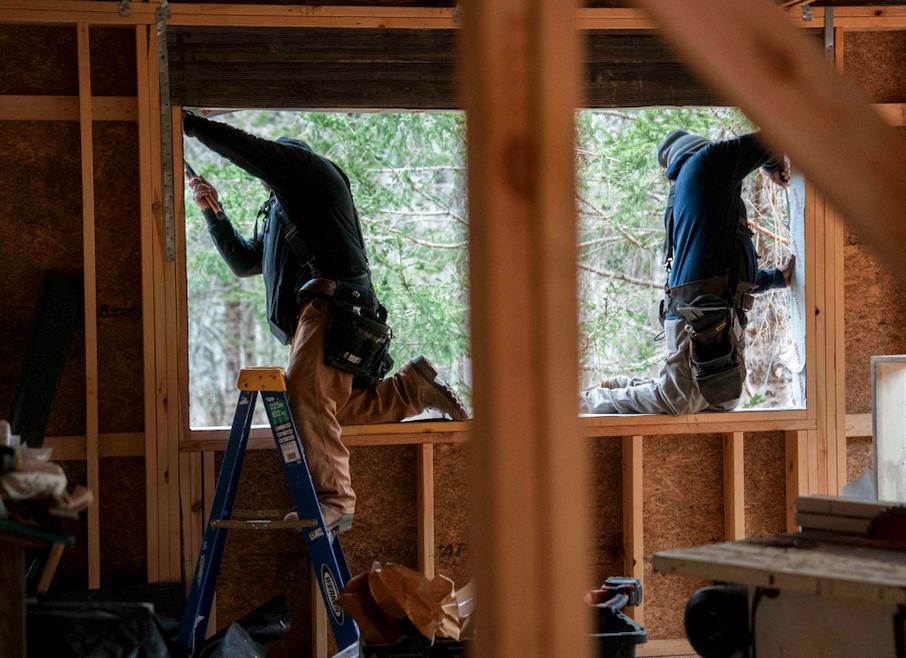
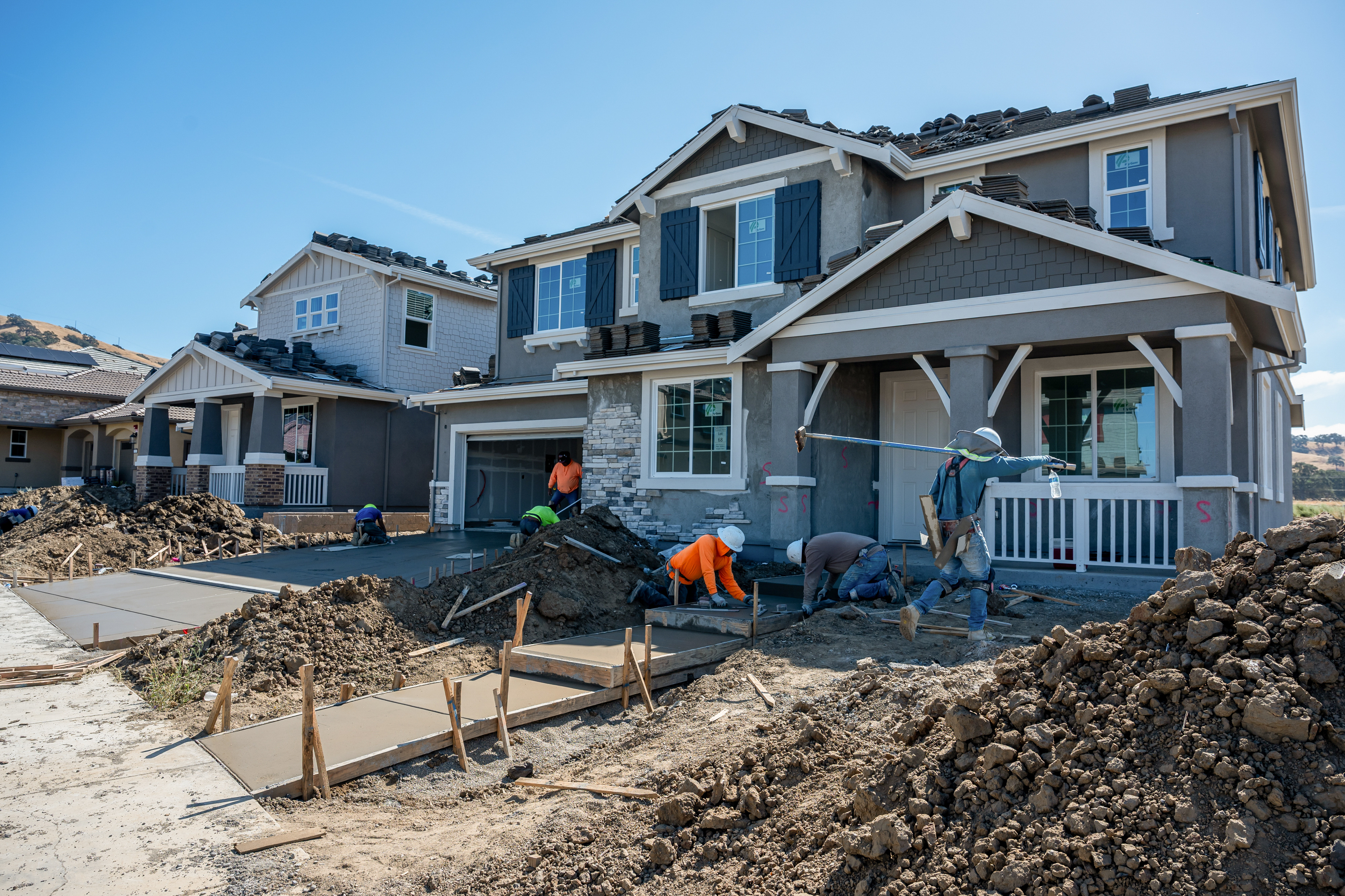
Builders are an important part of any plausible fix for the housing shortage in the United States — not only constructing more homes but also finding ways to improve affordability.
It’s inevitable that the market dynamics that have delivered cheaper airfares, used cars and rents in the past year will eventually turn around. One high-profile reminder came from United Airlines’ earnings last week.
The Federal Reserve’s interest rate cut last week has led many to wonder what it means for mortgage rates. The housing website Redfin noted that some would-be homebuyers aren’t aware that we’ve already seen a steep decline, while others are waiting for mortgage rates to fall more.
There’s a puzzle developing in the housing market — mortgage rates have fallen rapidly to their lowest level since early 2023, but would-be homebuyers don’t seem to care. It’s possible this is just a timing issue with rates falling during the slow season for transactions and election jitters giving buyers additional reason to hold off.
American consumers have surprised many economists this year by continuing to spend even as their savings shrink and the labor market cools. They’ve been aided in part by pockets of deflation that have boosted their purchasing power on things such as gasoline, automobiles and airfares.
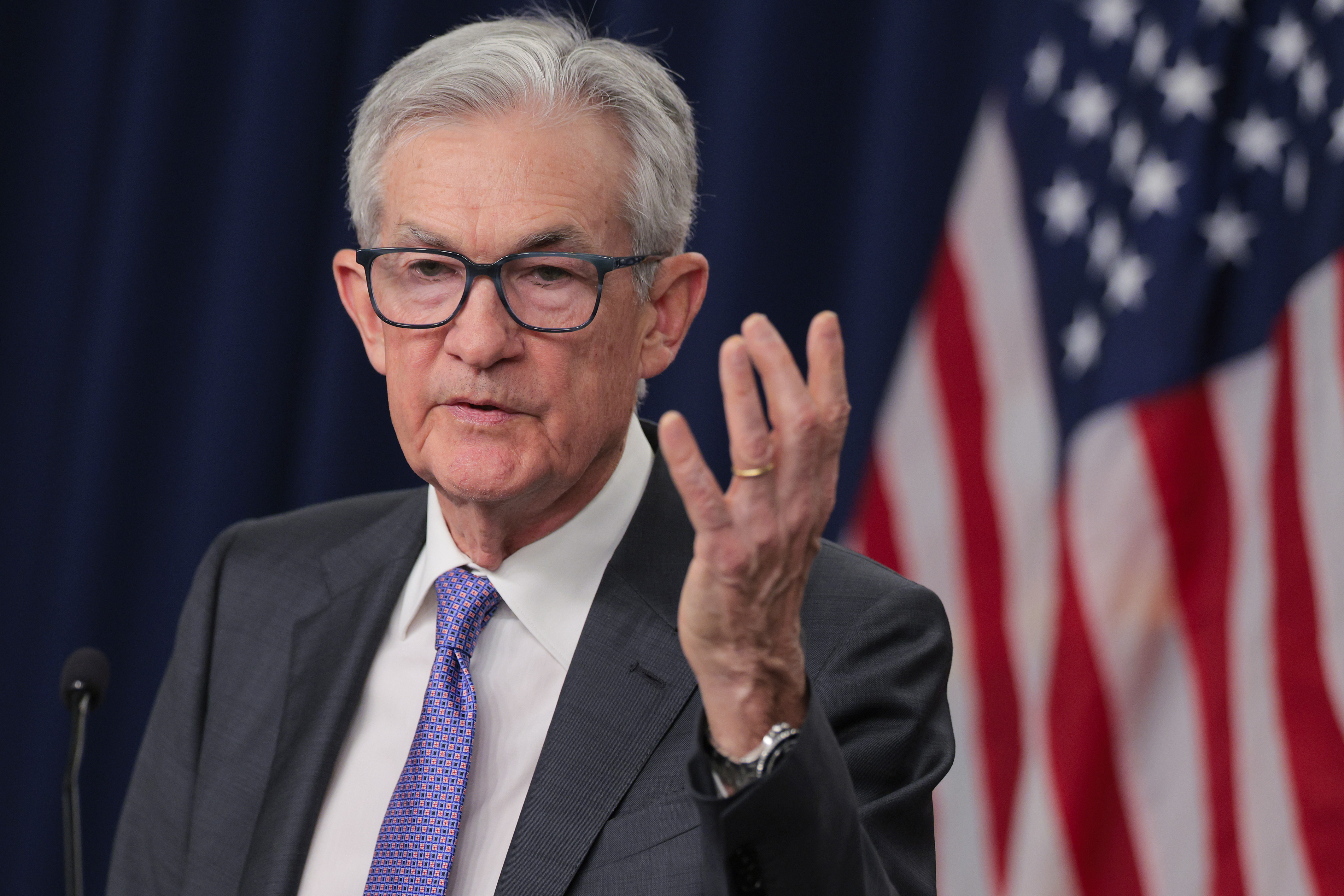
Chair Jerome Powell cemented a shift in focus from inflation to employment last week when he said that the Federal Reserve does not seek a further cooling in the labor market. It was a welcome message for those concerned about an economic slowdown. But there are reasons to expect today’s sluggish hiring environment to persist at least into early next year, frustrating job seekers and policymakers alike.
The worst of the housing affordability crisis is behind us. But the past two years have shown that housing isn’t a bubble that is likely to pop overnight, nor can prices be forced lower in the short term with government intervention. Rising incomes, falling mortgage rates, more construction and thoughtful policy will slowly chip away at the affordability problem.
The recent decline in mortgage rates on stronger evidence that the Federal Reserve is poised to ease policy has fueled hopes of better times ahead for companies tied to the housing market. That’s likely true, but the evidence of the past few weeks suggests it’s already too late for a revival this year.
Friday’s weaker-than-expected jobs report has sparked a robust debate about whether the economy is sliding into recession or whether the rise in the unemployment rate in July was due to a continuing post-pandemic normalization of the labor market.
When the Federal Reserve signals the likely path of monetary policy to investors this week, including an anticipated start to interest rate cuts in September, it can no longer be complacent about the labor market.
San Francisco has been the subject of a lot of negative press over the past several years. It was hit hard by the pandemic exodus from cities, the shift to work from home that emptied offices, the crime and homelessness that marred its national reputation, and pledges by corporate leaders such as Elon Musk to relocate their company headquarters elsewhere.
It’s been clear since the fall of 2022 that the housing market needed lower interest rates to fix many of its problems including a lack of affordability for buyers, the mortgage rate lock-in dynamic for homeowners, and reduced activity for companies ranging from Home Depot Inc. and Lowe’s Cos. to suppliers of building materials.
Between McDonald’s $5 value meal, Taco Bell’s $7 cravings box and budget breakfasts from Starbucks and Wendy’s Co., fast food chains are fighting hard to win over hungry Americans this summer. Why now? It comes down to price-sensitive customers voting with their wallets and forcing companies to chase traffic to grow revenue and profits.
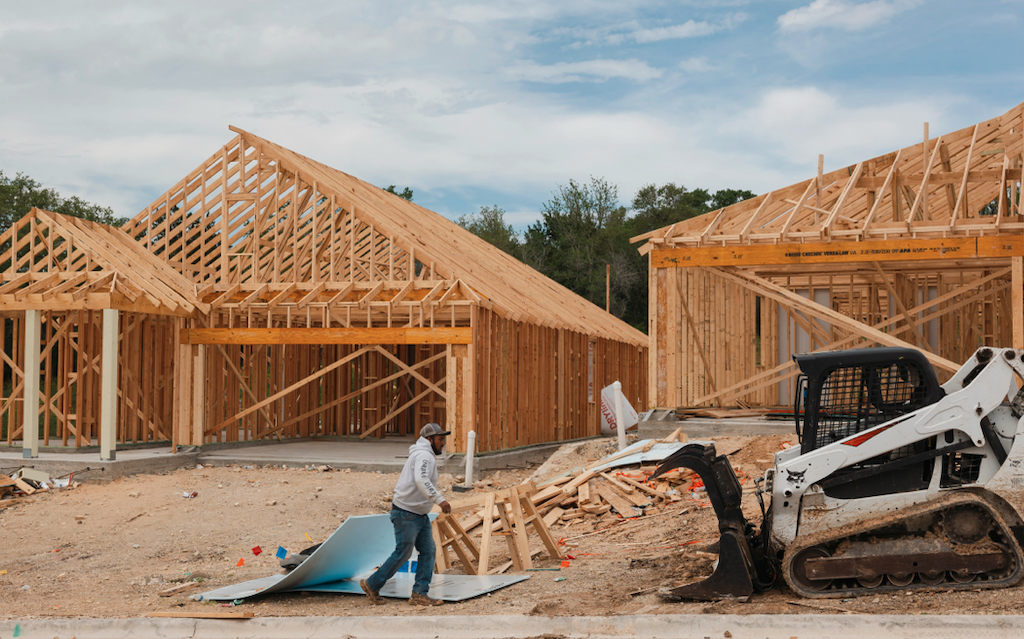
New home construction slumped to the weakest level in four years in May, confirming a trend that’s been evolving for the past few months — residential construction is once again acting as a drag on economic growth in the US.