The U.S. initial public offering (IPO) market appears to be entering one of its most consequential periods in years. After a long drought following the 2021 issuance boom, a healthier macro backdrop, improved risk appetite, and a long queue of mature private companies have reopened the new-issue window.
The “American Industrial Renaissance” is an investment theme investors and allocators alike have probably been pitched several times, or at the very least heard about. Supply chains for manufactured goods have evolved to become more complex, while U.S. manufacturing employment as a share of total employment has steadily declined, leaving policy makers to grapple with the ramifications of a shrinking manufacturing base.
Energy cycles have a way of rewarding investors who show up early, while punishing those who assume the next upturn will look exactly like the last one. Supply disruptions caused by the war in Iran that began just under a month ago have upended markets globally, with oil markets taking center stage.
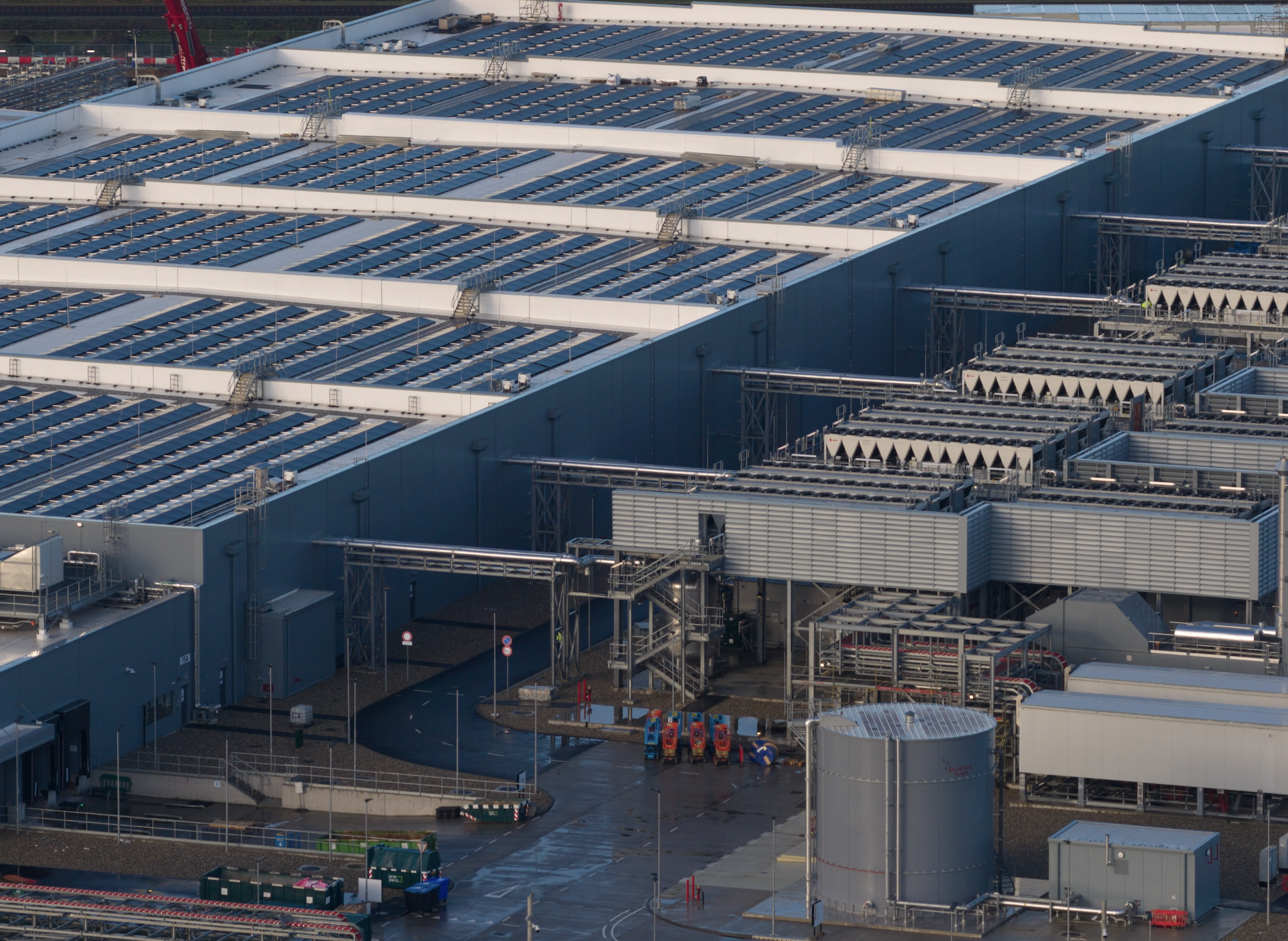
As the capital expenditure (capex) race for compute continues, we thought that it would be worthwhile to briefly outline the current state of play facing the well-publicized data center buildout. To understand why so much capex is needed to support artificial intelligence (AI), we must first understand how data centers are built and operated.
Over the last three months, the housing conversation has warmed up again. Markets seem to be saying the next chapter could be “more activity”; i.e., more housing starts, more remodeling, more jobs coming off the sidelines as confidence improves.
LPL Research explores the drivers behind the rally in metals, the associated risks, and the outlook for their durability.
Precious metals surged out of the gate to begin 2026, not dissimilar to how they closed out 2025. Gold has already made two record highs this year alone, is currently trading above $4,600 per ounce, and is up over 6% in 2026.
Value seems to be having a moment — over the last six weeks value style and value factor indexes (a subtle but real nuance, as we will show) are outperforming representative broad market and a representative growth style index.
Anecdotes such as these are helpful reminders that long-term investors need not chase the hottest fads in the market and can at times get ahead of the crowds by simply paying attention to the world around you.
Artificial Intelligence (AI) has the potential to be a transformative technology that impacts how we all live and do business. With some creativity, and time for current offerings to improve, it is not difficult to imagine how in the future these systems could enhance or even replace much of the work that we humans are currently doing.