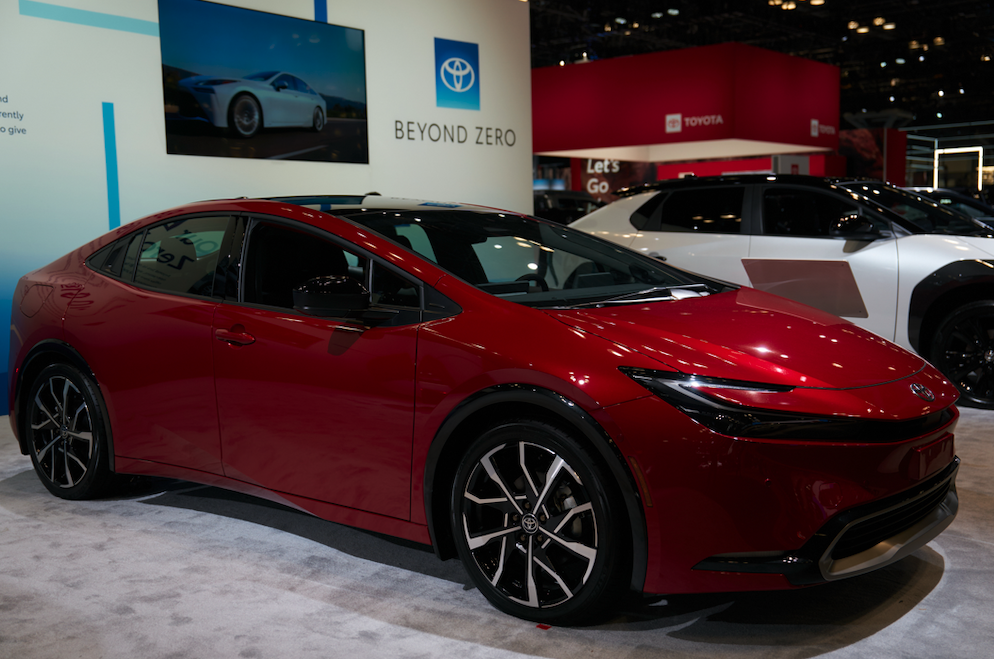
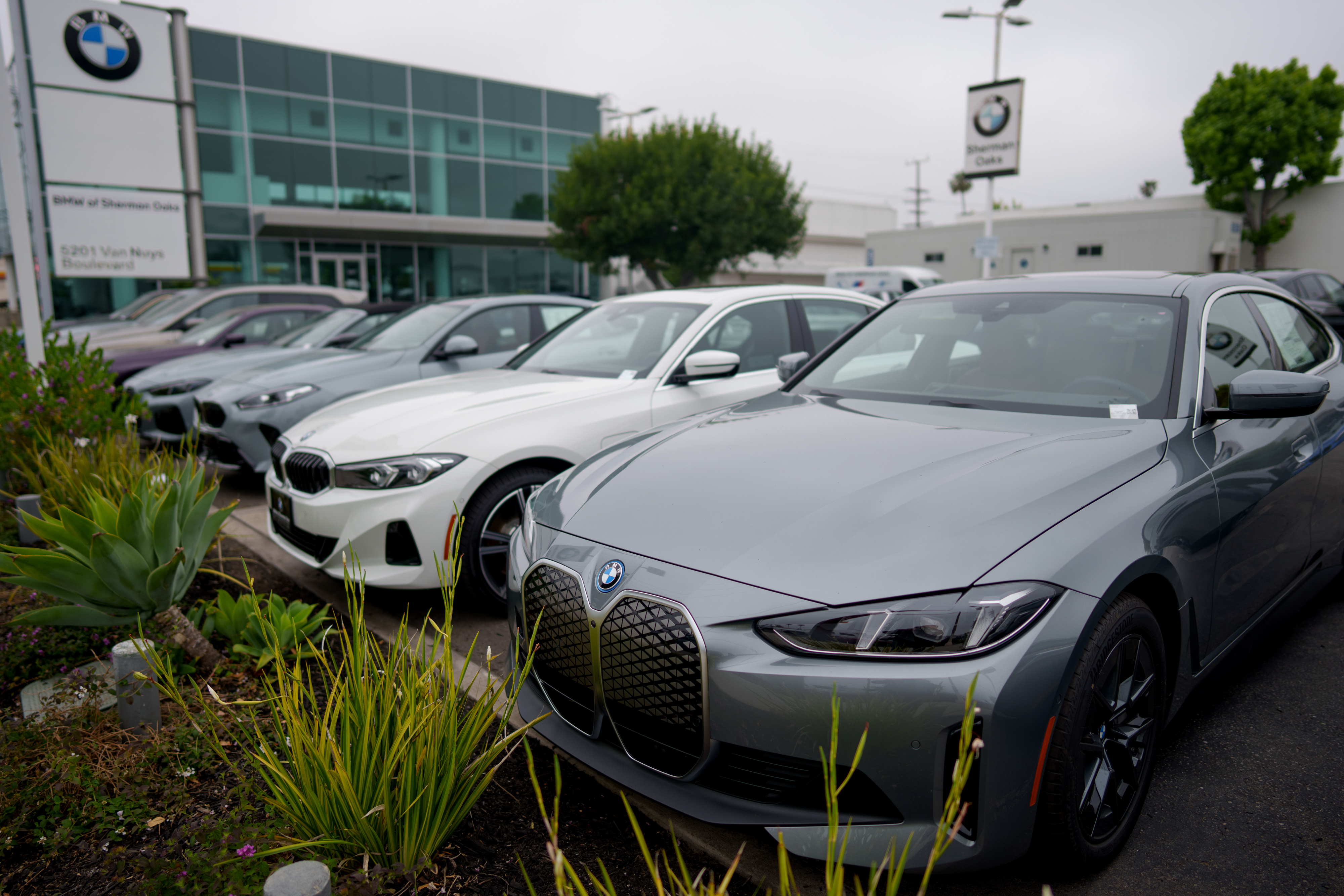
Americans like their electric vehicles to come with a side of gasoline. Sales of conventional hybrid vehicles, which combine internal combustion and electric drivetrains but don’t plug in to recharge, jumped by almost a fifth in the first half of 2026, year over year, while pure battery EVs slumped by a quarter.
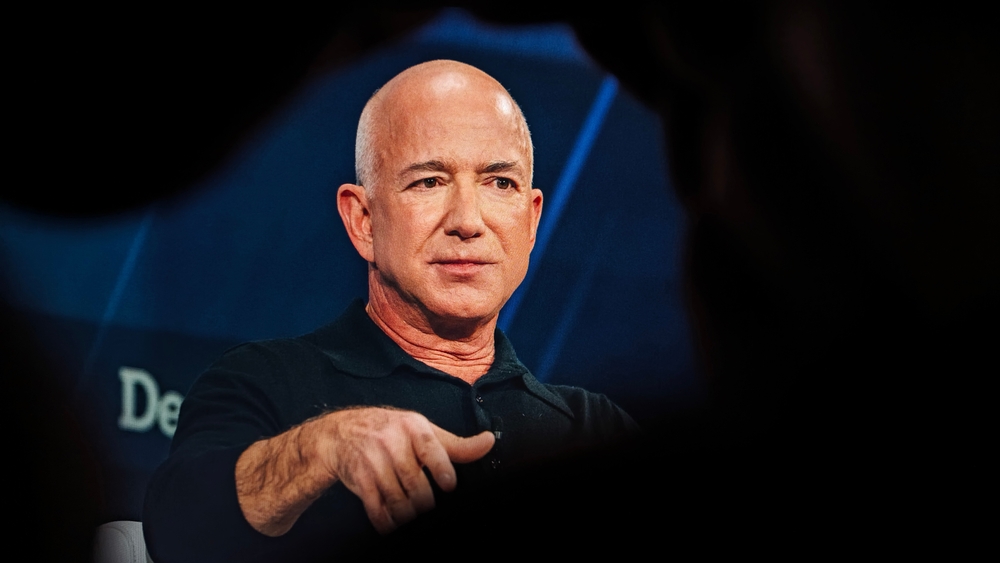
Slate Auto, the electric vehicle start-up backed by Jeff Bezos, is a grand experiment in whether austerity sells — and a warning for the US auto sector.
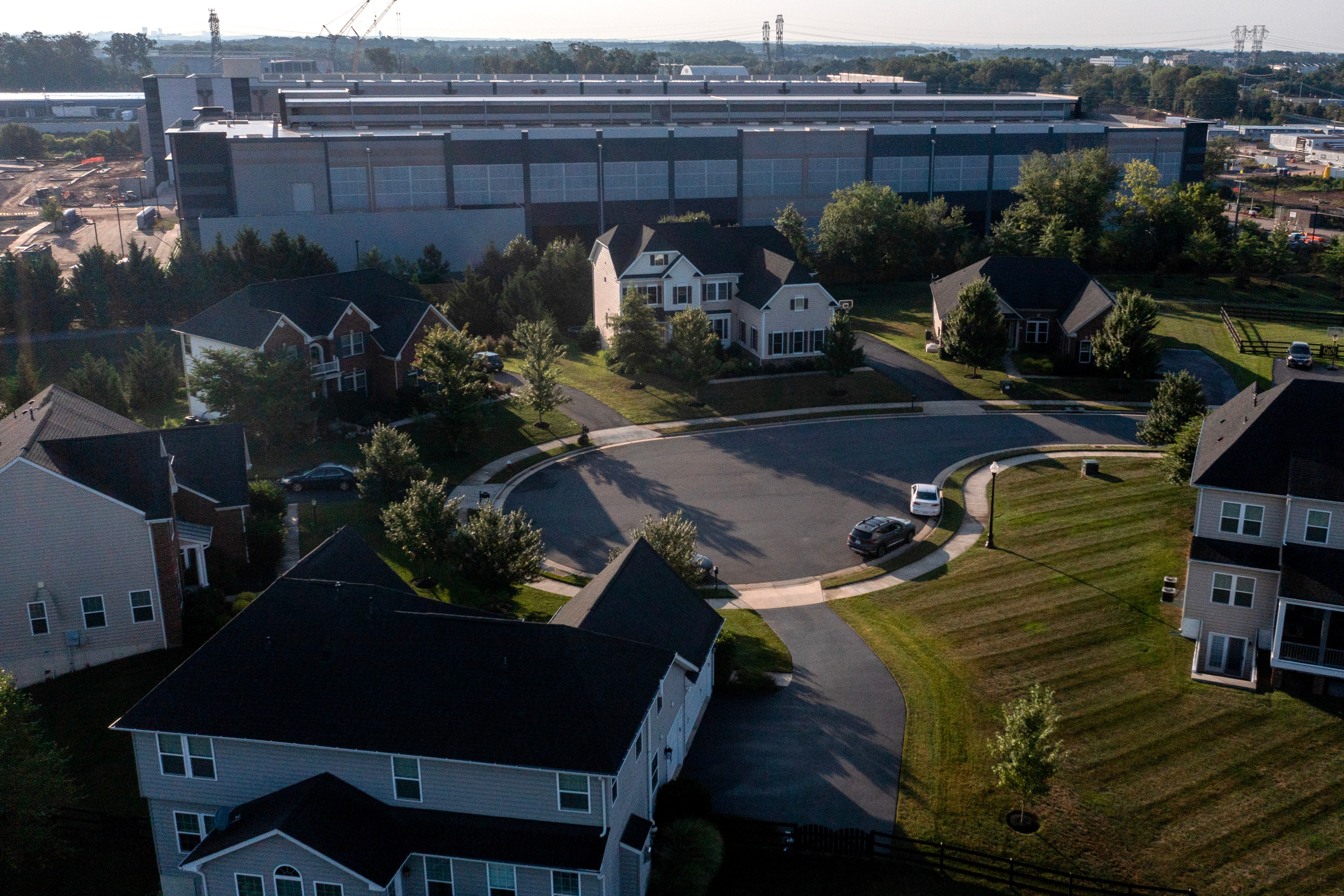
Data center developers are struggling to connect to the power grid and, not unrelatedly, connect with people. Perhaps half the data center projects due to start operating this year won’t arrive on time, according to Currence, an artificial intelligence analytics firm.
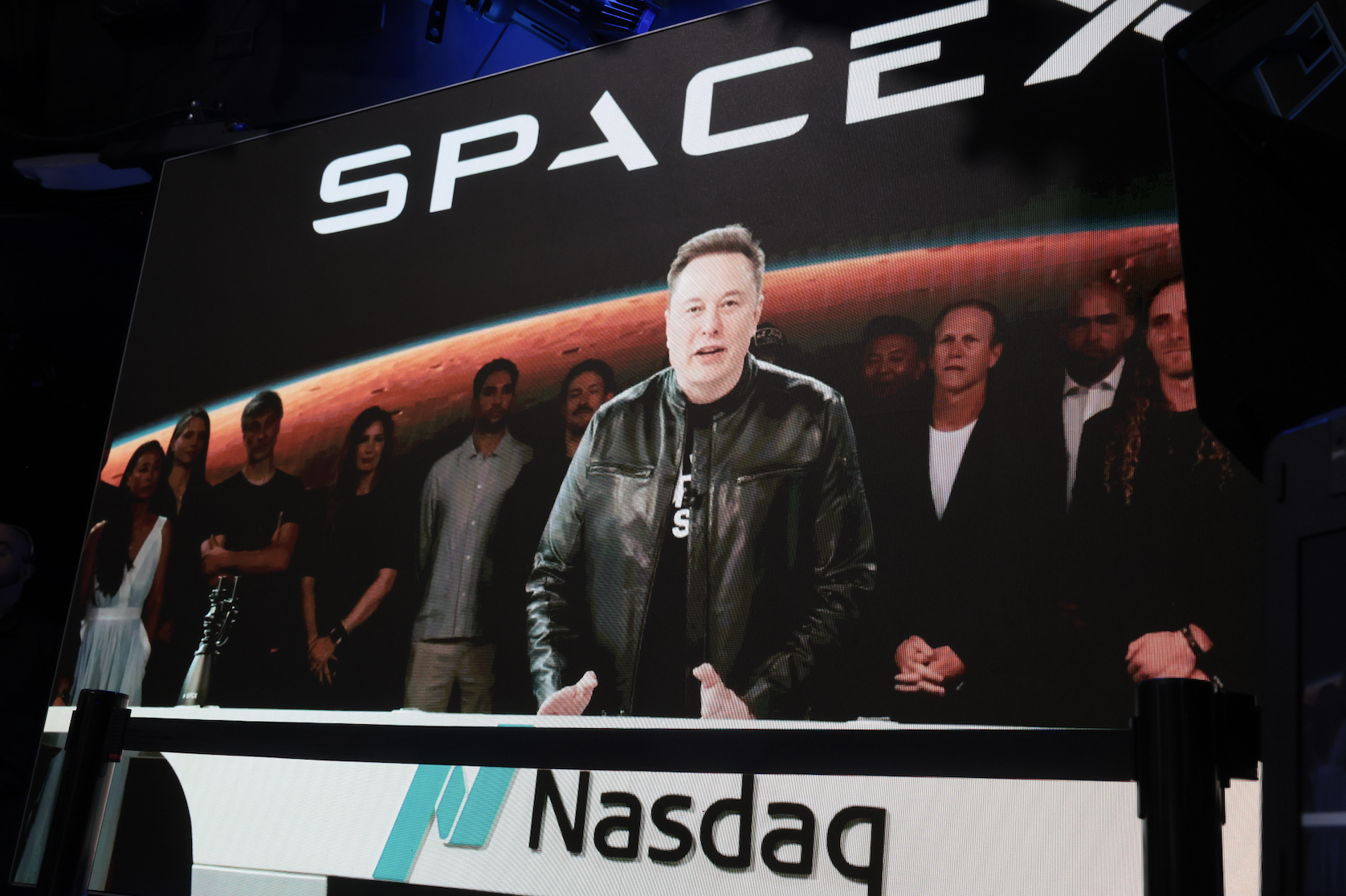
For Elon Musk, the public market debut of SpaceX could hardly have gone better. It priced at the dictated $135 per share and has since jumped by almost half, adding more than $870 billion in just three trading sessions to an already huge market capitalization.
The SpaceX initial public offering prospectus is more than 400 pages of rocket fuel-grade ambition. It is also an extended warning for investors in Tesla Inc. who aren’t named Elon Musk.
Ford Motor Co. has finally hit upon an electric strategy that shouldn’t lose money. The key element is that it doesn’t involve vehicles — not for now, anyway.
The bigger the vacuum becomes, the longer it will take to refill those inventories whenever whatever passes for normality finally arrives. Oil prices along the curve would need to rise accordingly to encourage excess production — or, conversely, achieve the same outcome by destroying demand.
Tesla Inc. and its Chief Executive Officer Elon Musk are a font of big numbers, real or imagined: A million robotaxis deployed, 20 million electric vehicles sold per year, “tens of billions” of Optimus robots stalking the Earth.
With “energy dominance” comes great turbulence. President Donald Trump’s open-ended war against Iran reflects a US seemingly unconstrained by energy needs and ready to wield its own fossil fuels as instruments of power.
If you want to build a technology giant, a car company is a tough place from which to start. In terms of competing in AI and potentially even chips, Tesla is up against the massive budgets of several other Magnificent 7 members, who can, nonetheless, cover their spending with operating cash flow.
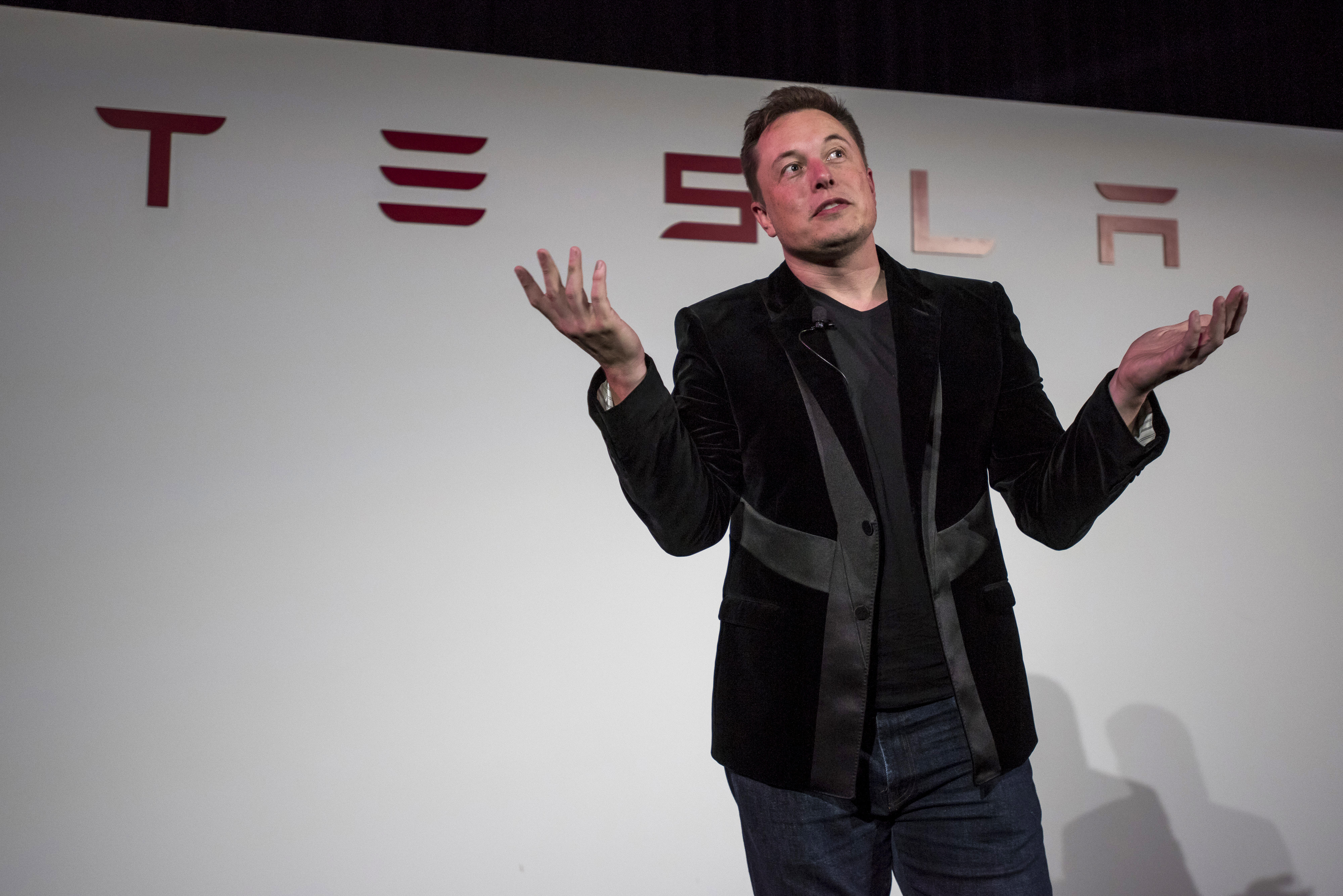
Elon Musk, ever attuned to the political zeitgeist, has updated Tesla Inc.’s mission to “amazing abundance.” It is the kind of hyperbole beloved of investors in the company he runs.
PJM is the name given to the largest regional US electricity grid, stretching from Chicago to the Chesapeake. It is also synonymous with the AI-power surge, being home to Virginia’s ‘datacenter alley’ and seeing recent big increases in bills tied to concerns that the electricity needs of artificial intelligence will swamp supply.
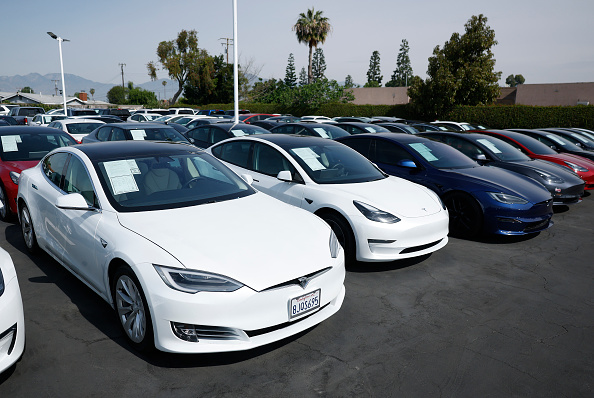
Tesla enters 2026 grappling with its loss of the global EV sales title to BYD and a persistent production surplus that has strained profit margins. Despite growth in its energy storage division, the company faces significant underutilization of its manufacturing capacity as premium vehicle sales lag behind previous years.
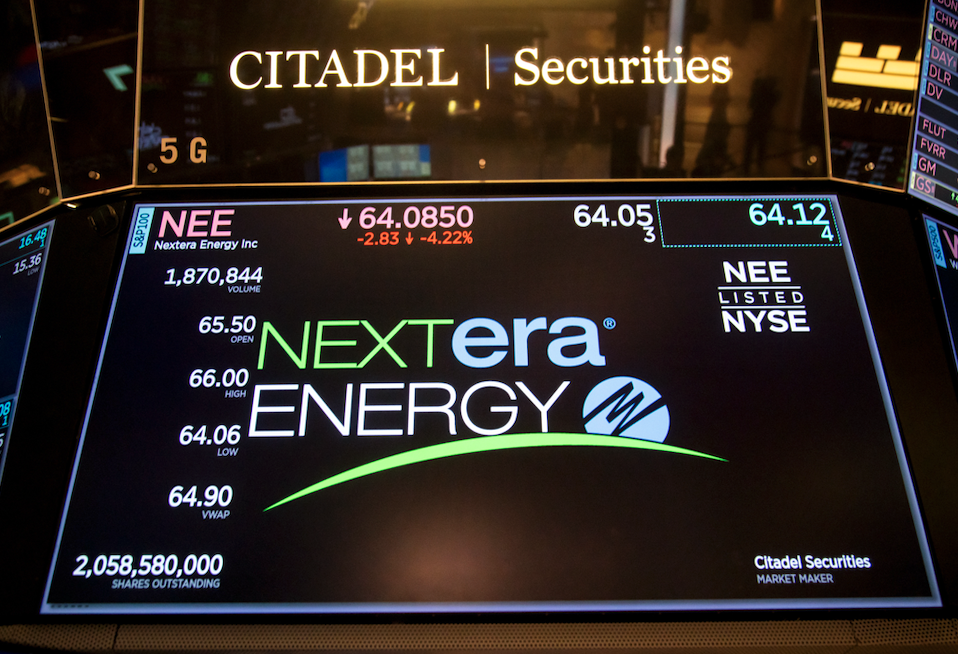
NextEra Energy, once the "tech darling" of the utility sector due to its vast renewables business, is pivoting its strategy to navigate political uncertainty and the booming power demands of Artificial Intelligence (AI).
Over the past six years, Occidental Petroleum Corp. has morphed from being a large oil company with a reputation for discipline to an even larger oil company well on its way to becoming a business school case study in the perils of hubris.
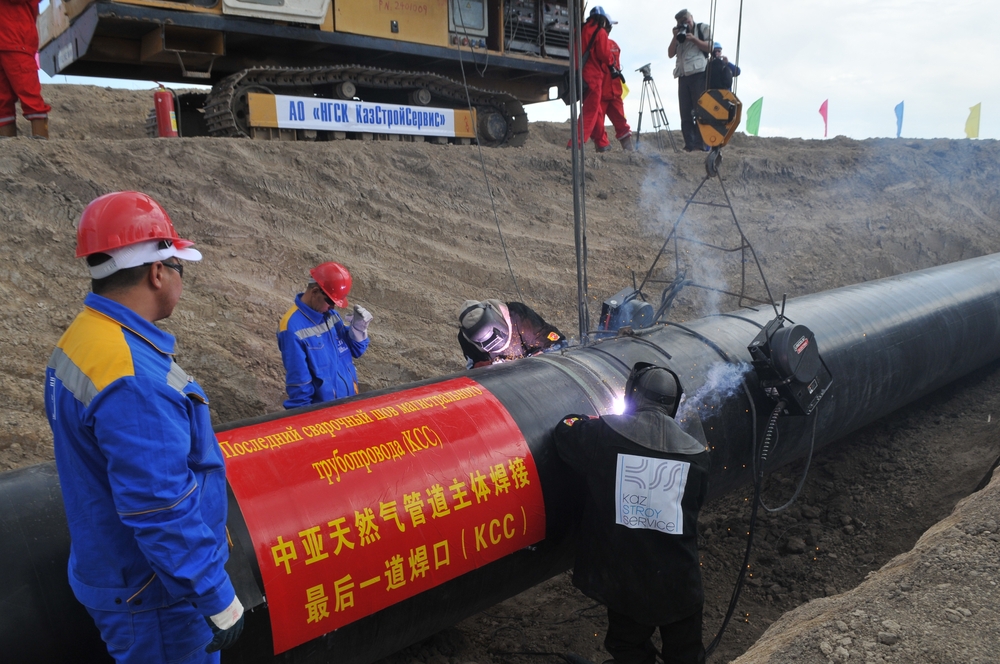
It’s a potential prize fight for the ages: US “energy dominance” versus the Power of Siberia.
The lifespan of Tesla Inc.’s “master plans,” strategic missives from Chief Executive Elon Musk, has declined dramatically. The first held for a decade. The third, just superseded by Master Plan Part IV, didn’t even make its third birthday.
Some 15 Super Bowls ago, Chrysler wowed the viewing public with a long car commercial starring Eminem that featured the tagline “Imported From Detroit”.
The secret to getting a trillion-dollar valuation on a struggling car company is to convince everyone that you are not in fact a car company.
Conventional wisdom has it that the rise of robotaxis is bad for Uber Technologies Inc. and oh so good for Tesla Inc.
Forget Tesla for a moment. Just imagine an anonymous company with the following characteristics.
Unlike us mere mortals, time is usually on Tesla Inc.’s side. The launch of its robotaxi service this week has inverted that, and at a moment of particular weakness for the company.
The biggest story swirling around Tesla Inc. right now concerns Chief Executive Elon Musk’s sudden, if unsurprising, break with a leader who is as calm and unassuming as he is, President Donald Trump. The important story concerns what is happening far from these shores: China.
The artificial intelligence arms race has prompted a contest for America’s power plants.
Tesla Inc. reported abysmal numbers for the first quarter on Tuesday evening. Naturally, Chief Executive Officer Elon Musk kicked off the call with a discussion on why he must fix America’s finances, facing down an army of alleged moochers.
If OpenAI LLC were a listed company, Monday would have been a very bad day for the stock.
New Yorkers bowing their heads into a cutting wind is typically a bullish sign for natural gas prices, and this January is no exception.
When Jaguar’s “copy nothing” brand reboot hit late last year, one self-styled car enthusiast replied on X: “What the actual hell is this.” Jaguar’s response: “The future.”
To most of us, a power plant is a source of electricity. To Exxon Mobil Corp., it’s a machine that converts natural gas into money. And this is a propitious time for doing that.
Detroit voted overwhelmingly for Vice President Kamala Harris, but investors in “Detroit” backed President-elect Donald Trump. Shares in General Motors Co. and Ford Motor Co. jumped on news of Trump’s election win, with GM reaching a new high for the year and Ford up by almost 6% on Wednesday, more than double the S&P 500 Index’s gain.
If Elon Musk sold plug-in hybrid vehicles, he surely wouldn’t call them plug-in hybrid vehicles, or PHEVs, or anything else that sounds coined by an engineer. Far too clunky. Surely “Cyborgtruck” would offer a more futuristic spin on these marriages of gasoline and batteries?
Big Tech is going nuclear in its pursuit of artificial intelligence. Power-hungry datacenters are just one part of a broader freak-out over how the US grid will handle even bigger loads including electric vehicles and re-shored factories, plus withstand extreme weather, all while decarbonizing at a reasonable cost.
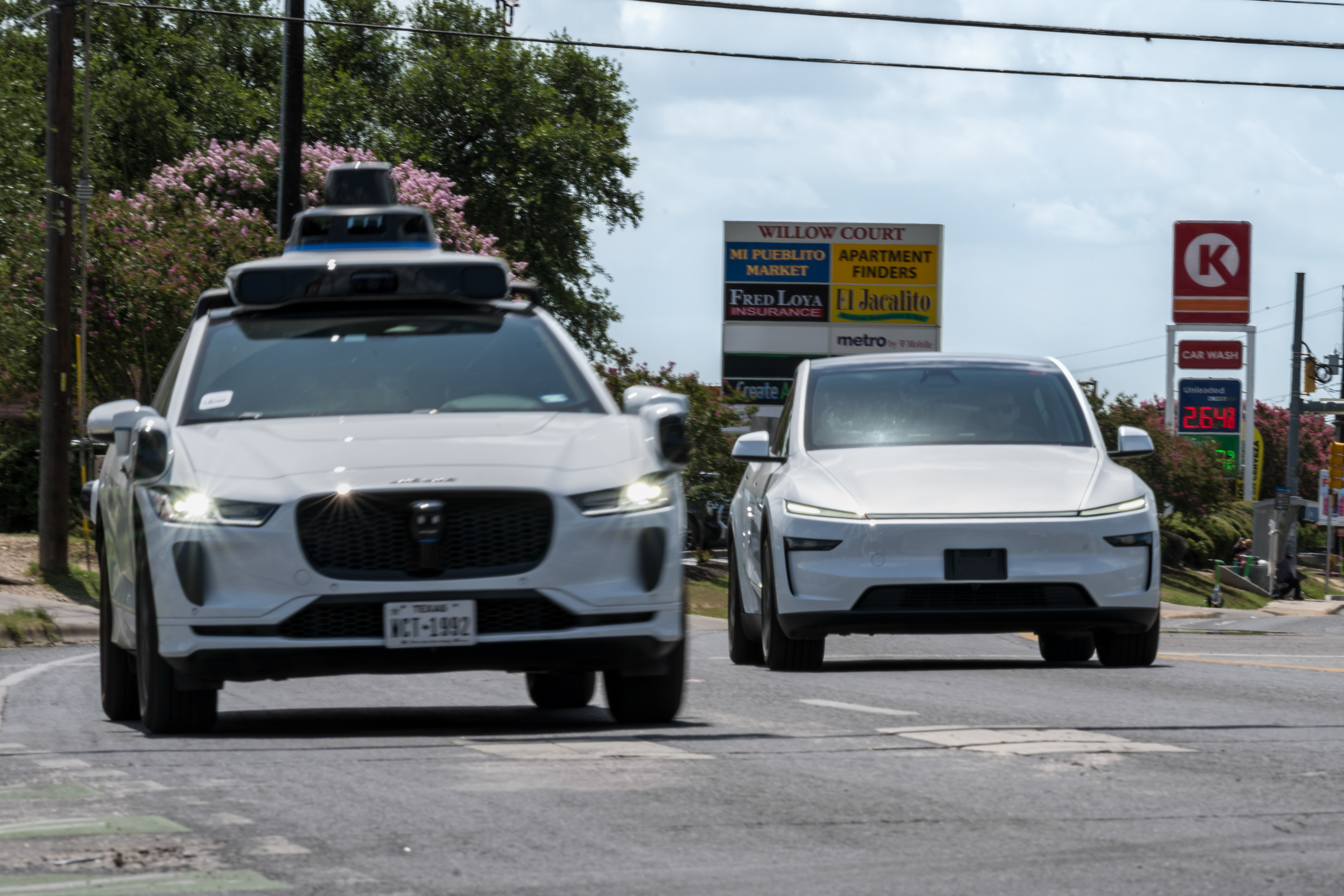
The key moment during the Tesla Inc. robotaxi event Thursday night came when a member of the audience interrupted Chief Executive Elon Musk’s spiel about the benefits of autonomous vehicles. He had just opined about Airbnb-like fleets of money-earning robotaxis that you could care for like a shepherd tends their flock — stirring stuff, this — presaging “a glorious future” when someone shouted: “When will they be available?”
Guys, you were so close. If it wasn’t for that last little bounce of Wall Street optimism on the last day of September, Tesla Inc.’s latest sales figure would have beaten estimates — just.
Gold is what you buy when everything isn’t goldilocks. Inflation, deflation, war, pestilence — gold is a certain anxious state of mind made tangible in a seductive but mostly useless metal. In a weird spin, gold has been enjoying a goldilocks period itself, hitting a new record last week. More that that, it seems almost immune to things that would usually drag it down.
Jay Powell: Federal Reserve Chair, soft-landing pilot … car dealer extraordinaire?
The new thing in electricity is datacenters. The new new thing is … coal?
“Fracking” is an expletive in environmental circles. Yet the spirit of shale is creeping into a business with transformational potential for the energy transition. Schlumberger NV, the industrial giant best known for sucking oil and gas from shale, the seabed (and other places besides), this week announced a breakthrough in direct lithium extraction, or DLE.
The all-in view of Tesla Inc. was summed up in a line from a report this summer by one of the more all-in analysts covering the company: “The car is to Tesla what the video game chip is to Nvidia.
Labor Day weekend, marking the end of the US summer driving season, is typically the year’s last hurrah for gasoline producers. This year, the high-fives were reserved for drivers (and White House occupants): The average pre-long weekend pump price was down 13% from last year after gasoline refining margins collapsed in August. Pump prices have eased further this week.
California wants some insurance against pump prices. But in proposing that oil companies there hold a minimum stockpile of fuels, the state is also, and less obviously, seeking insurance against the complications of its own energy policies. In seeking to kill off gasoline demand but ensure suppliers stay engaged for years to come, the state is confronting one of the central challenges of the energy transition.
Earlier this year, around the time Nvidia Corp.’s market cap eclipsed that of the entire S&P 500 energy sector, I wrote about whether oil and gas stocks might offer a decent hedge when AI-fever breaks. The past several weeks have offered a test.
A fifth of Americans are on the hook for an 833% jump in the cost to ensure the lights stay on. The folks being paid that premium, mostly electricity generators in this instance, face that most welcome of problems: What to do with a windfall.
Tesla Inc. is, according to its promoters — very much including Chief Executive Elon Musk — an artificial intelligence giant trapped in a carmaker’s body. That much was evident from quarterly sales and production numbers, and the market’s reaction to them, on Tuesday morning.
It’s a tough gig portraying the world’s third-richest person as a victim, but Tesla Inc.’s board of directors are giving it a go.The question is whether the company’s institutional shareholders will be intimidated into buying that story at a pivotal vote on June 13.
The US is somehow home to the most valuable electric vehicle producer in the world and, simultaneously, an also-ran in the race for EVs. How did that happen?
Artificial intelligence is shining its aura on one of the most benighted corners of the stock-market. While two AI hardware firms top the S&P 500 leaderboard so far this year — Super Micro Computer Inc. and Nvidia Corp. — a close third is Constellation Energy Corp...
How bad is 2024 going so far for Tesla Inc.? Well, its stock is down more than Boeing Co., making it the worst performer in the S&P 500 Index.
The fervor for all things AI has finally spread to a sector whose own heady start-up phase came about 160 years ago: Pipelines.
Not to say Warren Buffett’s folksy observation this weekend on the US oil business is incorrect, but it gets something awfully incorrect...