Search Results

Bond Investor’s “Bird in Hand”

Investors continue to benefit from two powerful tailwinds: strong stock-market performance and bond yields that remain attractive compared with much of the post-financial-crisis period. Higher yields have improved the income generated by fixed income portfolios and given investors more flexibility to balance income, liquidity, and interest rate risk.
Federal Reserve Chairman’s Views Are Starting to Become Clearer
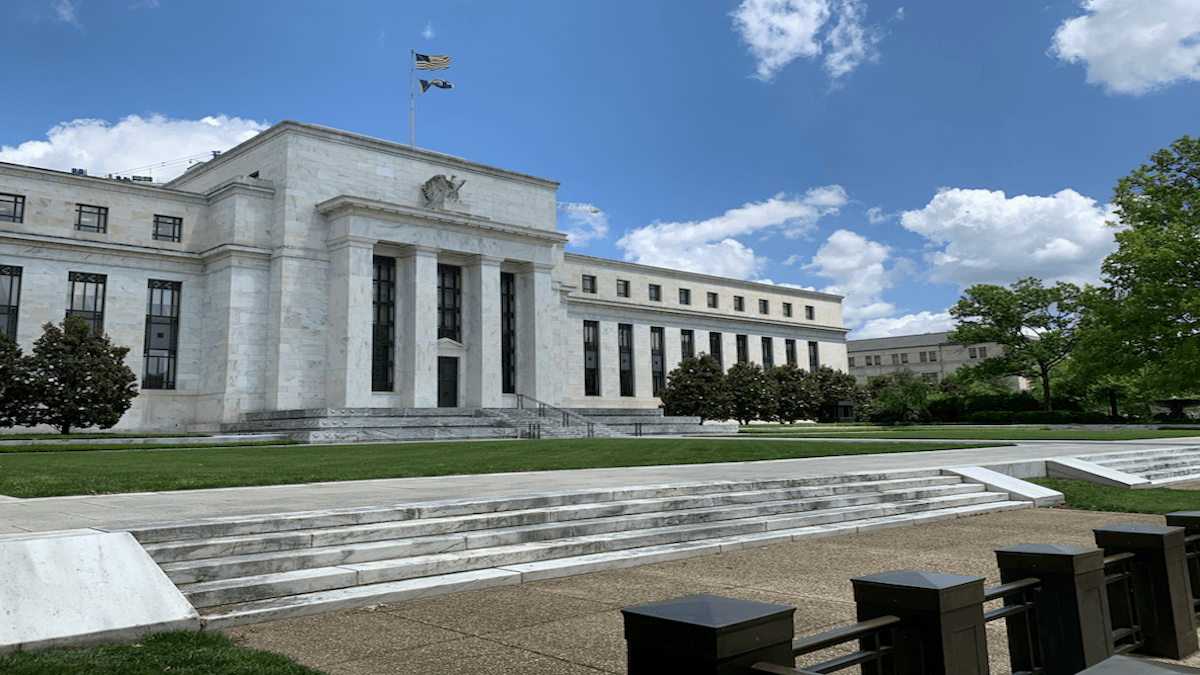
For a Federal Reserve (Fed) chairman committed to reducing noise coming from the institution and/or to changing how the Fed communicates, his first attempt to do so was not very promising. Just after Chair Warsh’s first press conference, we argued that inflation was not a choice, as he suggested during the press conference.
Inflation Data, Early Earnings and Geopolitics Shape the Market Outlook

Financial markets were eventful this week, with key inflation reports, Federal Reserve (Fed) Chair Warsh’s first semiannual testimony to Congress, renewed Middle East tensions, and the start of earnings season all helping shape the narrative.
Controlling Portfolio Structure

Regardless of how inflation is measured or debated, households continue to feel the cumulative effect of higher prices. The cost of goods and services have risen at a high pace over the past several years, and wage growth has not always kept pace evenly across households.
Crude Awakening: The Iran Coflict’s Aftereffects Will Linger Long After it’s Over

Every major geopolitical crisis has two types of effects: those that occur during the crisis itself and those that remain on a long-term basis, perhaps even permanently. The US-Iran conflict is no exception.

Four Themes to Watch as Earnings Season Shifts into Focus

Despite geopolitical headwinds, the broader macro backdrop remained constructive in the first half of the year. Economic growth proved resilient, consumers kept spending and the S&P 500 gained 10%. That favorable mix drove strong earnings growth, with S&P 500 earnings rising 27% year over year in 1Q26, led by the tech sector.
Midterm Elections and Geopolitical Risk Will Drive the Market

As we move through 2026, the political and geopolitical landscapes remain key drivers of policy uncertainty. For the midterm elections, our base case is a Democratic House and Republican Senate, a historically favorable outcome for equities.

Mid-Year Update

The first half of 2026 has provided a considerable amount of news for investors to digest. Notably, equity markets were higher by nearly 10%, oil prices spiked over 50% before retreating nearly back to where they started, there is a new Chair of the Federal Reserve in Kevin Warsh, and AI infrastructure spending surged.
Investing Outlook: Strength, Surprises and the Road Ahead

Today’s market backdrop reflects a tension between expectations and reality. Despite higher oil prices and plenty of geopolitical noise, the US economy remains resilient and durable, supported by steady consumer spending, a labor market finding its footing, ongoing fiscal support and a surge in AI and infrastructure investment.
June Review: Markets Remain Resilient Amid Oil and Inflation Uncertainty
June saw strong market fundamentals once again in conflict with macroeconomic uncertainties, creating a choppy market. While a durable peace plan with Iran is seemingly underway, investors have regarded the negotiations with caution, pricing in potential setbacks.
Markets: What to Watch Midway Through 2026

It’s hard to believe we’re nearing the halfway point of 2026 – and what an eventful start it’s been. Markets have pushed through a geopolitically driven energy shock, rising inflation pressures and accelerating disruption from the artificial intelligence boom.
Fed Conundrum: Are Rates Restrictive?
From our experience participating in Fed meetings, we know that the dot plot has never been universally embraced within the institution. The concern was not that it lacked informational value, but rather that markets interpreted it as a forecast, which was never its intended purpose. Forward guidance is meant to shape expectations and influence behavior, not to serve as a firm prediction of future policy decisions.
U.S. Debt, Interest Rates, and the Opportunity in High-Quality Bonds

The rising debt burden of the U.S. government is becoming an increasingly serious economic concern. While it may not be an immediate crisis, it has the characteristics of a slow-moving domestic pandemic.
How a US-Iran Deal Could Influence the Economy and Financial Markets

The US-Iran conflict – and its impact on oil prices – has dominated headlines over the past three months. Higher oil prices have pushed inflation to a three‑year high, reshaping the Federal Reserve’s rate outlook.
Federal Reserve Press Conference: Lots to Unpack, but Inflation Is Not a Choice

There is a great deal to unpack from this week’s press conference by the new chairman of the Federal Reserve, Kevin Warsh. Most striking is his markedly different approach to Fed communications. This was evident not only in the statement accompanying the federal funds rate decision, but also in the abandonment of forward guidance and his reluctance to provide insight into the committee’s internal deliberations.
Embracing Sustainability May Benefit Business

Green life, sustainable mutual funds, buying local, the “buy nothing” movement, plastic-free living, eco-fashion, electric vehicles. You’ve seen all the headlines about reducing your impact on the planet, but you may be wondering how you can best implement a greener workplace in a way that considers the needs of your business, employees and clients or customers.
Welcome, Chair Warsh
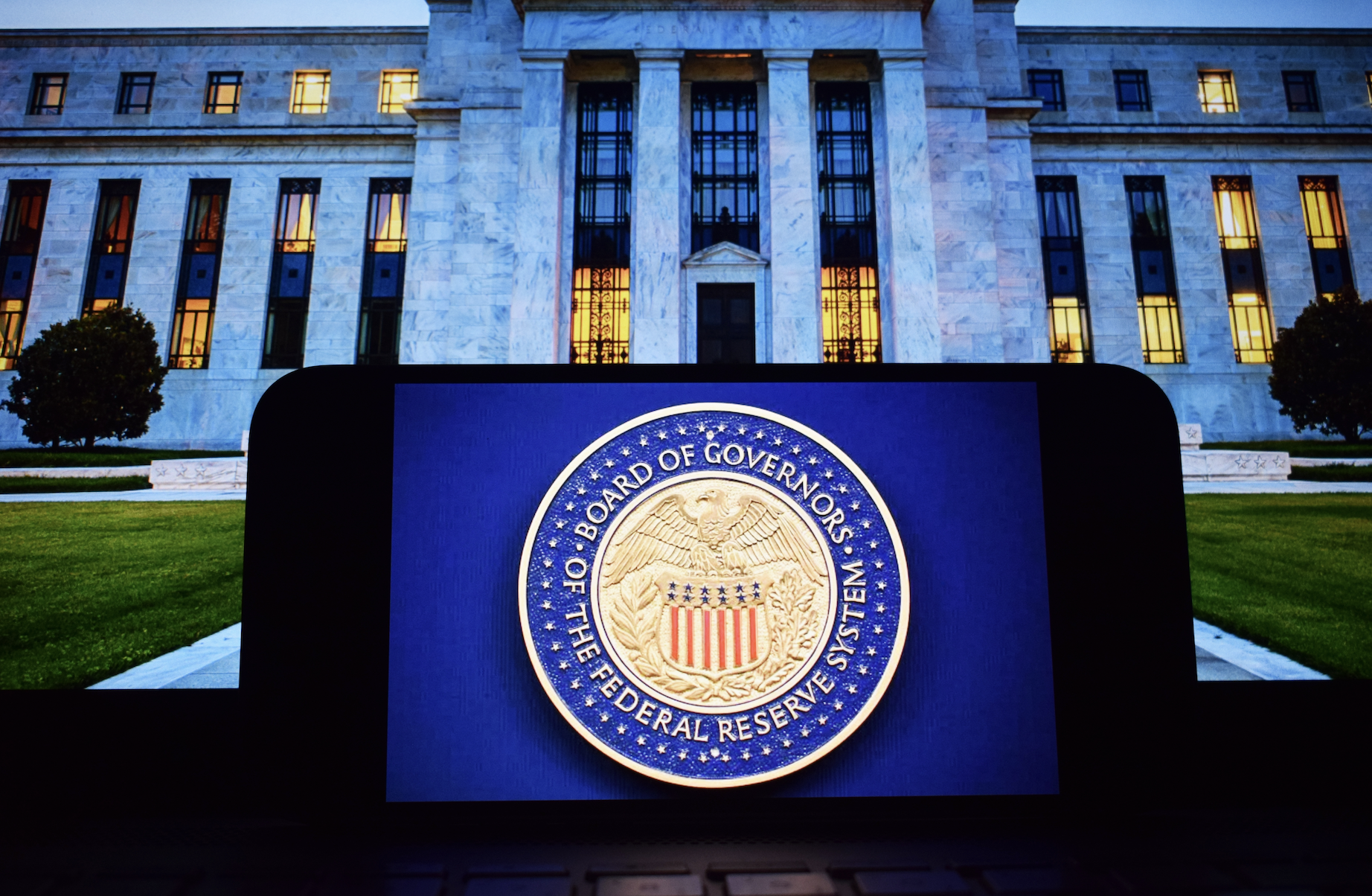
The Federal Open Market Committee (FOMC) meets this week in what will be Kevin Warsh’s first meeting as Chair of the Federal Reserve. President Trump has been vocal about wanting to see lower yields and general consensus is that Warsh was his pick due to Warsh’s general lean towards lower rates.
Warsh’s First FOMC Meeting Will Put Policy and Fed Independence in Focus
New Federal Reserve Chairman Kevin Warsh will preside over his first Federal Open Market Committee (FOMC) meeting on June 16-17, stepping in at a complex moment with inflation at a three-year high as oil prices remain elevated, labor market risks easing with job growth averaging ~140,000 year to date versus only 10,000 last year, and hawkish voices on the Fed gaining traction.
Inflation Sends Mixed Signals: Manageable for the Federal Reserve, Painful for Consumers
This week’s inflation data highlights a growing disconnect between how markets interpret inflation and how consumers experience it. The May Consumer Price Index (CPI) report delivered a nuanced message: While headline inflation accelerated, core inflation remained relatively contained, an outcome that provides some comfort to policymakers.
Concentrated Equity Risk: Is it time to Break your Concentration?

While owning a significant amount of a successful stock can be incredibly lucrative – especially in a company on the rise – the more you own of a single equity, the more closely your personal financial fate is tied to its performance.
A Time to Plan

Investors have enjoyed a favorable run. If the year ended today, it would mark the seventh time in the last nine years that stock portfolios generated double-digit returns. Housing prices remain near historic highs, while bond investors have benefited from elevated yields over the past three years.
Employment and Inflation: Not Supportive of Rate Cuts

Labor market fundamentals have improved meaningfully from last year’s near standstill while inflation has moved higher, driven in part by the Iran conflict and the resulting increase in petroleum and gasoline prices. As a result, Federal Reserve (Fed) officials are likely becoming more concerned about the risk of broader inflation pressures, a theme highlighted in this week’s ISM Manufacturing and Services PMI releases.
Five Ways Today’s Market Cycle Differs From the Dot-Com Era

With tech stocks pushing to new highs on enthusiasm around transformational technologies, the real question isn’t just momentum. It’s whether markets are becoming frothy, even bubble‑like, reminiscent of the dot‑com era. We don’t think so.
A Universe of Potential Opportunity Lies Beyond the Public Markets

As a symbol of economic vibrancy and opportunity, it’s hard to beat the public market. Its storied venues, where everything from butter to trillion-dollar tech companies are bought and sold, are a foundation of the modern world.
Asking the More Appropriate Question

Would I be better off waiting for the Fed to make its move on rates before investing?” “Should I wait to increase duration because a blocked Strait of Hormuz could push oil prices higher and push rates even higher?” “Should I invest in bonds gradually to reduce the risk of missing the rate peak?
Market Focus Shifts From Earnings to Macro Catalysts

Geopolitical risks are still lingering in the background, but the story lately has been all about earnings. A strong 1Q26 season, paired with a steady drumbeat of upbeat management commentary, has helped push the S&P 500 to 21 record highs this year.
Where Did all the Teen Summer Jobs Go?

Ahead of next week’s May employment report, the summer jobs market is coming into focus as teenagers and students finish the school year. According to Challenger, Gray & Christmas, teen hiring from May through July is expected to total just 790,000 jobs this summer, down slightly from 801,000 last summer.
Despite Headwinds, Fundamentals Remain Strong

Despite headwinds from rising oil prices, fundamentals have remained strong. The S&P 500 has notched 18 record highs year to date and, more importantly, surpassed our prior target of 7,250. Following a standout 1Q earnings season, we are raising our 2026 earnings per share (EPS) estimate to $326 from $300.
Housing Market 2026: Frozen, Not Broken

After a slowdown earlier in the year, stronger April and May data support the view that weakness in January and February, followed by a rebound in March, was largely weather-related rather than the start of a broader deterioration in housing demand.
Inflation Persists as the Fed Chair's Term Expires

On Friday, May 15, the 10-year Treasury yield closed at 4.59%, its highest level since February 2025. The 30-year Treasury yield closed near 5.12%, a level last seen in 2007. Those are significant moves because they reflect a repricing of the market’s inflation, growth, and Federal Reserve expectations.
Key Challenges Ahead for New Federal Reserve Leadership

Leadership transitions at the Federal Reserve (Fed) are rare. Only seven individuals have served as Fed chair since the 1970s, underscoring how infrequent turnover is at the Fed’s top job. That rarity is why investors pay close attention when a new chair is appointed, especially when the incoming leader brings a different perspective. Kevin Warsh has been a vocal critic of Fed policy and communication in recent years.
Inflation: Is This Time Different?
Yes, this time is different, but not because inflation itself is unprecedented. What has fundamentally changed is the macroeconomic starting point. Unlike the post-Global Financial Crisis period, when persistent disinflation and repeated downside surprises dominated policy decisions, the economy today is operating in a world where structural disinflation is no longer the default backdrop.
Create an Emotional Foundation

Psychology plays a larger role in our investing lives than many of us care to admit. Often, when investing, we would be better off being a bit more robotic and a bit less human. The reason behind this is often our feelings influence our decisions in ways that are not always to our advantage.
Labor Market on the Mend, Lower Rates on the Fence?

Firms pulled back sharply on hiring last year as policy uncertainty and higher input costs – driven largely by tariffs – forced a reassessment of risk. Nonfarm payroll growth averaged just 9,700 per month in 2025, down dramatically from 121,600 in 2024. That slowdown reflected a familiar corporate response: When uncertainty rises, labor – the largest and most flexible cost – becomes the primary adjustment mechanism. Rather than expand headcount, firms chose to wait.
Five Takeaways From First Quarter Earnings Season

With 82% of market cap having reported, the S&P 500 is on track for 27% year-over-year earnings per share (EPS) growth, the strongest since 4Q21. More than 84% have beaten earnings estimates − the most since 1Q21 − while earnings revisions are up 12%, the fastest pace in four years.
The Market’s Cultural Headwaters

The generational divide is a part of the human condition – and the investor condition. It’s not just that one group has more experience than the other, or that one is more eager to make its own way, but that both groups can learn totally different lessons from the same event.
Start With “Why”: Building a Bond Portfolio That Works for You

Utilizing a portfolio of individual bonds can provide benefits that are difficult to reproduce via other fixed income investment vehicles. The portfolio can be completely customized to the specifications of an investor, providing a solution that aligns long-term financial goals with personal preferences. Product choice, issuer selection, cash flow, maturity, tax considerations, and credit quality, can all be customized.
Strong Fundamentals Poised to Offset Oil Price Headwinds
While oil prices are likely to remain elevated in the near term, we do not view the current disruption as a lasting supply shock. A diplomatic resolution, or even progress toward one, should help bring prices lower by year-end. Although higher oil prices are a headwind, we believe both the economy and equity markets can absorb the impact with limited damage, as underlying fundamentals remain strong.
Wars, Markets and Economic Growth

Despite repeated wars, equity markets have delivered strong long-term returns, and in some stretches, market performance appears to have coincided with wartime episodes rather neatly. Viewed through the lens of financial markets, the implication seems almost intuitive: wars have not been bad for investors and may even have been supportive.
April Review: Markets Advance Through Global Volatility

April showed us just how sensitive markets can be to a small number of powerful forces: energy prices, inflation and geopolitical risk. The conflict in the Middle East dominated headlines, with a ceasefire helping to steady markets even as energy prices remained elevated.
Kevin Warsh
On Friday, the Department of Justice announced it was dropping its investigation of the current Federal Reserve Chair Jerome Powell. Senator Thom Tillis was effectively blocking the nomination process from moving forward while the Department of Justice investigation of Powell was ongoing.
Fed Chair Confirmation Hearing: A Lot of Noise, Few New Signals
Congressional confirmation hearings tend to generate far more noise than signal, and this one was no exception. Between politicians posturing for the cameras in hopes of becoming their party’s next rising star, and nominees exercising extreme caution to avoid missteps under oath, these hearings rarely produce actionable insights.
Critical Updates Could Provide Near-Term Market Insights

The index is on the verge of doubling for the first time in this bull market – currently up ~99% – a move that would take just under 3.5 years, slightly faster than the historical average of 3.9 years. While all sectors are in positive territory over this period, leadership has been narrow with only three – technology, communication services and industrials – posting gains above 100%.
A Pivotal Time for the Federal Reserve
New Federal Reserve (Fed) chairs don’t come along often. Since 1980, only five individuals have led the Fed: Jerome Powell is currently in his second term, Janet Yellen served one term and Alan Greenspan famously held the role for more than 18 years.
Interest Rates, Inflation, and Growth

The U.S. market story this year has been a tug-of-war between sticky inflation, slower growth, and resilient risk appetite. For fixed-income investors, that mix has produced more narrative movement than the 10-year Treasury itself.

Why Do Consumers Feel Worse in a Strong Economy?

Headline economic indicators remain resilient as gross domestic product (GDP) continues to expand, the unemployment rate remains low and wage growth has held up better than expected. However, these figures reflect averages, not the lived experience of households.












