This reflective column explores five key life lessons learned over my last year, emphasizing the importance of health, strong family relationships, and giving back to the community. These insights are used to offer financial advisors specific ways to engage clients beyond just investments, by focusing on passions, supporting family goals, and preparing for life's unexpected crises.
The result is the first sustained selloff for the group since April, with the Nasdaq 100 leading the broader market lower as investors ditch tech winners in favor of more defensive stocks. One of the beneficiaries: companies with juicy dividend payments.
The growing list of US credit busts, from subprime auto lender Tricolor Holdings to Broadband Telecom Inc., raises a troubling question: If such “cockroaches” proliferate — if many more enterprises collapse under the weight of excessive debt — who will ultimately bear the losses?
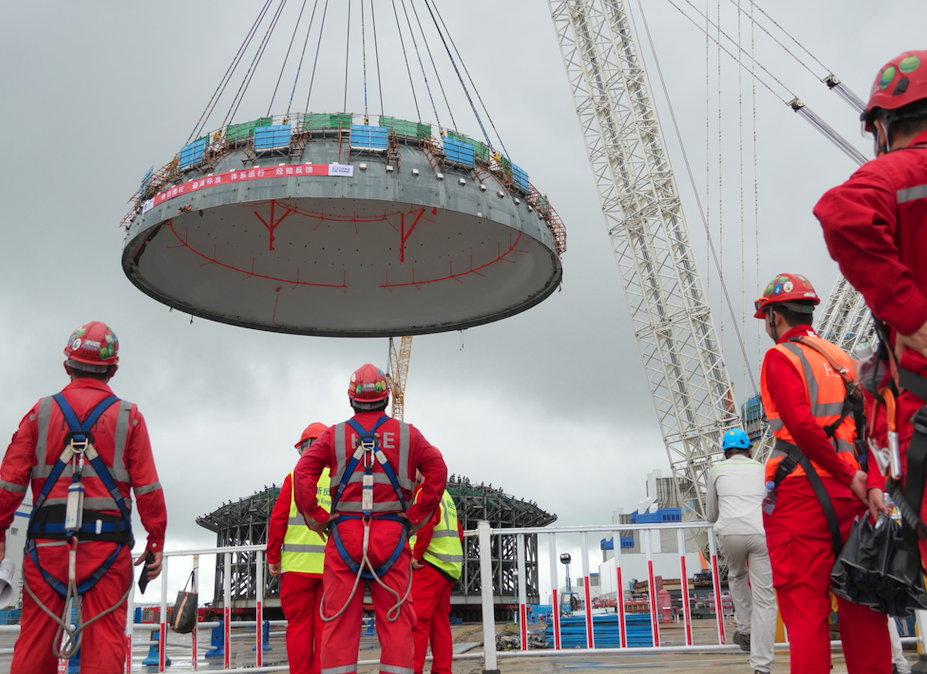
Thirty-three nations, including new signatories Senegal and Rwanda, have now committed to a global pledge to triple nuclear power capacity by 2050. The World Nuclear Association suggests this ambitious target of installing about 1,200 gigawatts is achievable if governments fully implement their promises. However, other forecasts indicate meeting this goal will be challenging given current capacity projections.
Famed investor Michael Burry, popularized by The Big Short, is sparking new conversations after his firm decided to return outside capital. Recently bearish on the AI investment boom, Burry's Scion Asset Management purchased put options against major AI players like Nvidia and Palantir in the third quarter.
Wall Street will get a sense of where the billions of dollars being spent on artificial intelligence are going when Nvidia Corp. reports its earnings after the bell on Wednesday. How the sinking stock market will react is another question.
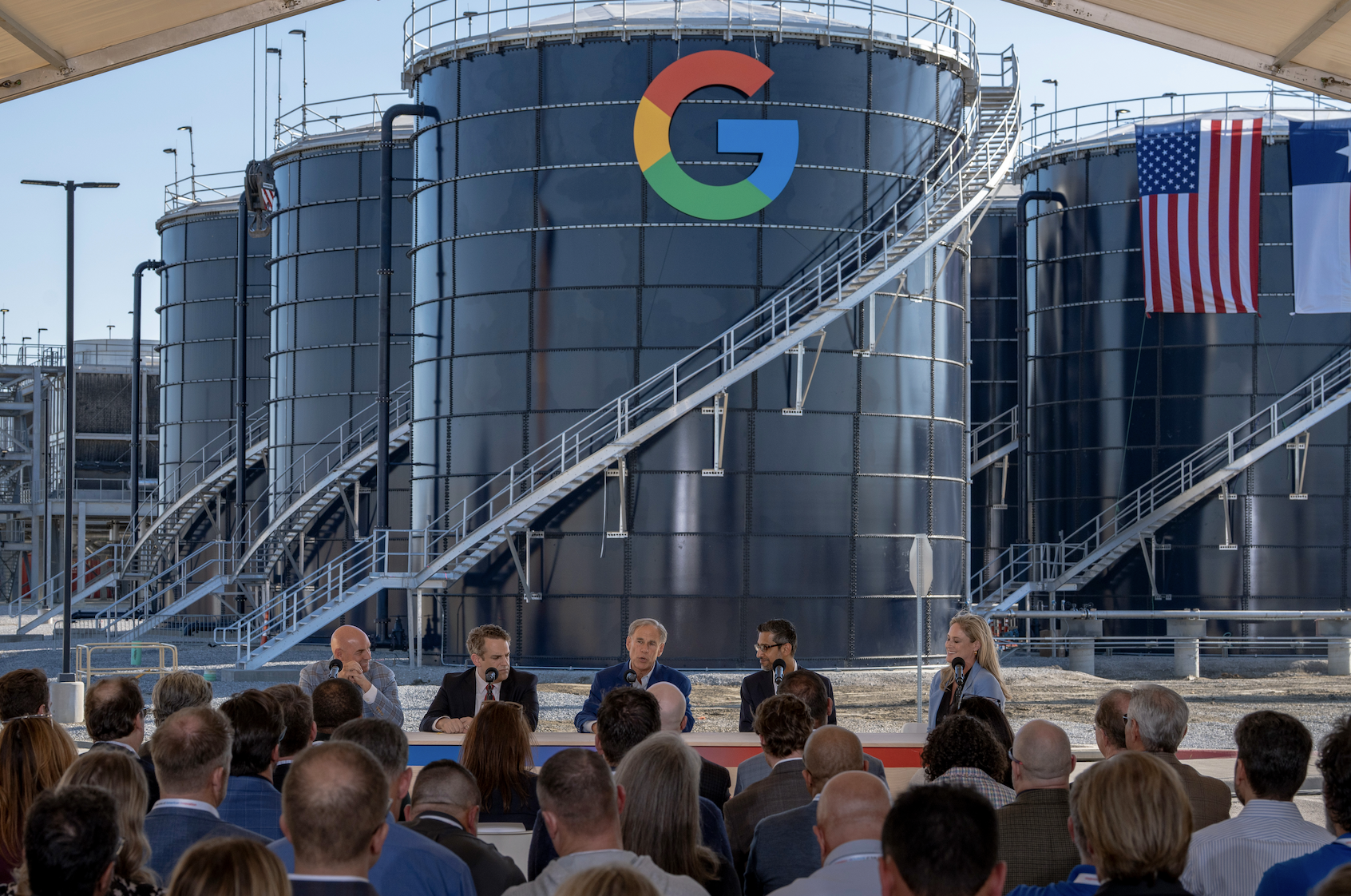
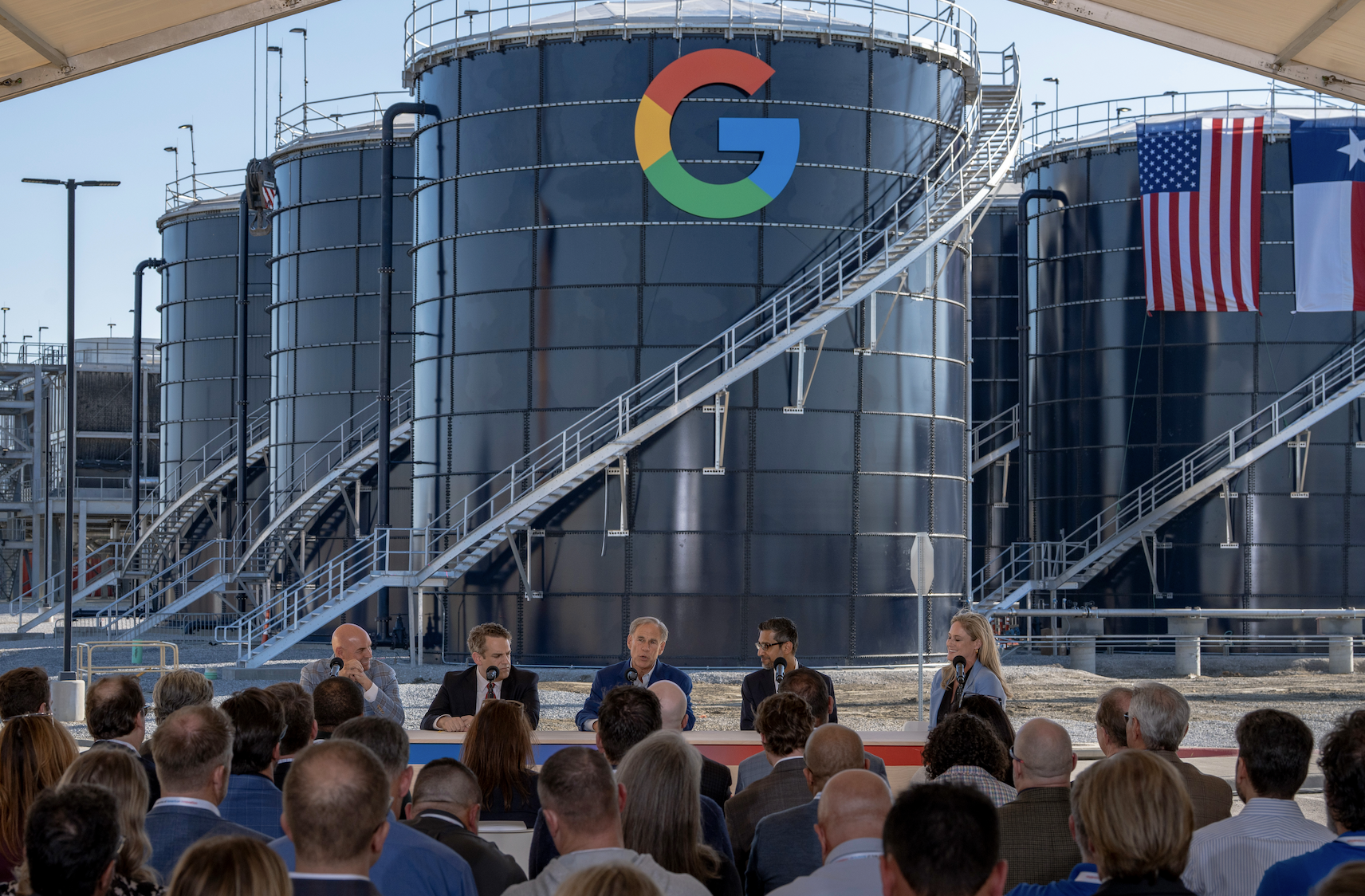
Alphabet Inc.’s Google plans to invest $40 billion in three new Texas data centers, part of an effort to add artificial intelligence computing power in a state that’s also drawn multibillion investments from competitors such as OpenAI and Anthropic PBC.
The SEC has granted Dimensional Fund Advisors approval to adopt the dual share class fund structure, previously used exclusively by Vanguard to save investors billions in taxes. This decision, following the expiration of Vanguard's patent, marks a watershed moment for the $13 trillion US ETF industry and sets the stage for a wave of similar approvals for dozens of other money managers.
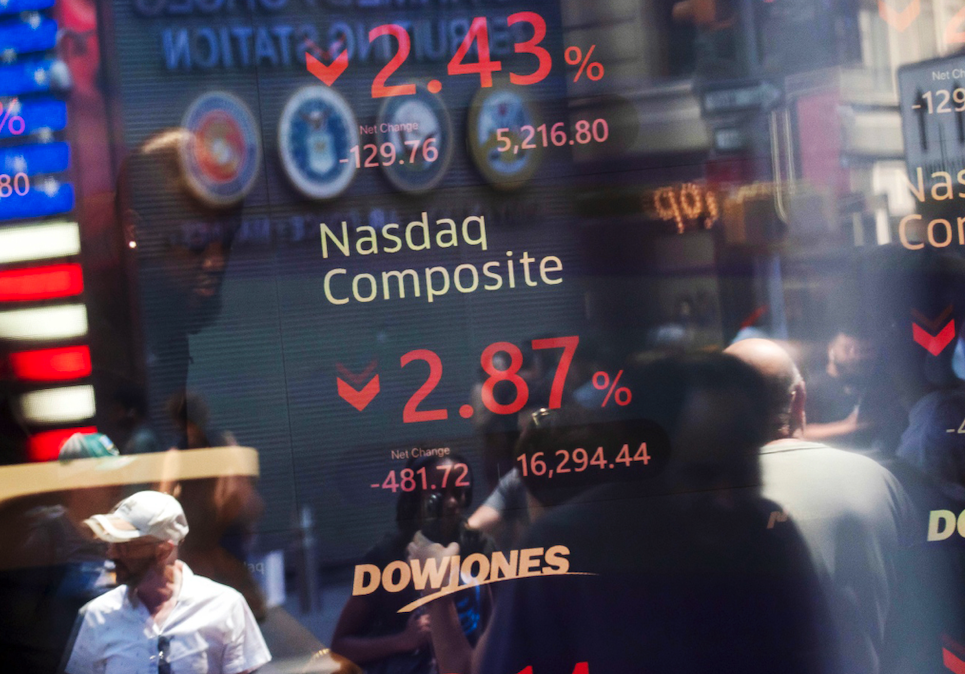
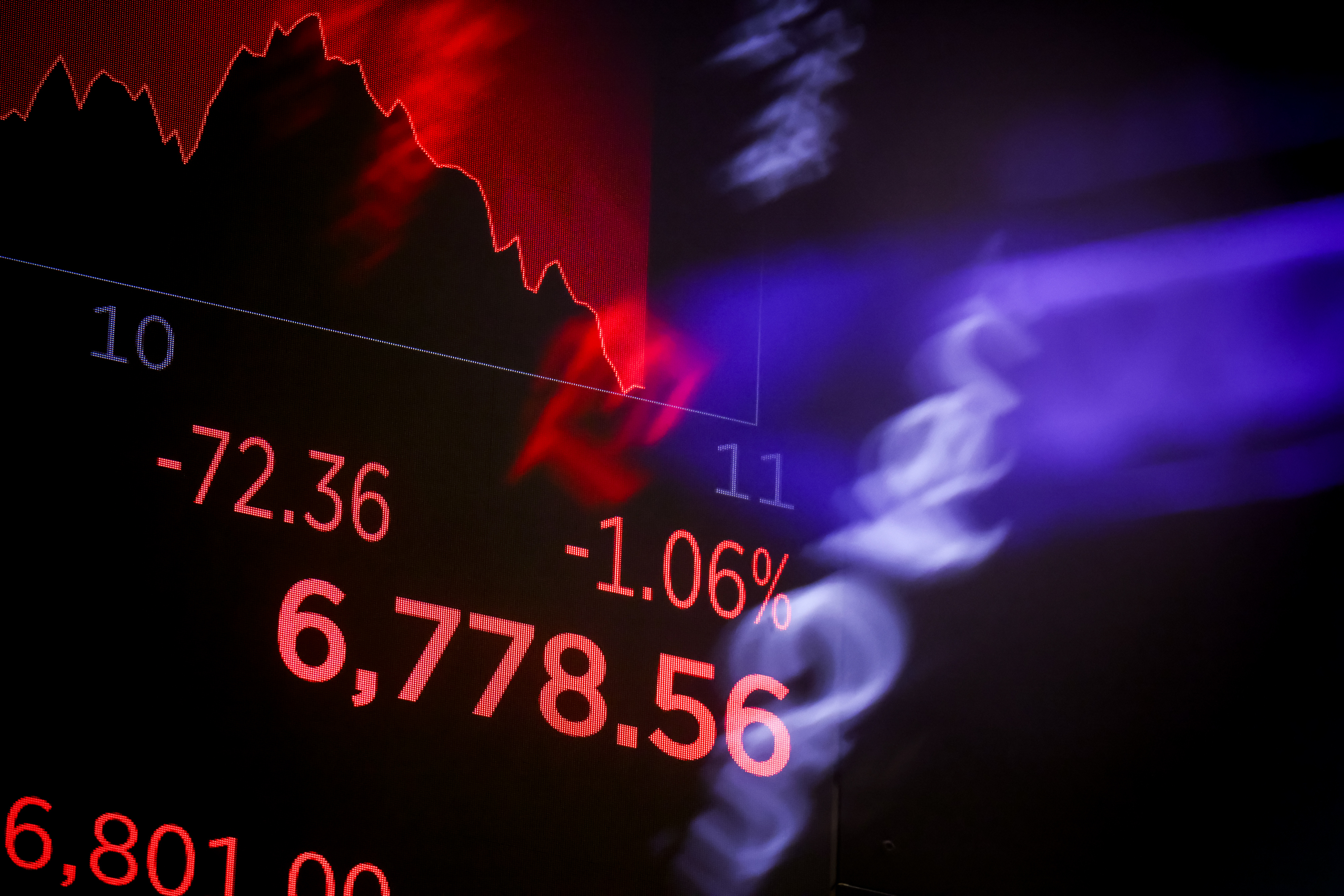
US stocks sank, putting the S&P 500 Index on track for its longest slide since August, as a six-month rally shows signs of cracking following a $1.2 trillion selloff in cryptocurrencies and amid fears around stretched artificial-intelligence valuations.
Health savings accounts (HSAs) are increasingly being considered by individuals looking to offset healthcare costs, which are set to rise significantly in 2026. But some HSAs also offer investment options that can simultaneously help savers grow their retirement income, financial experts share.
Fed policy — not free markets — now plays a crucial role in forecasting how today’s speculative excesses might return to their normal levels. Will it be a pop, a slow leak, or will the Fed keep bubbles afloat at any cost?
Most of us think of paying for something as a simple transaction. You hand over the money, take the receipt, and move on. But what if the act of paying itself — how, when, and even whether we pay — carries hidden meaning about our relationships with money and the people we pay?
The boom in artificial-intelligence investment is undoubtedly boosting both the US stock market and the broader economy right now. But what about the longer term? Will AI be a big net positive, delivering prosperity and solving the nation’s fiscal problems?
There is a frenetic, sweaty-palm feel to the US economy lately. Markets are looking frothy and consumers are anxious, and meanwhile the gambling and stock markets are converging as people bet on all sorts of strange assets and events.
To invest or not to invest in alternatives; that is the question for anyone involved in the business of retirement planning. FAs can help clients navigate the brave new world of customized alternatives, but this is easier said than done.
The best advisors play a critical role in educating and advising investors at the beginning of the relationship, staying connected as markets change, and coaching when emotions can lead to rash decision-making.
The “EM-ification” of developed markets has rewritten the investment playbook. Emerging markets are not the weak link in global equities — they may in fact be the stronger foundation. For long-term investors, it is time to reassess.
JPMorgan Chase & Co.’s decision to let managers use artificial intelligence to help write performance reviews stands to bring relief to one of bosses’ most dreaded annual tasks. It also raises questions as to whether bot-written reviews will make the process better or worse, especially for employees seeking meaningful feedback.
A small circle of investment consultants played a central role in the multi-trillion-dollar push into private markets, steering US pension funds toward private equity, real estate and hedge funds, according to a new study.
The artificial-intelligence boom is raging, fueled by a mad dash to add computing capacity. Tech giants are funneling billions of dollars to construction companies and industrial suppliers of equipment and power to build the vast data centers that the technology requires.
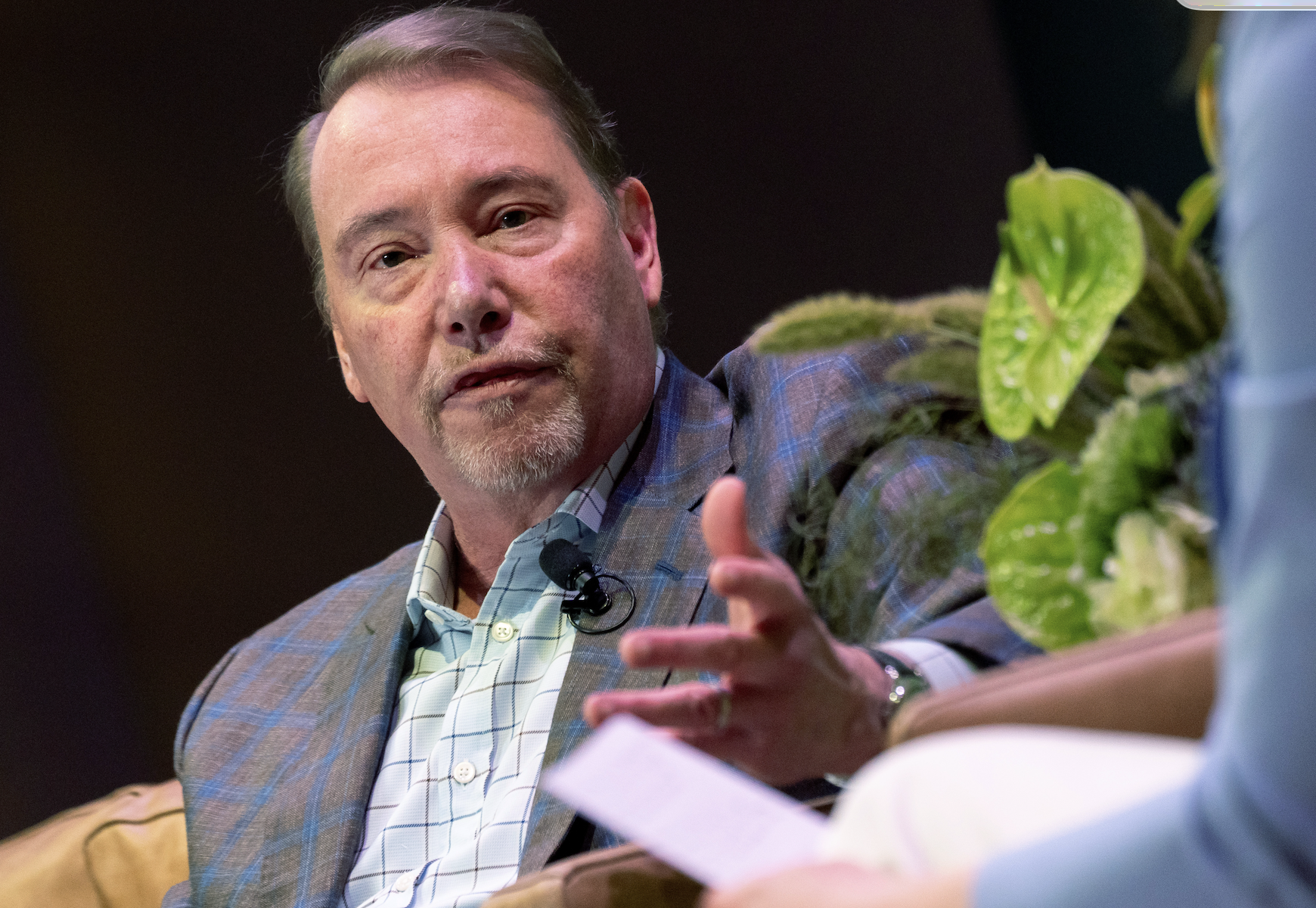
In markets awash in “garbage lending” and unhealthy valuations, Jeffrey Gundlach is keeping his strategy simple: load up on cash and stay away from private credit.
Bankruptcies are a routine event for companies relying on large amounts of high-yield debt for their capital. Investors reserve much of the high income they receive in good times for the inevitable losses in bad times.
Bitcoin fell below $95,000 for the first time in about six months as a bout of risk aversion sweeping across markets saw investors pull nearly $900 million from funds investing in the token.
Mike Wilson was uneasy, just as he likes it. It was April, and President Donald Trump’s trade war had roiled financial markets, making Morgan Stanley’s chief US equity strategist a sought-after TV guest.
Blackstone Inc. has appointed former Morgan Stanley rainmaker Franck Petitgas to a top role in Europe as it prepares to invest $500 billion there over the next 10 years.
Imagine I get extremely rich like Michael Burry on a contrarian short position. I’d immediately cash in my chips (but I wouldn’t tell anyone I was “semi-retiring” from the game).
Berkshire Hathaway Inc. sold ¥210.1 billion ($1.4 billion) of yen-denominated bonds on Friday at a spread which was lower compared with its previous deal as global investors flock to Japan.
China’s collapsing investment is as unprecedented as it is hard to explain. A plunge estimated at more than 11% in October from a year earlier was the worst single-month performance since the initial Covid lockdowns at the start of 2020, official data showed on Friday.
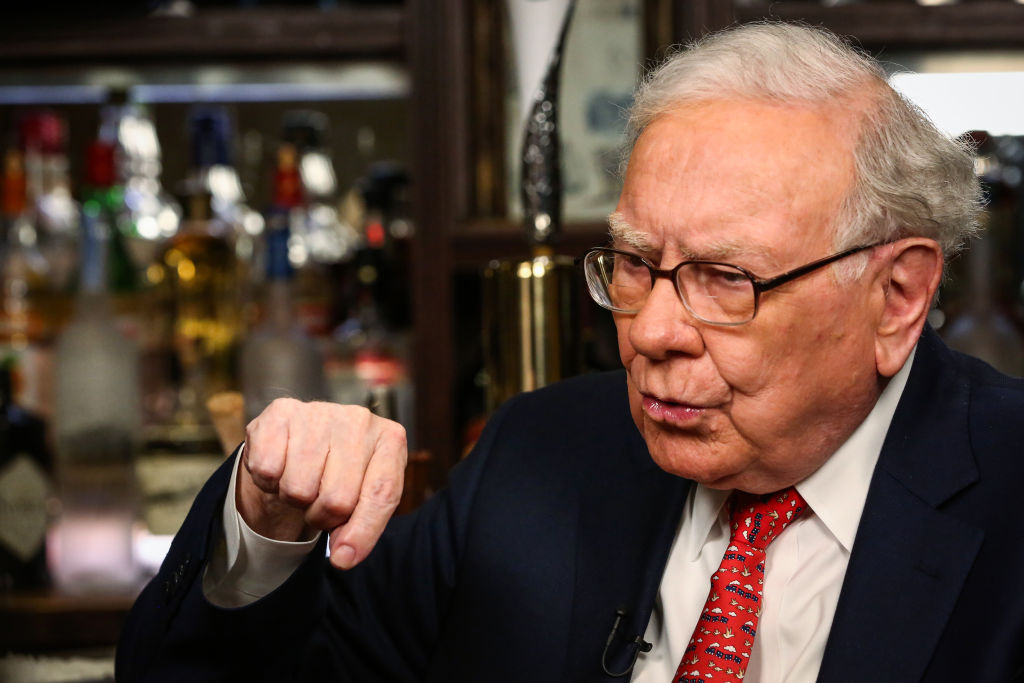
There’s one thing Warren Buffett seems to credit for his success more than anything else: luck. He’s says he’s lucky to have spent most of his life in Omaha, raising a family and building a business smack in the middle of the country.
Investors are pouring money into active ETFs, but a closer look reveals a migration of assets into the wrapper instead of a resurgence in alpha-chasing bets.
US equities dropped at the open, poised to snap a four-session winning streak, as investors continue to grapple with a lack of US economic data despite the end of the government shutdown.
Despite these successes, many finance executives struggle to quantify the actual return on AI, as the required spending on development, data clean-up, and rigorous testing is immense and mostly paid upfront.
Nashville’s airport authority plans to sell $1.3 billion of debt in January to meet unprecedented growth — an offering that also bodes well for the broader market to see large deals next year.
Stocks in the US seem unstoppable but investors shouldn’t be complacent because there are a number of markers suggesting the rally is more fragile than it seems.
As a debt-fueled AI investment boom takes off, especially in cloud and data centers, many are worried that a tech bubble is forming in the global economy.
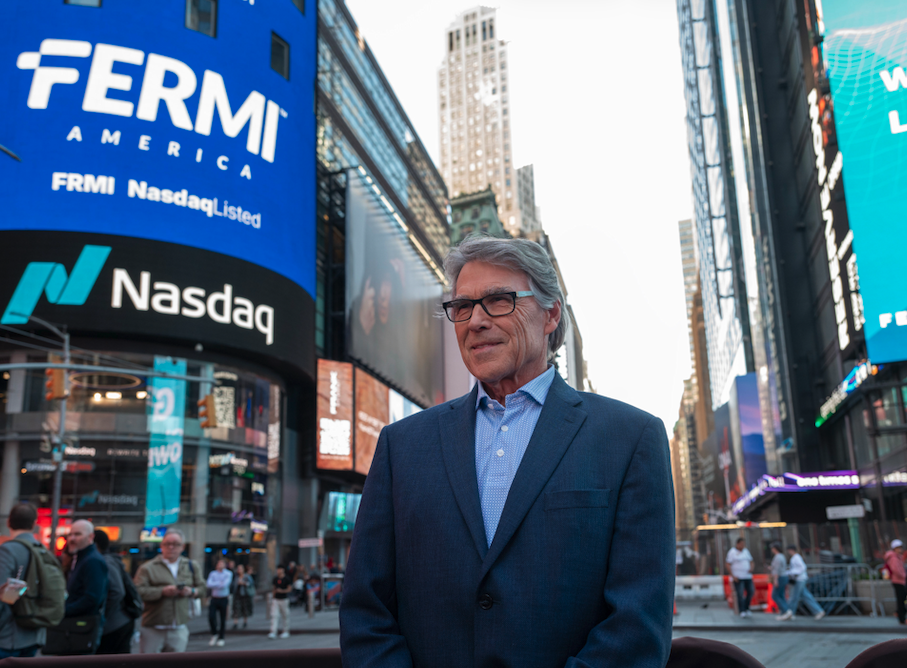
US efforts to develop artificial intelligence systems and the nuclear-energy infrastructure needed to power them are comparable to the World War II initiative to build the first atomic bomb, according to Fermi Inc., a power-plant developer planning a massive data-center campus in Texas.
Investors are increasingly viewing bonds from large corporations like Microsoft and Siemens as safer than the sovereign debt of their home governments, a conclusion driven by a sharp contrast in fiscal management.
Publishing in the right places helps you showcase your expertise, demonstrate your authority, and differentiate yourself from other advisors. Here are a few of our best tips for getting published and growing your visibility in front of the right audiences.
Part of growing into a lead advisor role is learning how to coach and develop team members. It involves showing respect and gaining support through influence. Moving from peer to leader is not an easy transition for most people to make.
Audio deepfakes—convincing, AI-generated voices created from minimal sound bites—are emerging as a significant threat to the wealth management industry by allowing criminals to impersonate clients and authorize fraudulent high-value transactions.
Company executives are sounding remarkably upbeat about the economy this earnings season, even as trade tensions linger and stock valuations look stretched.
For decades, these institutional allocators took roughly the same approach to managing the vast piles of cash under their control: They diversified by divvying up the money across asset classes — for example 40% in stocks, 40% bonds and 20% alternatives — then stuck with it by rebalancing now and again when things got out of whack.
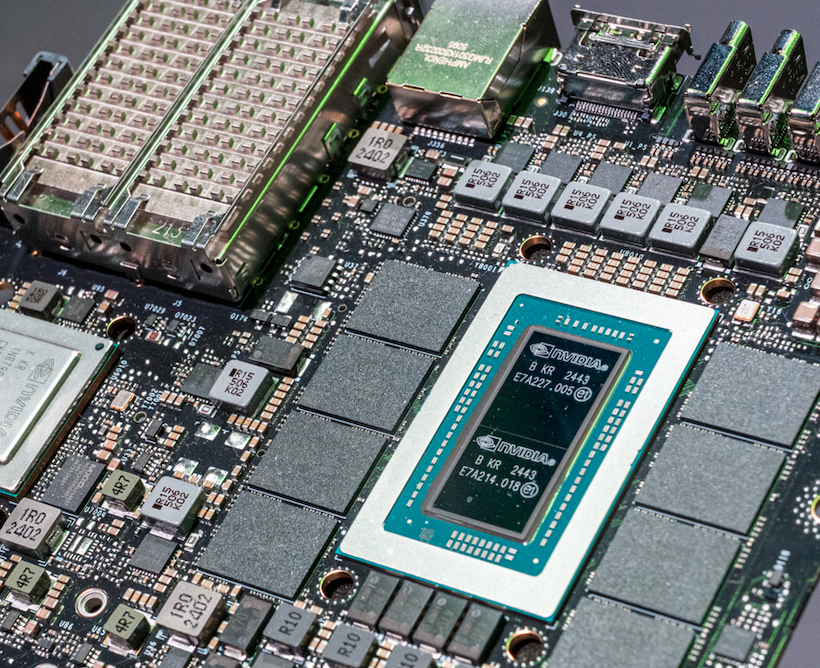
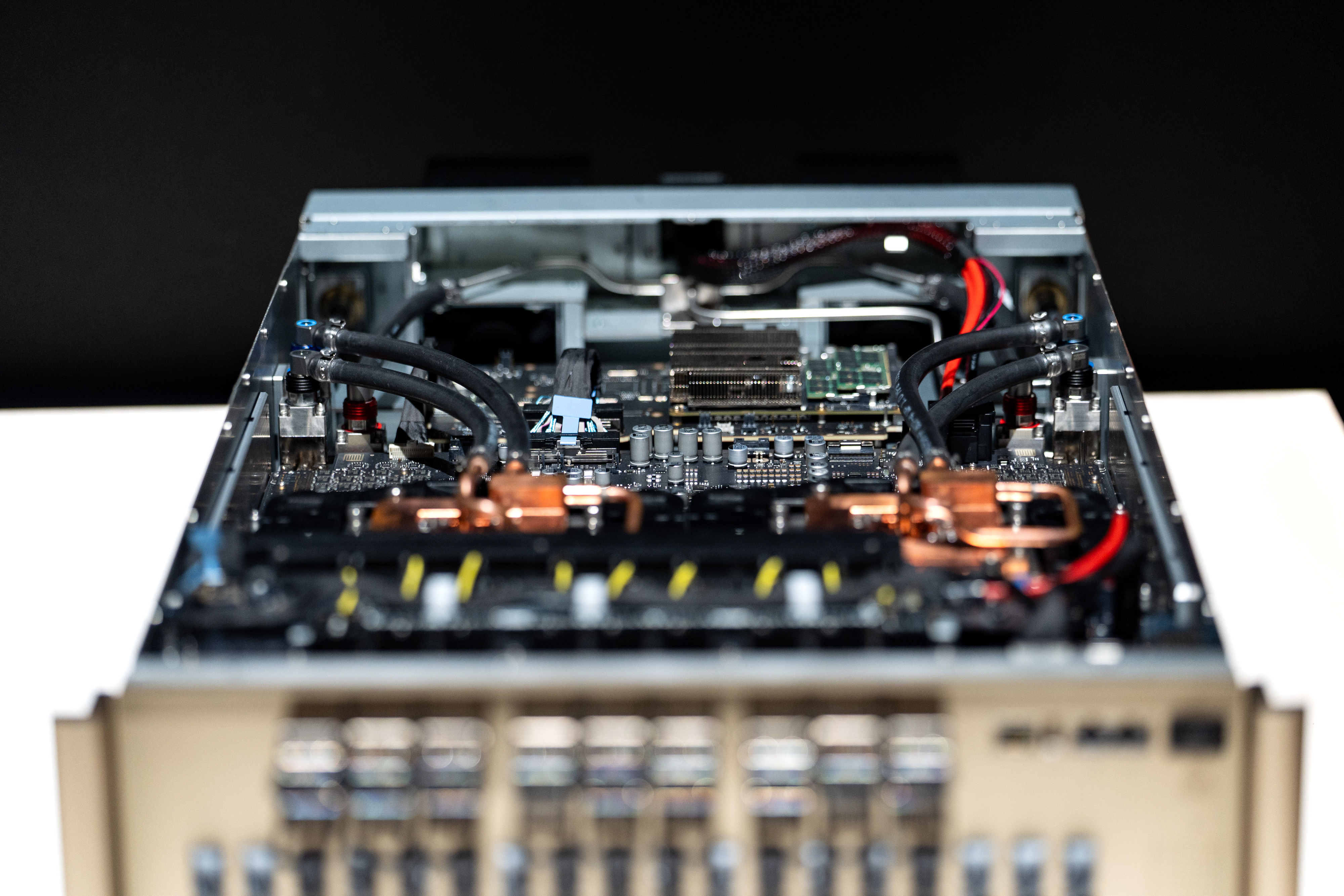
Costing tens of thousands of dollars each, Nvidia Corp.’s pioneering AI chips make up a hefty chunk of the $400 billion that Big Tech plans to invest this year — a bill expected to hit $3 trillion by 2029.
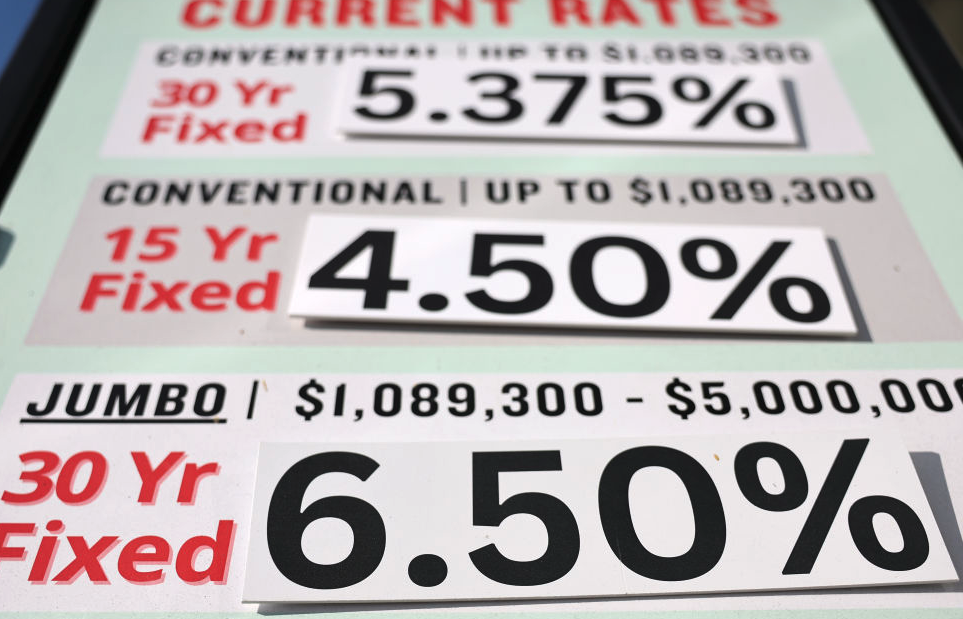
First, it would mean lower monthly payments, unless interest rates rise a lot. Yes, buyers who stay in their home for 50 years and pay off their mortgage over that time will pay much more in interest than they would have with a 30-year mortgage.
he dollar is regaining its crown as one of the world’s most appealing assets, defying talk of a “Sell America” trade that had raised troubling questions about the outlook for the global reserve currency.
In anticipation, Nasdaq is looking to add not only in the exchange-traded product group in the coming weeks, but also in the legal and compliance side, according to Giang Bui, head of US equities and exchange-traded products. The exchange hired Kristian D’Agostino as senior director of ETFs last week.
The thesis is simple. Apple will benefit as it taps other companies’ models to deliver AI features to its millions of customers while avoiding much of the heavy spending required to develop its own capabilities, which is what many of its megacap peers are doing.
SoftBank Group Corp. sold its entire stake in Nvidia Corp. for $5.83 billion to help bankroll AI investments, even as investors question the amount of capital pouring into a technology with uncertain returns.
Getting rid of property taxes is a terrible idea. They are among the most economically efficient of taxes, meaning they don’t weigh on economic growth in the way that other taxes can.