The summer has once again brought a miasma of wildfire smoke across wide stretches of the nation, leading to hazy views and slower activity. The clouds in our outlook are not merely atmospheric. A failed ceasefire and renewed conflict in the Middle East have created new reasons to worry about economic performance.
Lock, stock and barrel, a British phrase, originally referred to the three essential components of a firearm. Over time, it evolved into shorthand for the whole package. When tensions flare in the Middle East, the global economy often feels the consequences lock, stock and barrel.
The measurement of inflation has been getting a lot of attention lately. Some modifications are underway, with more potentially to follow.
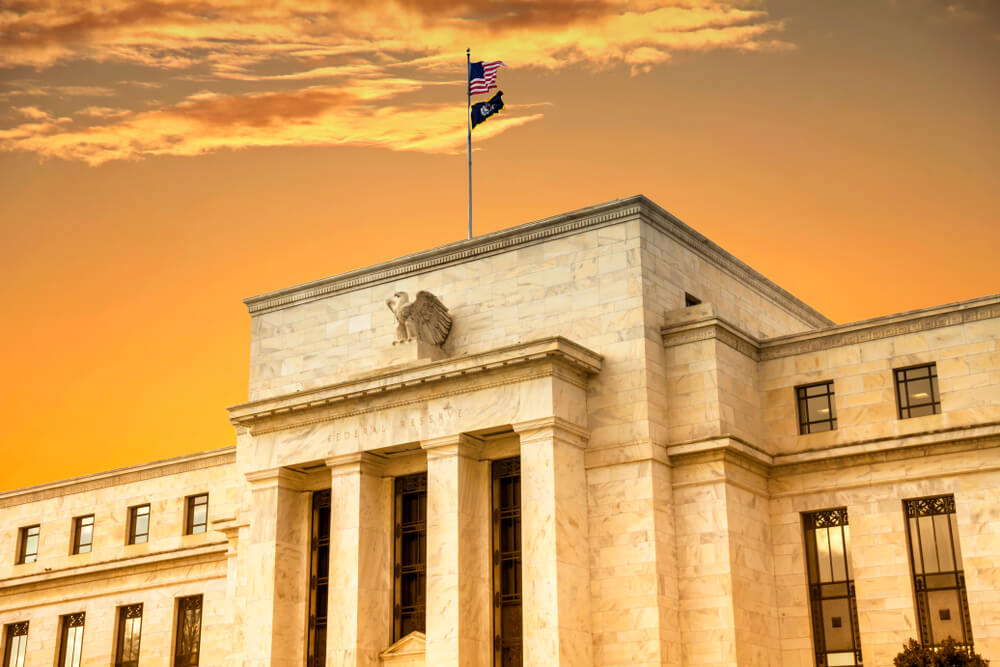
Former Fed Chair Alan Greenspan’s passing has brought a stream of retrospectives on his approaches to managing the economy. He erred on the side of parsimony, favoring short public statements. Greenspan’s vague communication style offered little clarity over the future path of interest rates.
While the Middle East is still far from calm, it does appear the worst of the volatility in the region is in the past. The U.S.-Iran ceasefire is in place, with negotiations underway for a more durable peace.
Circumstances since 2020 have repeatedly demonstrated how adaptable the economy is in the face of new challenges. We see no reason for that resilience to fade in the balance of the year.
At graduation ceremonies, audiences are often reminded to limit their audible reactions and hold applause, so that all graduates’ names can be heard. But a few viral videos this year showed a new disturbance to be managed: graduating students booing speakers if they extolled the virtues of artificial intelligence (AI).
Tariff rates will vary, but their persistence is certain.
This week marked the passing of former Massachusetts Congressman Barney Frank. His signature legislation, the Dodd-Frank Act of 2010, was the most recent increment in a long-running history of tighter financial regulation. Some of those rules are now coming under scrutiny, with the goal of making bank lending more competitive.
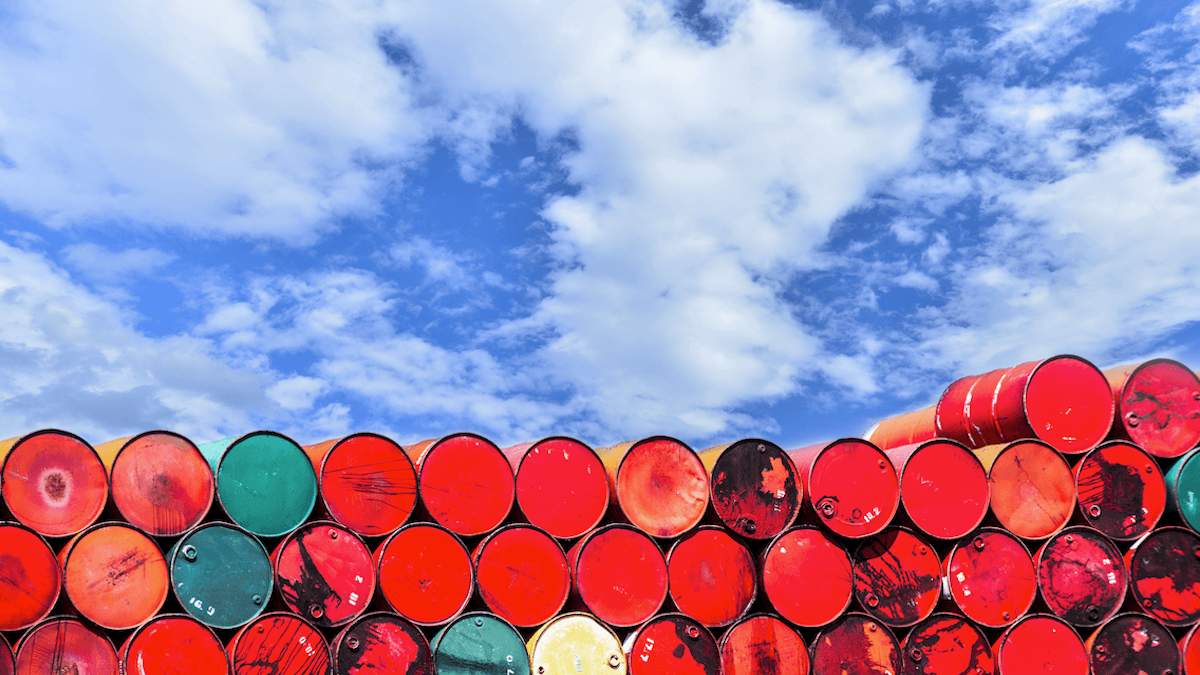
Nineteenth-century oil processing plants used simple, column distillation of crude oil to produce kerosene, which was in high demand for lighting lamps. The process also yielded a dangerously flammable byproduct called gasoline which had no obvious use.
A tariff is a tax on the value of an imported good, paid by the importer at the time the good is taken from an entry port. The tariff is absorbed in some combination of price concessions by the exporter, lower margins for the importer or higher final prices.
Students of game theory often start with a lesson in the prisoner’s dilemma: two agents would gain a better collective outcome by cooperating, but each has an individual incentive to take action that is at their partner’s expense.
Automotive enthusiasts have coined the phrase malaise era to describe U.S. vehicles made from roughly 1973 to the early 1980s. New emissions and safety standards, plus high gasoline prices following the 1973 oil crisis, permanently reshaped the market.
Global risks have tilted against both growth and price stability. The ceasefire in the Middle East has brought a measure of calm to financial markets, but it has not resolved the underlying economic shock. With the Strait of Hormuz effectively shut, supply constraints continue to ripple through energy markets and are increasingly spilling over into downstream sectors.
One of the most important decisions anyone will make in their lives is whether, and whom, to marry. A well-chosen partnership can lead to a happy steady state and help to weather downturns. But even the best long term partnerships can have their ups and downs. For currencies that are wedded to the U.S. dollar, the war in Iran has put some stress into their relationships.
Every employee has heard calls to be more efficient: “Work smarter, not harder.” “Do more with less.” “Don't reinvent the wheel.” These platitudes are not only applicable at the micro level: the modern economy has continually become more efficient. Our use of energy tells the story clearly, and serves as a source of resilience during today’s supply disruptions.
Over the past several years, those patterns have been changing. The evolving flows of both tourists and emigrees will have important economic effects.
Rationally, no one should feel happy about an income tax refund. The refund is a correction of a tax overpayment; the recipient effectively gave the government an interest-free loan over the course of the prior year.
The Iran conflict has changed the paths for inflation and central bank actions.
While agricultural best practices have moved on to other resources, the Guano Wars teach us that nations are willing to go to great lengths to sustain their crops.
“Smoke on the Water, Fire in the Sky,” the iconic Deep Purple refrain, endures because it captures a familiar dynamic: threats appear on the horizon before the heat arrives.
Kitty Hawk, North Carolina is known as the birthplace of aviation. Success did not come overnight. The Wright Brothers spent three years on the Outer Banks experimenting. While they ultimately took flight, the potential downsides of their endeavor were of constant concern.
Last week’s Supreme Court ruling has prompted a re-set of U.S. tariff policy. As an updated strategy is being formulated, it is worth assessing whether the effort is worth sustaining. A high level review suggests that American trade policy over the last year has detracted from economic performance, and should be re-thought.
The year got off to a cold start in the U.S., with many regions experiencing unusually freezing temperatures and precipitation. February has brought relief in both the weather and in economic reports.
Routine physical checkups are an important component of healthcare. A doctor can identify potential problems and coach the patient toward making healthier choices.
Browsing real-estate listings is a popular hobby. Home data portals provide hours of free entertainment. Some listings feature bizarre or ostentatious decoration; some are time capsules, preserving a bygone era. Most entries share one shocking feature: the price.
Prices in efficient markets will rapidly adjust to reflect new risks and developments. The year has started with a flurry of geopolitical events, which have created significant volatility in the markets for currencies and commodities.
Affordability and the cost of living have become frequent topics of conversation. Costs rose, but incomes did not immediately keep pace. The rate of inflation has moderated, but consumers remain sensitive to high prices, worried they are falling behind.
New 25% tariffs will be placed on a small set of advanced semiconductors. The list of exemptions was long, allowing free imports of chips bound for data centers, research, startups and the public sector. The new tariff does not apply to finished products that use these chips, like laptops and smartphones.
Long trips rarely end at the airport. We arrive, but our internal clocks lag behind; the first day back is spent acclimating to the new landscape. The global economy enters 2026 in much the same way. Shifting rules of commerce, political stoppages and patchy data have left decision makers disoriented.
Taking time away due to illness is never ideal. Upon return to school or work, we are greeted with all the tasks we did not complete while incapacitated. The recovery may feel worse than the disease.
Defaults among auto loans are noteworthy because these had been seen as a safe form of lending. Living without a car is impossible in much of the United States; in the GFC, borrowers were more likely to surrender their home than their car.
This year has witnessed some of the most significant policy shifts in recent memory. Economic, strategic and fiscal norms have all been challenged, creating a level of uncertainty that has been hard keep up with.
U.S. consumers are seeing a tangible rise in their monthly utility bills, with the average residential cost increasing to $142 in 2024, double the general inflation rate.
This article reviews historical and contemporary attempts by world leaders—from Nixon's price controls to European energy subsidies—to contain costs, ultimately illustrating the limits of policy intervention in combating inflation. While some measures provided temporary relief, the persistent challenge of high prices remains a central political concern.
Closing the books on fiscal year 2025, the U.S. ran a deficit of $1.77 trillion, a slight improvement from $1.83 trillion in 2024. But a peacetime deficit exceeding 6% of gross domestic product (GDP) is still cause for worry.
The prime-age labor force participation rate of 84.6% in January 1999 is still a record high. But the pace of hiring distinguishes the two eras. In the 1990s, anyone with marginal tech skills could readily find work. Information sector employment grew over 27% from 1995 to 2000, while total nonfarm employment gained 12%.
Looking back to the 1990s need not be just a matter of nostalgia. Those too young to have lived it envy the fortunes made as technology firms grew. Seasoned investors who worked through the cycle can warn us of the pain of a correction. Along the way, the cycle taught useful lessons.
2025 has not been just a story of U.S. resilience. The Asia-Pacific (APAC) region has weathered storms and stayed firmly on course.
Before we started some recent home renovations, neighbors offered advice: stay patient. Construction projects feature weeks that feel like no progress has been made, and days that feel like everything has changed at once.
While many lessons have evolved over time, one maxim has never changed for children: look both ways before crossing the street. I reinforced with my children to then look again. We might not see everything on a quick glance, and traffic can change quickly.
These shifts are not signs of stress; shortfalls have been minor, and relief systems are working as intended. However, we can be certain the era of excess liquidity has ended. Fed speakers have characterized the pandemic-stimulated economy as one of “abundant reserves,” with bank reserves elevated beyond their natural level.
Broad measures of the U.S. economy are strong. Stock market indices have set new record highs this year.
The GENIUS Act shows the way forward for payment stablecoins.
Oil prices are notoriously difficult to forecast. Production can be volatile, and the global oil supply chain is complex.
Healthcare costs will be a chronic pain.
Cuts are in store, but decisions will be weighed carefully.
Powell’s speech seemed to give an all-clear signal for a cut in September. The speech started with a focus on the softening labor market, concluding it is in a “curious kind of balance” with rising risks of layoffs.
Limited price collection will complicate estimates of inflation.
A cooler labor market was long in the making.